
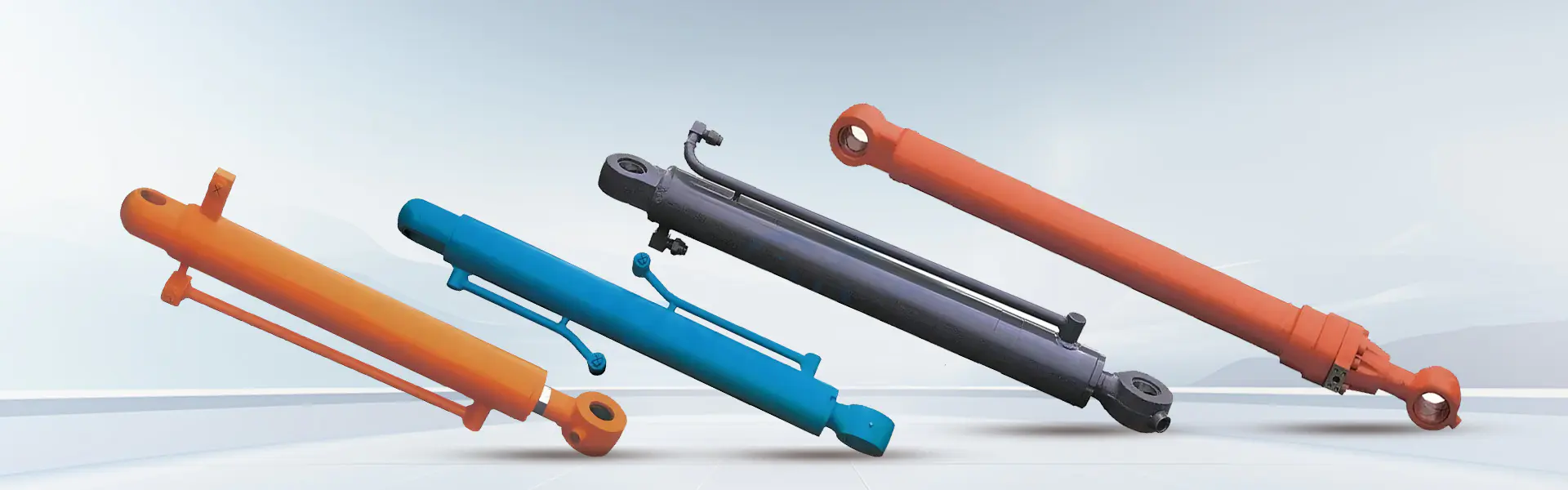
In the demanding world of industrial automation, construction, and heavy machinery, the precise control of linear force is paramount. At the heart of many critical motion control systems lies a robust and versatile component: the Arm Cylinder. As a leading force in hydraulic and pneumatic solutions for over four decades, Raydafon Group understands the intricate engineering behind reliable arm cylinders. This guide delves into the technical specifications, operational principles, and selection criteria for these essential actuators, providing the detailed information engineers and procurement specialists need.
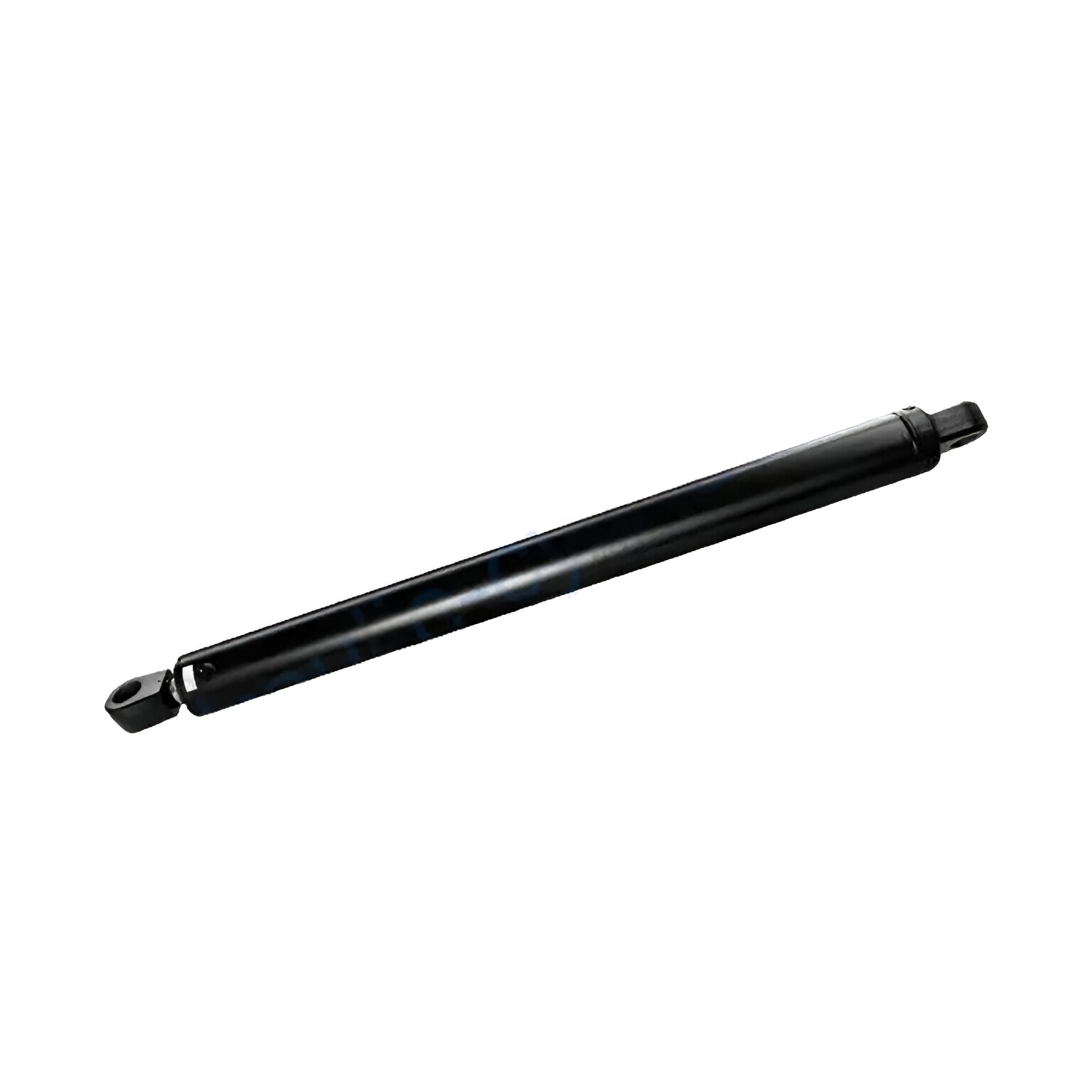
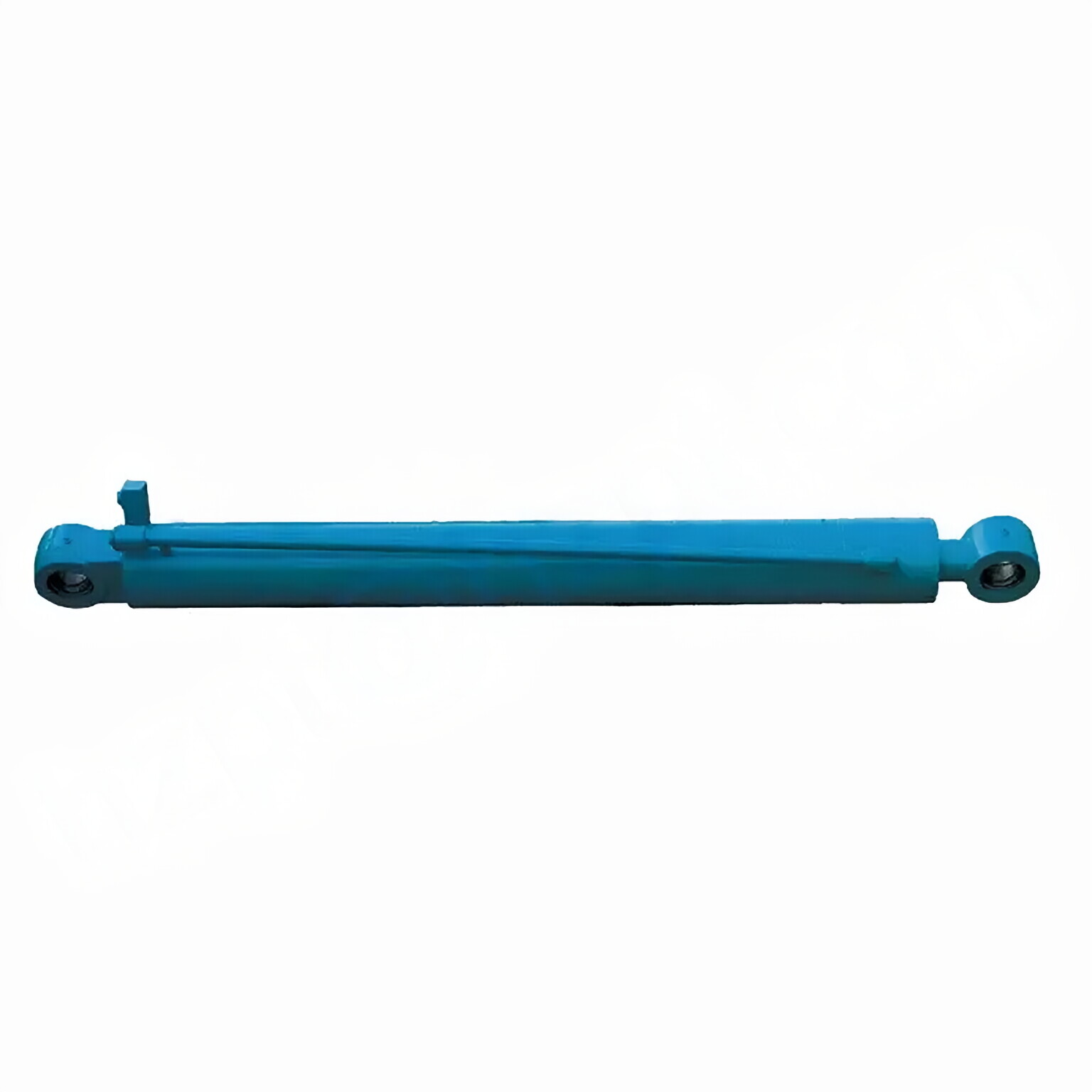
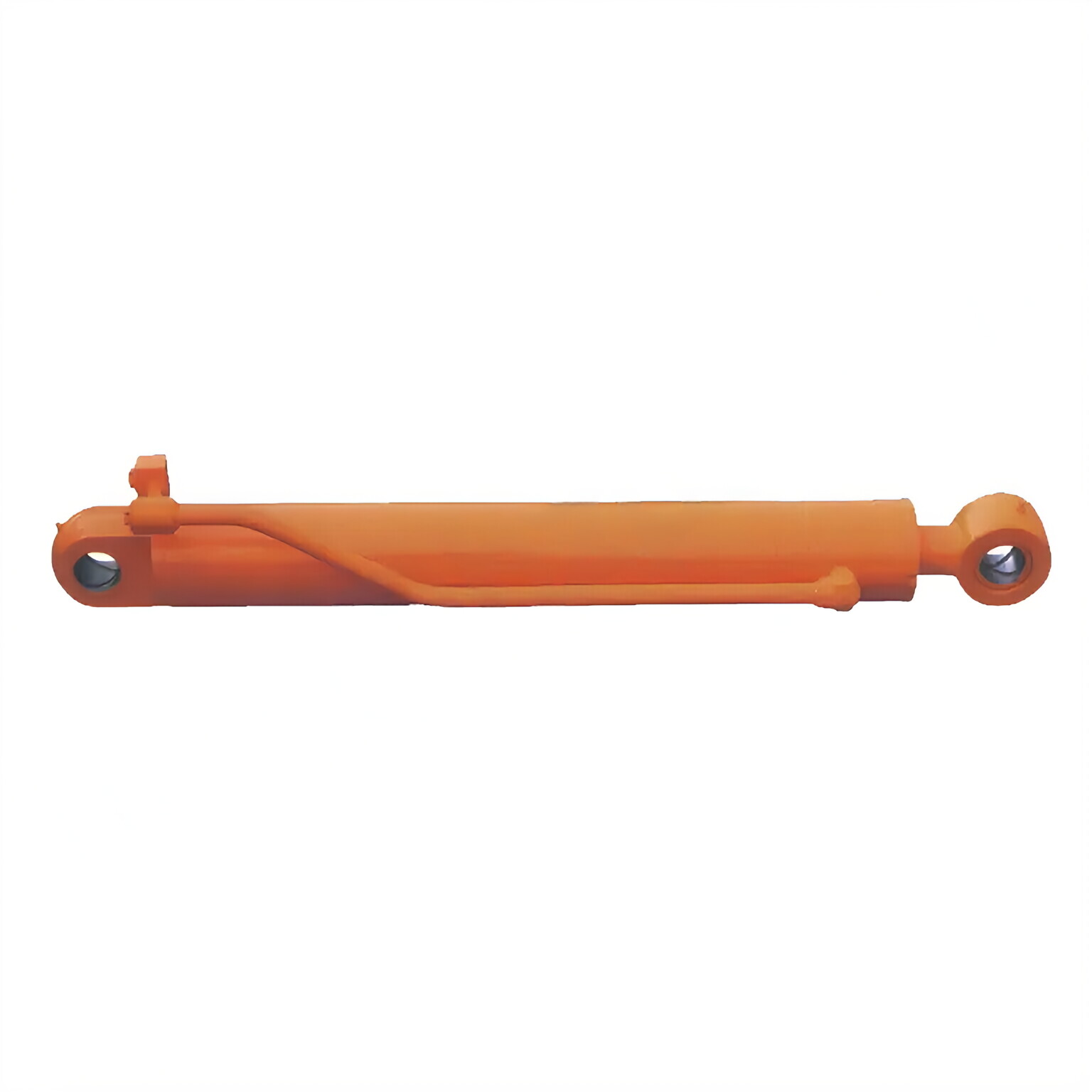
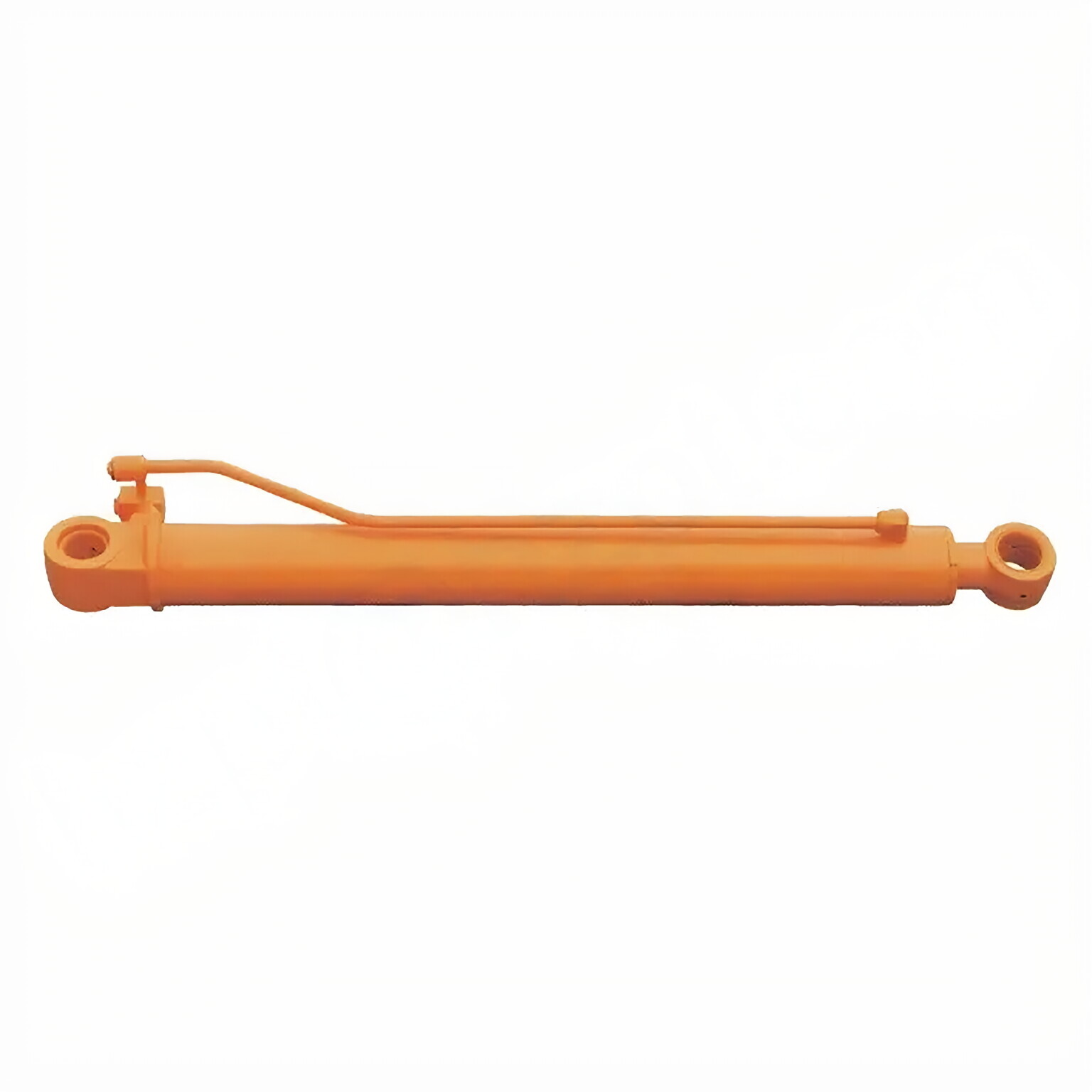
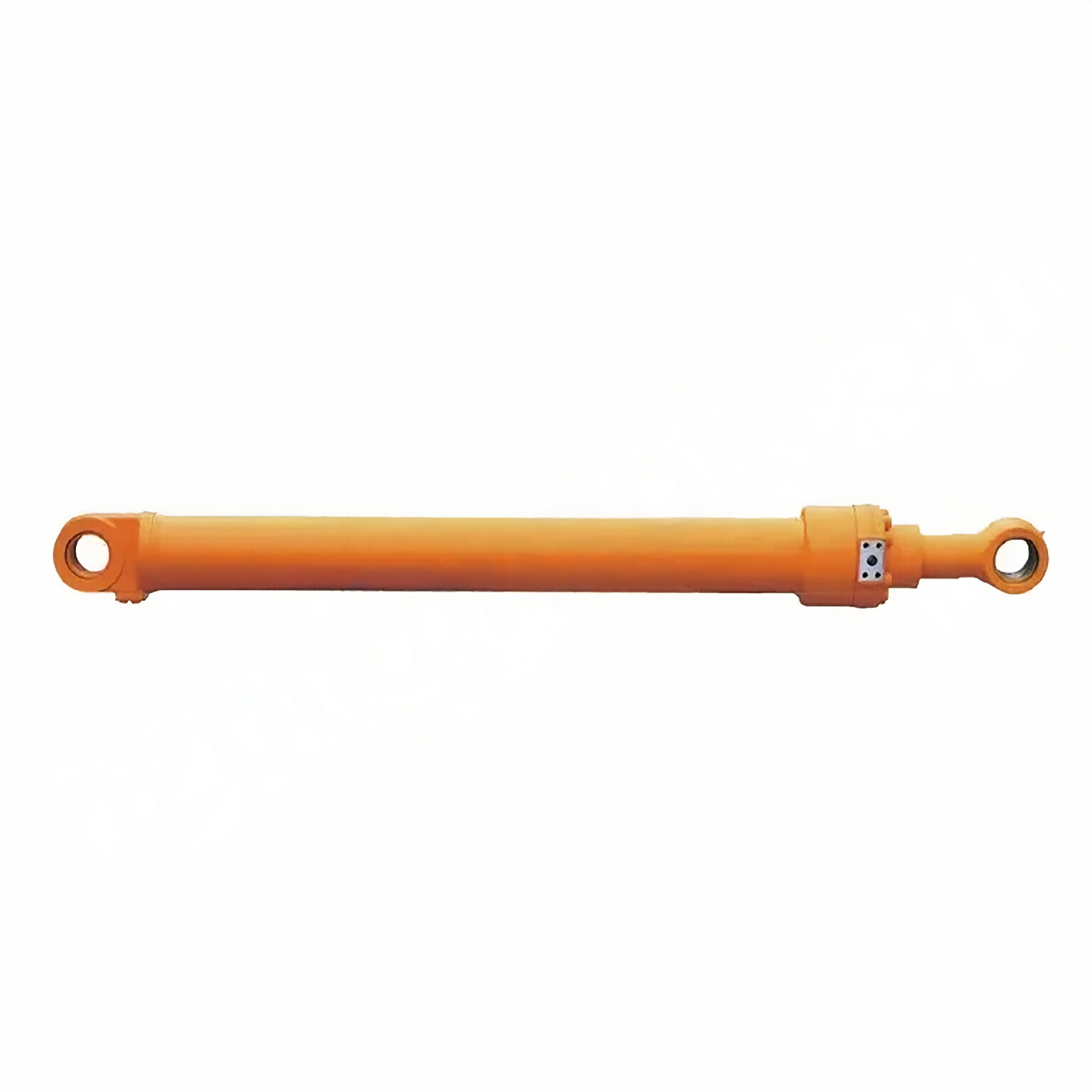
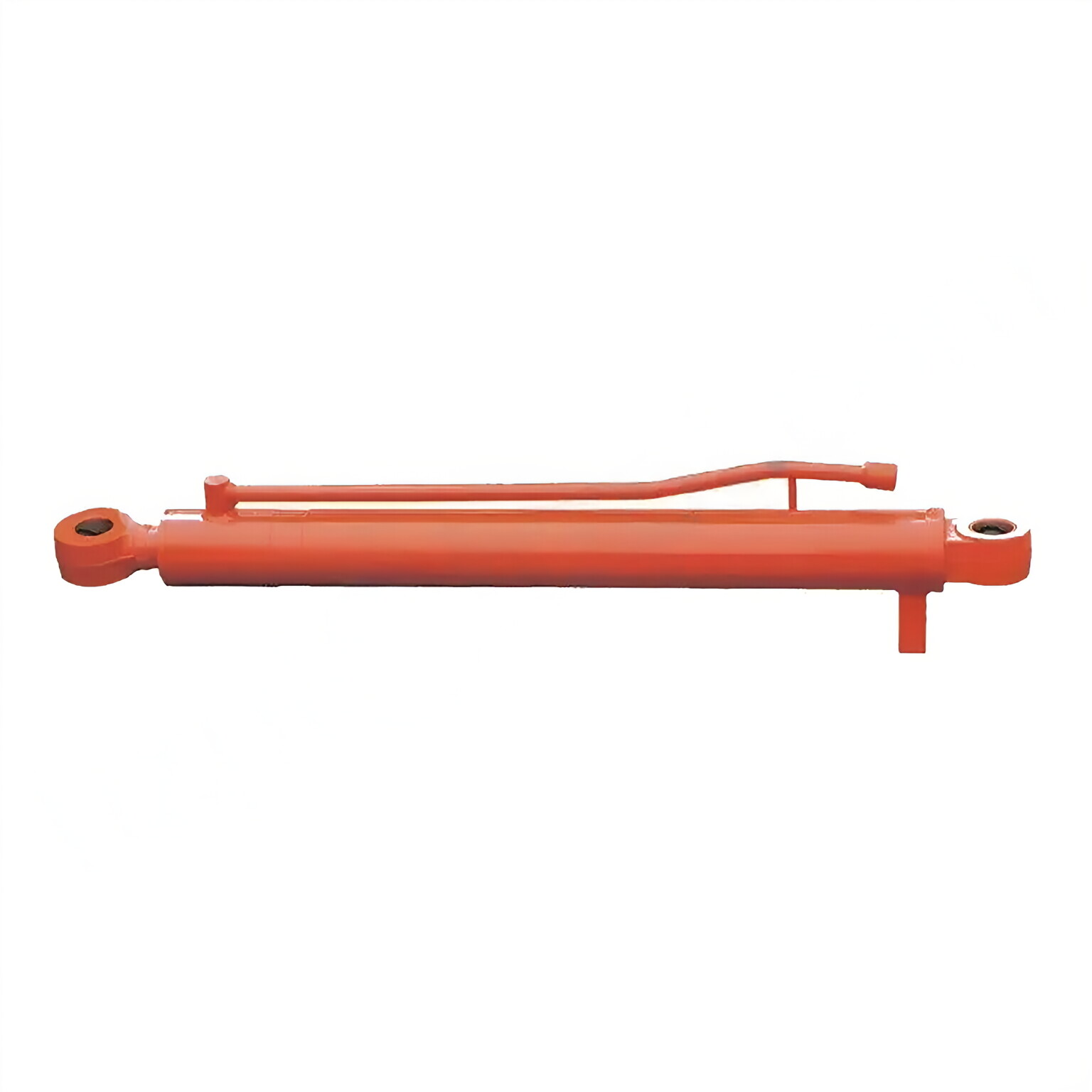
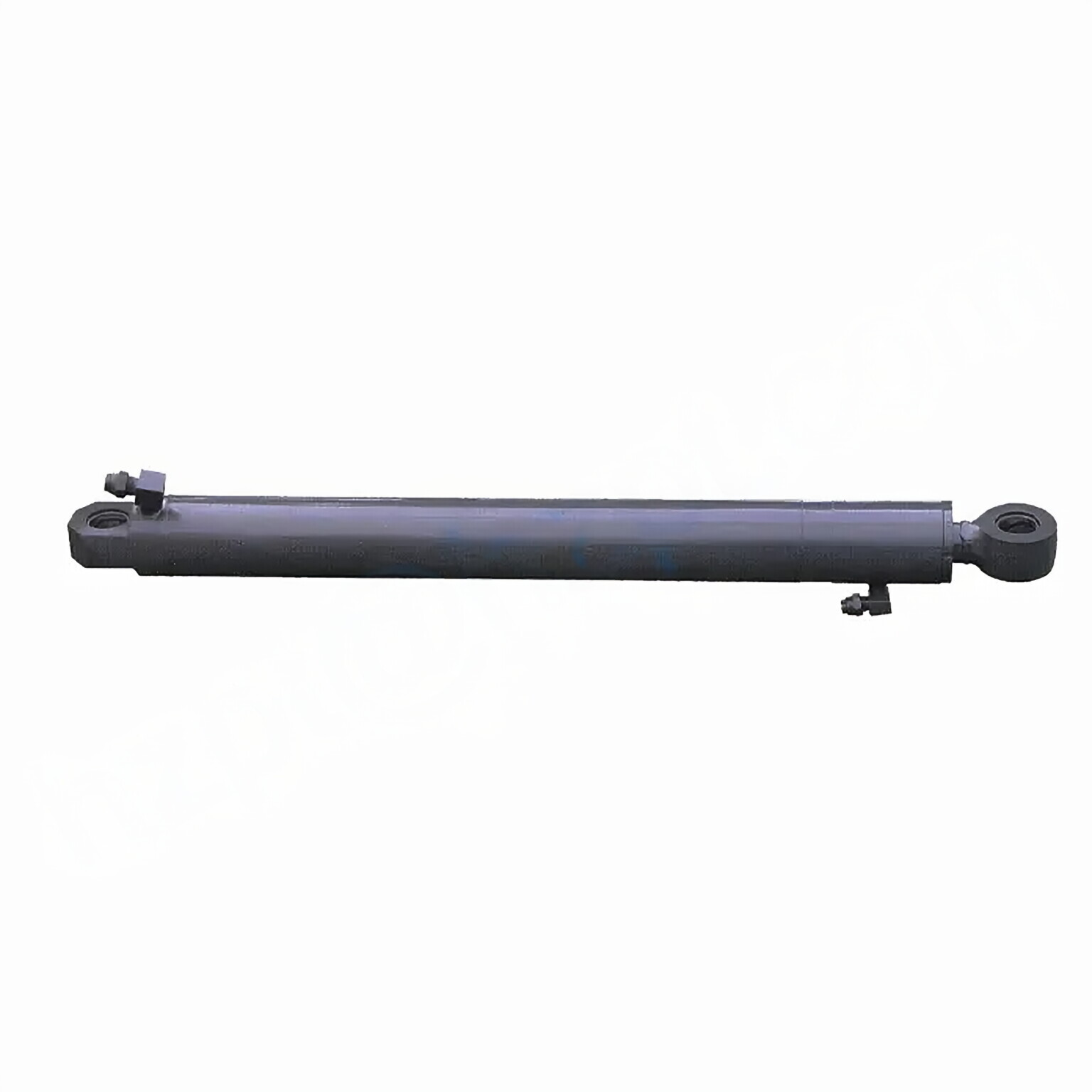
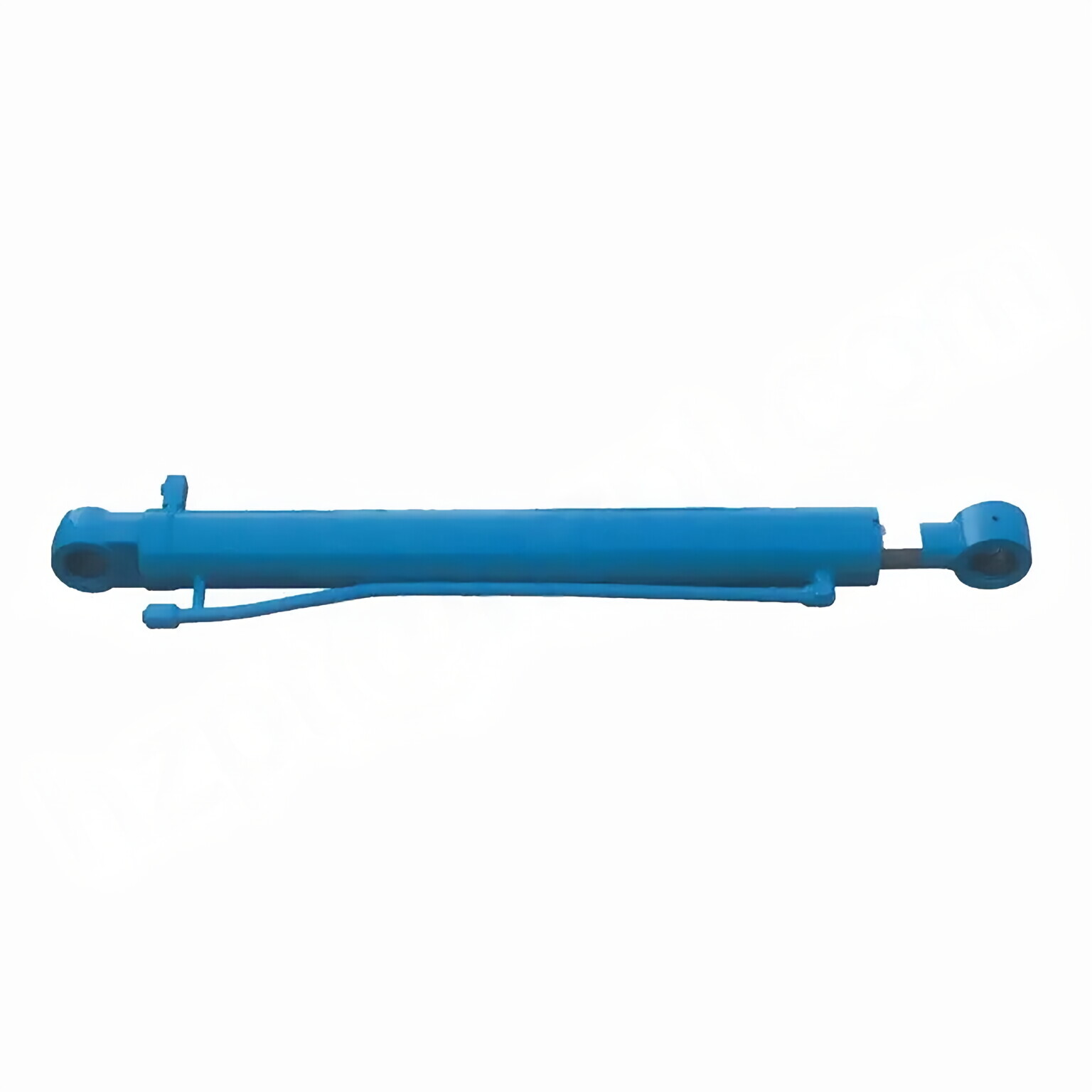
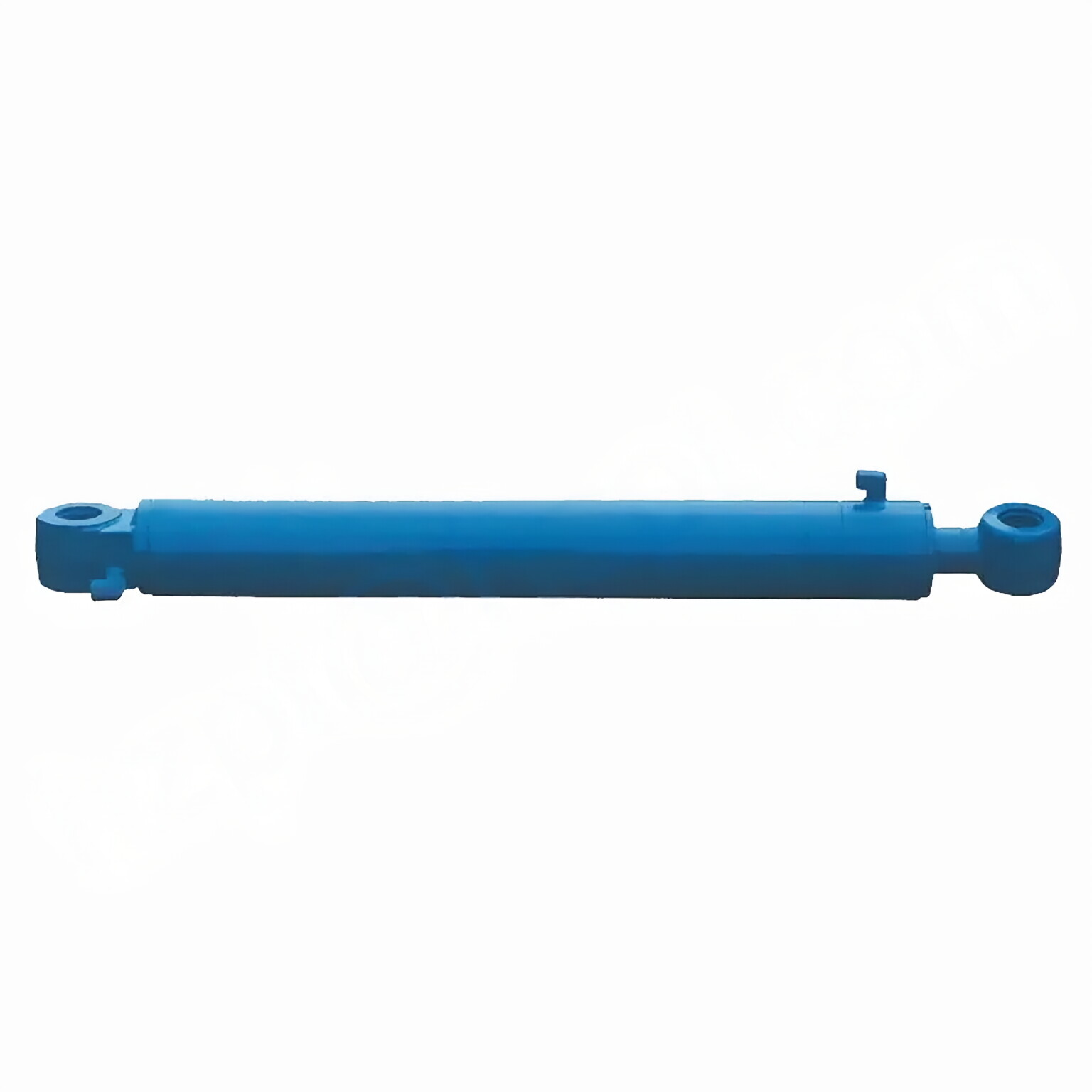
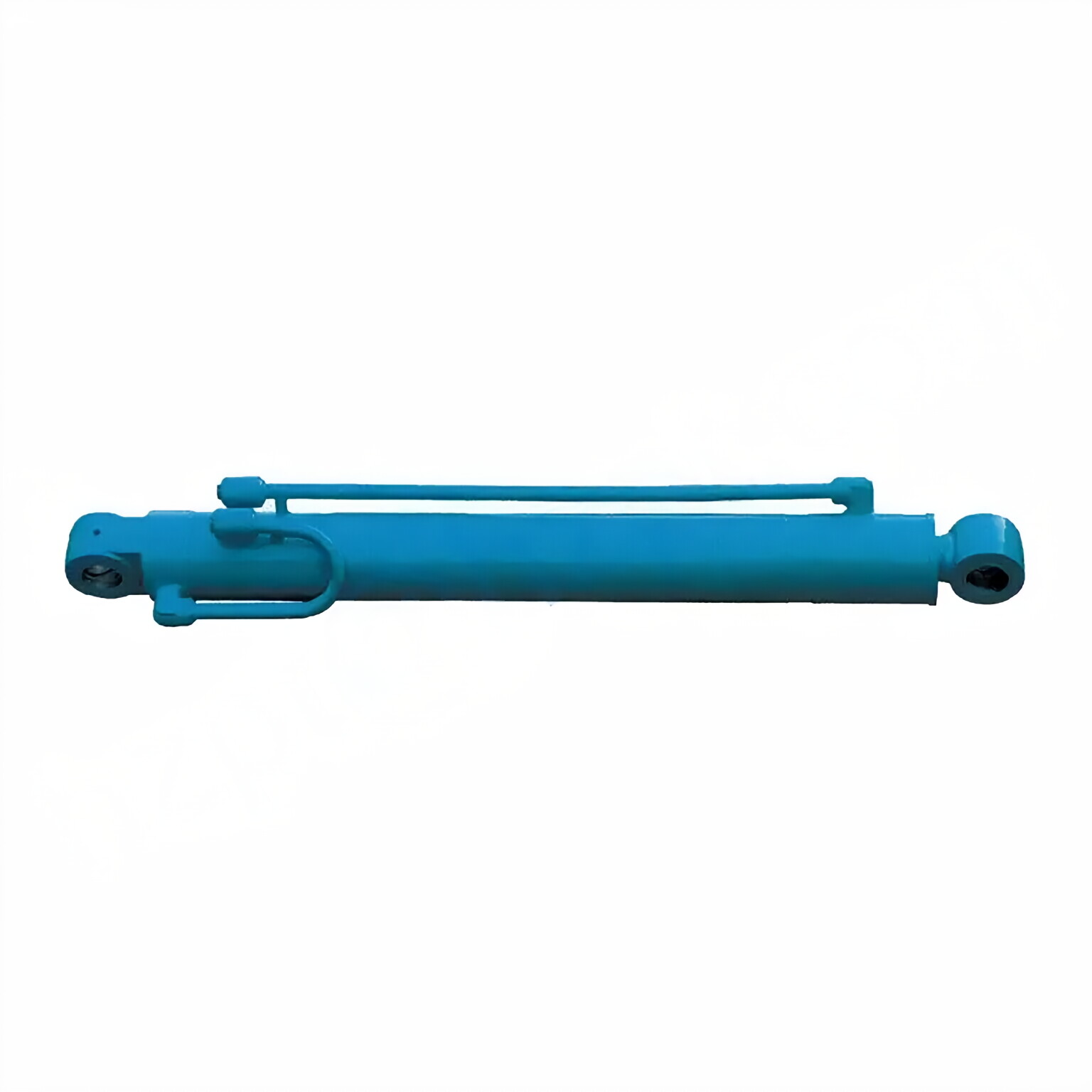
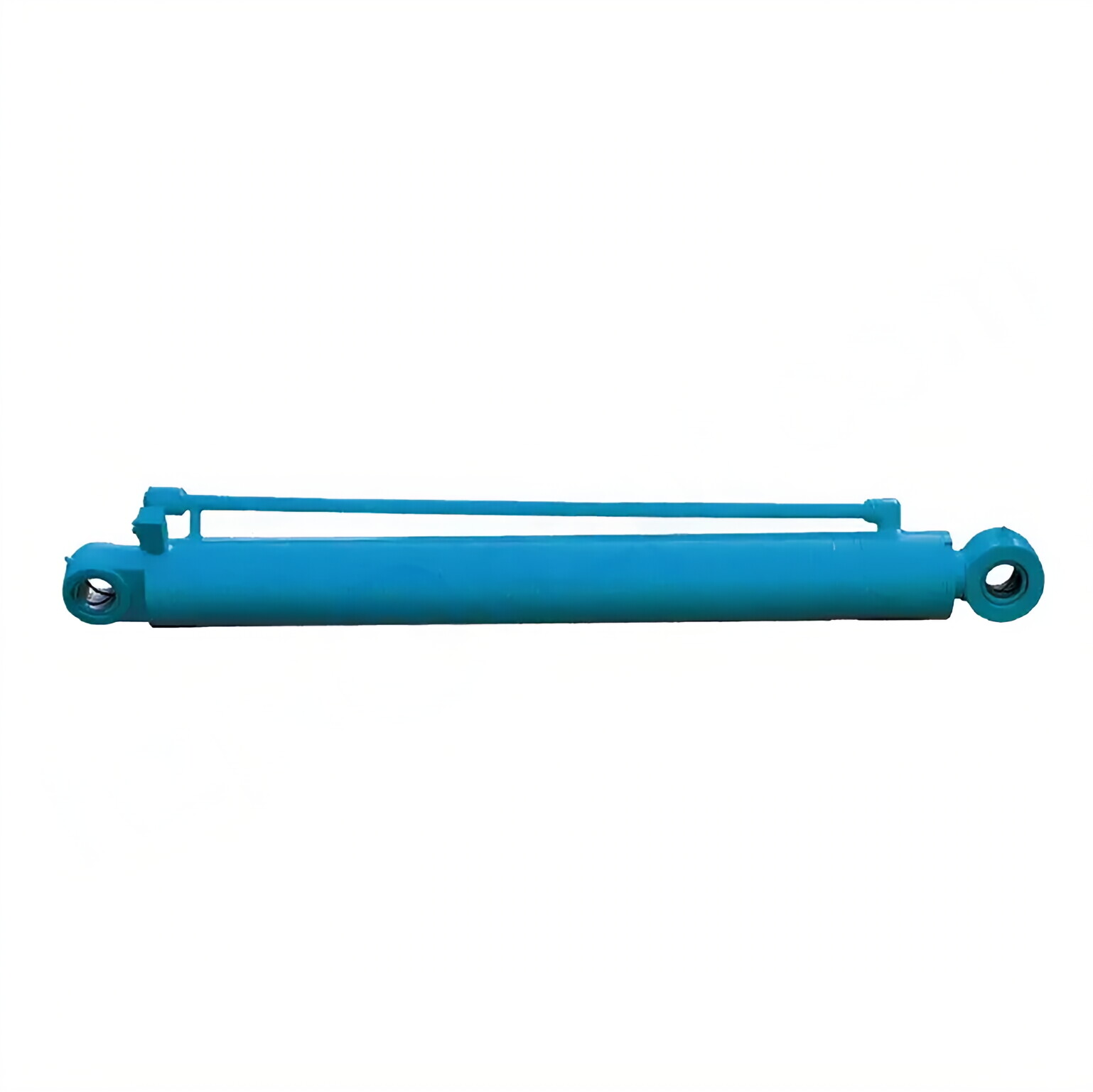
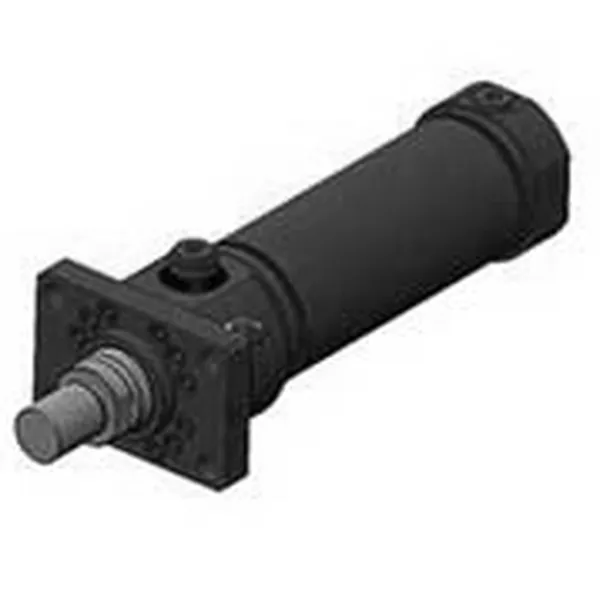
An arm cylinder, often referred to in contexts like excavators or backhoes as part of the arm or boom cylinder assembly, is a type of hydraulic cylinder designed to generate substantial force for lifting, pushing, pulling, or positioning heavy loads. Unlike standard linear actuators, arm cylinders are engineered to withstand extreme off-center loads, shock pressures, and harsh environmental conditions typical in construction, mining, and agricultural applications. Raydafon Group's expertise ensures that each cylinder is built not just to meet specifications, but to exceed operational lifespan expectations.
Selecting the correct arm cylinder requires a meticulous review of its parameters. Below is a detailed breakdown of the critical specifications offered by Raydafon Group.
| Series Model | Bore Range (mm) | Max Pressure (bar) | Rod Surface Treatment | Primary Seal Kit | Typical Application |
|---|---|---|---|---|---|
| RC-Arm Heavy Duty (HD) | 80 - 320 | 250 | Double Chrome Plating | Polyurethane + NBR | Excavator Arms, Heavy Presses |
| RC-Arm Standard Duty (SD) | 40 - 160 | 210 | Hard Chrome Plating | NBR Standard | Material Handlers, Agricultural Equipment |
| RC-Arm Corrosion Resistant (CR) | 50 - 200 | 200 | Stainless Steel + Chrome | FKM/Viton | Marine Applications, Chemical Processing |
| RC-Arm Compact (CP) | 32 - 100 | 160 | Nickel-Plated | Special Low-Friction Compound | Robotics, Packaging Machinery |
Q: What is the most critical factor in preventing arm cylinder failure?
A: Proper maintenance of the hydraulic fluid is paramount. Contamination (particles, water) is the leading cause of seal wear, internal scoring, and valve blockages. Regularly testing fluid cleanliness, using appropriate filters, and following Raydafon Group's recommended fluid specifications can prevent over 70% of common cylinder failures. Additionally, ensuring the cylinder is not subjected to side loads beyond its design limits is crucial for rod and bearing longevity.
Q: How do I calculate the force my arm cylinder can generate?
A: The theoretical force output is calculated using the formula: Force (F) = Pressure (P) x Area (A). For extension (push force), use the full piston area (A = π * (Bore/2)^2). For retraction (pull force), use the annulus area (Piston Area minus Rod Area). For example, a Raydafon RC-Arm HD cylinder with a 100mm bore operating at 210 bar generates an extension force of approximately 16,485 Newtons. Always consult Raydafon Group's technical datasheets for exact values including efficiency factors.
Q: Can I repair a leaking arm cylinder myself, or should I replace it?
A: Many arm cylinders, especially those from Raydafon Group designed with serviceability in mind, can be successfully repaired by replacing seal kits. This includes rod seals, piston seals, and wear bands. However, this requires proper tools, a clean environment, and expertise to avoid introducing contamination. If the cylinder barrel is scored, the rod is bent or deeply pitted, or the mounting points are damaged, a full cylinder replacement or professional rebuild by an authorized Raydafon service center is recommended for safety and performance.
Q: What is the difference between a tie-rod cylinder and a welded body cylinder for arm applications?
A: Tie-rod cylinders use long rods to hold the end caps onto the barrel, allowing for easier disassembly and maintenance. They are common in industrial settings. Welded body cylinders have the end caps directly welded to the barrel, creating a more compact, rigid, and robust housing better suited for the high stress, shock loads, and space constraints typical of mobile machinery arms. Raydafon Group's Heavy-Duty series primarily features robust welded construction for maximum durability in harsh environments.
Q: How do I select the right mounting style for my arm cylinder application?
A: The mounting style is determined by the machine's kinematics and the forces involved. Clevis mounts allow for angular movement and are common where the cylinder pivots. Trunnion mounts support the cylinder's weight and allow it to pivot along its center, ideal for handling moment loads. Flange mounts (front or rear) provide a very rigid connection for high thrust applications. Raydafon Group's engineering team can assist in analyzing your linkage design to recommend the optimal mounting style to minimize stress concentrations and ensure smooth operation.
Q: Why does my arm cylinder drift or creep when holding a load?
A: Drift is usually caused by internal leakage past the piston seals. Over time, seals wear or become damaged, allowing fluid to slowly pass from the pressure side to the low-pressure side of the piston. This can also be caused by a faulty counterbalance valve or control valve spool. A diagnostic test involves pressurizing the cylinder, isolating it, and measuring rod movement over time. Raydafon Group's high-grade seal materials are specifically formulated to minimize extrusion and maintain sealing integrity under pressure to prevent drift.
Beyond standard specifications, Raydafon Group provides advanced solutions for complex challenges. This includes integrated position sensing (using magnetostrictive or LVDT transducers for precise feedback), custom hard chrome or ceramic coatings for extreme abrasive environments, specialized porting for high-flow applications, and the design of telescopic arm cylinders for applications requiring a long stroke from a compact retracted length. Each project benefits from Raydafon's in-house finite element analysis (FEA) to validate design strength and computational fluid dynamics (CFD) to optimize flow paths and minimize pressure drop.
The reliability of your machinery hinges on the quality of its core actuators. By understanding the detailed parameters, maintenance needs, and selection criteria outlined here, you can make informed decisions that enhance operational efficiency and reduce downtime. Raydafon Group stands ready to support with technical data, custom design services, and a global network of support for all your arm cylinder requirements.

 Raydafon