

Optimizing Your Storage and Power Transmission with Gear and Racks Solutions
In the world of mechanical engineering and industrial automation, the seamless interaction between gears and racks is fundamental to converting rotational motion into precise linear movement. This critical pairing is the backbone of countless applications, from CNC machinery and robotics to automotive steering systems and heavy-duty conveyor belts. Selecting the correct components is not just a matter of fit; it's about ensuring efficiency, durability, and the long-term reliability of your entire system. At Raydafon Group, we combine decades of engineering expertise with precision manufacturing to deliver gear and rack solutions that meet the most demanding specifications.
Understanding Gear and Rack Systems
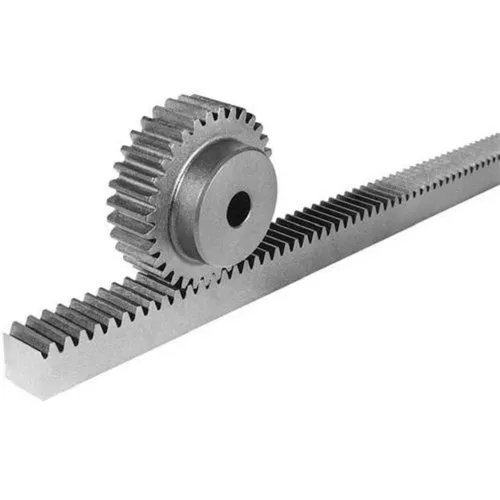
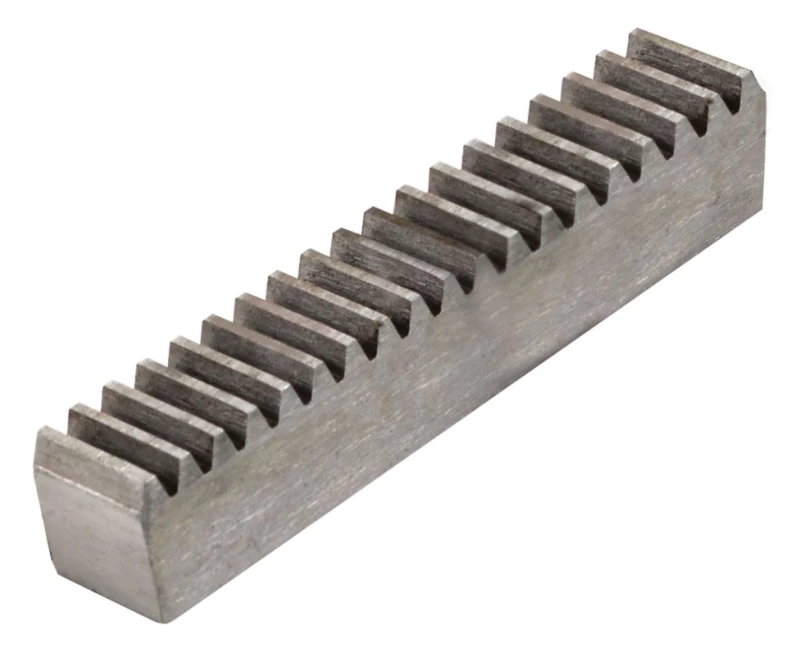
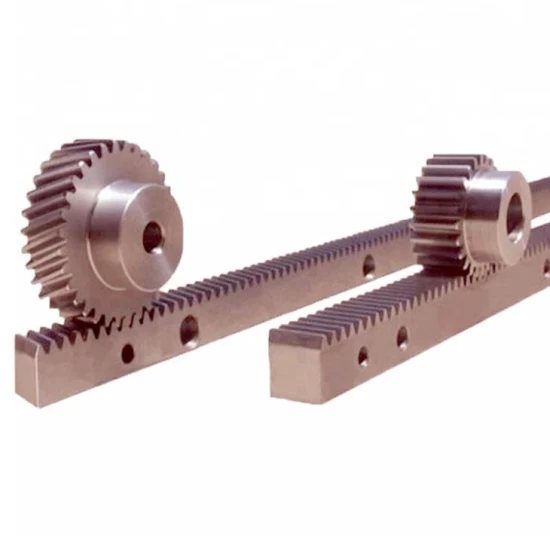
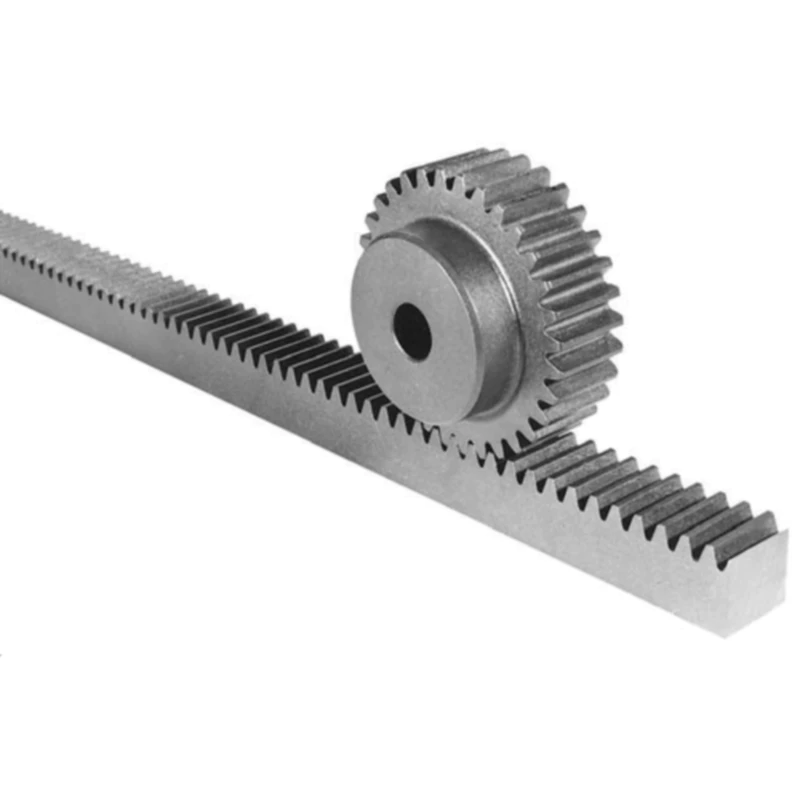
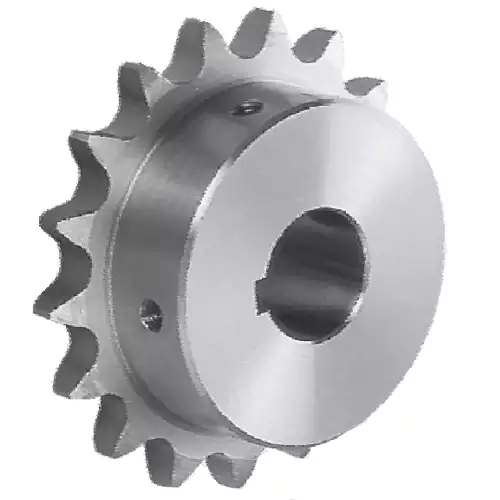
A gear and rack system consists of a rotating gear (pinion) that meshes with a linear, toothed bar (the rack). This simple yet highly effective mechanism allows for controlled linear positioning and force transmission. The performance of this system hinges on several key parameters, which must be carefully matched for optimal operation.
Critical Product Parameters for Selection
Choosing the right gear and rack requires a detailed understanding of technical specifications. Below are the essential parameters to consider.
1. Gear (Pinion) Specifications
- Module (M) or Diametral Pitch (DP): This is the most critical parameter defining tooth size. Module (metric) is the ratio of pitch diameter to the number of teeth. Diametral Pitch (imperial) is the number of teeth per inch of pitch diameter. Mating components must have identical Module or DP.
- Number of Teeth (Z): Affects the gear ratio and the linear travel per revolution of the pinion.
- Pressure Angle (α): Common angles are 14.5°, 20°, and 25°. A higher pressure angle (e.g., 20° or 25°) provides greater tooth strength and load capacity, which is a standard in Raydafon Group designs for robustness.
- Material and Heat Treatment: Options include carbon steel (e.g., C45), alloy steel (e.g., 20CrMnTi), and stainless steel. Heat treatments like carburizing, induction hardening, or nitriding are applied to enhance surface hardness and wear resistance.
- Accuracy Grade (e.g., DIN 5, DIN 7): Defines the precision of tooth profile and pitch. Higher grades (lower numbers) offer smoother operation and better positioning accuracy.
2. Rack Specifications
- Module (M) / Diametral Pitch (DP): Must exactly match the mating pinion gear.
- Length and Section Dimensions: Racks are produced in standard lengths (e.g., 1000mm, 2000mm) and can be butt-joined for longer travel. The cross-sectional height and width determine stiffness and load-bearing capacity.
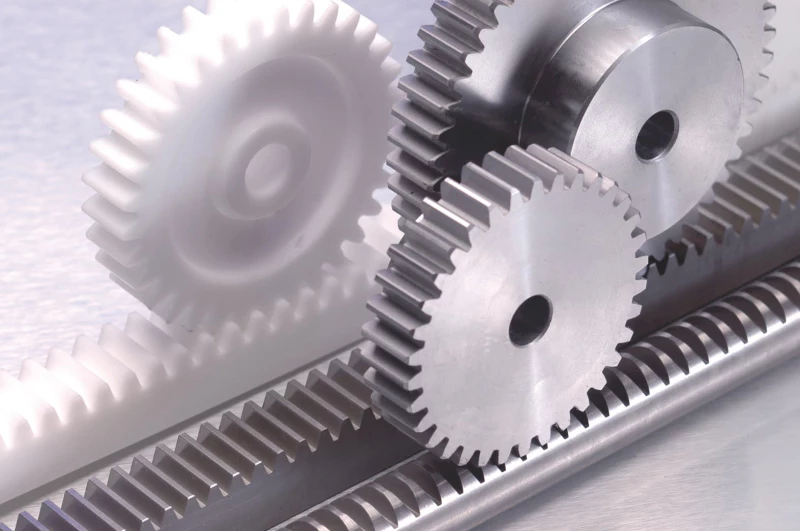
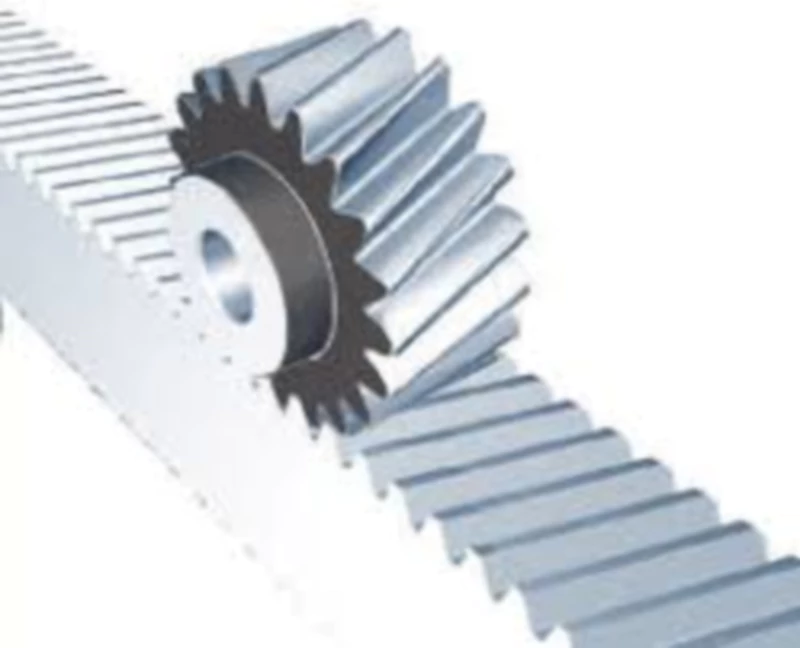
- Tooth Profile: Straight or helical teeth. Helical racks provide smoother, quieter engagement with higher load capacity due to gradual tooth contact.
- Material and Hardness: Typically matches or complements the pinion material. Precision ground racks from Raydafon Group often feature hardened teeth for extended service life.
- Mounting Configuration: Includes pre-drilled mounting holes, counterbores, and alignment features for secure and straightforward installation.
Raydafon Group Standard Product Data Table
The following table outlines some of our standard high-performance gear and rack offerings. Custom configurations are available for all parameters.
| Product Type | Module (M) | Pressure Angle | Standard Material | Hardness (Tooth Surface) | Accuracy Grade | Typical Application |
|---|---|---|---|---|---|---|
| Precision Helical Pinion | 1, 1.5, 2, 3 | 20° | 20CrMnTi | 58-62 HRC | DIN 5 | High-speed CNC, Robotics |
| Standard Spur Pinion | 1, 2, 2.5, 4 | 20° | C45 Steel | 45-50 HRC | DIN 7 | Material Handling, Conveyors |
| Hardened & Ground Rack (Straight) | 1, 2, 3, 4 | 20° | 42CrMo4 | 55-60 HRC | DIN 6 | Gantry Systems, Linear Axes |
| Helical Rack | 1.5, 2, 3 | 20° | Stainless Steel 304 / Alloy Steel | 50-55 HRC (Alloy) | DIN 5-DIN 6 | Precision Automation, Packaging |
| Stainless Steel Pinion & Rack Set | 1, 1.5, 2 | 20° | AISI 304 / 316 | Not Hardened (or Nitrided) | DIN 7 | Food & Beverage, Medical, Marine |
Frequently Asked Questions (FAQ) About Gears and Racks
Q: How do I calculate the linear travel distance per one revolution of the pinion gear?
A: The linear travel is determined by the pinion's pitch circumference. The formula is: Linear Travel = π × Module (M) × Number of Teeth (Z). For example, a pinion with Module 2 and 20 teeth will move the rack by approximately π × 2 × 20 = 125.66 mm per revolution. Our Raydafon Group technical team can provide detailed calculation support.
Q: What is the difference between a spur rack and a helical rack, and which should I choose?
A: Spur racks have teeth that are parallel to the axis of rotation, leading to instantaneous full-line contact which can be noisier. Helical racks have teeth cut at an angle, allowing for gradual engagement. This results in smoother, quieter operation, higher load capacity, and greater durability. Choose helical racks for high-speed, high-precision, or noise-sensitive applications. Spur racks are suitable for simpler, lower-speed mechanisms.
Q: How important is lubrication for a gear and rack system, and what type should I use?
A: Lubrication is crucial to minimize wear, reduce friction, and prevent corrosion. For general industrial use, a high-viscosity EP (Extreme Pressure) gear oil or a lithium-based grease is recommended. In clean environments (e.g., food processing), use NSF H1 certified lubricants. Raydafon Group can supply pre-lubricated systems or recommend specific lubricants based on your operating conditions.
Q: Can I join multiple rack sections together for a longer travel length? What precautions are necessary?
A: Yes, rack sections are designed to be joined end-to-end. The critical step is ensuring perfect alignment and a seamless tooth pitch across the joint. Use precision alignment fixtures during installation. Raydafon Group racks feature precision-machined ends and provide detailed joining instructions to maintain system accuracy and prevent premature wear at the joint.
Q: What factors influence the backlash in a gear and rack system, and how can it be minimized?
A: Backlash is the slight movement between mating teeth when direction is reversed. It is influenced by manufacturing tolerances, center distance, and wear. To minimize backlash: 1) Specify high-precision components (e.g., DIN 5 grade from Raydafon Group). 2) Use spring-loaded or adjustable twin-pinion systems to pre-load the gear against the rack. 3) Ensure rigid mounting for both components to prevent deflection.
Q: How do I select the right material for my application?
A: Material selection depends on load, speed, environment, and required lifespan. Alloy steel with hardening (e.g., 20CrMnTi) is standard for high-load, high-wear applications. Stainless steel (AISI 304/316) is essential for corrosion resistance in wet, chemical, or food-grade environments. For cost-effective, moderate-duty uses, carbon steel like C45 is suitable. Our engineers at Raydafon Group can guide you through this selection.
Q: What mounting considerations are most critical for system performance?
A: Rigid and precise mounting is non-negotiable. The rack must be mounted on a flat, stiff supporting surface to prevent bending under load. The pinion shaft must be aligned parallel to the rack with the correct center distance. Use high-quality bearings and couplings for the pinion shaft to minimize runout. Raydafon Group provides comprehensive mounting drawings and technical guidelines with every product shipment.
 Raydafon