
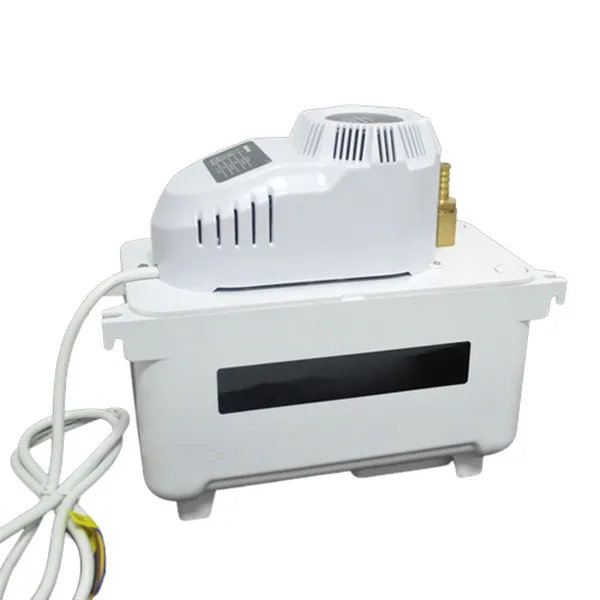
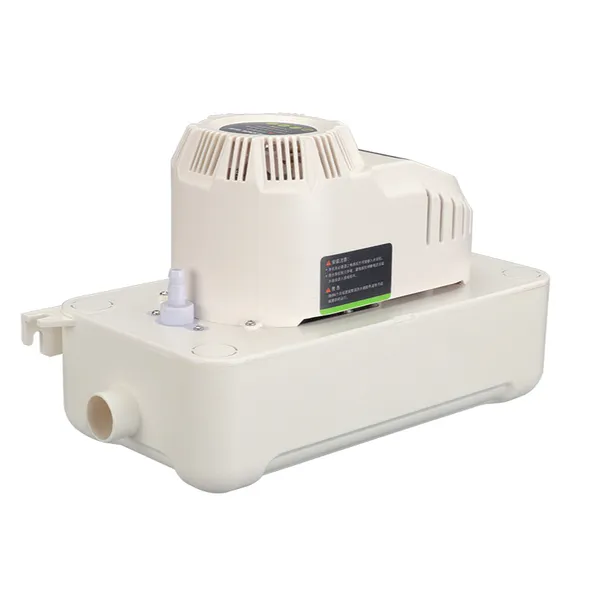
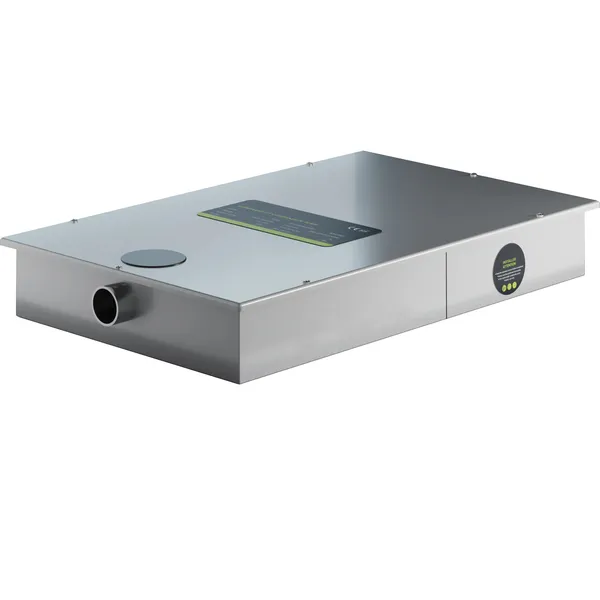
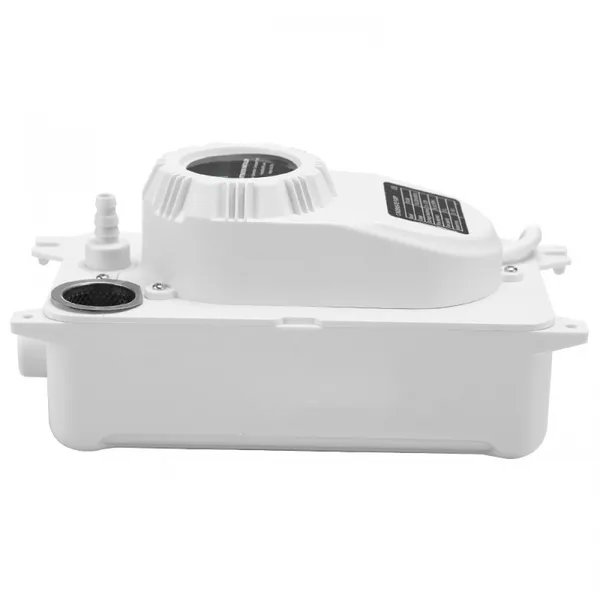
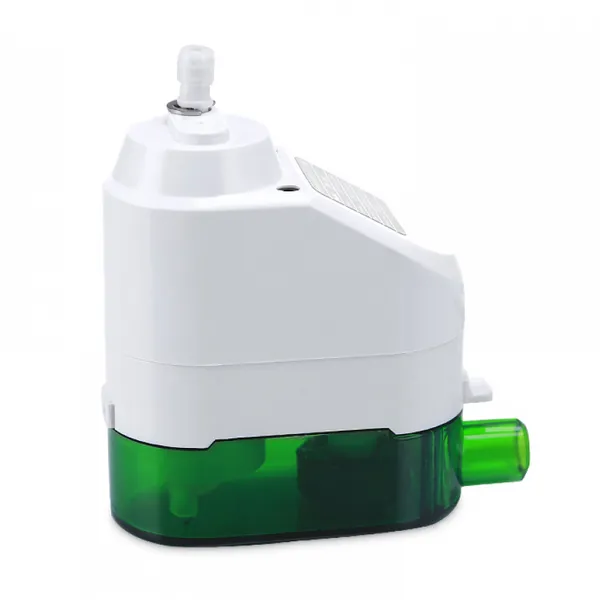
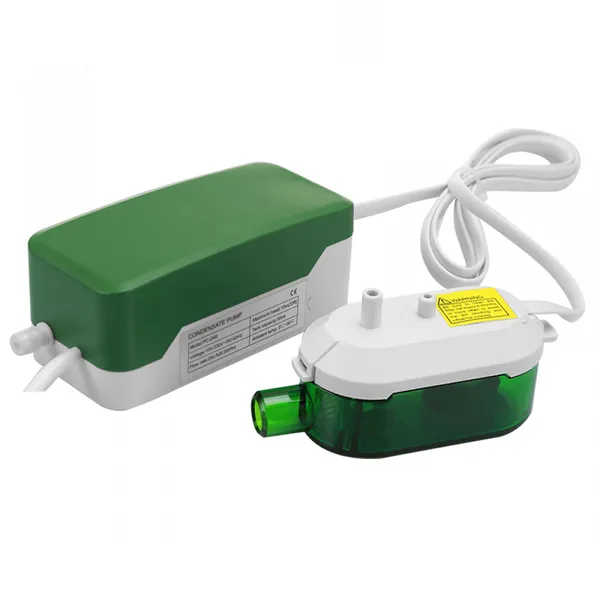
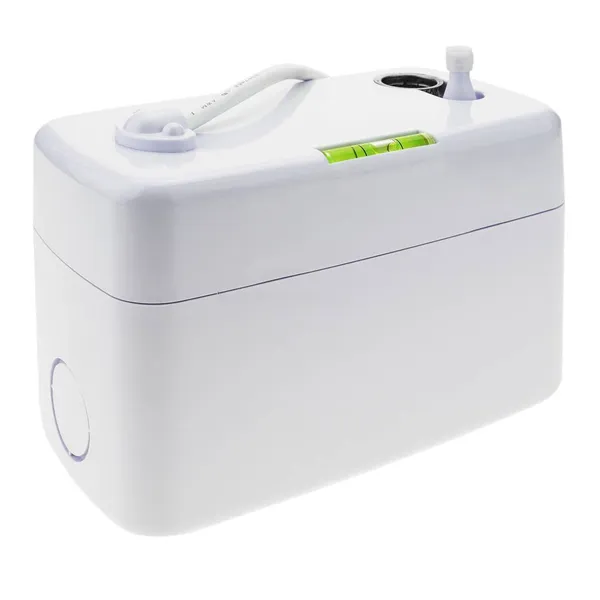
In modern HVAC systems, water heaters, and various refrigeration applications, managing condensation is a critical component of operational efficiency and environmental safety. The by-product of cooling processes, known as condensate, must be effectively removed to prevent water damage, microbial growth (like mold and mildew), and system corrosion. This is where a condensate pump becomes an indispensable tool. A condensate pump is a small electromechanical device specifically designed to collect and lift the condensate water (condensate) that accumulates when warm, humid air passes over a cool evaporator coil or in similar processes. Since gravity drainage is not always possible, especially in basements, attics, or when the drain line needs to run upwards, a reliable pump provides the necessary pressure to move this water to a suitable disposal area, such as a floor drain or utility sink.
Choosing the right condensate pump is crucial for system longevity and peace of mind. As a leader in engineered fluid-handling solutions, Raydafon Group manufactures a range of high-performance condensate pumps built for durability, quiet operation, and maximum reliability. Our designs incorporate decades of industry expertise to meet the demanding requirements of both residential and commercial applications.
Raydafon Group condensate pumps are engineered with precision to offer superior performance. Below is a detailed overview of the core features and technical parameters that define our product line.
| Model Series | Maximum Lift (Vertical) | Maximum Run (Horizontal) | Flow Rate (GPH) | Tank Capacity | Power Input | Discharge Port Size | Primary Application |
|---|---|---|---|---|---|---|---|
| Raydafon CP-100 | 20 feet | 100 feet | 120 GPH | 1/2 Gallon | 115V / 60Hz | 3/8" ID | Residential HVAC, Dehumidifiers |
| Raydafon CP-200 | 30 feet | 150 feet | 200 GPH | 1 Gallon | 115V / 60Hz | 1/2" ID | High-Efficiency Furnaces, Larger Residential AC |
| Raydafon CP-500 Commercial | 50 feet | 250 feet | 500 GPH | 2.5 Gallons | 115V/230V / 60Hz | 3/4" ID | Commercial RTUs, Data Center AC, Ice Machines |
| Raydafon CP-1000 Heavy Duty | 60 feet | 300 feet | 1000 GPH | 5 Gallons | 230V / 60Hz | 1" ID | Industrial Process Cooling, Large Chiller Systems |
Note: GPH = Gallons Per Hour. Specifications are under standard operating conditions. Always consult the official Raydafon Group installation manual for specific requirements.
Proper installation and regular maintenance are key to ensuring your Raydafon condensate pump operates flawlessly for years.
Q: How do I know if I need a condensate pump?
A: You typically need a condensate pump if your air conditioner, furnace, or other appliance produces condensate but lacks a gravity drain path, or if the drain needs to go upward (e.g., into an overhead drain line). Common signs include a system installed in a basement with the drain located above it, or if your current setup is prone to overflow and leaks.
Q: Can a condensate pump handle water other than condensate?
A: No. Condensate pumps are specifically designed for the clear, lukewarm, and slightly acidic water produced by air conditioning coils. They are not built to handle sewage, wastewater, grease, or hot water (above ~120°F). Using them for other liquids will cause premature failure and void the warranty. For other fluids, consult Raydafon Group for appropriate sump or effluent pumps.
Q: What does the "lift" rating mean, and why is it important?
A: The "maximum lift" or "head height" is the vertical distance the pump can push water upward from the pump itself to the point of discharge. This is a critical specification. Exceeding this height will cause the pump to fail to move water, leading to overflow. Always choose a pump with a lift rating exceeding your actual vertical requirement to account for friction losses in the line.
Q: My pump is running continuously or cycling very frequently. What could be wrong?
A: Frequent cycling can indicate several issues: 1) A stuck or dirty float switch that fails to signal the pump to turn off. 2) A leak in the inlet or discharge tubing allowing water to re-enter the tank. 3) An undersized pump for the condensate production rate. 4) A clogged discharge line causing water to backflow into the tank. First, inspect and clean the float mechanism and check for clogs in all lines.
Q: Is the built-in safety switch necessary, and how do I connect it?
A: While not always mandatory by code, the safety switch is highly recommended. It acts as a critical backup. If the pump fails and water rises to the safety switch level, it opens a circuit that can be wired to shut off your air handler or furnace, preventing severe water damage. Connection involves wiring the switch in series with the low-voltage control circuit (typically the "R" and "G" terminals) of your HVAC equipment. Refer to your HVAC and pump manuals or hire a professional.
Q: How long should a quality condensate pump last?
A: The lifespan depends on usage, maintenance, and water quality. A well-maintained, properly installed condensate pump from a reputable manufacturer like Raydafon Group can typically last between 5 to 10 years. Regular cleaning to prevent sludge buildup and ensuring it doesn't run dry are the best ways to extend its life.
Q: Can I install a condensate pump myself, or should I hire a professional?
A: For homeowners with basic mechanical and electrical skills, installing a standard residential pump can be a DIY project if you carefully follow the instructions. However, if the installation involves wiring the safety switch into your HVAC system's control board, complex routing, or is for a critical commercial system, it is strongly advised to hire a licensed HVAC technician or plumber to ensure safety and proper function.
Q: Does Raydafon Group offer warranties and technical support for their pumps?
A: Yes. Every Raydafon Group condensate pump is backed by a comprehensive limited warranty against defects in materials and workmanship. The warranty period varies by model series. Our dedicated technical support team is available to assist with product selection, installation queries, and troubleshooting to ensure optimal performance.

 Raydafon