

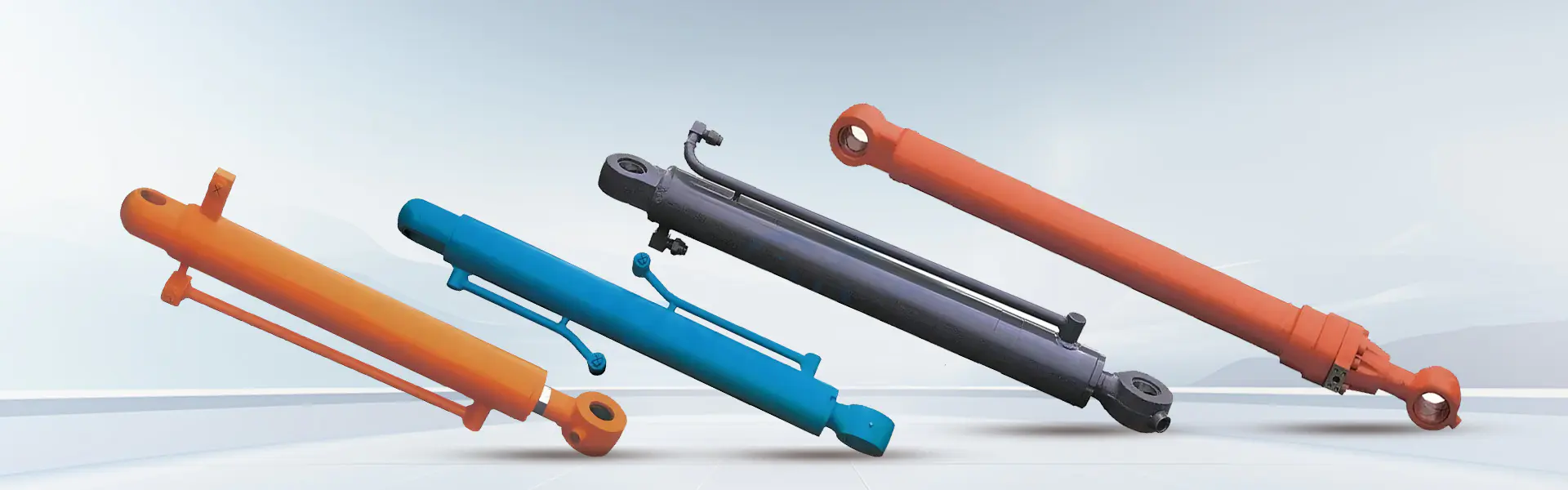
In the world of heavy machinery, automotive engineering, and industrial applications, the integrity of every component is paramount. Among these critical parts, FHPK Bushings stand out as a fundamental element for ensuring smooth operation, reducing friction, and enhancing the longevity of mechanical assemblies. As a leading force in precision engineering, the Raydafon Group has dedicated decades to perfecting the design, material science, and manufacturing processes behind these indispensable components.
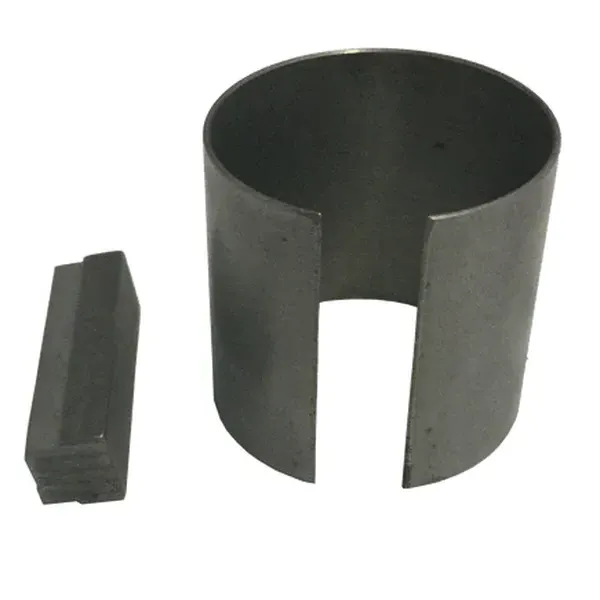
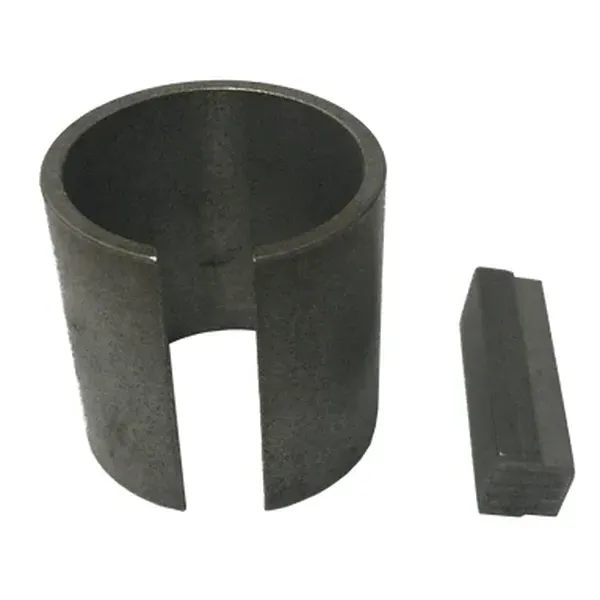
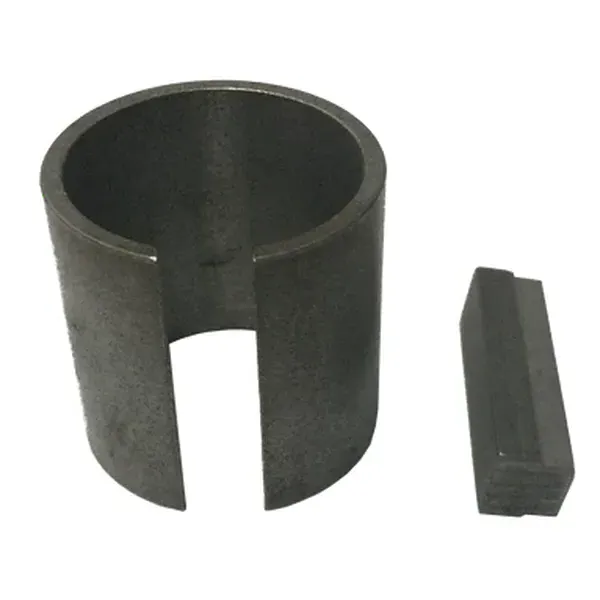
FHPK Bushings, or Flanged Hydro-Pneumatic Kinematic Bushings, are specialized bearing units designed to manage high radial and axial loads while accommodating angular misalignment and damping vibrations. Their unique construction makes them ideal for challenging environments where standard bushings would fail prematurely.
Core Advantages of Raydafon Group FHPK Bushings
- Superior Load Distribution: The flanged design provides a larger surface area, effectively distributing both radial and axial forces across the housing, preventing point loading and premature wear.
- Exceptional Durability: Manufactured from high-grade, engineered polymers and composite materials, our bushings offer excellent resistance to wear, abrasion, and fatigue.
- Vibration and Noise Damping: The specialized material composition internally dampens vibrations and reduces operational noise, leading to smoother machinery performance.
- Misalignment Compensation: They can accommodate minor angular misalignments between shafts and housings, protecting other components from stress and reducing maintenance needs.
- Corrosion and Chemical Resistance: Unlike metallic bushings, our FHPK variants are immune to rust and resist a wide range of oils, greases, and mild chemicals.
- Maintenance-Free Operation: Pre-lubricated and designed for long service life, they eliminate the need for frequent re-greasing, reducing downtime and operational costs.
Detailed Technical Specifications
Understanding the precise parameters of FHPK Bushings is crucial for correct application and optimal performance. Below are the standard specifications for the Raydafon Group's flagship series.
Standard Material Composition
| Component | Material | Key Property |
|---|---|---|
| Outer Shell / Flange | Pre-galvanized Steel or Stainless Steel AISI 304 | High structural strength and environmental resistance. |
| Inner Lining / Bearing Layer | Proprietary Composite Polymer Blend (RAY-COMP®) | Low coefficient of friction, high wear resistance, embedded solid lubricants. |
| Sealing Elements | Nitrile Rubber (NBR) or Polyurethane | Effective exclusion of contaminants and retention of lubrication. |
Performance Parameters & Dimensions
| Parameter | Range / Value | Test Standard |
|---|---|---|
| Inner Diameter (d) | 10 mm - 100 mm | ISO 3547 |
| Outer Diameter (D) | 20 mm - 120 mm | ISO 3547 |
| Flange Diameter (Df) | 30 mm - 150 mm | ISO 3547 |
| Static Radial Load Capacity | Up to 300 N/mm² | ISO 2795 |
| Dynamic Radial Load Capacity | Up to 50 N/mm² | ISO 2795 |
| Maximum PV Value | 1.8 N/mm² * m/s | ASTM D3702 |
| Operating Temperature Range | -40°C to +120°C | Continuous Duty |
| Coefficient of Friction (μ) | 0.08 - 0.15 (dry start), 0.05 - 0.10 (running) | ASTM D1894 |
FHPK Bushings: Frequently Asked Questions (FAQ)
Q: What distinguishes an FHPK Bushing from a standard plain bushing?
A: The key distinctions lie in the integrated flange and advanced material science. The flange provides axial location and load support, preventing the bushing from being pushed through its housing under thrust loads. Furthermore, FHPK Bushings from Raydafon Group utilize a proprietary composite lining (RAY-COMP®) engineered for higher load capacity, lower friction, and integrated lubrication, whereas standard plain bushings often use simpler, less durable materials.
Q: In which applications are FHPK Bushings most commonly used?
A: They are exceptionally versatile. Common applications include: suspension linkages and control arms in automotive and trucks, pivot points in construction equipment (excavators, loaders), linkages in agricultural machinery, guide and support rollers in conveyor systems, and precision joints in packaging and printing machinery. Any application requiring robust, maintenance-free articulation under load is a candidate.
Q: How do I correctly install an FHPK Bushing?
A: Proper installation is critical. First, ensure the housing bore is clean, smooth, and to the specified diameter. Use a fitting tool or arbor press to press the bushing in squarely—never hammer it directly, as this can deform the outer shell. The bushing should be pressed in until the flange is seated firmly against the housing face. Finally, before installing the shaft, apply the recommended lubricant to the inner lining unless it is a pre-lubricated, maintenance-free type.
Q: Are Raydafon FHPK Bushings lubricated for life, or do they require maintenance?
A: Our standard FHPK series are pre-lubricated with a high-quality, lithium-complex grease and are designed as "maintenance-free" for their entire calculated service life under normal operating conditions. However, for extreme duty cycles—constant high load, high speed, or very dirty environments—we offer variants with grease fittings for periodic re-lubrication to extend service life even further.
Q: Can FHPK Bushings handle both rotational and oscillating movements?
A: Yes, they are specifically engineered for both. While they excel in oscillating or articulation motions (common in linkage applications), they are fully capable of handling continuous rotational motion. The PV value (Pressure x Velocity) rating provided in the specifications is the key parameter to check for rotational applications to ensure the operating conditions are within design limits.
Q: How do I select the right FHPK Bushing for my application?
A: Selection involves several steps: 1) Determine the shaft diameter and required housing dimensions. 2) Calculate the static and dynamic radial loads, as well as any axial (thrust) load on the flange. 3) Consider the motion type (oscillating, rotating) and frequency. 4) Account for environmental factors like temperature, exposure to chemicals, and presence of contaminants. Raydafon Group provides detailed engineering catalogs and online selection tools to assist with this process, and our technical support team is available for complex applications.
Q: What are the signs of bushing wear or failure?
A: Indicators include: increased looseness or play in the joint, audible squeaking or knocking noises, visible extrusion of the lining material, corrosion on the flanges, or difficulty in movement. Regular inspection as part of preventive maintenance can identify these signs early, allowing for scheduled replacement before catastrophic failure affects other components.
 Raydafon