
What are the advantages and disadvantages of oil-sealed vacuum pumps? This is a crucial question for procurement professionals navigating industrial component selection. A comprehensive understanding of this technology directly impacts operational efficiency, maintenance costs, and production uptime. Oil-sealed pumps remain a cornerstone in many industrial processes, but their suitability depends heavily on your specific application. This guide will break down the key pros and cons, providing a clear framework for your decision-making process and highlighting scenarios where they excel or present challenges.
Imagine a production line where consistent, moderate vacuum levels are essential for a packaging or drying process. Oil-sealed rotary vane pumps are often the go-to workhorses in such settings. Their operation is elegantly simple: a rotor with sliding vanes spins within a cavity, creating chambers of varying volume. The oil serves multiple critical functions—it seals clearances, lubricates moving parts, and helps cool the pump during operation.
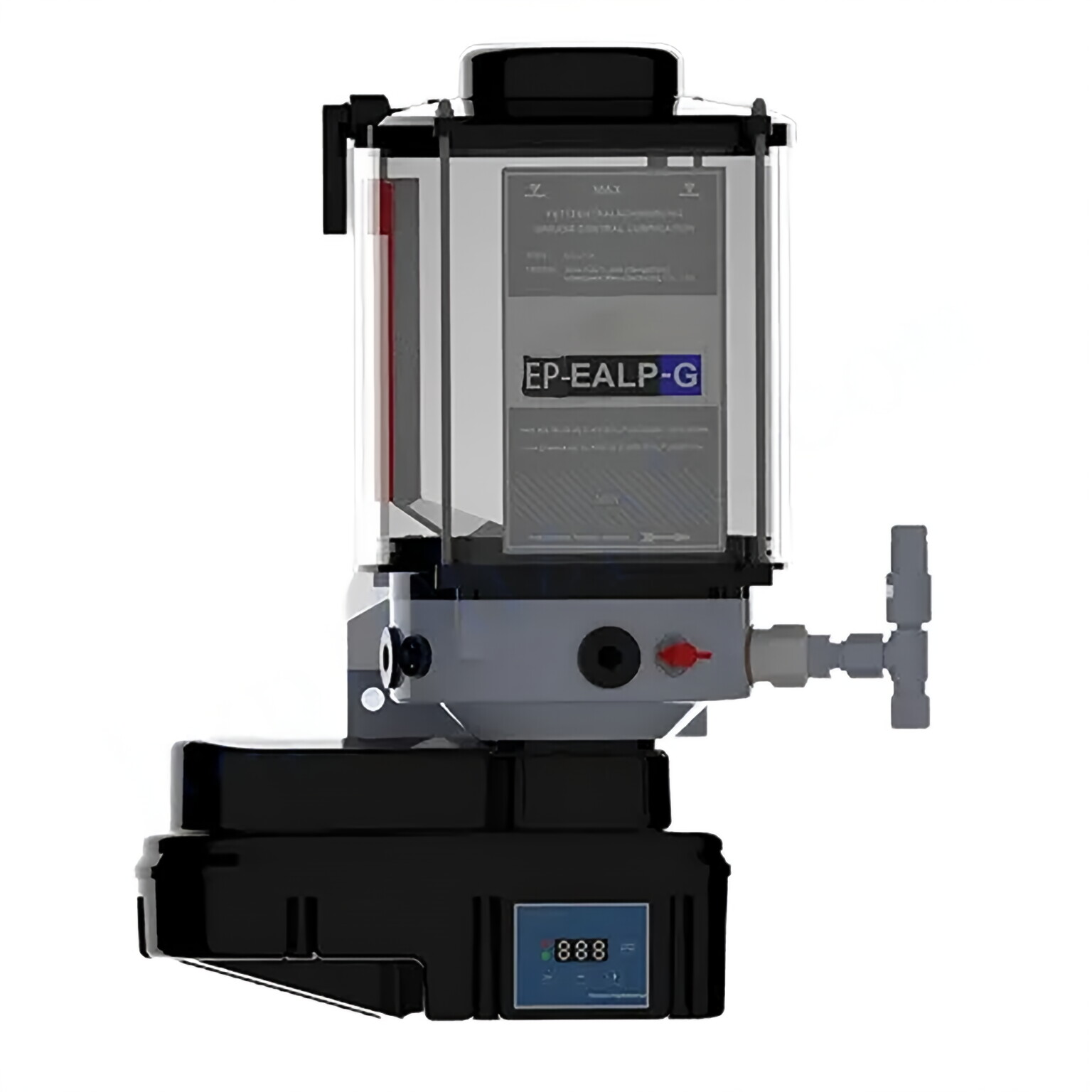
The internal mechanism relies on this oil seal to achieve and maintain the desired vacuum level. For procurement professionals, this means evaluating not just the pump itself, but the total cost of ownership, including oil changes, filtration, and potential downtime for maintenance. A reliable supplier like Raydafon Technology Group Co.,Limited understands these complexities and offers pumps designed for easier serviceability and longer intervals between maintenance.
| Core Component | Function | Impact on Performance |
|---|---|---|
| Rotary Vane Assembly | Creates the pumping action | Determines flow rate (CFM) and ultimate vacuum |
| Sealing Oil | Seals, lubricates, and cools | Critical for vacuum level stability and component lifespan |
| Exhaust Filter/Oil Mist Separator | Cleans exhaust and recovers oil | Reduces oil consumption and environmental emissions |
A common challenge in manufacturing is finding equipment that balances performance, reliability, and cost-effectiveness for high-duty-cycle applications. Oil-sealed vacuum pumps often provide this balance. Their primary advantage is the ability to achieve a good, stable vacuum level—typically in the range of 10-2 to 10-3 mbar—which is sufficient for a vast array of industrial processes like vacuum forming, degassing, and pick-and-place systems.
Furthermore, they are known for robust construction and tolerance to minor process fluctuations. The oil acts as a buffer, protecting internal components from wear caused by small amounts of particulate matter or condensable vapors. This durability translates to a longer service life when properly maintained. For procurement teams, this reliability means fewer unexpected failures and more predictable maintenance schedules. Partnering with an expert manufacturer such as Raydafon Technology Group Co.,Limited ensures access to pumps built with high-quality materials and engineering that maximize these inherent advantages.
| Advantage | Benefit for Procurement | Typical Application |
|---|---|---|
| Stable, Moderate Vacuum | Reliable process consistency | Packaging, Laminating |
| Robust & Tolerant Design | Lower sensitivity, reduced risk | General Manufacturing, Woodworking |
| Cost-Effective Initial Investment | Favorable capex for standard needs | Plastic Molding, Vacuum Lifting |
The flip side emerges in environments demanding ultra-clean vacuum or where oil contamination is a deal-breaker. A major disadvantage of oil-sealed pumps is the risk of oil backstreaming—where oil vapors can migrate into the vacuum chamber. This is unacceptable in sensitive applications like semiconductor manufacturing, optics coating, or advanced research laboratories.
Additionally, the ongoing maintenance creates operational overhead. The oil requires regular monitoring, changing, and proper disposal, which adds to the total cost and environmental footprint. Process vapors can also mix with the oil, degrading its properties and necessitating more frequent changes. This is where understanding the full lifecycle cost is vital. Companies like Raydafon Technology Group Co.,Limited address these concerns by offering advanced filtration options and pump designs that minimize oil carryover and extend oil life, directly tackling these common disadvantages for users who still require the performance profile of an oil-sealed system.
| Disadvantage | Operational Impact | Mitigation Strategy |
|---|---|---|
| Risk of Oil Contamination | Product spoilage, process contamination | Use of cold traps, exhaust filters, or alternative pump types |
| Regular Maintenance Required | Downtime, labor, and consumable costs | Scheduled maintenance plans, high-quality fluids |
| Oil Disposal & Environmental Concerns | Compliance costs and logistics | Oil reclamation systems, synthetic long-life oils |
So, what are the advantages and disadvantages of oil-sealed vacuum pumps? The answer dictates your procurement strategy. They offer a reliable, cost-effective solution for many industrial applications but require careful consideration of contamination risks and maintenance commitments. The key is to match the pump technology to the specific process requirements and cleanliness standards.
Q: What is the biggest advantage of an oil-sealed vacuum pump for general manufacturing?
A: The biggest advantage is its ability to deliver a stable, reliable vacuum at a moderate cost for high-duty-cycle applications. Its robust design tolerates typical plant conditions well, ensuring consistent performance in processes like packaging, lifting, and molding.
Q: When should I avoid using an oil-sealed pump?
A: Avoid them in applications where any hydrocarbon contamination is catastrophic. This includes cleanroom environments, semiconductor fabrication, food processing where direct contact is possible, and sensitive analytical equipment. For these, dry or oil-free pumps are mandatory.
We hope this detailed breakdown empowers your next procurement decision. Have specific questions about your application or need a comparative analysis for your production line? Our team is ready to help you find the optimal vacuum solution.
For over two decades, Raydafon Technology Group Co., Limited has been a trusted provider of industrial vacuum solutions, specializing in robust and efficient oil-sealed pumps. We understand the operational challenges faced by procurement professionals and design our products for reliability, ease of maintenance, and total cost-effectiveness. If you're evaluating vacuum pump options for your application, contact our experts at [email protected] for a tailored consultation.
O'Hanlon, J. F. (2003). A User's Guide to Vacuum Technology. John Wiley & Sons.
Harris, N. S. (2005). Modern Vacuum Practice. McGraw-Hill.
Haefer, R. A. (1989). Cryopumping: Theory and Practice. Oxford University Press.
Roth, A. (1990). Vacuum Technology. North-Holland.
Lafferty, J. M. (1998). Foundations of Vacuum Science and Technology. Wiley-Interscience.
Santeler, J. J., et al. (1989). Vacuum Technology and Space Simulation. NASA.
Hablanian, M. H. (1997). High-Vacuum Technology: A Practical Guide. Marcel Dekker.
Weston, G. F. (1985). Ultrahigh Vacuum Practice. Butterworths.
Redhead, P. A., Hobson, J. P., & Kornelsen, E. V. (1993). The Physical Basis of Ultrahigh Vacuum. American Institute of Physics.
Yoshimura, N. (2008). Vacuum Technology: Practice for Scientific Instruments. Springer.

 Raydafon