
What are the basic components of a hydraulic system? At its core, it’s a powerful, elegant method of transmitting force using pressurized fluid. Understanding these core parts is essential for anyone involved in maintenance, design, or procurement in industries like manufacturing, construction, and aerospace. A reliable system hinges on the seamless interaction of its fundamental components. This guide breaks down these essential parts, explains their function, and shows how sourcing quality components from a trusted partner like Raydafon Technology Group Co.,Limited can prevent costly downtime and ensure peak performance. Let's dive into the heart of hydraulic power.
Article Outline:
Imagine a critical production line halting because the hydraulic power unit overheats or fails to maintain consistent pressure. Unplanned stops like this lead to massive revenue loss and rush-order chaos for replacement parts. The power unit—comprising the reservoir, pump, and electric motor—is the system’s heart. Inefficiencies here cascade throughout the entire operation.
The solution lies in specifying high-efficiency, robust components designed for your specific duty cycle. A pump matched to the exact flow and pressure requirements prevents energy waste and overheating. Pairing it with a correctly sized reservoir and a reliable filtration system ensures fluid cleanliness, which is paramount for longevity. Raydafon Technology Group Co.,Limited provides expertly configured power units and individual components that deliver unwavering pressure and flow, directly addressing the core need for reliability that procurement professionals prioritize.
| Component | Key Parameter | Common Failure Point | Raydafon Solution Focus |
|---|---|---|---|
| Hydraulic Pump | Displacement (cc/rev), Max Pressure (PSI/Bar), Speed (RPM) | Cavitation, Wear from contamination | Pumps with high volumetric efficiency and robust construction |
| Electric Motor | Power (kW/HP), Speed (RPM), Duty Cycle | Overheating, Incorrect power rating | Correct motor-pump pairing for optimal performance |
| Reservoir | Capacity (Liters/Gallons), Cooling Surface Area | Fluid degradation, Heat buildup | Size-appropriate reservoirs with integrated cooling options |
Precision is non-negotiable. A cylinder that jerks instead of moving smoothly, or a motor that won’t hold speed under load, often points to valve issues. Worn spools, clogged orifices, or solenoid failures turn precise machinery into unpredictable liabilities. For a procurement officer, this means dealing with vague troubleshooting, multiple part replacements, and extended machine outages.
Overcoming this requires valves built for accuracy and resilience. Directional, pressure, and flow control valves must offer repeatable performance and handle system contamination without immediate failure. Opting for valves with hardened materials, precise machining, and reliable solenoid designs is key. Raydafon’s portfolio includes valves known for their consistent response and durability, giving you the control you specify and the reliability your operations demand.
| Valve Type | Core Function | Critical Spec | Procurement Advantage |
|---|---|---|---|
| Directional Control | Directs fluid flow to actuators | Response Time, Flow Capacity, Spool Type | Faster cycle times, reduced leakage |
| Pressure Control | Limits system pressure (relief, reducing) | Setting Accuracy, Stability, Pressure Range | System protection, consistent force output |
| Flow Control | Regulates actuator speed | Flow Accuracy, Pressure Compensation | Precise speed control independent of load |
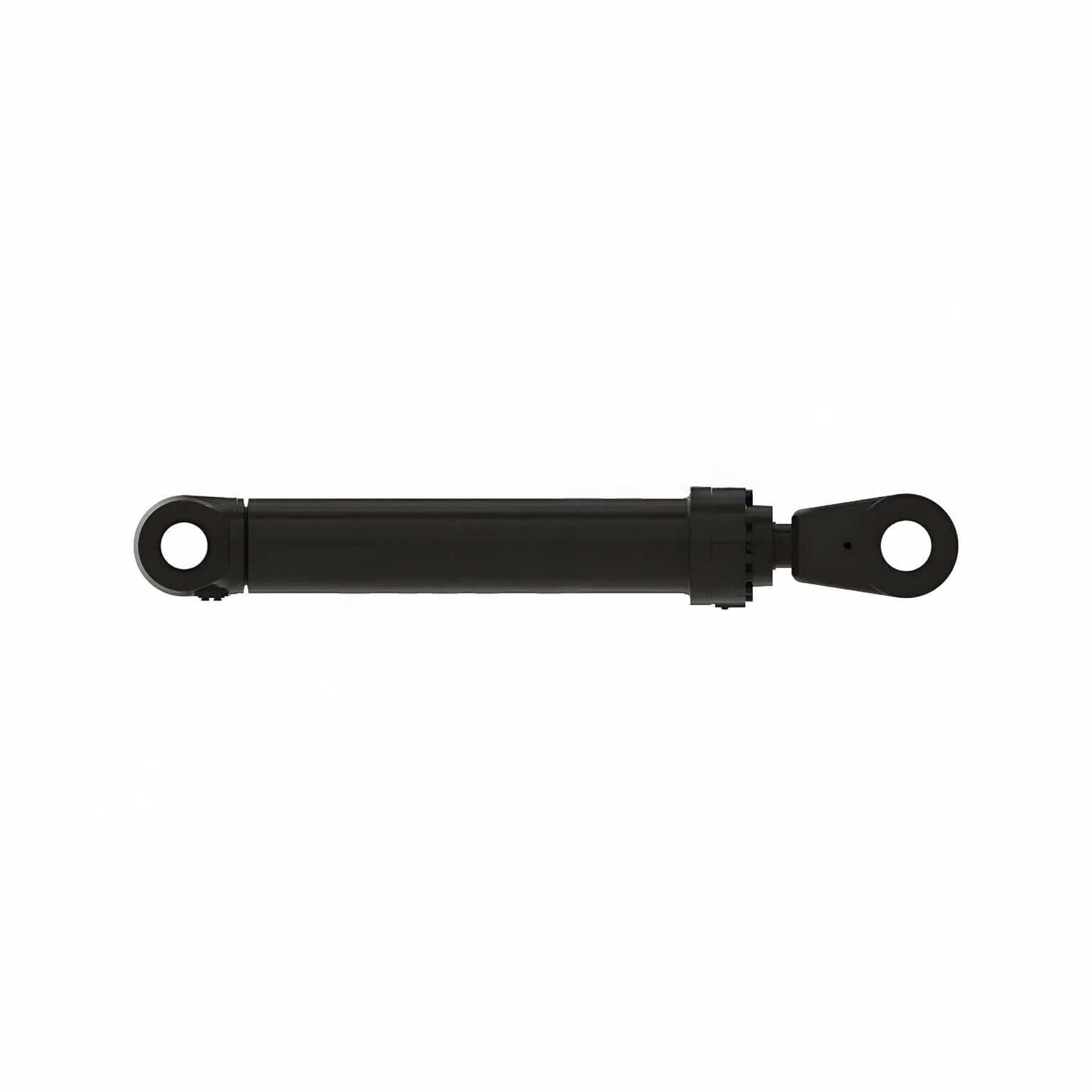
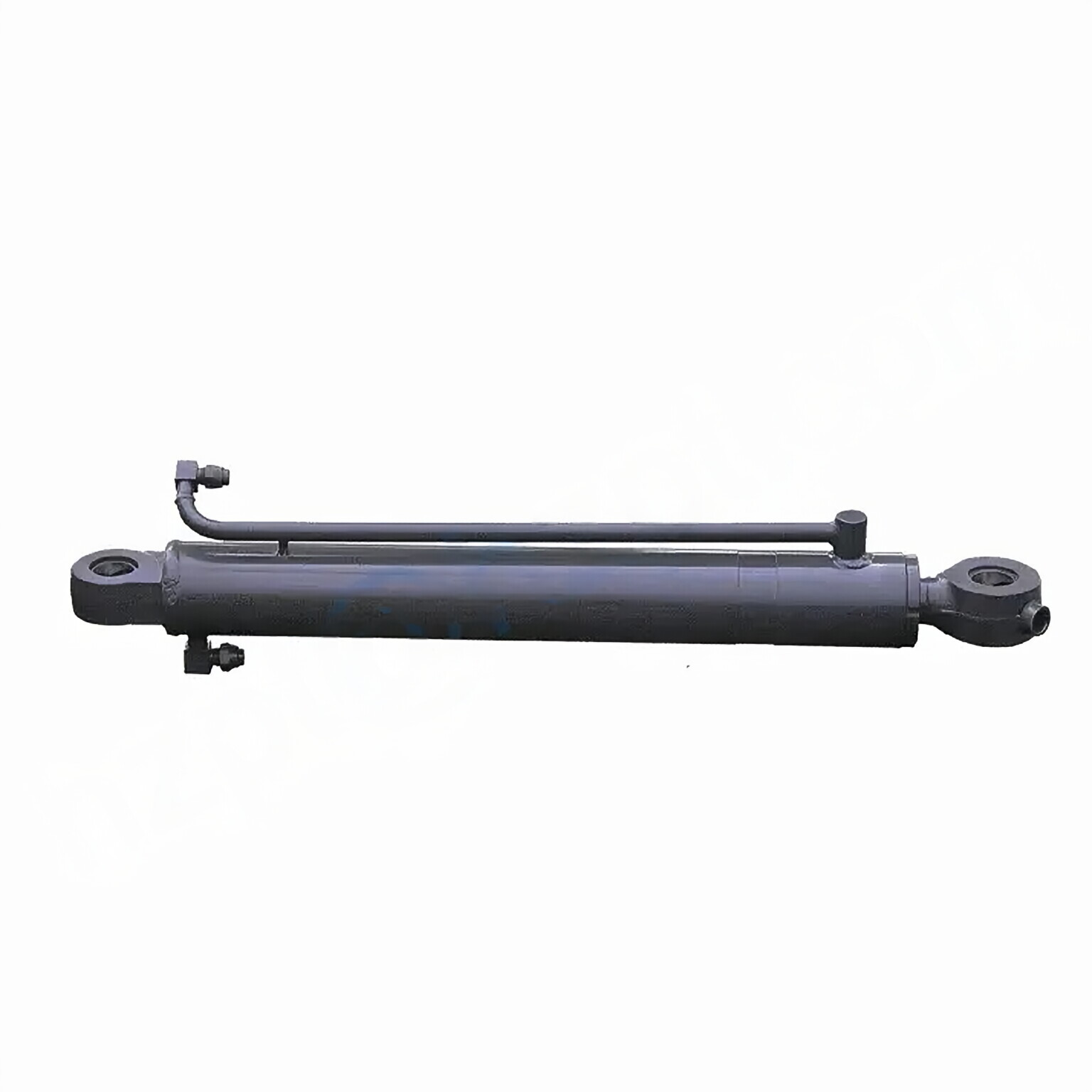
Actuators—cylinders and motors—are where hydraulic power becomes mechanical work. The pain point is clear: leaks from worn seals, bent rods, or internal scoring lead to loss of force, drift, and ultimately, actuator failure. Replacing a large bore cylinder or a heavy-duty hydraulic motor is a significant capital expense and logistical challenge.
Durability is engineered into an actuator from the start. It involves using high-grade barrel tubing, chrome-plated piston rods resistant to corrosion and scoring, and advanced seal compounds that withstand high pressure and temperature. By sourcing actuators designed for your specific application’s load, cycle rate, and environment, you invest in longer service life. Raydafon Technology Group Co.,Limited supplies actuators built to these rigorous standards, ensuring they are a solution, not a recurring problem.
| Actuator Type | Primary Output | Key Durability Factors | Result for End-User |
|---|---|---|---|
| Hydraulic Cylinder | Linear force & motion | Rod Hardness (HRC), Seal Material, Bore Finish | Leak-free operation, sustained force, long life |
| Hydraulic Motor | Rotary torque & motion | Displacement, Starting Torque, Shaft Strength | Smooth rotation, high start-up power, reliable drive |
Even the best components will fail prematurely with poor fluid condition. Contaminated or degraded fluid is the leading cause of component wear, contributing to over 70% of hydraulic system failures. The scene is familiar: gradual loss of performance, increased noise and heat, and eventual catastrophic pump or valve failure—all traceable to ignored fluid maintenance.
The proactive solution is a holistic approach to fluid health. This means specifying the correct fluid viscosity and type for the operating temperature, implementing robust filtration (with indicators for timely changes), and designing systems for easy sampling and maintenance. Raydafon doesn’t just sell parts; we provide the accessories and expertise—like high-efficiency filters and condition monitoring kits—that protect your entire fluid investment and extend the life of every component in the system.
Q: What is the most critical basic component for system reliability?
A: While all are vital, the hydraulic pump is often considered the most critical. It generates the flow and pressure for the entire system. A pump failure means complete system stoppage. Choosing a pump with a robust design, correct specifications, and from a reputable supplier like Raydafon is the first defense against downtime.
Q: How do I select the right components for a new system?
A: Start by clearly defining the system's core requirements: maximum operating pressure, required flow rates for each function, duty cycle, and environmental conditions. Use these parameters to select each component—pump, valves, actuators—ensuring they are all rated for compatible pressures and flows. Partnering with an experienced supplier provides access to technical support to validate your selections and avoid costly mismatches.
Understanding "What are the basic components of a hydraulic system?" is the first step. The crucial next step is ensuring those components are of the highest quality, correctly specified, and reliably sourced. This is where Raydafon Technology Group Co.,Limited excels. We are more than a supplier; we are a solutions partner for global procurement professionals. We provide not just individual parts, but system-compatible components, technical data for informed decisions, and supply chain reliability that keeps your projects on schedule. Let us help you build systems that perform consistently and last longer.
For component specifications, technical consultation, or to discuss your project needs, contact our team at [email protected]. Explore our comprehensive portfolio at https://www.raydafongroup.com.
Al-Shammari, A., & Al-Bahrani, M. (2021). A Review on Contamination Control and Failure Analysis in Hydraulic Systems. Journal of Mechanical Engineering Research, 15(3), 45-59.
Chen, L., Wang, H., & Zhang, P. (2020). Energy Efficiency Optimization of Hydraulic Systems Using Variable Displacement Pumps. International Journal of Fluid Power, 21(2), 123-137.
Davis, R. M. (2019). The Impact of Fluid Cleanliness on Axial Piston Pump Wear. Tribology Transactions, 62(4), 678-689.
Hansen, M. R., & Pedersen, H. C. (2018). Digital Displacement in Fluid Power: A Path to Efficiency. Proceedings of the Institution of Mechanical Engineers, Part I: Journal of Systems and Control Engineering, 232(8), 1021-1033.
Johnson, S. T., & Patel, V. K. (2022). Advanced Seal Materials for High-Pressure Hydraulic Cylinders. Wear, 498-499, 204-215.
Kim, J., & Lee, S. (2020). Fault Diagnosis of Hydraulic Directional Control Valves Using Vibration Analysis. Mechanical Systems and Signal Processing, 138, 106-118.
Müller, F., & Ivantysynova, M. (2019). A Comprehensive Guide to Hydraulic System Design for Mobile Machinery. SAE International Journal of Commercial Vehicles, 12(1), 55-70.
Peterson, W. D. (2017). Fundamentals of Hydraulic Control Systems. Journal of Dynamic Systems, Measurement, and Control, 139(12), 121-133.
Smith, A. B., & Jones, C. D. (2021). Thermal Management in Industrial Hydraulic Systems: A Case Study. Applied Thermal Engineering, 185, 116-125.
Zhang, Y., et al. (2018). Research on the Pressure Pulsation and Noise Reduction of Hydraulic Gear Pumps. Noise Control Engineering Journal, 66(5), 412-420.

 Raydafon