
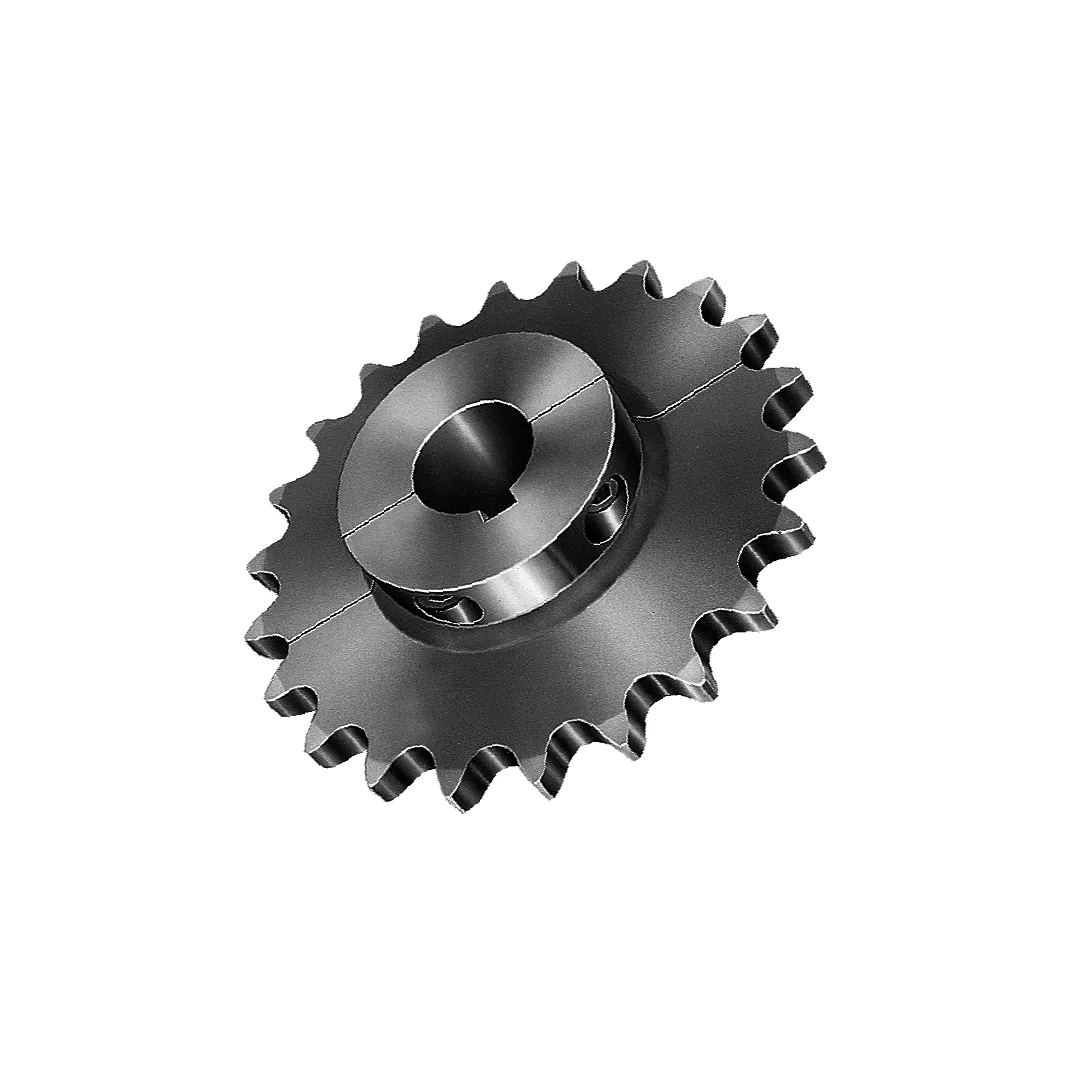
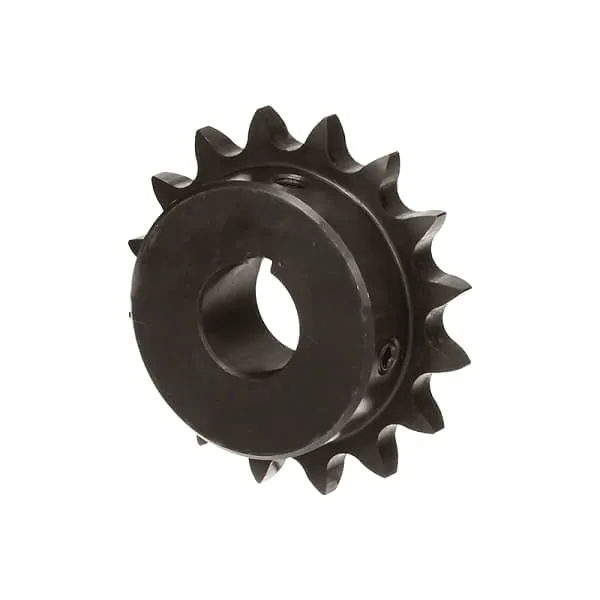
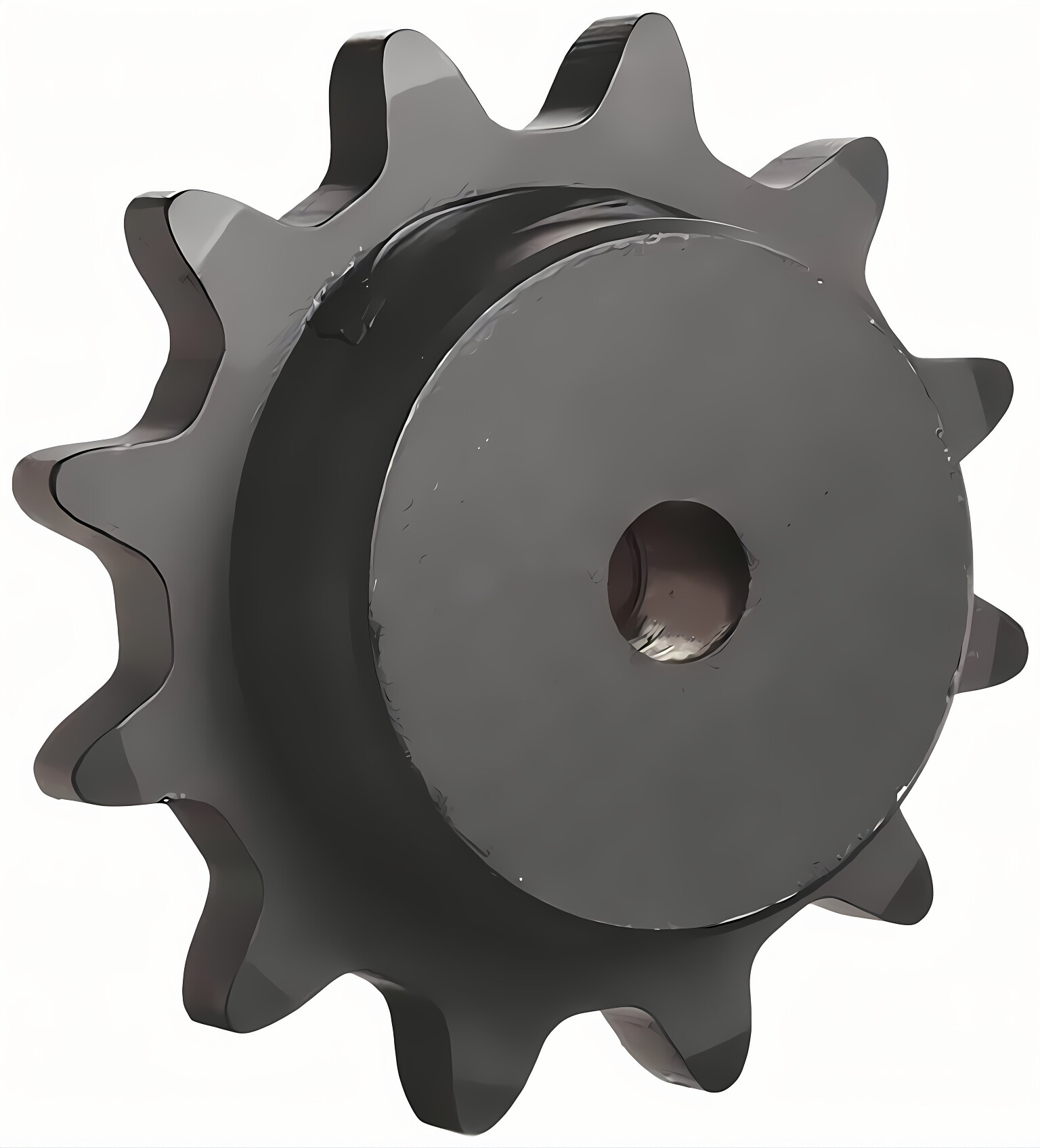
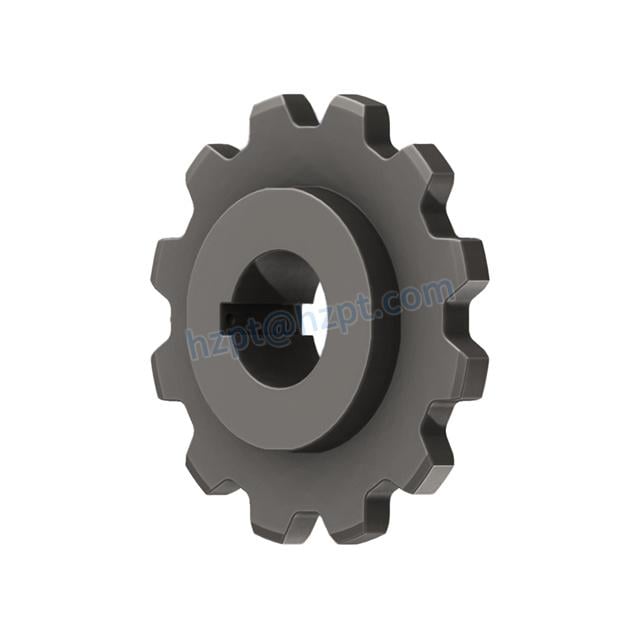
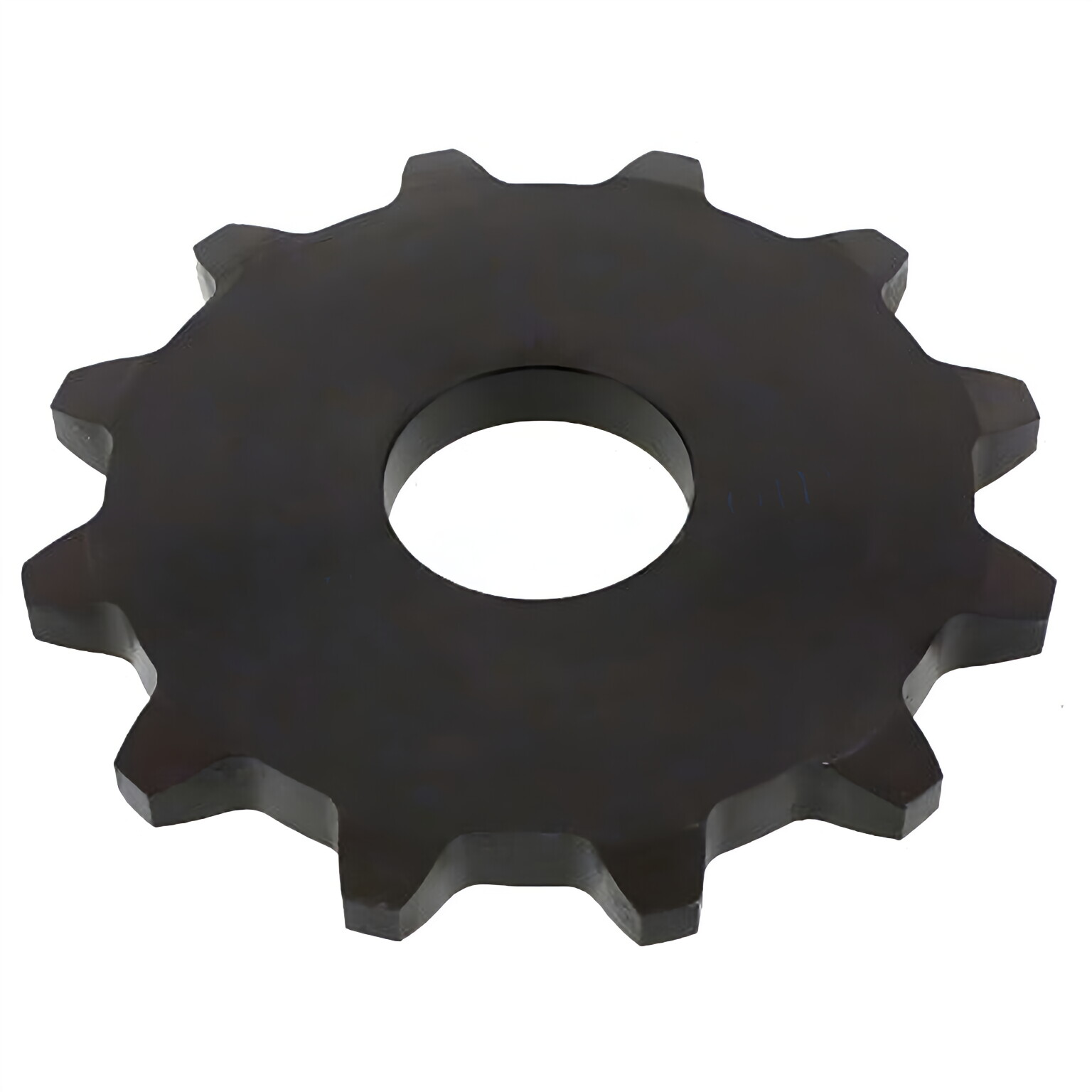
The Welded Steel Chain Sprockets from Raydafon Group represent a pinnacle of industrial power transmission engineering. Designed for demanding applications, these sprockets are the critical link in converting rotational force into reliable linear motion in countless heavy-duty systems. Unlike cast sprockets, our welded steel construction offers unmatched durability, precision, and customization potential, making them the preferred choice for industries where failure is not an option. Engineered from premium-grade steel plate, each sprocket is meticulously cut, formed, and welded to provide exceptional strength-to-weight ratios, superior resistance to shock loads, and extended service life even in the most abrasive or high-torque environments.
At Raydafon Group, we understand that optimal machinery performance depends on perfectly matched components. Our welded steel sprockets are manufactured to exacting standards, ensuring precise engagement with ANSI, ISO, or BS standard roller chains. This precision minimizes wear on both the sprocket and the chain, reducing maintenance downtime and total cost of ownership. Whether for mining conveyors, agricultural machinery, material handling systems, or large-scale industrial drives, Raydafon provides a robust solution built to last.
Raydafon welded steel sprockets are not merely products; they are engineered solutions. Our manufacturing process integrates advanced technology with rigorous quality control at every stage.
The following tables outline the standard specifications for Raydafon Group's Welded Steel Chain Sprockets. Custom dimensions beyond these ranges are actively encouraged.
| Parameter | Specification Standard | Typical Range / Tolerance | Notes |
|---|---|---|---|
| Chain Pitch | ANSI (ASA) / ISO / BS | ANSI 25 to ANSI 240 (0.25" to 3.0") ISO 06B to 48B | Manufactured to exact chain manufacturer specifications. |
| Number of Teeth | Custom & Standard | 6 to 120 teeth (standard), up to 200+ (custom) | Tooth form is hobbed or profile-cut for perfect chain engagement. |
| Bore Type | Finished Bore, Taper Lock, QD, Split Taper | Plain bore: 0.5" to 24"+ Taper Lock: 1008 to 5050 | Most common mounting styles supported. Keyways per ANSI B17.1. |
| Hub Configuration | Plain, Extended, Double Hub | Hub diameter and length designed for required torque and load. | Extended hubs provide greater support and load distribution. |
| Material Thickness | Based on Design | Rim & Disc: 0.5" to 3.0"+ depending on size and load. | Engineered to withstand specified tension and fatigue loads. |
| Hardness | Tooth Surface | 35-55 HRC (as specified) | Through-hardening or induction hardening available. |
| Runout Tolerance | Per AGMA or Custom | Radial & Axial Runout: Typically within 0.005" per foot of diameter. | Ensures smooth, vibration-free operation. |
| Model Reference (Example) | Pitch | No. of Teeth | Standard Bore Range | Approx. Weight (lbs) | Typical Application |
|---|---|---|---|---|---|
| RDW-ANS40-19T | ANSI 40 (0.5") | 19 | 0.75" - 1.5" | 8.5 | Conveyors, Light Ag Equipment |
| RDW-ANS80-60T | ANSI 80 (1.0") | 60 | 2.0" - 3.5" | 85 | Heavy-Duty Conveyors, Processing Lines |
| RDW-ANS120-72T | ANSI 120 (1.5") | 72 | 3.5" - 5.0" | 310 | Mining Machinery, Large Drag Chains |
| RDW-ISO32B-25T | ISO 32B (1.0") | 25 | 2.0" - 3.0" | 45 | Industrial Drives, Material Handling |
Q: What are the primary advantages of a welded steel sprocket over a cast iron sprocket?
A: Welded steel sprockets from Raydafon offer several key advantages. They are significantly stronger and more impact-resistant, making them ideal for high-shock or high-torque applications. The steel plate material has a finer, more consistent grain structure than cast iron, leading to better fatigue life. They are also lighter weight for the same strength level, reducing rotational inertia. Furthermore, welded construction allows for greater design flexibility and easier repair or modification of the hub or rim if needed, which is often not possible with cast sprockets.
Q: How does Raydafon ensure the quality and consistency of the welds in your sprockets?
A: Weld integrity is paramount. We use automated submerged arc welding (SAW) or gas-shielded flux-cored arc welding (FCAW) processes performed by certified welders. These methods produce deep, consistent, and clean penetration with minimal distortion. All critical welds are performed according to stringent welding procedure specifications (WPS) and are subject to non-destructive testing (NDT) protocols, such as magnetic particle inspection (MPI) or ultrasonic testing (UT), based on the application requirements. Each weld is visually inspected to ensure it meets our high-quality standards.
Q: Can you manufacture sprockets to a specific chain brand or a non-standard pitch?
A: Absolutely. One of Raydafon Group's core competencies is custom engineering. While we manufacture to all standard ANSI, ISO, and BS dimensions, we regularly produce sprockets to match exact chain specifications from major manufacturers like Diamond, U.S. Tsubaki, Renold, or Regina. We can also engineer sprockets for non-standard or engineered class chains. Providing us with a sample chain, drawings, or detailed specifications ensures a perfect match for your system.
Q: What information do I need to provide to get a quote for a custom welded steel sprocket?
A: To provide an accurate and timely quote, please provide the following: 1) Detailed drawings or CAD files (if available). 2) Critical dimensions: Chain Pitch, Number of Teeth, Tooth Profile (or chain manufacturer part#), Bore Diameter and Keyway/Taper Lock details, Hub Dimensions (OD, length), Overall Width, and any special features (flanges, bolt holes, etc.). 3) Application details: torque, speed, type of load (shock, uniform), and operating environment (abrasive, corrosive). 4) Material and hardness requirements. Our engineering team is also ready to assist in design optimization.
Q: Do you offer heat treatment on all your sprockets, and what are the options?
A> Heat treatment is offered based on application needs. For standard sprockets in moderate service, we often use normalized steel for good all-around properties. For high-wear applications, we recommend and provide through-hardening (quench and temper) of the entire sprocket or localized induction hardening of the tooth flanks and root. Induction hardening allows us to create a very hard, wear-resistant surface (up to 55-60 HRC) on the teeth while keeping the core and hub tough and ductile. We will recommend the best treatment based on your operational parameters.
Q: What is the typical lead time for standard versus custom welded steel sprockets?
A: Lead times vary. For standard, catalog-type sprockets from our RDW series, we often have shorter lead times or may even have common sizes in stock. For fully custom-designed and manufactured sprockets, the lead time depends on complexity, size, and current production schedule. Generally, custom sprockets can be delivered within 4 to 8 weeks from order approval. Raydafon Group maintains efficient production workflows and transparent communication to provide reliable delivery estimates for all projects, including urgent requests.
Q: How do I properly maintain and inspect a Raydafon welded steel sprocket to maximize its lifespan?
A> Proper maintenance is crucial. Regularly inspect the sprocket teeth for signs of wear, such as hooking (a curved wear pattern on the tooth face), thinning, or cracks, especially at the root. Check for any loose components on the hub or mounting. Ensure the sprocket remains properly aligned with other sprockets in the drive system; misalignment is a leading cause of premature wear. Always use a high-quality chain with correct tension and lubrication suitable for the environment. Keeping the sprocket and chain clean from abrasive contaminants will dramatically extend service life. Raydafon can provide specific maintenance guidelines for your application.

 Raydafon