
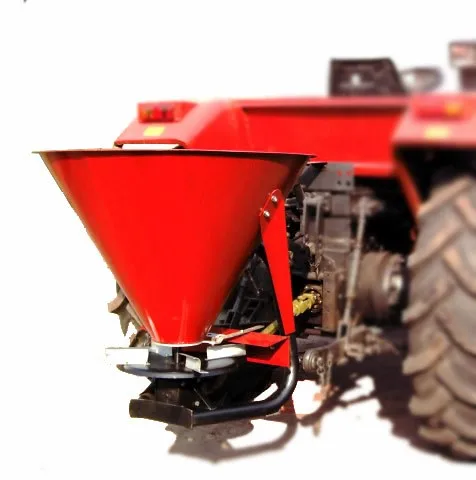
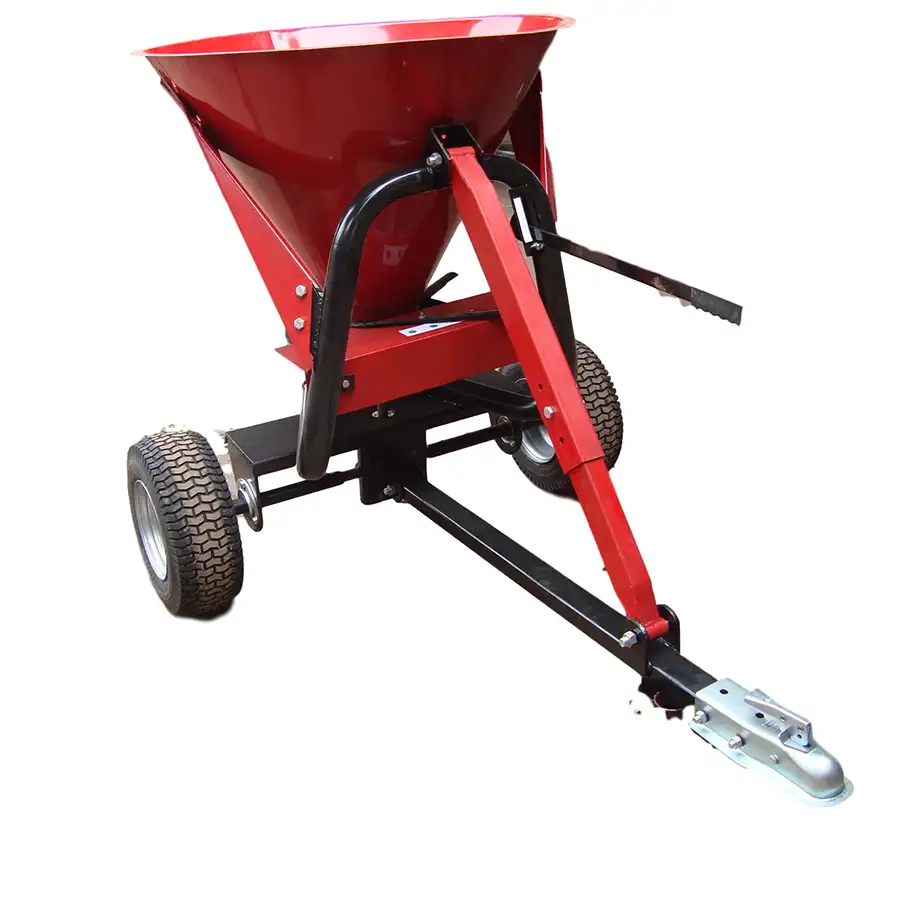
Choosing the right equipment for efficient and precise nutrient application is a cornerstone of modern agricultural success. A high-performance Fertilizer Spreader is not just a tool; it's an investment in crop uniformity, yield potential, and resource management. At Raydafon Group, we engineer spreaders that meet the rigorous demands of today's farming operations, blending durability, precision, and user-centric design. This guide delves into the critical specifications, features, and considerations that define a superior spreader, helping you make an informed decision for your land.
The effectiveness of a fertilizer spreader hinges on its core components. Understanding these specifications is key to selecting a model that matches your field size, crop type, and material characteristics.
The hopper is the workhorse of the spreader. Capacity directly influences operational efficiency by reducing refill stops.
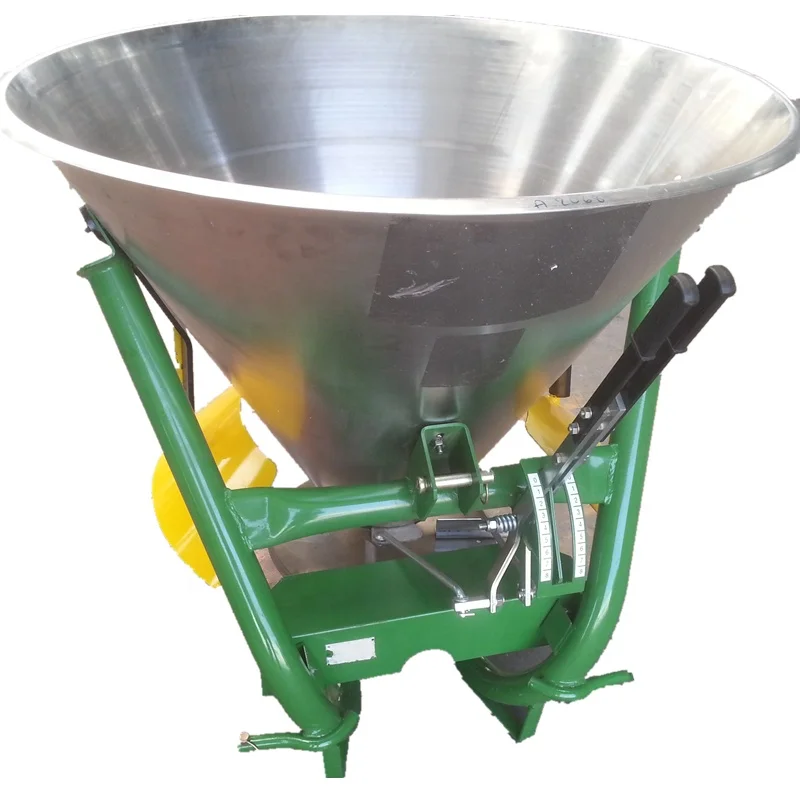
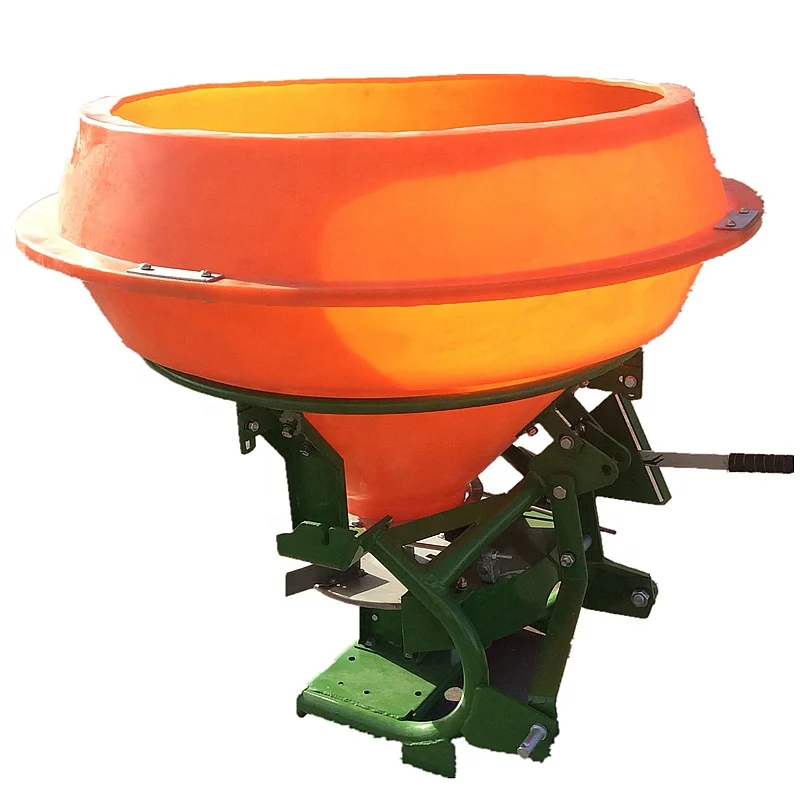
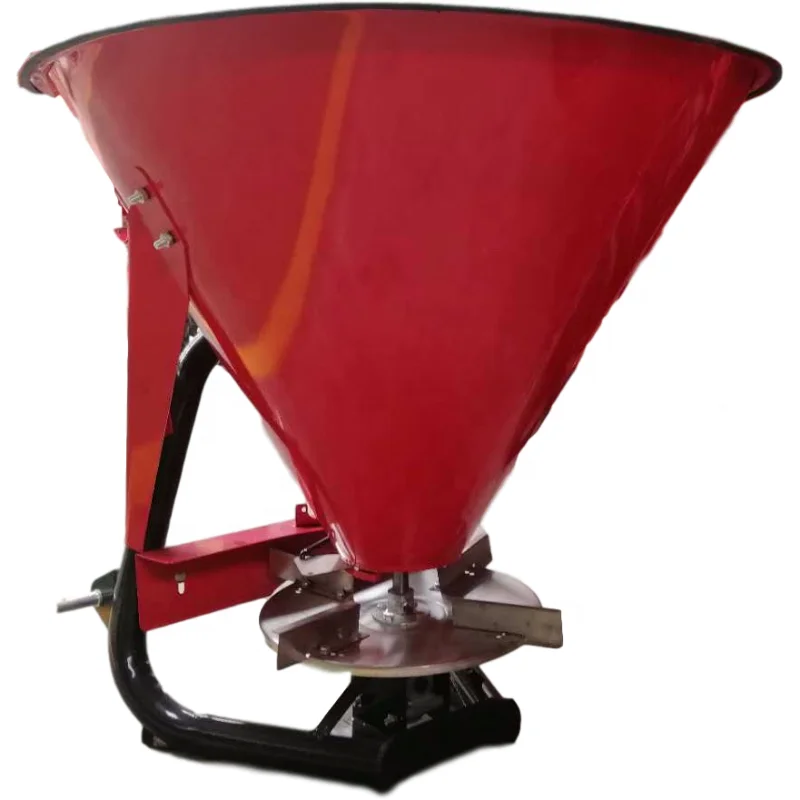
This system dictates the pattern, width, and consistency of application. Two primary types dominate the market:
Raydafon Group's precision spreaders often incorporate advanced pendulum technology with variable-speed control for unmatched accuracy. Key control parameters include:
| Control Parameter | Description | Typical Range (Raydafon Models) |
|---|---|---|
| Application Rate | The amount of material spread per unit area (e.g., lbs/acre). | Electronically controlled, variable from 10 to 2,000 lbs/acre. |
| Spread Width (Swath) | The effective width of the distribution pattern. | Broadcast: 20 ft to 80 ft. Pendulum: 10 ft to 50 ft (with high edge precision). |
| Gate Opening | Adjusts the flow of material from the hopper to the spreader mechanism. | Manual crank or hydraulic control, with precise incremental settings. |
| Drive System | Powers the spreading mechanism (disc or pendulum). | Ground-driven (wheel-powered) or independent hydraulic/Electric motor drive. |
Durability in the field is non-negotiable. The chassis must withstand heavy loads and rough terrain.
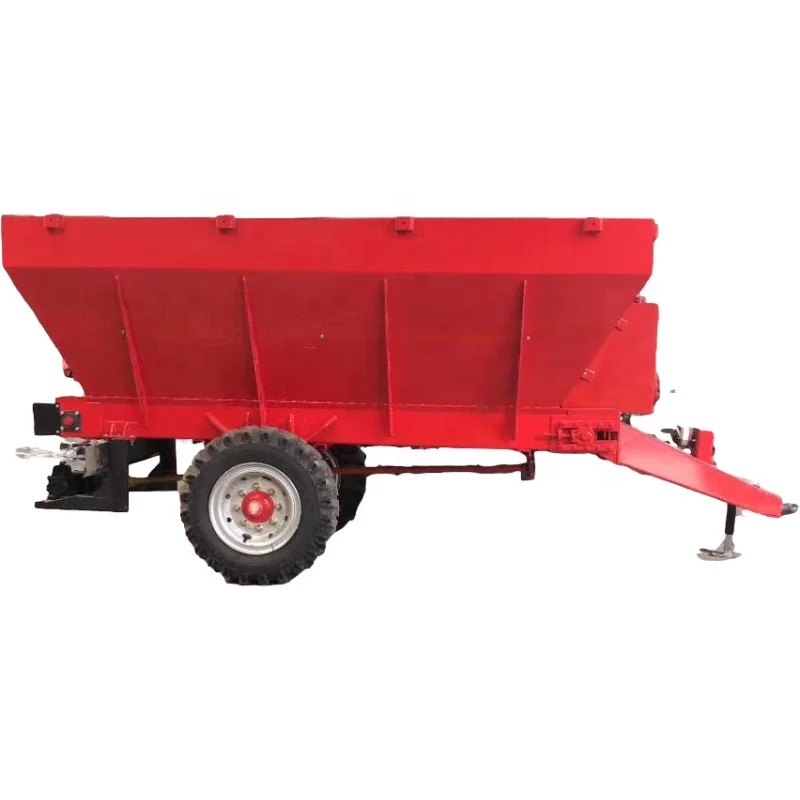
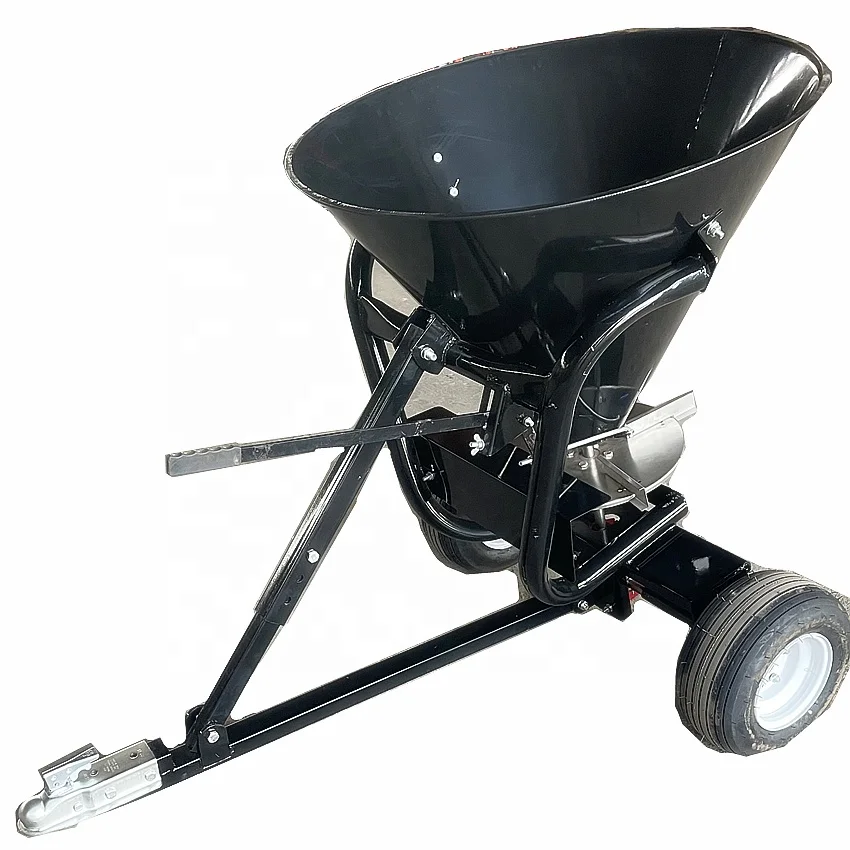
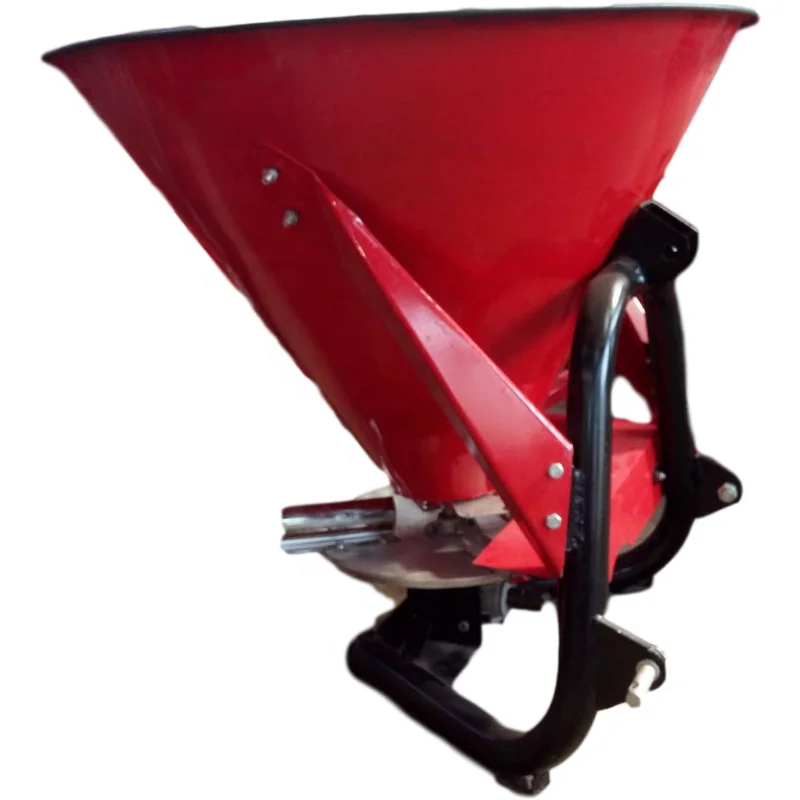
The following table provides a comparative overview of key Raydafon Group fertilizer spreader models across different classes.
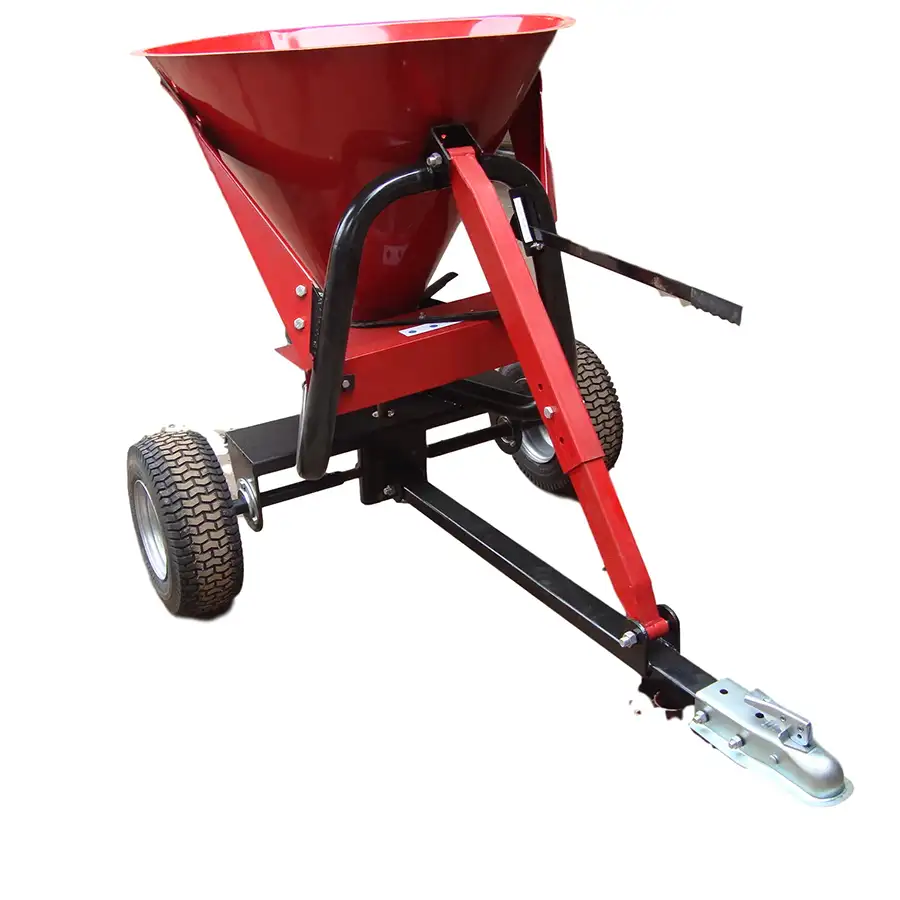
| Model Series | RD-Compact 500 | RD-ProWalk 200 | RD-AgriMax 3000 (3-Pt) | RD-AgriMax 8000 (Pull-Type) |
|---|---|---|---|---|
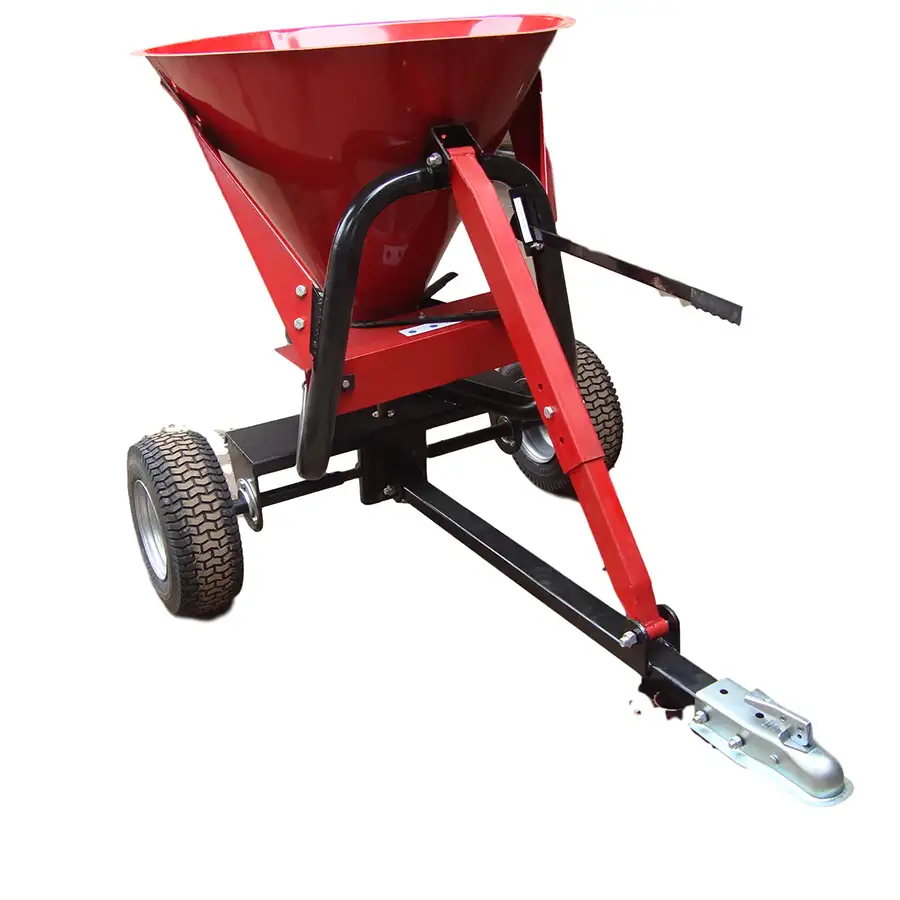
| Primary Use | Small fields, pastures, ATV use | Lawns, sports fields, small acreage | Mid-size farms, precise row-crop application | Large-scale farming, high-volume spreading |
| Hopper Capacity | 500 lbs (227 kg) | 150 lbs (68 kg) | 3,000 lbs (1,361 kg) | 8,000 lbs (3,629 kg) |
| Spreading Mechanism | Single Spinning Disc | Dual Spinning Discs | Precision Pendulum with Auto-Control | Dual Hydraulic Spinning Discs |
| Max Swath Width | 30 ft (9 m) | 20 ft (6 m) | 50 ft (15 m) | 80 ft (24 m) |
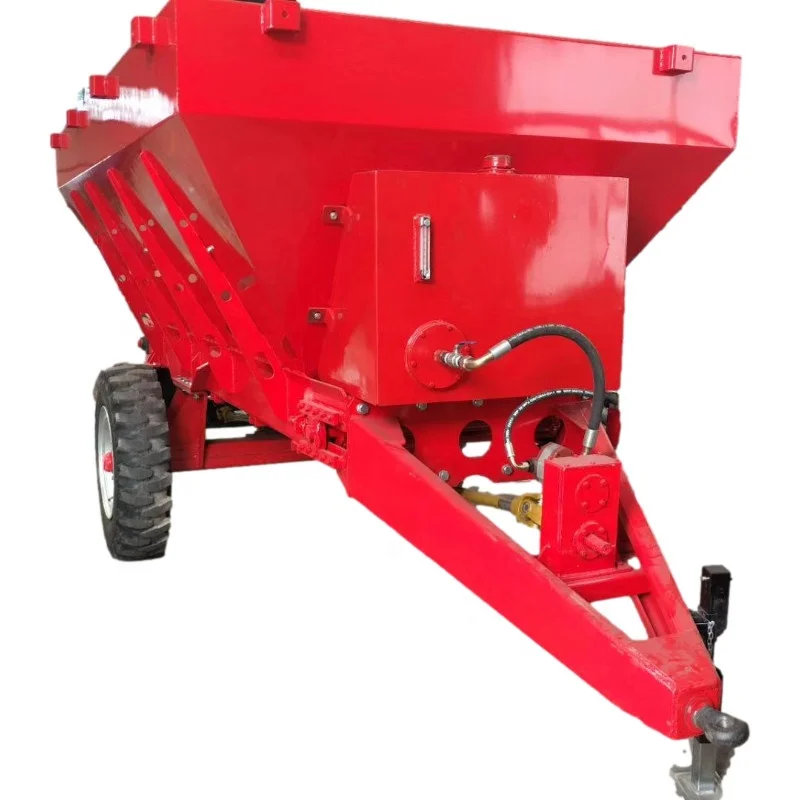
| Application Rate Control | Manual Gate & Speed | Calibrated Dial | In-cab Electronic Console with GPS Interface | Fully Hydraulic with ISOBUS Compatibility |
| Drive System | Ground-Driven | Battery-Powered Motor | Independent Hydraulic Motor | Independent Hydraulic Motors (per disc) |
| Frame Construction | Powder-Coated Steel Tube | Polymer Composite | High-Tensile Steel, Corrosion-Treated | Industrial-Grade Steel, Reinforced |
| Key Feature | ATV Quick-Hitch Compatible | Ergonomic Push Handle, Easy-Fill | Section Control, Variable Rate Ready | Dual Auger System, High-Float Tires |
What is the main difference between a broadcast spreader and a drop spreader?
A broadcast (or rotary) spreader uses a spinning mechanism to fling fertilizer in a wide, semi-circular pattern. It's efficient for covering large areas quickly but requires more care to avoid spreading onto non-target areas. A drop spreader releases fertilizer directly downward between its wheels, offering precise, row-like application with clear boundaries, making it ideal for gardens, along fences, or near water bodies. Raydafon Group's pendulum spreaders offer a third, highly accurate alternative, combining wide coverage with excellent pattern control.
How do I calibrate my fertilizer spreader for an accurate application rate?
Calibration is crucial for resource efficiency and crop health. First, determine the desired application rate in pounds per acre. Using a tarp or a known area (like a 100x100 ft section), fill the spreader with a weighed amount of material. Spread over the test area at your normal operating speed and gear. Collect and weigh any material left on the tarp or remaining in the hopper. The difference is the amount spread. Use this data with the area covered to calculate your actual rate. Adjust the gate setting or console control accordingly. Raydafon Group provides detailed, model-specific calibration guides and apps to simplify this process.
Can I use the same spreader for different types of materials, like lime, seed, and fertilizer?
Many spreaders are versatile, but compatibility depends on the material's density, granule size, and flow characteristics. Lime is often denser and more abrasive than granular fertilizer, requiring a spreader with a stronger drive system and corrosion-resistant components. Grass seed is much lighter and may require specific settings or accessories to prevent wind drift. Always consult your spreader's manual. Raydafon Group designs its models, particularly the RD-AgriMax series, to handle a wide range of dry bulk materials, from prilled urea to pelletized lime, with simple adjustments.
What maintenance does a fertilizer spreader require?
Regular maintenance ensures longevity and consistent performance. After each use, thoroughly empty and clean the hopper, auger, and spreading mechanism to prevent corrosion and material caking. Wash with water and allow to dry completely. Periodically check and lubricate all moving parts, such as wheel bearings, drive chains, and pivot points on the pendulum. Inspect the frame for cracks or rust, and check tire pressure. For hydraulic models, monitor fluid levels and hose integrity. Raydafon Group spreaders are designed for easy access to key components to streamline maintenance.
Is a ground-driven or a hydraulically-driven spreader better for my operation?
A ground-driven spreader's mechanism is powered by the rotation of its wheels, making application rate directly tied to ground speed. It's a simple, cost-effective system suitable for consistent speeds on level ground. A hydraulically-driven (or independent motor-driven) spreader's mechanism is powered separately, allowing you to maintain a constant application rate regardless of changes in ground speed or when turning. This is essential for precision agriculture, variable rate technology (VRT), and uneven terrain. For large-scale, precision-focused farming, the independent control of a Raydafon Group hydraulic spreader is typically the superior choice.
How important is spread pattern uniformity, and how can I test it?
Extremely important. Uneven application leads to striping, nutrient deficiency in some areas, and over-application in others, harming both yield and profitability. To test pattern uniformity, perform a "pan test." Place a series of shallow trays or containers in a line perpendicular to your travel direction. Operate the spreader over them. Weigh the material collected in each tray and graph the results. An ideal pattern shows a consistent, even distribution across the swath width. Raydafon Group's precision pendulum spreaders are factory-tested and tuned to deliver exceptionally uniform patterns, which can be further validated with this method.
What features should I look for to enable precision agriculture practices?
To integrate with precision ag systems, look for spreaders with electronic rate controllers that can receive variable rate prescriptions from a field computer. ISOBUS compatibility allows seamless communication with your tractor's system. Section control (automatic on/off for individual booms or sections) prevents over-application on headlands and overlaps. GPS speed tracking ensures rate accuracy despite speed changes. Raydafon Group's advanced models are built as precision agriculture platforms, offering these features to maximize input efficiency and support data-driven decision-making.

 Raydafon