
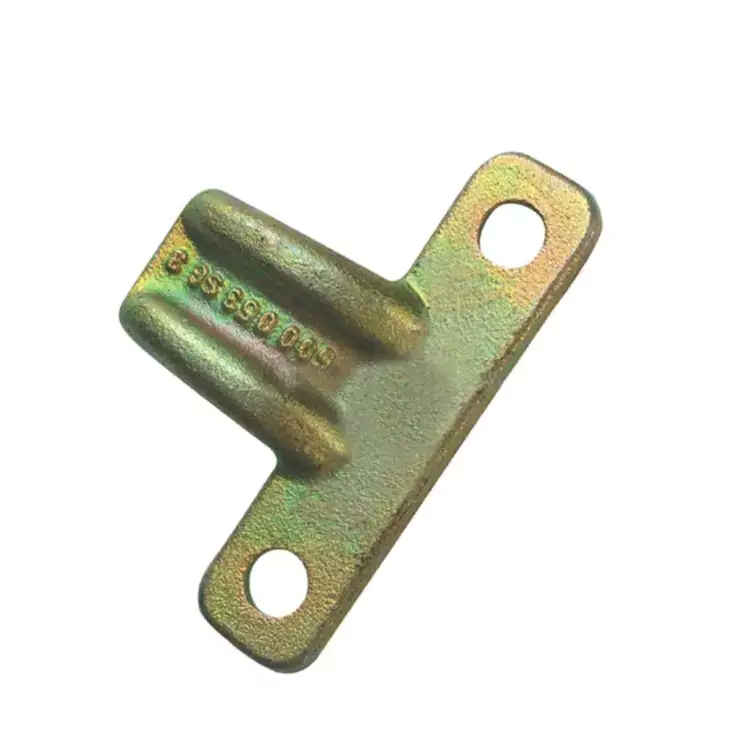
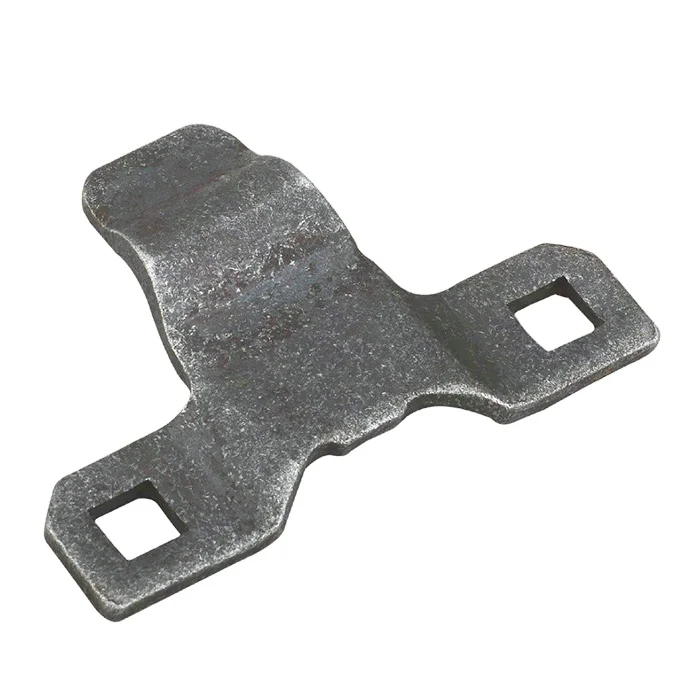
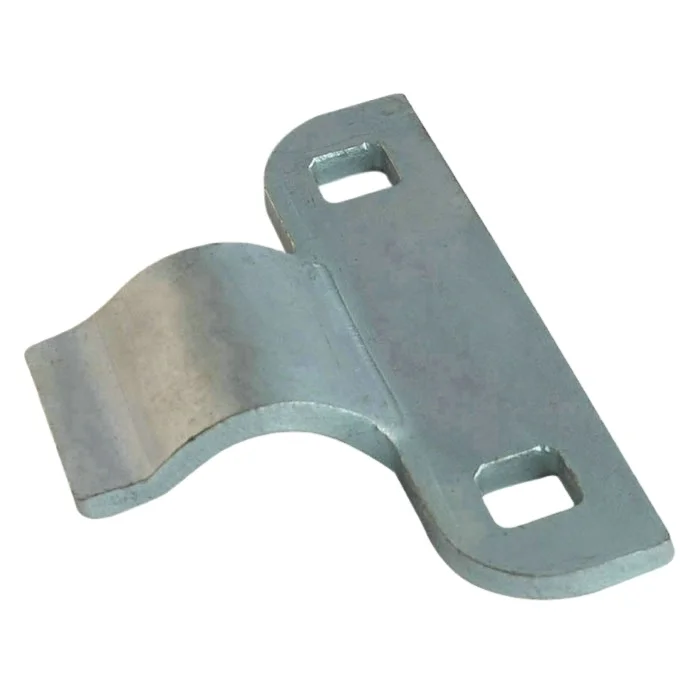
In the world of construction, fabrication, and industrial assembly, ensuring stability and safety is paramount. A component failure can lead to costly downtime, safety hazards, and project delays. This is where the humble yet critical hold down clip proves its immense value. At Raydafon Group, we have engineered a range of high-performance hold down clips designed to meet the rigorous demands of modern industry. This comprehensive guide will delve into what hold down clips are, their key applications, the superior specifications of our products, and answer your most common questions.
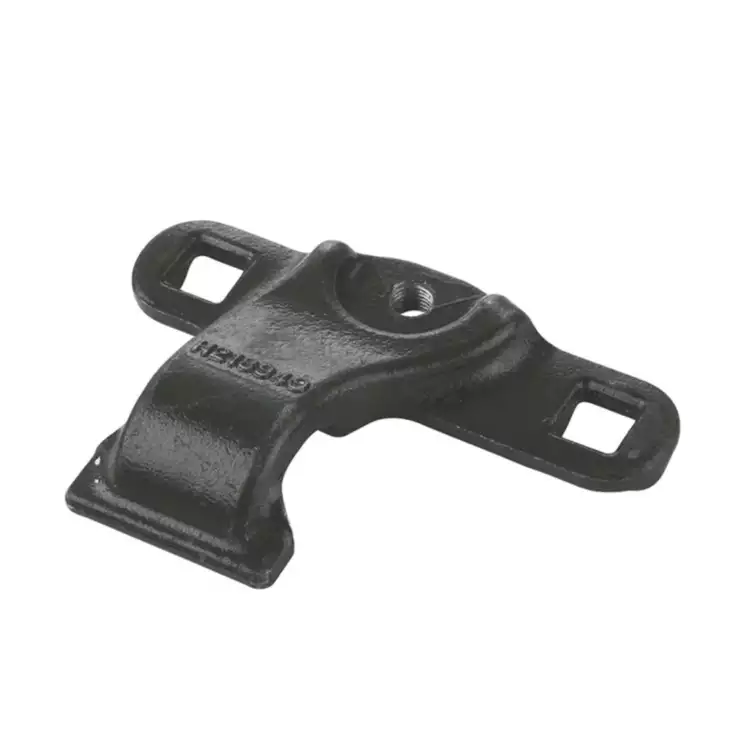
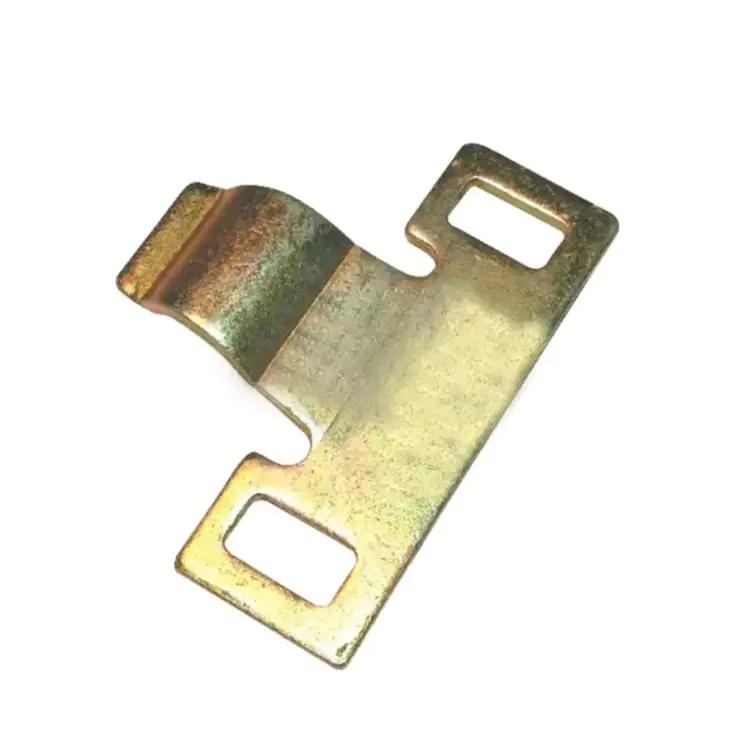
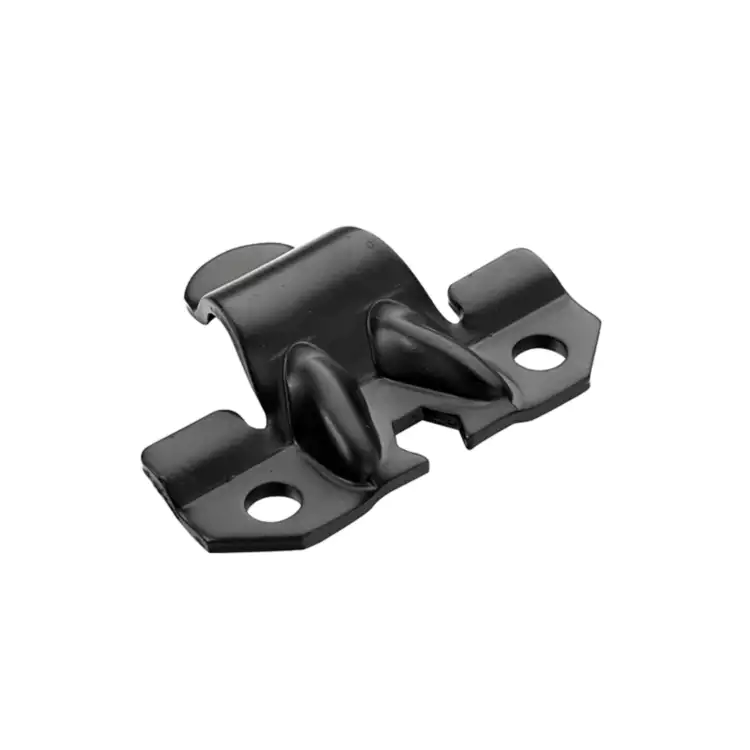
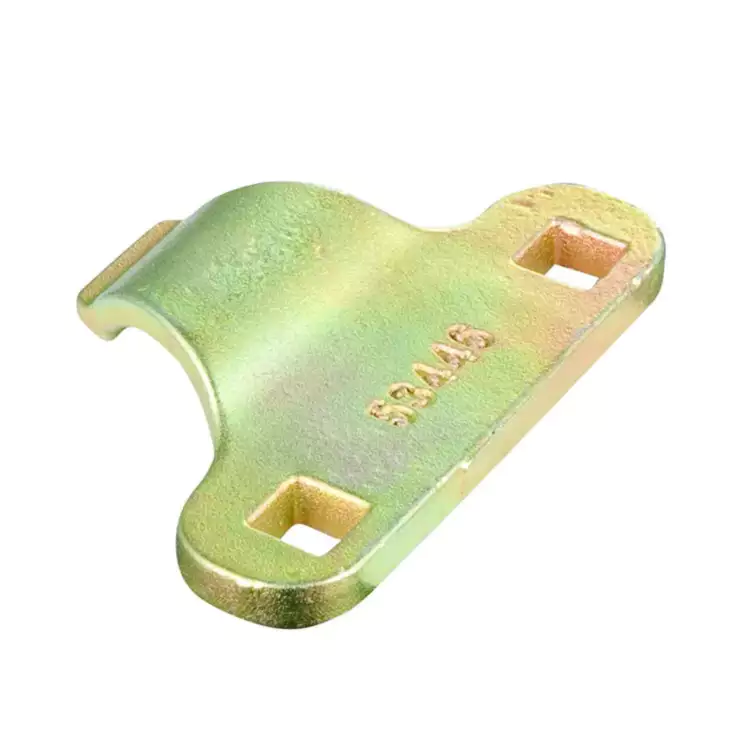
A hold down clip is a specialized fastener used to securely anchor or clamp materials, components, or assemblies to a base structure. It applies consistent downward pressure, preventing movement, vibration, or lifting caused by operational forces, thermal expansion, or environmental factors. Unlike standard bolts or screws, hold down clips are often designed for quick installation, adjustment, and removal while providing a robust and reliable hold.
The versatility of the hold down clip makes it indispensable across numerous sectors:
Raydafon Group's hold down clips are manufactured from premium materials under strict quality controls. We focus on precision, durability, and ease of use. Our product line caters to various load capacities and environmental conditions.
Our standard series offers the following features. Custom configurations are available upon inquiry.
| Parameter | Specification / Description | Standard Value / Option |
|---|---|---|
| Material | Primary construction material for corrosion resistance and strength. | Stainless Steel (Grade 304/316), Galvanized Steel, Powder-Coated Carbon Steel |
| Finish | Surface treatment for enhanced protection and appearance. | Zinc Plated, Hot-Dip Galvanized, Dichromate Passivation, Painted |
| Load Capacity (Static) | Maximum downward force the clip can withstand without permanent deformation. | Range: 150 lbs to 2,200 lbs (680 N to 10,000 N) per clip |
| Temperature Range | Operational temperature limits without loss of mechanical properties. | -40°F to +500°F (-40°C to +260°C) for standard stainless steel variants |
| Clip Height / Throat Depth | Available dimensions to accommodate different material thicknesses. | 0.25" to 2.0" (6 mm to 50 mm) |
| Bolt Size Compatibility | Standard nut and bolt sizes for attachment. | #8, 1/4", 5/16", 3/8", 1/2" UNC/UNF or metric equivalents (M6, M8, M10, M12) |
| Installation Torque | Recommended tightening torque for optimal performance. | 10 ft-lbs to 85 ft-lbs (13.5 Nm to 115 Nm) depending on size and material |
| Standards Compliance | Industry and international standards met. | ASTM, SAE, ISO 9001:2015 Quality Management |
Q: How do I select the right hold down clip for my application?
A: Consider four primary factors: 1) Load Requirement: Calculate the total downward force and shear force the clip must resist, including safety factors (typically 1.5 to 2.0). 2) Material Thickness: Ensure the clip's throat depth is slightly greater than the combined thickness of the materials being clamped. 3) Environmental Conditions: Choose the material and finish based on exposure to moisture, chemicals, or extreme temperatures. Stainless steel 316 is ideal for highly corrosive settings. 4) Attachment Method: Verify compatibility with your existing bolt sizes and access for tools. Raydafon Group's technical support team can assist with selection.
Q: Can Raydafon Group hold down clips be used in seismic or high-wind zones?
A: Yes, many of our clips are suitable for such dynamic load applications. However, it is crucial to use clips specifically rated and tested for cyclic loads. We offer engineered solutions designed to meet building codes for seismic zones and wind uplift regions. Please provide your specific project requirements, and we will recommend a product certified for the necessary performance criteria, including relevant test reports from independent laboratories.
Q: What is the installation process for a typical hold down clip?
A: Installation is generally straightforward: 1) Positioning: Place the clip over the material to be secured and align it with the pre-drilled hole in the base structure. 2) Insertion: Pass the designated bolt through the clip's hole and the base structure. 3) Fastening: Hand-tighten a washer and nut onto the bolt from the opposite side. 4) Torquing: Using a calibrated torque wrench, tighten the nut to the recommended value provided in our specifications. Avoid over-torquing, which can strip threads or deform the clip. Always refer to the specific installation guide for the product.
Q: Are these clips reusable?
A: Our hold down clips are designed for durability and can typically be reused multiple times, provided they have not been subjected to loads exceeding their rated capacity, which could cause deformation. Inspect the clip before reuse for any signs of cracking, significant wear, or distortion. The bolt, nut, and washer may need replacement more frequently. For critical applications, we advise using new fasteners for each installation.
Q: Does Raydafon Group offer custom-designed hold down clips?
A: Absolutely. While our standard catalog covers a broad spectrum of needs, we understand that some projects require unique solutions. Our engineering team can work with you to design and manufacture custom hold down clips with specific dimensions, load ratings, materials, or finishes. We utilize advanced CAD and FEM analysis to prototype and test custom designs, ensuring they meet your exact performance specifications before full-scale production.
Q: How do I ensure compliance with industry standards when using your products?
A: Raydafon Group manufactures its products in compliance with internationally recognized standards. Each product batch is subject to quality checks. For your project documentation, we can provide Material Certificates (e.g., Mill Test Certificates for steel), compliance statements, and, where applicable, test reports. It is the installer's responsibility to ensure the entire assembly, including the base structure and bolts, meets the relevant local building codes and engineering specifications.
To maximize the performance and lifespan of your hold down clips, follow these guidelines:

 Raydafon