
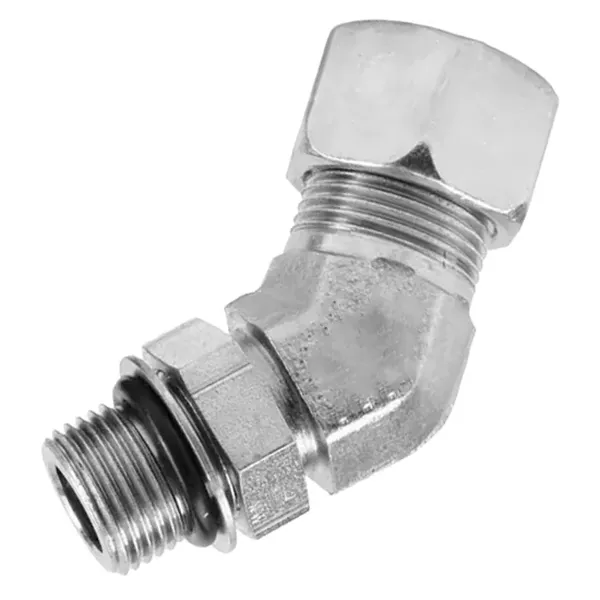
In the demanding world of hydraulic systems, every connection is a potential point of failure. The integrity, efficiency, and safety of entire operations—from heavy construction and agriculture to manufacturing and marine applications—hinge on the quality of the components that join hoses, tubes, and pipes. At the core of this critical network lie Hydraulic Fittings. These are not mere connectors; they are precision-engineered components designed to contain high pressure, prevent leaks, and ensure the seamless transfer of hydraulic fluid. For over two decades, Raydafon Group has stood at the forefront of this vital industry, combining deep engineering expertise with stringent manufacturing standards to produce fittings that professionals trust.
Raydafon Group's philosophy is built on a simple premise: reliability cannot be compromised. Our hydraulic fittings are crafted from superior materials, undergo rigorous testing, and are designed to meet and exceed international standards. Whether you are assembling a new system or maintaining an existing one, understanding the specifications, types, and proper application of these fittings is paramount. This guide provides a detailed overview of the key parameters and considerations, positioning Raydafon as your partner in building uncompromised fluid power solutions.
Selecting the correct hydraulic fitting requires careful attention to several technical parameters. A mismatch in even one specification can lead to system failure.
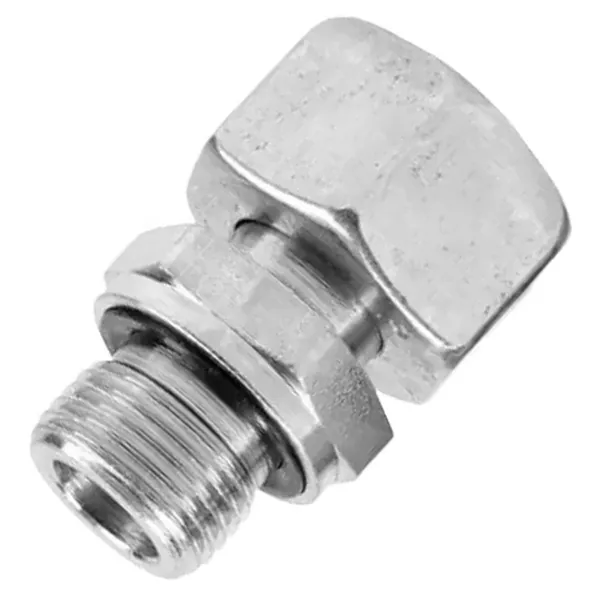
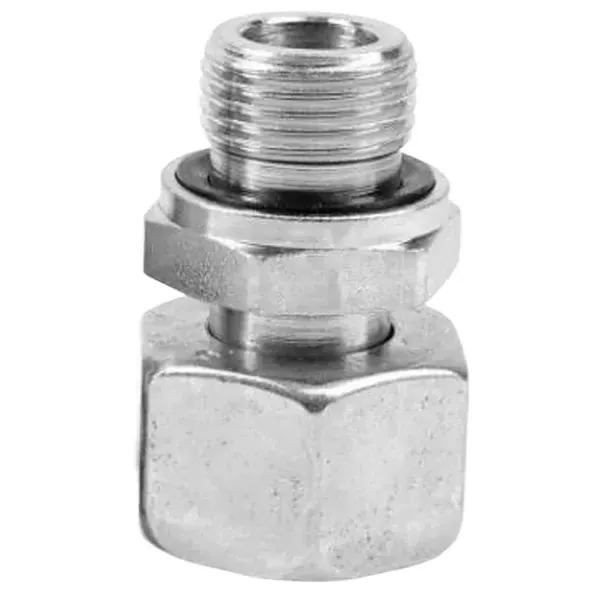
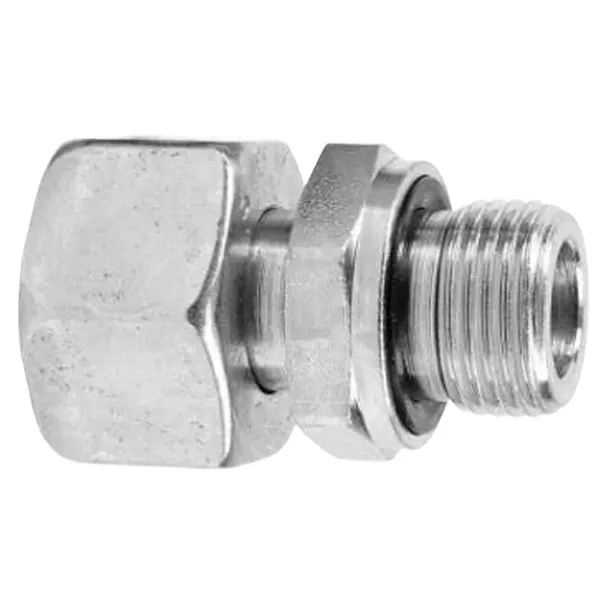
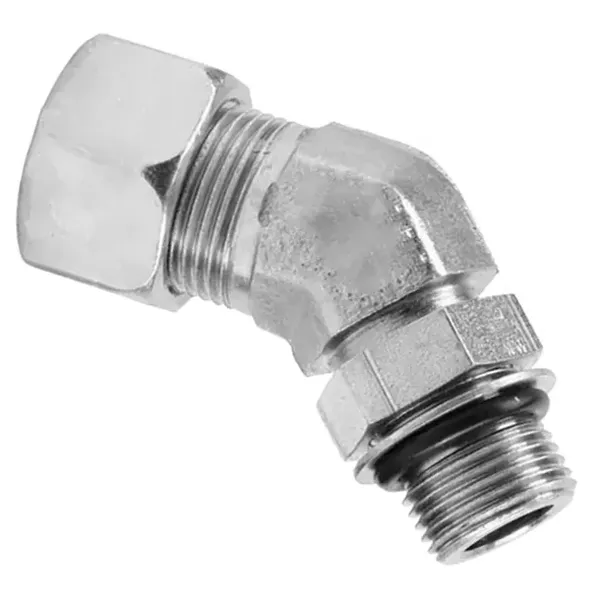
The following tables illustrate the detailed specifications for two core product families from Raydafon Group, demonstrating our commitment to clarity and precision.
| Fitting Type | Thread Size | Hose/Tube Size (-) | Working Pressure (PSI) | Burst Pressure (PSI) | Finish | Temperature Range |
|---|---|---|---|---|---|---|
| Straight Adapter | 1/2"-20 UNF | -8 | 5000 | 20000 | Zinc Plated | -20°F to 250°F |
| 90° Elbow | 3/4"-16 UNF | -12 | 4000 | 16000 | Nickel Plated | -20°F to 250°F |
| Swivel Nut | 7/8"-14 UNF | -16 | 3000 | 12000 | Zinc Plated | -20°F to 250°F |
| Tee | 9/16"-18 UNF | -6 | 6000 | 24000 | Nickel Plated | -20°F to 250°F |
| Fitting Type | ORB Thread (SAE) | O-Ring Material (Standard) | Working Pressure (PSI) | Burst Pressure (PSI) | Fluid Compatibility | Primary Applications |
|---|---|---|---|---|---|---|
| Plug | SAE-12 | Nitrile (Buna-N) | 6000 | 24000 | Petroleum oils, water-glycol | Manifold blocks, valve ports |
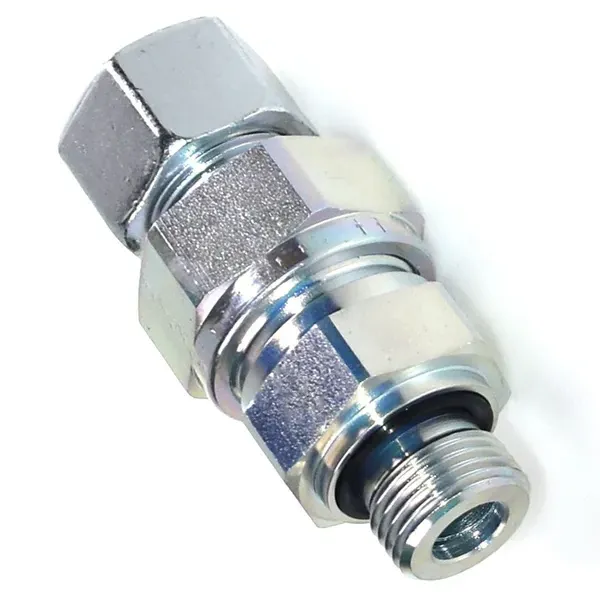
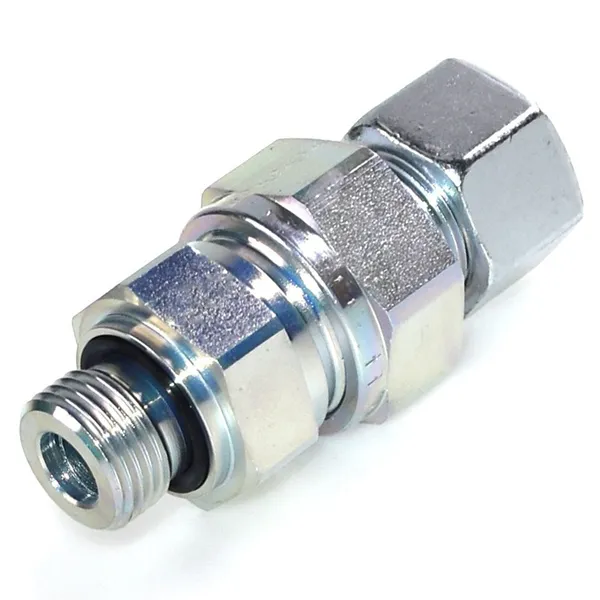
| Adapter to JIC | SAE-16 | Fluorocarbon (Viton®) | 6000 | 24000 | Fuel, acids, high-temp fluids | Chemical processing, aerospace |
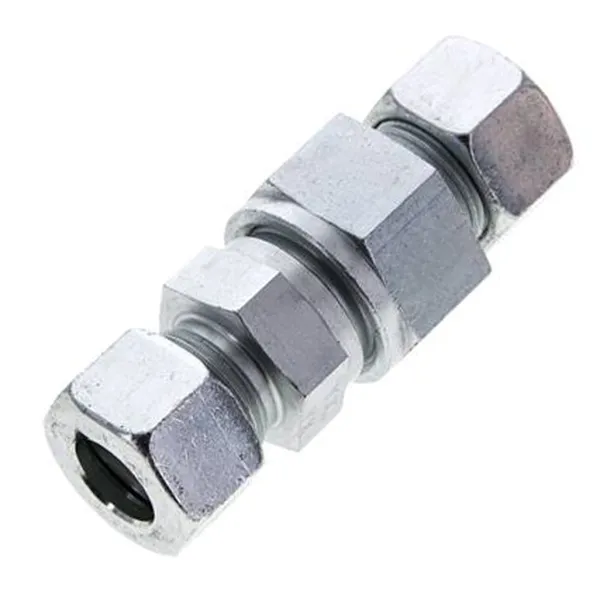
| Reducing Union | SAE-20 / SAE-12 | Ethylene Propylene (EPDM) | 5000 | 20000 | Skydrol, phosphate esters, hot water | Marine, aviation hydraulic systems |
What is the difference between NPT and NPTF threads?
NPT (National Pipe Taper) and NPTF (National Pipe Taper Fuel) threads have the same taper and threads-per-inch dimensions. The key difference lies in the thread form. NPT threads are designed to seal with the aid of a thread sealant compound or tape. NPTF threads, also known as Dryseal threads, have a modified root and crest designed to create a mechanical, pressure-tight seal through thread form interference without sealant, although sealant is often still used for absolute assurance. Raydafon provides clear labeling and guidance on the appropriate use and sealing methods for each type.
Can I mix and match fittings from different standards, like connecting a BSPP fitting to an NPT port?
No, you should never directly mix thread standards. The thread forms, pitches, and taper angles are different. Forcing a BSPP fitting into an NPT port will damage both threads and will not create a reliable seal, leading to almost certain leakage and potential system failure. To connect different standards, you must use a correctly designed adapter fitting. Raydafon Group offers one of the industry's most comprehensive ranges of adapter fittings (e.g., BSPP to NPT, JIC to Metric) to ensure safe and leak-free transitions between different system components.
How tight should I torque a hydraulic fitting?
Overtightening is a common cause of fitting failure, as it can gall threads, crack seals, or distort sealing surfaces. Undertightening leads to leaks. The correct torque value depends on the fitting type, size, material, and seal method. For example, a 1/2"-14 NPT steel fitting may require a specific torque, while a SAE ORB fitting of the same size has a different value due to its O-ring seal. Raydafon provides detailed, size-specific torque charts for all our product lines. As a best practice, always use a calibrated torque wrench and refer to the manufacturer's specifications rather than relying on "feel."
What causes a hydraulic fitting to leak, even when new and properly torqued?
Several issues can cause a new, properly torqued fitting to leak. The most common are: 1) Damaged or nicked sealing surfaces (the 37° flare on a JIC fitting or the O-ring gland on an ORB fitting). 2) Incorrect or missing sealant on tapered threads (for NPT). 3) A defective or improperly seated O-ring (check for twists, cuts, or incorrect size). 4) Dirt or debris on the sealing surface before assembly. 5) Using the wrong O-ring material for the fluid or temperature. Raydafon fittings are inspected to eliminate manufacturing defects, highlighting the importance of proper handling and assembly procedures.
How do I choose between a JIC (37° flare) and an SAE O-ring boss fitting for my application?
The choice depends on required sealing reliability, vibration, and maintenance. JIC 37° flare fittings create a metal-to-metal seal and are robust, reusable, and excellent for many high-pressure applications. However, they can be susceptible to leakage under extreme vibration or if the sealing surfaces are damaged. SAE O-ring boss (ORB) fittings use a compressed elastomeric O-ring, providing a superior, bubble-tight seal that is more tolerant of vibration and minor surface imperfections. They are often preferred in mobile equipment and high-reliability stationary systems where zero leakage is critical. Raydafon engineers can assist in selecting the optimal sealing technology for your specific operating environment.
Are stainless steel hydraulic fittings always better than carbon steel?
Not necessarily. "Better" is defined by the application. Carbon steel fittings, with appropriate plating, offer extremely high strength and pressure ratings at a lower cost, making them ideal for most industrial hydraulic systems using petroleum-based fluids. Stainless steel fittings, such as those in Raydafon's 316 series, provide exceptional corrosion resistance for harsh environments (saltwater, chemicals, high-purity systems, food & beverage) but often come at a higher cost and may have slightly different mechanical properties. The choice should be based on fluid compatibility, environmental exposure, and regulatory requirements, not just material alone.

 Raydafon