
In the world of fluid power and pneumatic systems, the integrity of every connection is paramount. A single weak link can compromise performance, safety, and efficiency. This is where the Flared Tube Male Connector proves its indispensable value. As a fundamental component in hydraulic and pneumatic circuits, it creates a robust, leak-free seal between tubing and system ports, ensuring reliable operation under pressure. For engineers, maintenance technicians, and procurement specialists, selecting the right connector is not just a purchase—it's an investment in system longevity and safety.
At Raydafon Group, we have dedicated decades to mastering the science and engineering behind these critical components. Our flared tube male connectors are engineered to meet and exceed the rigorous demands of modern industry, from heavy machinery and manufacturing plants to mobile equipment and aerospace applications. We understand that a connector is more than just a piece of metal; it's a precision interface that must perform flawlessly.
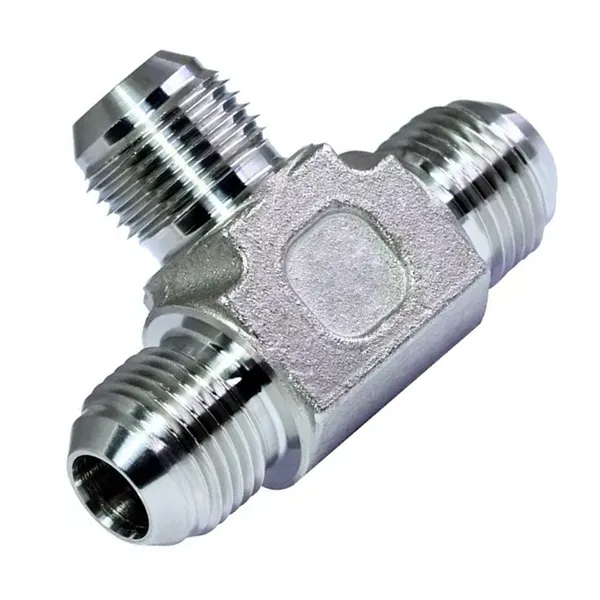
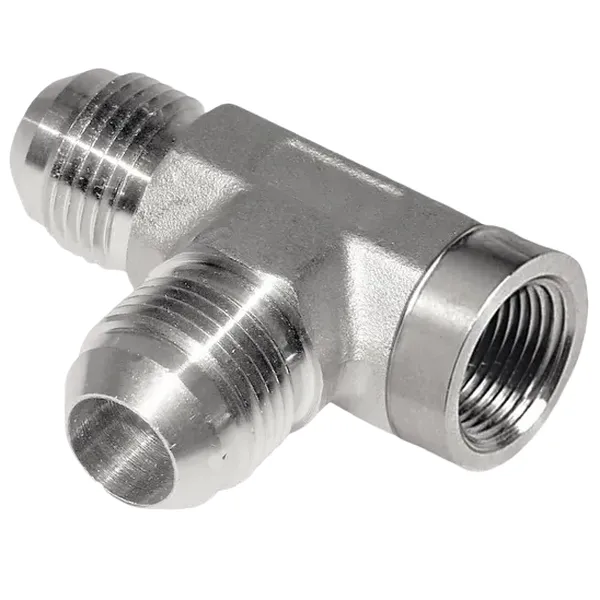
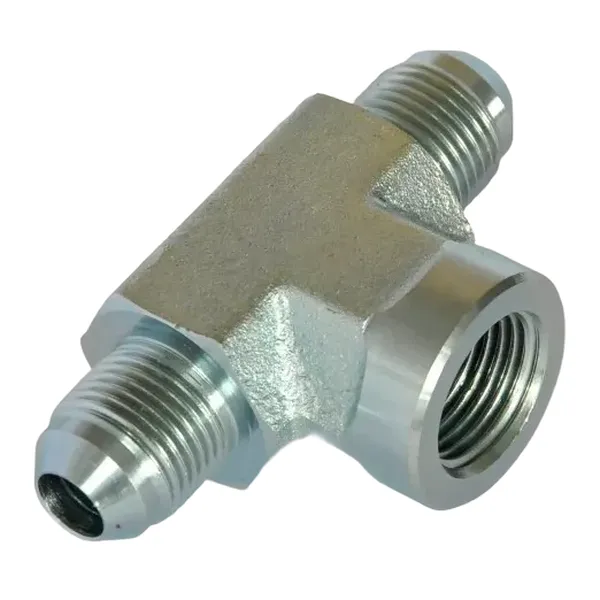
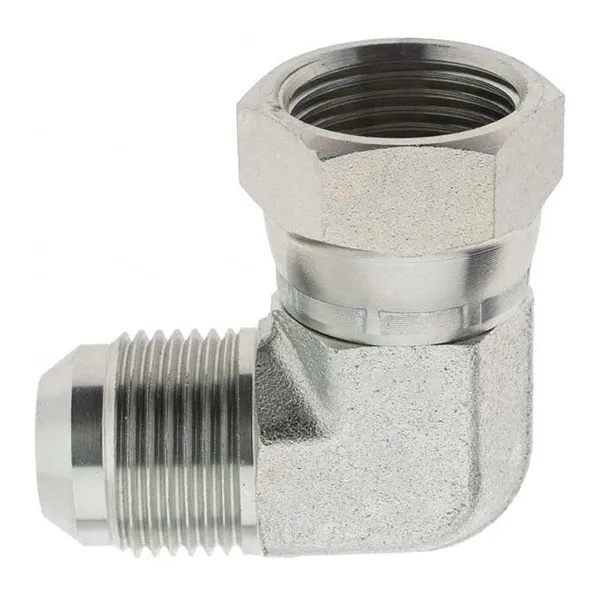
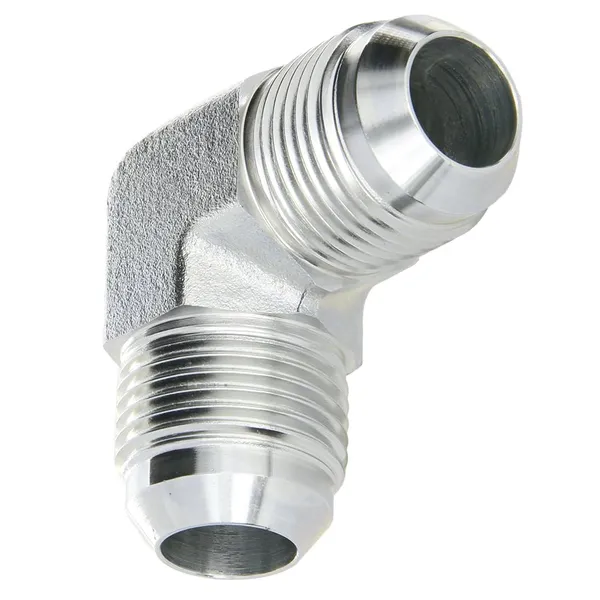
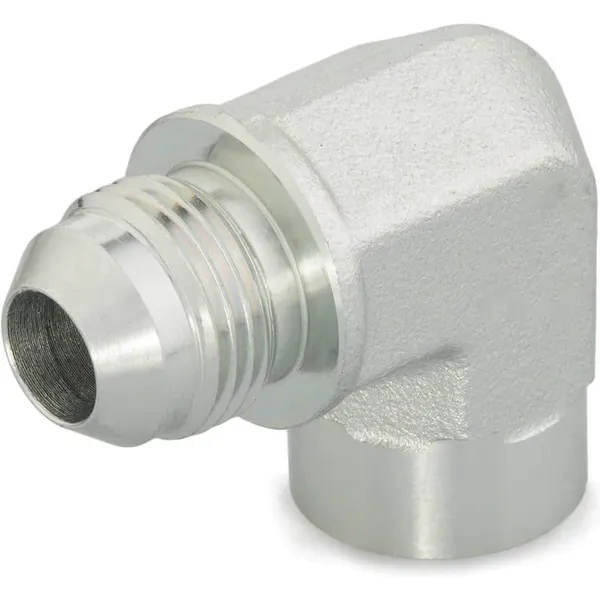
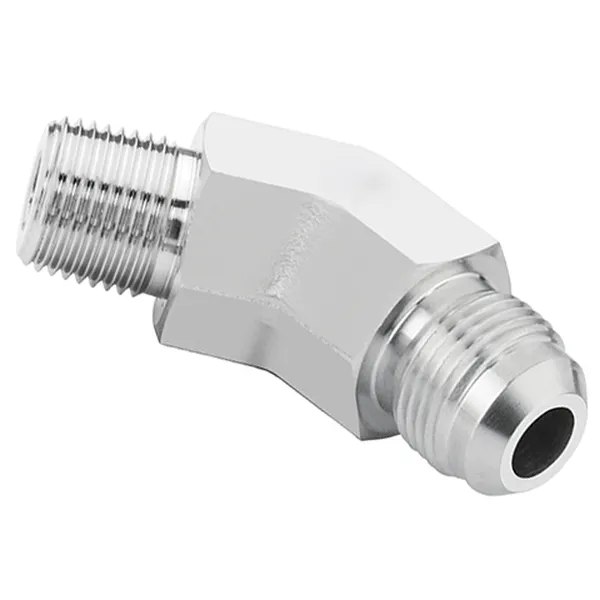
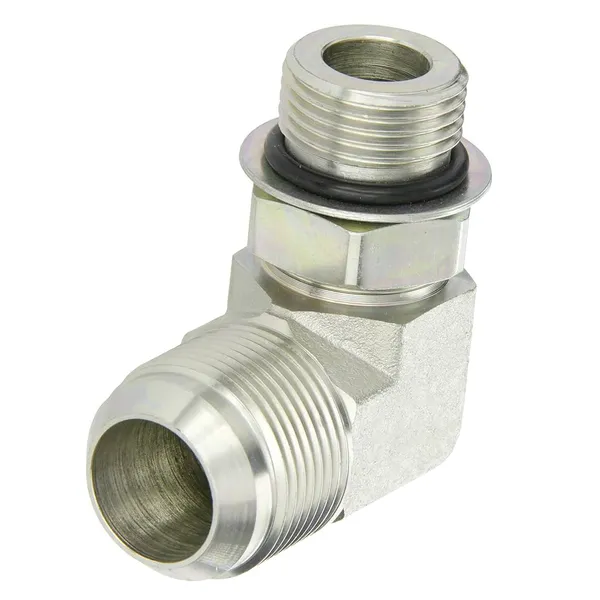
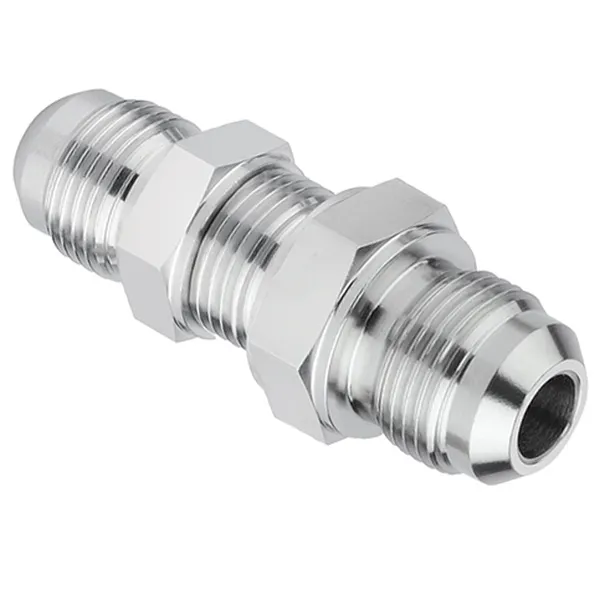
A Flared Tube Male Connector is a type of fitting used to connect a tube to a female port in a hydraulic or pneumatic system. The "male" designation refers to the external threaded end that screws into the port. The key feature is the "flared" end, where the tubing is flared (widened into a funnel shape) to match a corresponding conical seat within the fitting body. When the fitting is tightened, the flared tube end is compressed against this seat, creating a strong, metal-to-metal seal that is highly resistant to vibration and pressure surges. This design is superior for high-pressure applications compared to many compression fittings.
Choosing Raydafon connectors brings a suite of benefits engineered into every piece:
To ensure proper selection and system compatibility, below are the detailed specifications for Raydafon Group's standard Flared Tube Male Connectors. Custom configurations are also available upon request.
| Component Part | Standard Material | Alternative Material (On Request) | Material Properties |
|---|---|---|---|
| Connector Body & Nuts | Carbon Steel (Grade 1018/1020) | Stainless Steel 316, Brass, Alloy Steel | Plated for corrosion resistance (Zinc, Nickel). High tensile strength. |
| Seating Surfaces | Case-Hardened Steel | Stainless Steel | Hardened to prevent galling and ensure a clean, repeatable seal. |
| O-Rings (if applicable for seal-enhanced types) | Nitrile (Buna-N) | Viton (FKM), EPDM, HNBR | Selected for compatibility with hydraulic oils, fuels, and temperature ranges. |
| Flare Type / Standard | Thread Type | Max Working Pressure (PSI) | Temperature Range | Common Applications |
|---|---|---|---|---|
| 37° JIC (SAE J514) | SAE Straight Thread / NPT | Up to 10,000 PSI (varies by size) | -20°F to 250°F (-29°C to 121°C) | Industrial hydraulics, high-pressure lines. |
| 45° SAE Flare (SAE J512) | NPT, SAE | Up to 4,500 PSI | -20°F to 250°F | Fuel lines, refrigerant lines, brake systems. |
| Metric 24° Cone (DIN 2353) | Metric Threads | Up to 12,000 PSI (Series L) | -20°F to 250°F | European machinery, mobile hydraulics. |
Note: Pressure ratings are for the fitting itself. System pressure must account for tube strength and other components. Consult Raydafon engineering for specific application validation.
| Tube Outer Diameter (OD) | Common Thread Size (Male End) | Hex Size (Wrench Flat) | Standard Part Number Prefix (Raydafon) |
|---|---|---|---|
| 1/4" | 1/4" NPT, 7/16"-20 SAE | 1/2" | RFMC-04- |
| 3/8" | 3/8" NPT, 9/16"-18 SAE | 5/8" | RFMC-06- |
| 1/2" | 1/2" NPT, 3/4"-16 SAE | 13/16" | RFMC-08- |
| 3/4" | 3/4" NPT, 1-1/16"-12 SAE | 1-1/16" | RFMC-12- |
| 1" | 1" NPT, 1-5/16"-12 SAE | 1-5/16" | RFMC-16- |
Q: What is the difference between a 37° JIC flare and a 45° SAE flare?
A: The primary difference is the angle of the flare cone. A 37° JIC flare (conforming to SAE J514 standard) is the industry standard for high-pressure hydraulic systems. A 45° SAE flare (SAE J512) is commonly used in lower-pressure applications like fuel, refrigerant, and brake lines. They are NOT interchangeable; using the wrong flare angle will result in a poor seal and potential leakage.
Q: How do I properly assemble a flared tube fitting to prevent leaks?
A: Correct assembly is critical. First, ensure the tube end is cut square and deburred. Use a proper flaring tool to create a clean, precise flare without cracks or irregularities. Slide the nut onto the tube, then insert the tube into the fitting body until the flare seats. Hand-tighten the nut, then use a wrench to tighten it the recommended number of turns (usually 1.25 to 1.5 turns past hand-tight). Avoid over-tightening, which can damage the flare or threads.
Q: Can I use a flared fitting with stainless steel tubing?
A: Yes, but it requires attention to detail. Stainless steel is harder and can gall (cold-weld) during tightening. Raydafon recommends using fittings made from stainless steel or with hardened seating surfaces. Applying a suitable anti-galling lubricant or thread sealant (approved for the system media) to the threads is often advisable to prevent seizing.
Q: Are flared fittings reusable?
A: Raydafon flared tube male connectors are designed for multiple reuses, provided they are not damaged. Inspect the flare seat on the fitting and the flare on the tube for nicks, scratches, or deformation before reassembly. If the original flare is damaged, the tube must be re-cut and re-flared. A damaged fitting seat should be replaced.
Q: How do I select the right thread type (NPT, BSPP, SAE)?
A: Thread selection depends on the port you are connecting to. NPT (National Pipe Tapered) is common in North America and creates a seal via thread interference. BSPP (British Standard Pipe Parallel) is common in Europe and Asia and typically requires a sealing washer or O-ring. SAE straight threads also use an O-ring or bonded seal. Always verify the port specification on your equipment. Raydafon provides connectors in all major global standards.
Q: What are the signs of a failing flared connection?
A: Visible leakage of fluid is the most obvious sign. Other indicators include weeping or dampness around the fitting, a drop in system pressure, or evidence of fluid spray on nearby components. In high-vibration settings, a loose nut may be visible. Regular inspection as part of preventive maintenance is key to catching issues early.
Q: Does Raydafon offer custom flared connector configurations?
A: Absolutely. Raydafon Group specializes in engineering custom solutions. We can manufacture connectors with non-standard thread combinations, special lengths, unique port configurations, or made from exotic alloys for corrosive environments. Contact our engineering support team with your application requirements.
The versatility and reliability of Raydafon's flared tube male connectors make them suitable for a vast array of sectors. In agriculture, they connect hydraulic lines on tractors and combines, enduring dust and vibration. Construction equipment like excavators and loaders rely on them for boom and bucket control circuits. The manufacturing sector uses them in hydraulic presses, injection molding machines, and automation systems. In transportation, they are found in truck braking systems and suspension hydraulics. Even demanding fields like marine and energy utilize specially coated or stainless-steel versions to resist harsh environments.
Selecting Raydafon Group as your supplier for flared tube male connectors means more than just receiving a high-quality part. It means accessing decades of fluid conveyance expertise. Our technical support team can assist with selection, assembly guidelines, and troubleshooting. Our global logistics network ensures you get the parts you need, when you need them. Every product reflects our commitment to precision engineering, material science, and rigorous testing—a commitment that ensures your systems operate with the reliability and safety you demand. We don't just supply fittings; we provide connection solutions that build the backbone of durable, efficient systems worldwide.

 Raydafon