

Powering Clean Communities: The Essential Guide to Sanitation Machinery Hydraulic Cylinders
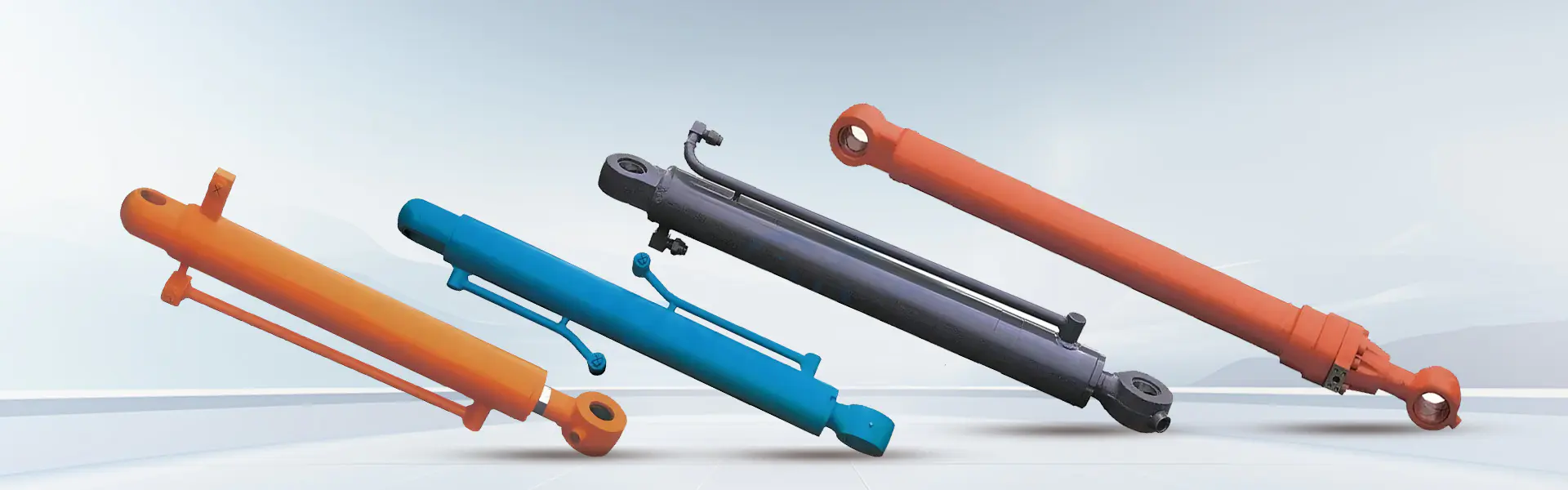
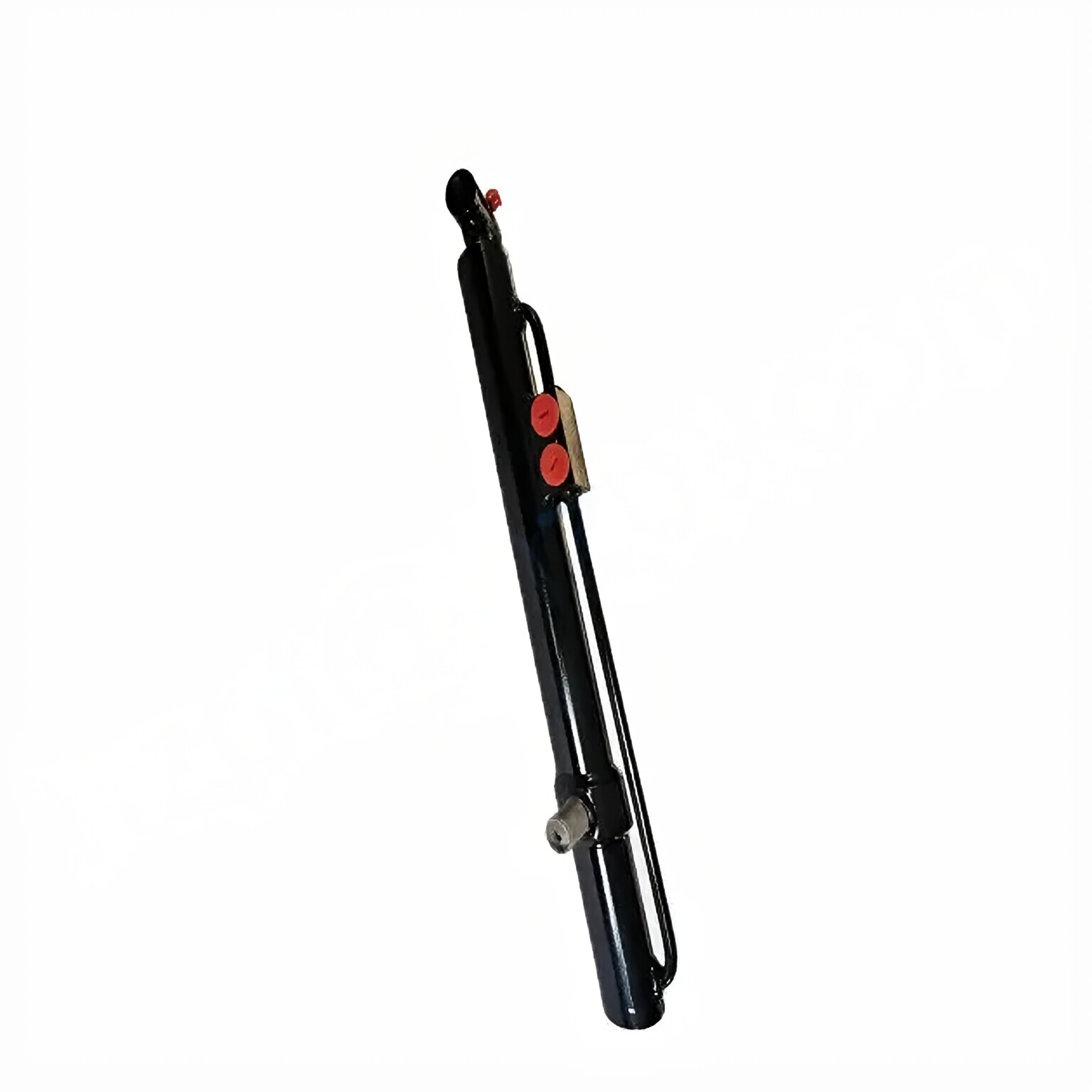
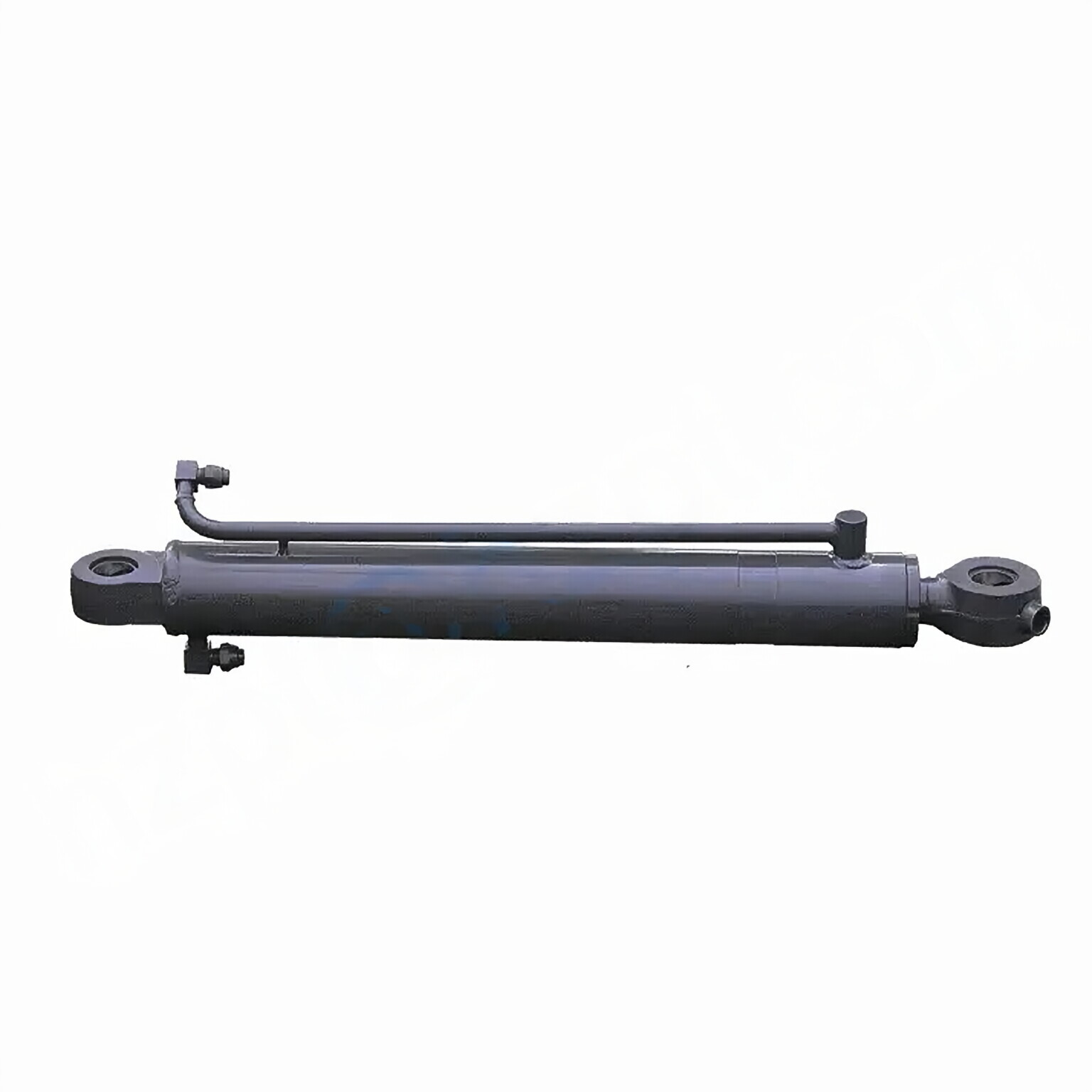
Behind the reliable operation of every garbage truck, street sweeper, and waste compacting unit lies a critical component: the hydraulic cylinder. In the demanding world of sanitation machinery, these are not just actuators; they are the core muscles that ensure efficiency, durability, and safety in daily operations. At Raydafon Group, we engineer Sanitation Machinery Hydraulic Cylinders to meet the extreme challenges of this industry, providing the robust power needed to keep urban environments clean and functional.
Our cylinders are specifically designed for the unique stressors of waste management equipment. They endure constant pressure cycles, exposure to corrosive elements, shock loads from compacting, and wide temperature variations. A standard industrial cylinder simply cannot withstand this environment for long. That’s why our engineering team at Raydafon Group focuses on material science, seal technology, and precision manufacturing to create cylinders that offer unparalleled performance and a significantly extended service life, reducing downtime and total cost of ownership for fleet managers.
Core Design Features & Engineering Superiority
Raydafon Group cylinders integrate several key design features that set them apart in the sanitation sector:
- Heavy-Duty Construction: Cylinder barrels are manufactured from high-tensile strength, precision honed steel tubing, ensuring minimal bore distortion under high pressure and maximum piston seal life.
- Corrosion-Resistant Components: Chrome-plated piston rods are standard, with optional stainless steel rods or advanced coatings like HVOF available for applications with high exposure to salt, acids, and other corrosive agents found in leachate and municipal waste.
- Contaminant-Resistant Sealing Systems: Multi-stage seal assemblies, including wipers, rod seals, and piston seals, are selected from premium polyurethane or composite materials to prevent fluid leakage and block external contaminants that cause internal wear.
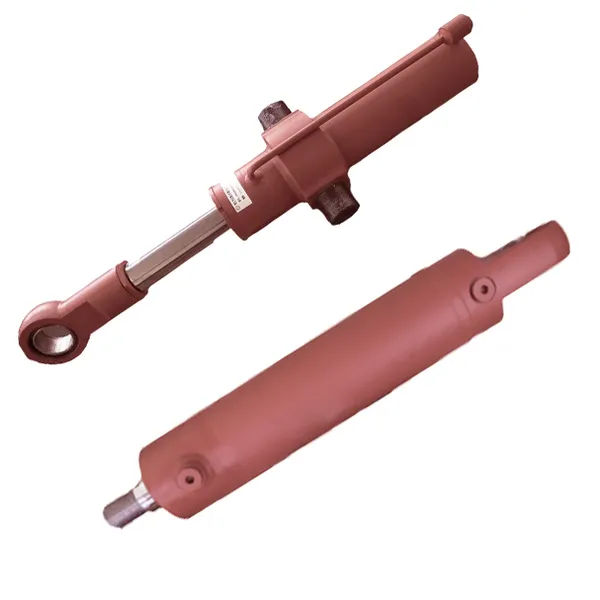
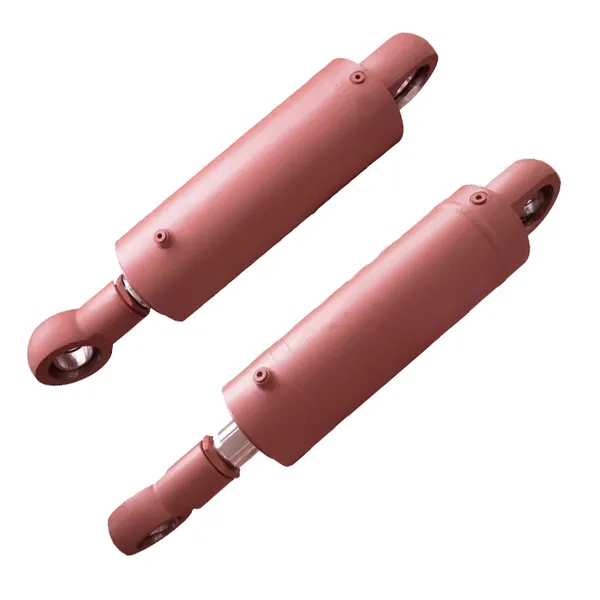
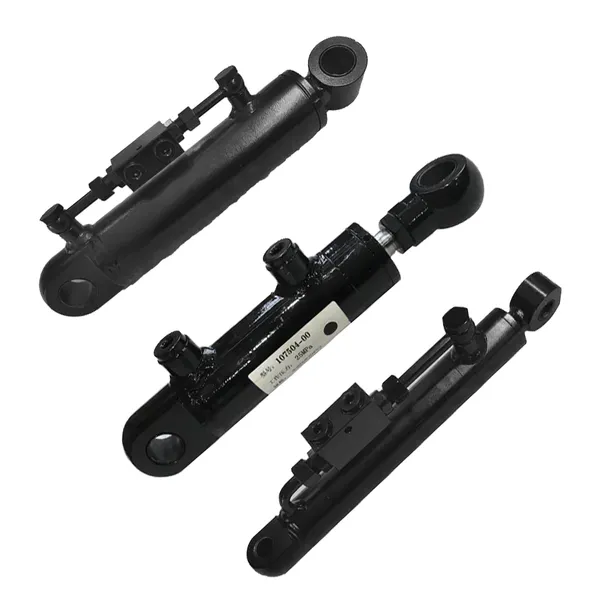
- Optimized Mounting Configurations: We offer a full range of mounting styles (clevis, flange, trunnion) designed for the specific pivot and force transfer points in compactors, lifters, and packing mechanisms.
- Integrated Safety: Features such as cushioning at stroke ends to dampen impact and internal relief valves can be incorporated to protect the cylinder and the broader hydraulic system.
Detailed Product Specifications & Configuration
Selecting the correct cylinder is paramount. Below is a detailed breakdown of the standard and customizable specifications for Raydafon Group Sanitation Hydraulic Cylinders.
| Parameter | Standard Range | Customizable Options & Notes |
|---|---|---|
| Bore Diameter | 40 mm to 250 mm (1.5" to 10") | Larger diameters available for high-force compaction applications. |
| Rod Diameter | 20 mm to 180 mm | Oversized rods for applications with high side-load or risk of buckling (e.g., lifting arms). |
| Stroke Length | Up to 3000 mm (118") | Tailored precisely to machine geometry. Staged telescopic cylinders available for dump bodies. |
| Operating Pressure | Up to 250 Bar (3625 PSI) | Can be engineered for higher pressures up to 350 Bar for specialized tasks. |
| Mounting Style | Clevis, Flange, Trunnion, Lug | Custom machining available to match OEM or retrofit mounting points exactly. |
| Rod Surface | Hard Chrome-Plated | Optional: Stainless Steel, Nickel-Chromium plating, or Tungsten Carbide coating. |
| Seal Kit Material | Nitrile (Standard), Polyurethane | High-temperature Viton or chemical-resistant materials for extreme conditions. |
| Port Connections | SAE, BSPP, NPTF | Custom port sizing and positioning to simplify plumbing. |
Application-Specific Cylinder Solutions
Different sanitation machines demand different cylinder performances. Here’s how Raydafon Group products are applied:
- Refuse Collection Vehicles (Garbage Trucks): High-force packing cylinders for the hopper and body, telescopic cylinders for dump bodies, and lift cylinders for automated side-loaders. Built to handle shock loads from compacting dense waste.
- Street Sweepers: Cylinders for controlling broom down-pressure, lift mechanisms for the gutter broom, and hopper ejection. Focus on precision control and resistance to water and abrasive dust.
- Stationary Compactors: Extreme-duty, large-bore cylinders designed for continuous, high-cycle operation under maximum pressure. Emphasis on heat dissipation and seal longevity.
- Litter Collection Vehicles & Road Maintenance: Cylinders for articulating arms and grippers. Require smooth, precise movement and reliability in all weather conditions.
Frequently Asked Questions (FAQ) About Sanitation Machinery Hydraulic Cylinders
Q: How often should hydraulic cylinders on my sanitation equipment be serviced?
A: Preventive maintenance is crucial. A general guideline is to inspect rod seals for leaks and rod surfaces for scoring or corrosion every 250-500 operating hours. Complete seal replacement and internal inspection should be performed annually or per the OEM's recommended service interval, whichever comes first. Harsh operating conditions may necessitate more frequent checks. Raydafon Group provides detailed maintenance guides with each cylinder.
Q: What are the most common causes of cylinder failure in garbage trucks?
A: The top failures are external rod scoring (from debris ingestion), internal seal wear (from fluid contamination or overheating), and bearing damage (from misalignment or side-load). Contaminants like grit and waste particles are the primary enemy. Using cylinders with superior multi-stage wiper seals, like those from Raydafon Group, and ensuring proper rod boots are installed can drastically reduce these failures.
Q: Can I retrofit a Raydafon Group cylinder to replace an OEM cylinder on my older machine?
A: Yes, in most cases. We specialize in direct replacement and retrofit solutions. Providing us with the model number of the old cylinder, or precise dimensions (bore, rod, stroke, mountings), allows our engineering team to match or improve upon the original specifications. We often enhance materials or seals to provide a more durable solution than the original part.
Q: What is the advantage of a stainless-steel piston rod for a sanitation cylinder?
A: Stainless steel rods offer exceptional corrosion resistance, which is vital for vehicles operating in coastal areas (salt) or those frequently exposed to acidic leachate from waste. While hard-chrome plated rods are standard and durable, a stainless-steel rod is a premium upgrade that virtually eliminates pitting and rust, extending seal and rod life dramatically in corrosive environments.
Q: My compactor cylinder is getting very hot during operation. Is this normal?
A: Some heat generation is normal, but excessive heat (over 180°F / 82°C) is a warning sign. It can degrade hydraulic fluid and rapidly damage seals. Causes include operating consistently at relief valve pressure, internal leakage across the piston seal, insufficient system cooling, or a restricted return line. It’s important to diagnose the root cause. Raydafon Group cylinders can be specified with high-temperature seal compounds and improved heat-transfer designs for demanding applications.
Q: How does Raydafon Group ensure the quality and durability of its cylinders?
A: Quality is engineered into every stage. We start with certified raw materials. Our manufacturing process utilizes CNC machining for precision and consistency. Every cylinder undergoes a rigorous testing protocol, including a final pressure test at 1.5 times its maximum operating pressure to ensure integrity. Furthermore, our design philosophy prioritizes over-engineering for sanitation duty cycles, using heavier walls, larger rod diameters, and premium seal stacks to guarantee reliability where it matters most.
 Raydafon