
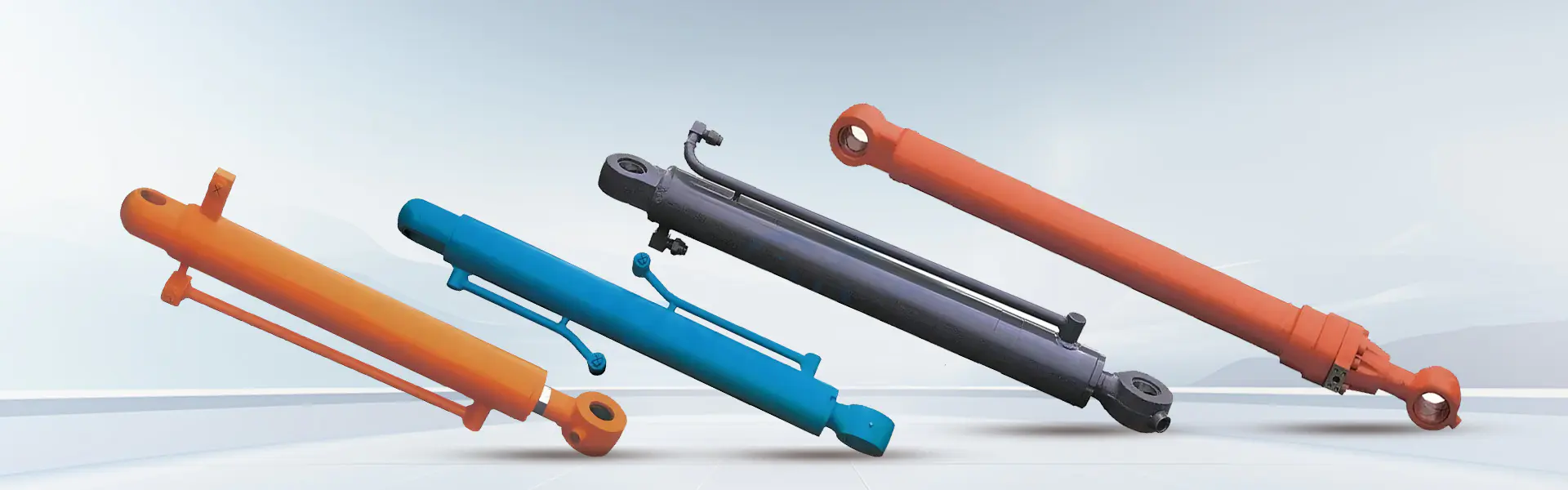
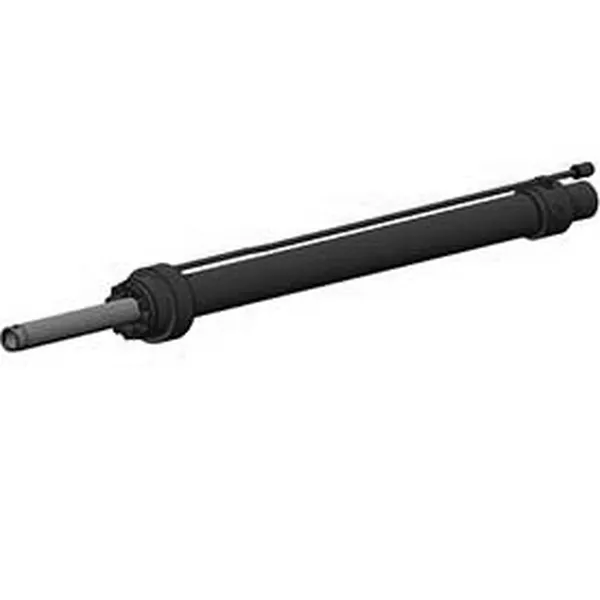
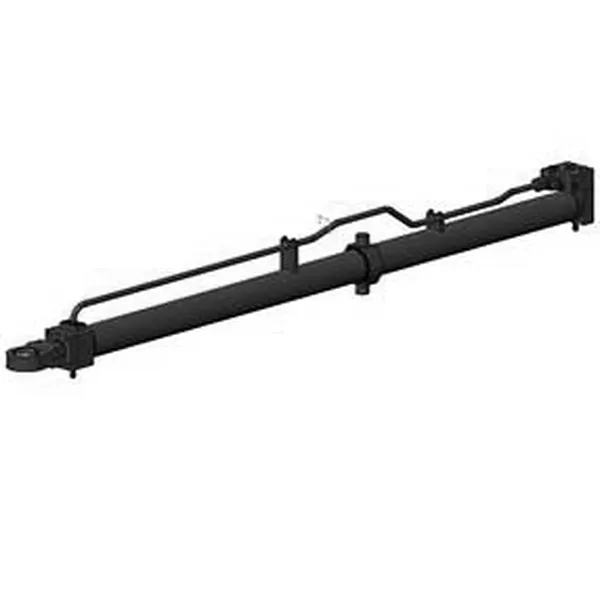
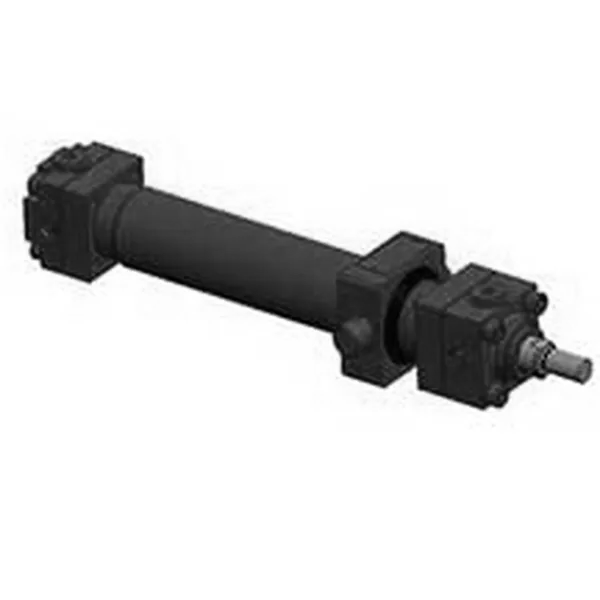
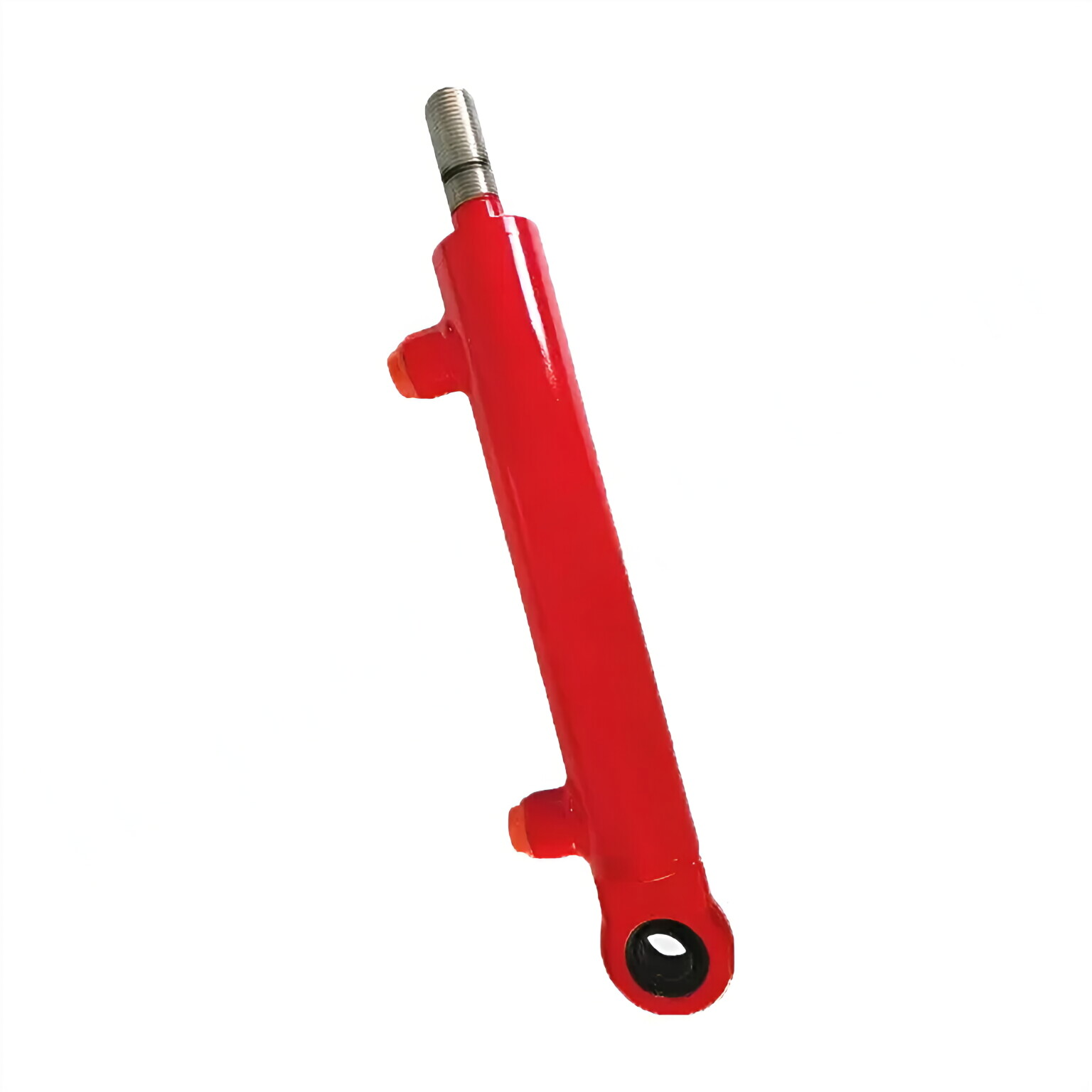
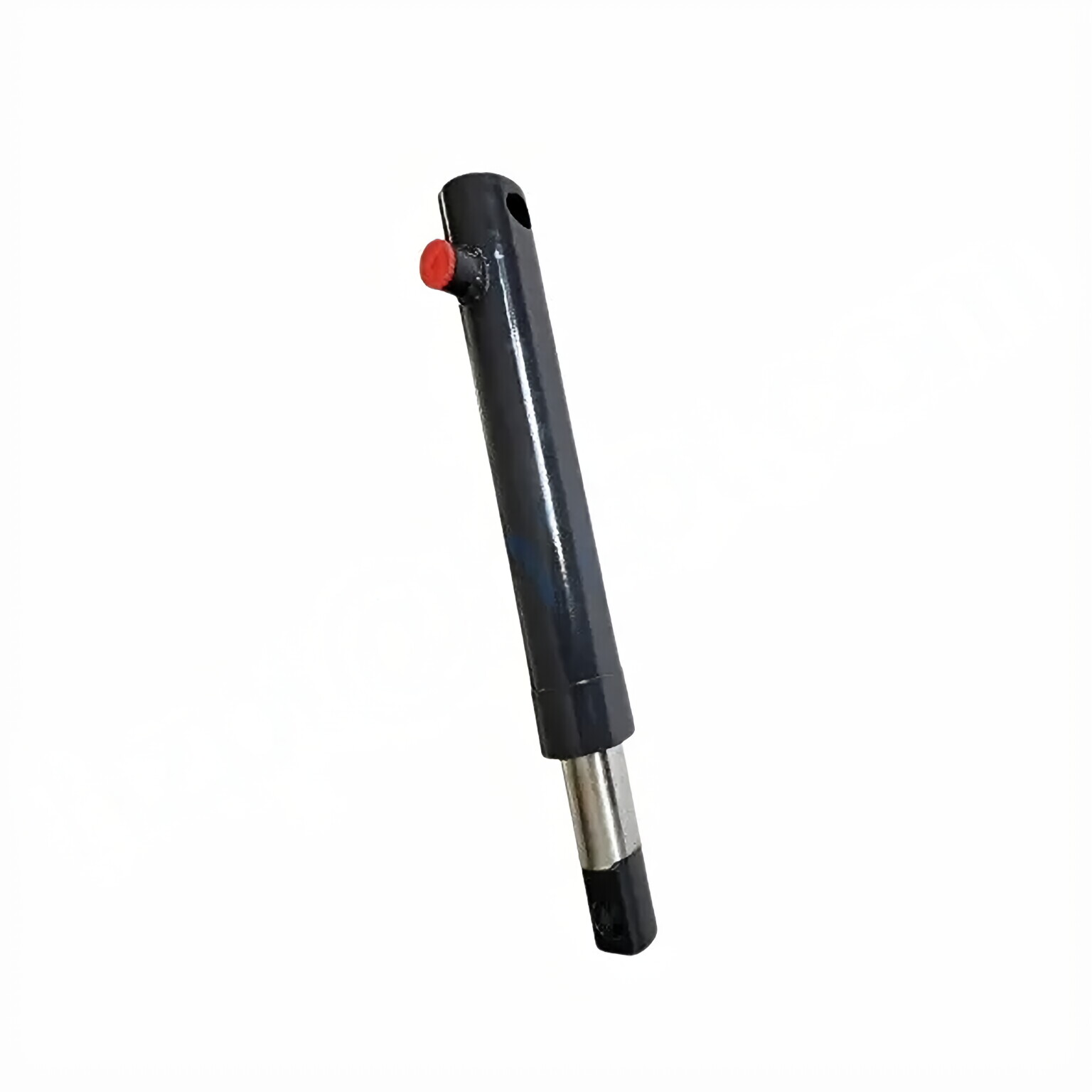
In the demanding world of tire retreading and rubber product manufacturing, the vulcanizing machine stands as the cornerstone of the final curing process. Its performance directly dictates product quality, consistency, and overall operational efficiency. At the heart of this critical machine lies its most vital component: the Hydraulic Cylinder for Vulcanizing Machines. As a trusted force in industrial hydraulics for decades, Raydafon Group engineers and manufactures these cylinders to be the epitome of reliability, precision, and enduring strength. Our cylinders are not merely parts; they are precision-engineered systems designed to deliver the exact, controlled pressure and force required for perfect vulcanization, batch after batch.
Raydafon Group's cylinders are built to withstand the extreme conditions inherent to vulcanization—high temperatures, constant pressure cycling, and prolonged operational hours. We understand that unexpected downtime is not an option. That's why every cylinder that bears the Raydafon name is subjected to rigorous testing and quality control, ensuring it integrates seamlessly into your existing press frame and operates flawlessly for years to come.
The superiority of a Raydafon vulcanizing cylinder is defined by its meticulous design and premium material selection. Below is a detailed breakdown of our standard and custom-engineered specifications.
The following table outlines the standard range of Raydafon Group hydraulic cylinders for vulcanizing applications. Custom designs outside these parameters are available upon request.
| Model Series | Bore Diameter (mm) | Rod Diameter (mm) | Standard Stroke (mm) | Maximum Working Pressure (Bar) | Approx. Force at 250 Bar (kN) | Standard Mounting Style |
|---|---|---|---|---|---|---|
| RF-VULC-100 | 100 | 70 | 200 - 600 | 315 | 196 | Front Flange |
| RF-VULC-160 | 160 | 110 | 300 - 800 | 315 | 502 | Rear Clevis |
| RF-VULC-200 | 200 | 140 | 400 - 1000 | 280 | 879 | Center Trunnion |
| RF-VULC-250 | 250 | 180 | 500 - 1200 | 250 | 1,227 | Front Flange |
| RF-VULC-320 | 320 | 230 | 600 - 1500 | 210 | 1,688 | Rear Clevis / Custom |
What are the most critical factors when selecting a hydraulic cylinder for a vulcanizing press?
The three paramount factors are: Force Output, Temperature Resistance, and Reliability. You must calculate the required clamping force (based on mold platensize and process pressure) to select the correct bore size and operating pressure. The cylinder must withstand the ambient heat of the press without seal degradation or performance loss. Finally, given the cost of vulcanizing press downtime, the cylinder's design for minimal maintenance and long service life is non-negotiable. Raydafon Group cylinders are engineered with these exact priorities in mind.
How often should the seals in a vulcanizing hydraulic cylinder be replaced?
There is no universal interval, as it depends on operating cycles, temperature, fluid cleanliness, and seal quality. With standard seals under normal conditions, inspection is recommended annually, with replacement potentially every 2-3 years. Using Raydafon's high-temperature seal kits, this interval can often be extended. The key indicator is external leakage or a noticeable drop in pressure-holding capability during the cure cycle, which signals immediate attention is needed.
Can you provide a cylinder to replace an obsolete model from another manufacturer?
Absolutely. Raydafon Group specializes in direct replacement and retrofit solutions. By providing us with the old cylinder's dimensions (bore, rod, stroke, mounting details, port sizes), or even the old unit itself, we can manufacture a direct-fit or improved replacement. Our engineers often upgrade materials and seal technology in these retrofits, enhancing the performance and lifespan compared to the original part.
My vulcanizing press is experiencing slow closing speed or insufficient final pressure. Could the cylinder be the problem?
While the issue could stem from the pump or valves, cylinder wear is a common culprit. Internal leakage past worn piston seals allows fluid to bypass, reducing effective speed and maximum force. A worn rod or scored barrel can exacerbate this. A thorough inspection of the cylinder, often involving a pressure-hold test, can diagnose internal leakage. Raydafon Group offers comprehensive repair and reconditioning services to restore your cylinder to its original specification or better.
What maintenance can I perform to extend the life of my vulcanizing cylinder?
Proactive maintenance is crucial. First, ensure the hydraulic fluid is clean, cool, and changed per schedule—contamination is a primary cause of seal and component wear. Second, regularly inspect the piston rod for scratches, pitting, or corrosion; a damaged rod will quickly destroy rod seals. Keep the rod clean and protected when not in operation. Third, check all mounting bolts for proper torque to prevent misalignment and side-loading. Raydafon provides detailed maintenance guides with every cylinder.
Does Raydafon Group offer custom stroke lengths or special port configurations?
Yes, customization is a core strength. The stroke lengths in our table are common standards, but we routinely manufacture cylinders with strokes from 50mm to over 3000mm to fit specific press designs. We can also adapt port types (e.g., SAE, BSPP, NPT), sizes, and locations, incorporate proximity sensor ports, or design special mountings. Our engineering team collaborates directly with clients to develop the perfect solution for unique applications.
The manufacturing process of a Raydafon Group hydraulic cylinder for vulcanizing machines involves more than assembly; it is a disciplined engineering protocol. Each cylinder barrel is honed to perfection, creating an ideal surface for seal longevity. Every piston rod is chrome-plated using a proprietary process that ensures superior adhesion and thickness, preventing flaking and corrosion. Before shipment, each unit undergoes a full-cycle test under load to verify performance metrics and leak-free operation.
We recognize that a vulcanizing press is a capital-intensive piece of equipment. The hydraulic cylinder should be the last component you need to worry about. By choosing Raydafon Group, you are investing in a product backed by decades of metallurgical knowledge, hydraulic expertise, and an unwavering commitment to industrial durability. Our global support network ensures you have access to technical assistance, genuine spare parts, and repair services whenever and wherever you need them.

 Raydafon