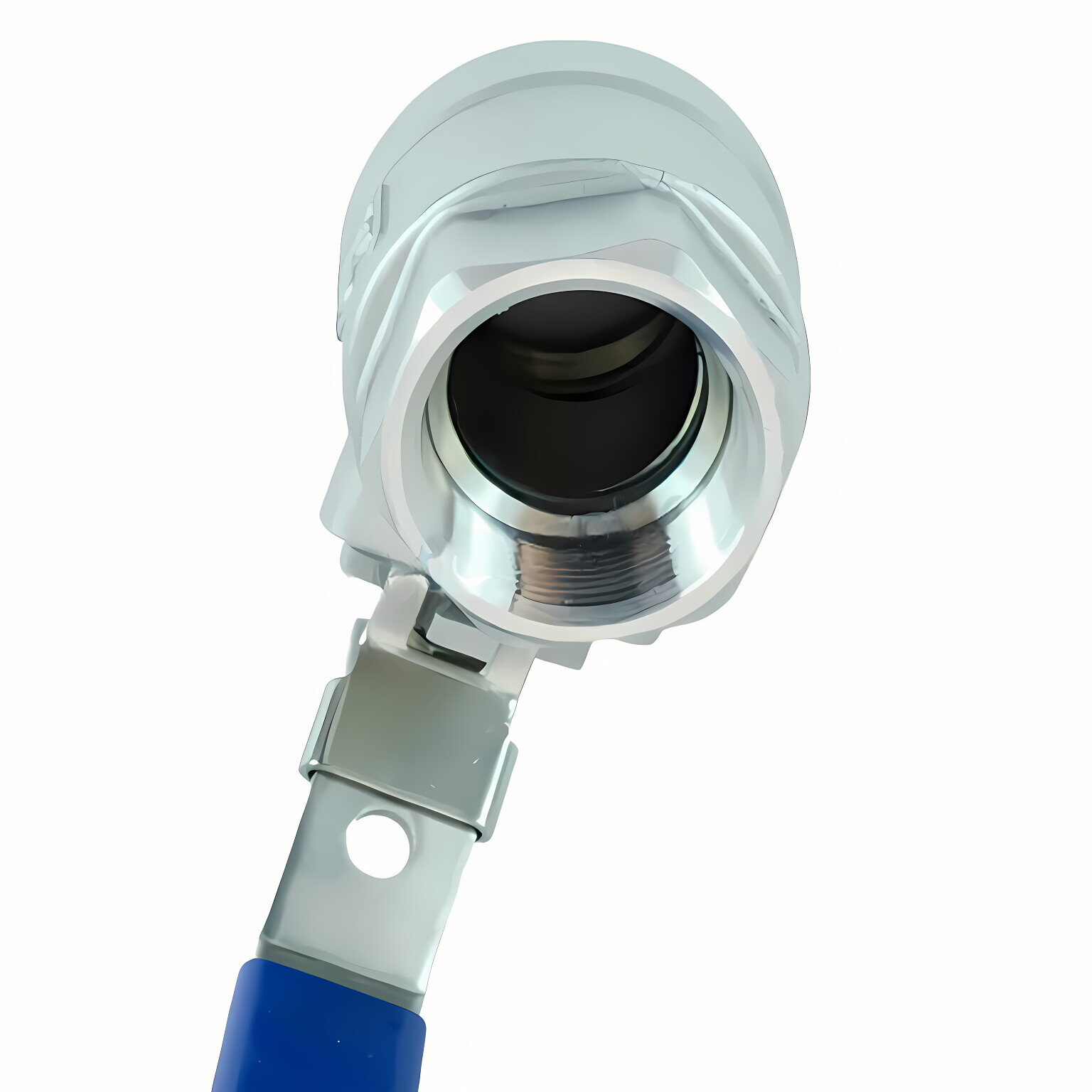
Instrumentation Ball Valves are precision-engineered components critical for controlling, regulating, and isolating the flow of various fluids and gases in sophisticated industrial systems. In sectors like oil & gas, chemical processing, pharmaceutical manufacturing, power generation, and semiconductor fabrication, the reliability and precision of these valves directly impact system integrity, safety, and efficiency. The Raydafon Group has established itself as a leading authority in this niche, manufacturing instrumentation ball valves that set the benchmark for performance in demanding applications.
Unlike standard industrial ball valves, instrumentation ball valves are designed for services requiring frequent operation, high cycle life, leak-tight sealing, and precise control over relatively low flow rates. They are typically used in sampling lines, analyzer systems, instrument air lines, and other critical auxiliary piping where failure is not an option.
### Core Design Principles and Advantages
The superior performance of Raydafon's instrumentation ball valves stems from several foundational design principles:
* **Compact & Rugged Body Construction:** Forged from materials like 316 Stainless Steel, Alloy 400 (Monel), Alloy 600 (Inconel), and Hastelloy C-276, the valve bodies offer exceptional strength-to-size ratio and corrosion resistance, suitable for compact panel mounting.
* **Full Bore vs. Reduced Bore:** Depending on the application need for minimal pressure drop (full bore) or controlled flow (reduced bore/venturi pattern).
* **Integral Bonnet Design:** Often featuring a one-piece body and bonnet, this eliminates a potential leak path and enhances structural integrity under high pressure and thermal cycling.
* **Multi-Seat Design:** Utilizing advanced sealing materials like Reinforced PTFE (RPTFE), PCTFE (Kel-F), PEEK, or metal seats to ensure bubble-tight shut-off across a wide temperature and pressure range, compatible with aggressive media.
* **Blowout-Proof Stem:** A critical safety feature where the stem is retained by the body/bonnet even under full line pressure if the packing is removed, protecting personnel and equipment.
* **Low Operating Torque:** Precision-machined ball and seat interfaces, combined with high-performance stem seals, ensure smooth, easy operation over the valve's entire service life.
### Detailed Product Parameters of Raydafon Instrumentation Ball Valves
To specify the correct valve for an application, engineers must consider a comprehensive set of parameters. The following tables detail the standard specifications for Raydafon's flagship series.
**Table 1: General Specifications & Materials of Construction**
| Parameter | Specification Details |
| :--- | :--- |
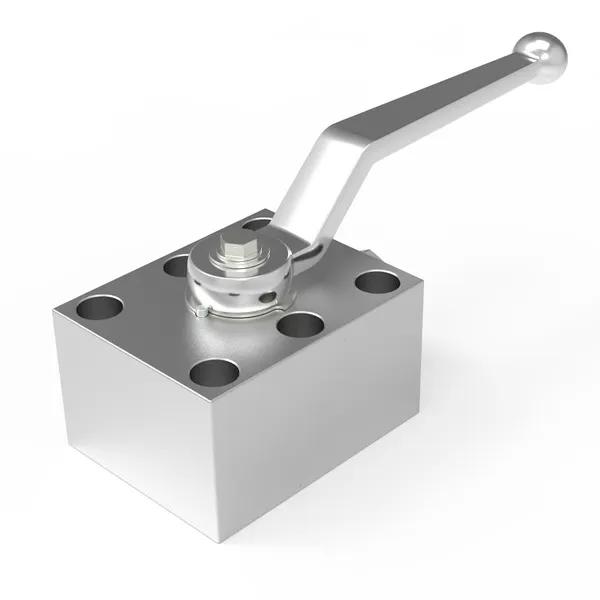
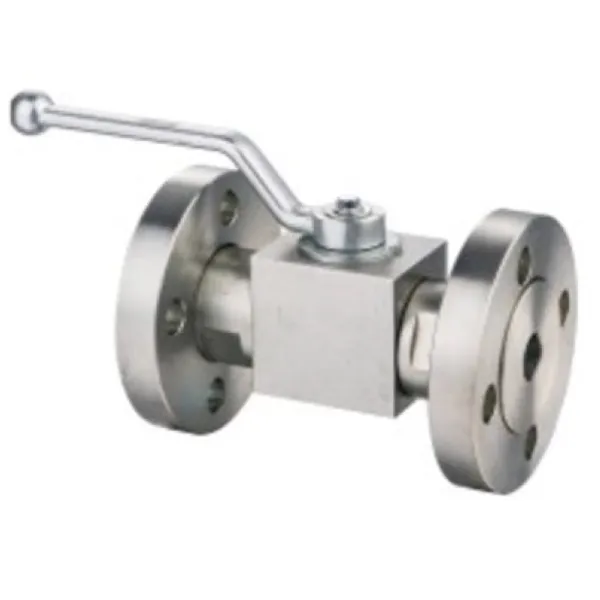
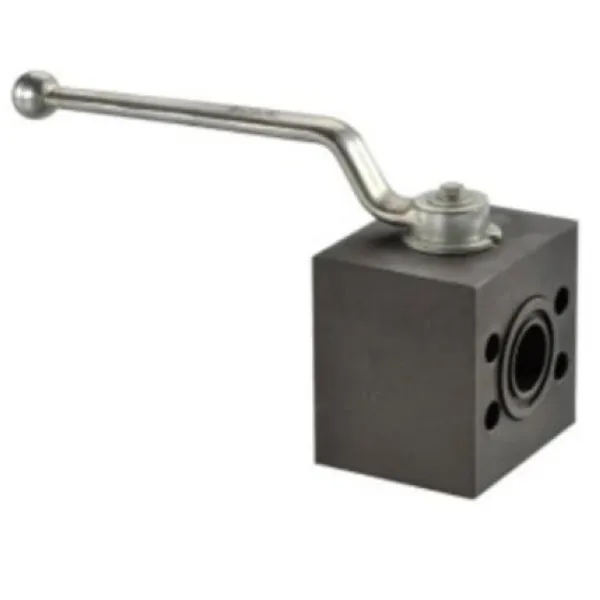
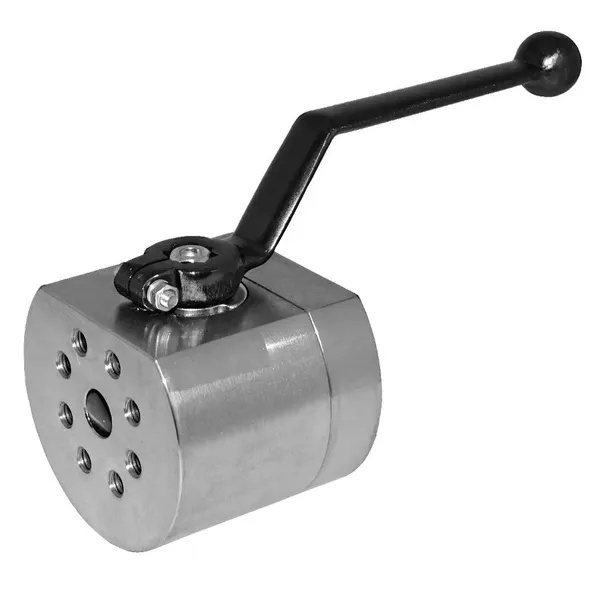
| **Valve Type** | Two-Piece, Flanged, or Manifold Mounted Instrumentation Ball Valves |
| **Size Range** | 1/4" to 2" (DN6 to DN50); Common sizes: 1/4", 3/8", 1/2", 3/4", 1" |
| **Pressure Rating** | ANSI Class 800, 1500, 2500 lb; PN 100, 160, 250, 400. |
| **Temperature Range** | Standard: -20°F to 450°F (-29°C to 232°C) with RPTFE seats.
Extended: -320°F to 1000°F (-196°C to 538°C) with special seats (PEEK, Metal). |
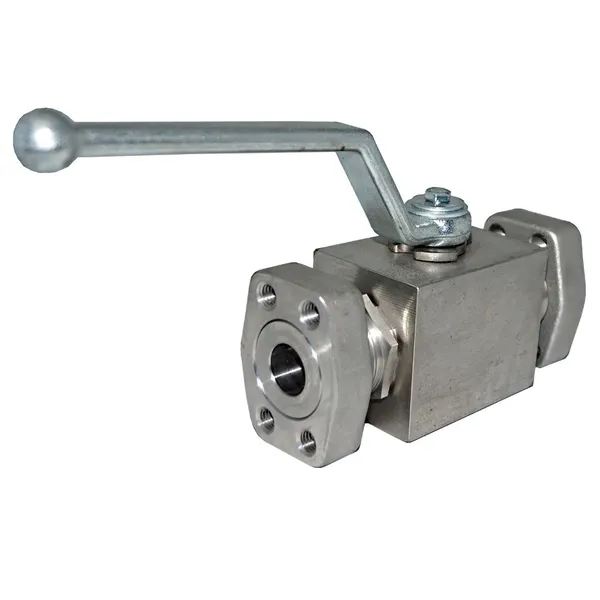
| **End Connections** | SWAGELOK® / Tube Fitting (1/4" to 1"), NPT (Female/Male), SAE/MS Flanged, Buttweld, ISO-G (BSPP), Tri-Clamp. |
| **Body Materials** | 316 Stainless Steel, Alloy 400 (Monel), Alloy 600/625 (Inconel), Hastelloy C-276, Titanium, Duplex/Super Duplex Stainless Steel. |
| **Ball Material** | Typically 316 SS, often hard chrome-plated or coated with materials like Ni-P (Electroless Nickel) for enhanced wear and corrosion resistance. |
| **Seat Materials** | Standard: Reinforced PTFE (RPTFE).
Alternatives: PCTFE (Kel-F), PEEK, Virgin PTFE, UHMW-PE, Metal (316 SS, Stellite). |
| **Stem Seals** | Multiple Chevron V-Ring packs (RPTFE, Grafoil), Spring-Energized Seals (PCTFE, PEEK). |
| **Stem Design** | Blowout-proof, with anti-static device (standard on most models). |
| **Operator Options** | Handle (Locking/Non-Locking), Pneumatic Actuator (Double-Acting/Spring-Return), Electric Actuator, Gear Operator. |
| **Fire Safe Design** | Available per API 607/API 6FA standards with secondary metal seat seals. |
| **Leakage Standards** | Seat Leakage: ANSI/FCI 70-2 Class IV, V, or VI (Bubble-Tight).
Stem Leakage: Minimal, meeting fugitive emission standards like TA-Luft, ISO 15848. |
**Table 2: Performance Data & Flow Characteristics**
| Parameter | Typical Value / Description |
| :--- | :--- |
| **Cv Factor (Flow Coefficient)** | Varies by size and bore. Example for 1/2" Full Port: Cv ~ 13.5. Specific Cv tables are provided in Raydafon technical datasheets for precise flow calculation. |
| **Maximum Working Pressure** | Directly correlates to pressure class and material. For Class 800 316SS: ~ 2175 psi at 100°F. Pressure/Temperature derating charts are essential for safe operation. |
| **Cycle Life** | Expect 100,000+ cycles for soft-seated valves under rated conditions, demonstrating the durability built into Raydafon valves. |
| **Actuation Data (Pneumatic)** | Required air pressure: Typically 40-120 psi. Actuation time (for 90° rotation): From <1 second for compact actuators to several seconds for larger valves with spring returns. |
| **Torque Data** | Break-to-Close Torque for 1/2" Class 800 valve is typically < 50 lb-in, ensuring easy manual operation. Full torque data is available for actuator sizing. |
### Instrumentation Ball Valves: Frequently Asked Questions (FAQ)
**Q: What is the primary difference between an instrumentation ball valve and a standard industrial ball valve?**
A: Instrumentation ball valves are designed for precision, reliability, and frequent cycling in critical auxiliary lines. They typically feature a more compact, forged body, higher pressure ratings (like Class 800 or 1500), superior stem sealing systems, higher integrity end connections (like tube fittings), and are offered in a wider range of corrosion-resistant alloys. Standard industrial valves are built for general on/off service in larger process lines with less emphasis on cycle life and leak-tightness in small sizes.
**Q: When should I choose a reduced bore (venturi) valve over a full bore valve?**
A: Choose a full bore valve when minimizing pressure drop is critical, or if you need to run pipeline pigs or cleaning devices through the line. Opt for a reduced bore (venturi pattern) valve when you need to moderate flow rates, reduce valve weight and cost slightly, or when the connected tubing/pipe is of a larger diameter than the valve port but flow requirements are lower.
**Q: How do I select the appropriate seat material for my application?**
A: Seat selection depends on the fluid media, temperature, and required cleanliness. RPTFE is an excellent general-purpose choice for most chemicals up to 450°F. PCTFE (Kel-F) offers better resistance to aggressive chemicals and permeation. PEEK handles higher temperatures (up to 600°F) and is very rigid. Metal seats are used for ultra-high temperatures, abrasive slurries, or fire-safe applications but may allow minimal leakage.
**Q: What does "fire-safe" certification mean for an instrumentation ball valve?**
A: A fire-safe valve, certified to standards like API 607, is designed to maintain a minimum level of sealing integrity during and after exposure to fire. It incorporates a secondary metal-to-metal sealing surface (usually between the ball and a secondary seat) that engages if the primary soft seats are destroyed by heat, aiming to prevent catastrophic fluid release.
**Q: Can Raydafon instrumentation ball valves handle cryogenic services?**
A: Yes. Raydafon Group offers specially designed cryogenic instrumentation ball valves for services down to -320°F (-196°F) for LNG, liquid nitrogen, or oxygen. These valves feature extended bonnets to keep stem seals away from the extreme cold, preventing seal freeze-up and ensuring operability. Specific materials and seat selections are required.
**Q: What maintenance is required for these valves?**
A: Raydafon instrumentation ball valves are designed for long, maintenance-free service. Primary maintenance involves monitoring stem sealing for any signs of leakage. Most designs allow for in-line repacking—adding or tightening stem packing under pressure—to restore the stem seal without removing the valve from the line. Seat replacement typically requires valve removal and disassembly.
**Q: What is the significance of the "blowout-proof stem" feature?**
A: This is a fundamental safety feature. It means the stem is mechanically retained by the valve body or bonnet interior shoulder. If the packing gland is fully removed or the stem seals fail while the valve is under pressure, the stem cannot be ejected from the valve by the internal line pressure, protecting nearby personnel from injury.
**Q: How do I ensure I'm meeting fugitive emission regulations with these valves?**
A: Raydafon Group engineers its valves with low-emission as a core design criterion. This includes multiple live-loaded stem seal stacks (like spring-energized V-rings), precision-machined stem finishes, and quality gasketing. When specifying, request valves tested and certified to relevant standards such as ISO 15848-1 (Class AH/BH) or TA-Luft, and ensure proper installation and torque procedures are followed.


 Raydafon