
For farmers and agricultural professionals, the haymaking process is a critical dance with time and weather. Between the cutting and the baling lies the crucial window for hay raking—a step that profoundly impacts the final feed's nutritional value and your operation's overall efficiency. Modern hay rakes are engineering marvels designed to gently and swiftly fluff, merge, and windrow cut forage, promoting faster, more uniform drying. This isn't just about moving hay; it's about preserving proteins, sugars, and vitamins by reducing field time and leaf loss. The right rake is a key investment in the quality of your livestock's feed and the productivity of your land. At Raydafon Group, we've dedicated decades to refining this essential tool, understanding that superior performance is built on precision engineering, durable materials, and designs that adapt to real-world conditions.
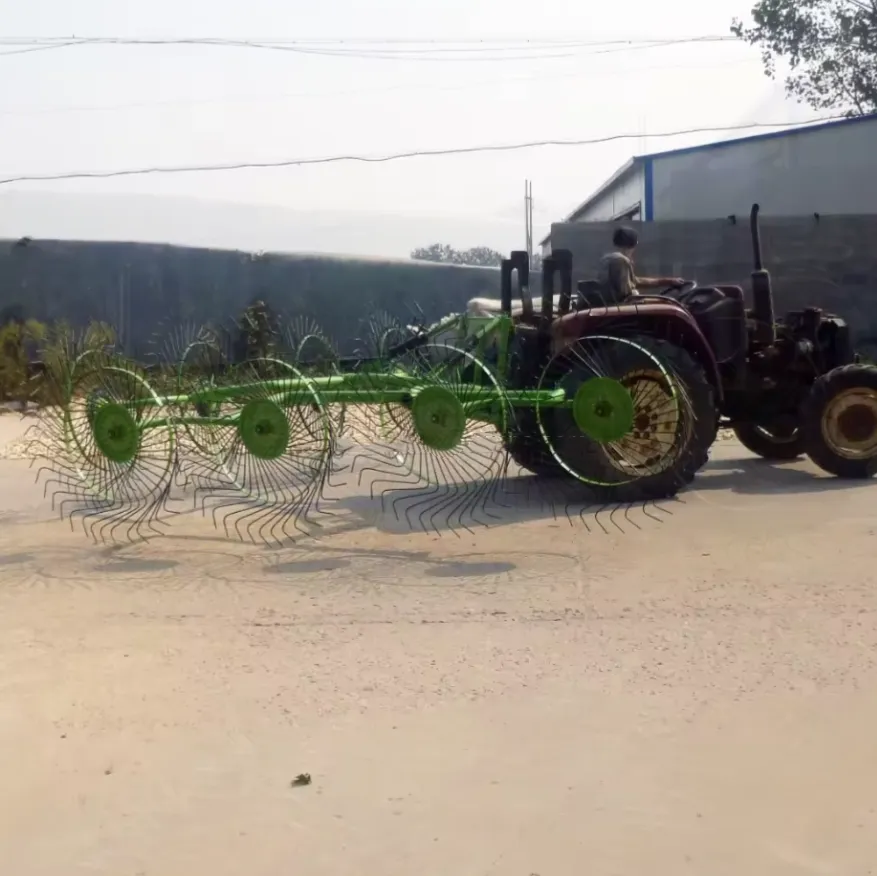
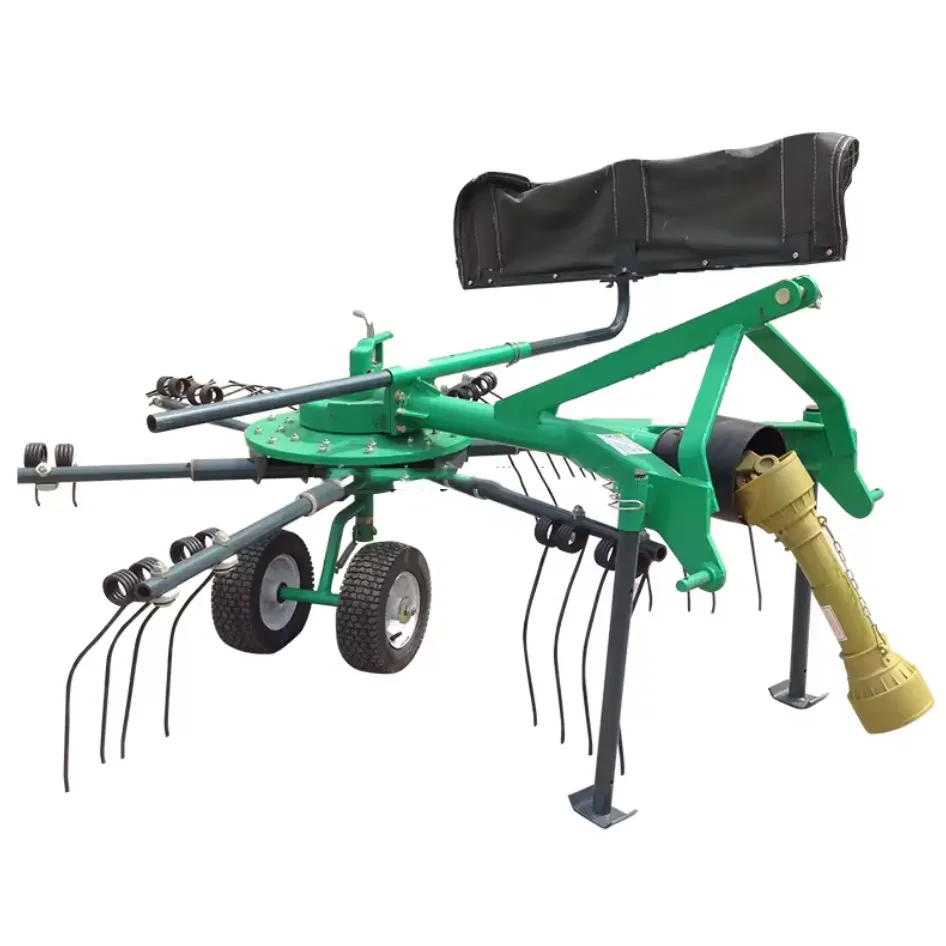
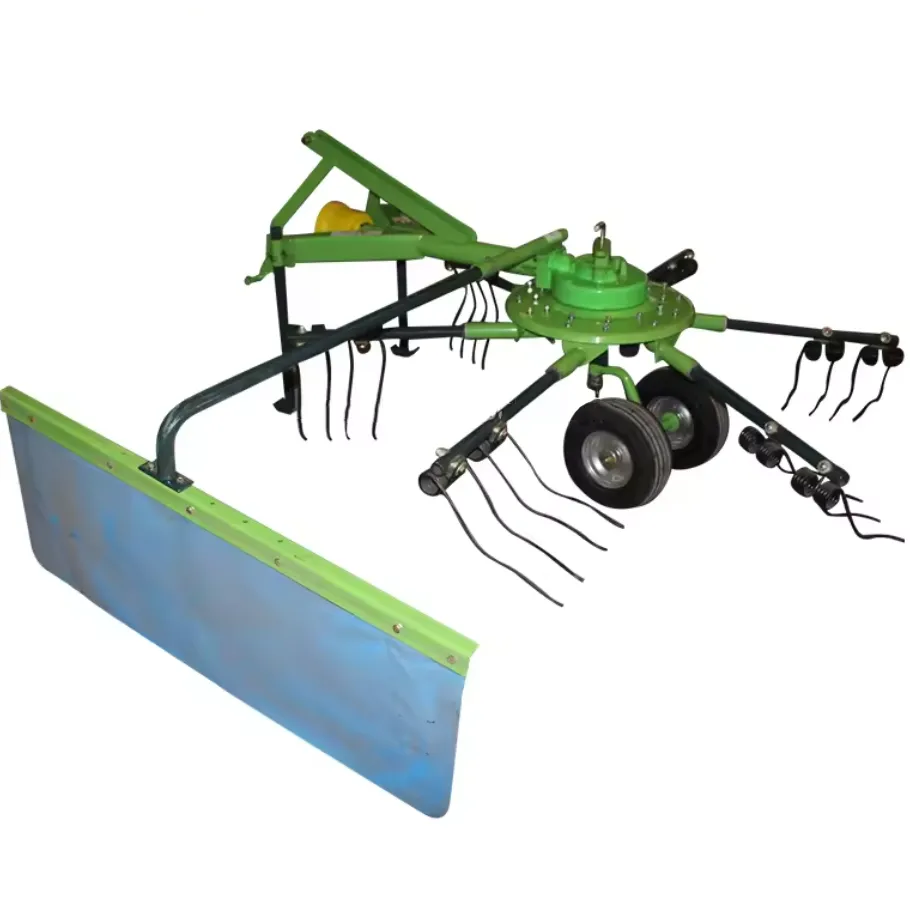
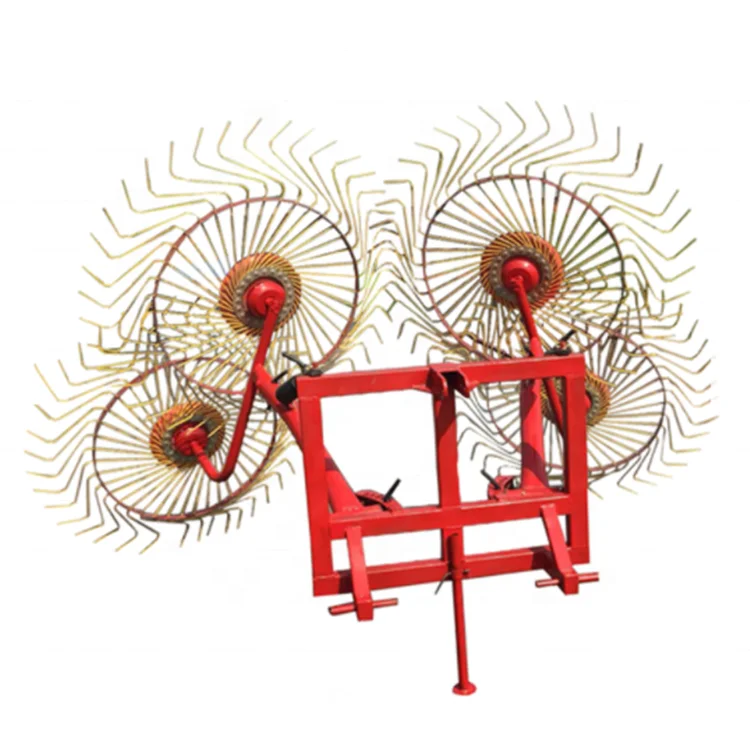
Selecting the ideal hay rake begins with understanding the different technologies available. Each type offers distinct advantages suited to various farm sizes, terrain, and forage types.
Every Raydafon Group hay rake is the product of extensive field research and advanced manufacturing. We focus on core principles that deliver tangible value: Durability to withstand years of tough use, Efficiency to save you time and fuel, Gentleness to protect your valuable crop yield, and Versatility to handle diverse field challenges. Our designs incorporate high-tensile strength steel, sealed bearings, and adjustable components to ensure your investment pays off season after season.
To demonstrate our commitment to transparency and quality, here are the detailed specifications for our flagship RP-Series Rotary Rakes.
| Model | Working Width (ft/m) | Number of Rotors | Minimum PTO HP Required | Rake Diameter (in/cm) | Transport Width (ft/m) | Weight (lbs/kg) | Primary Application |
|---|---|---|---|---|---|---|---|
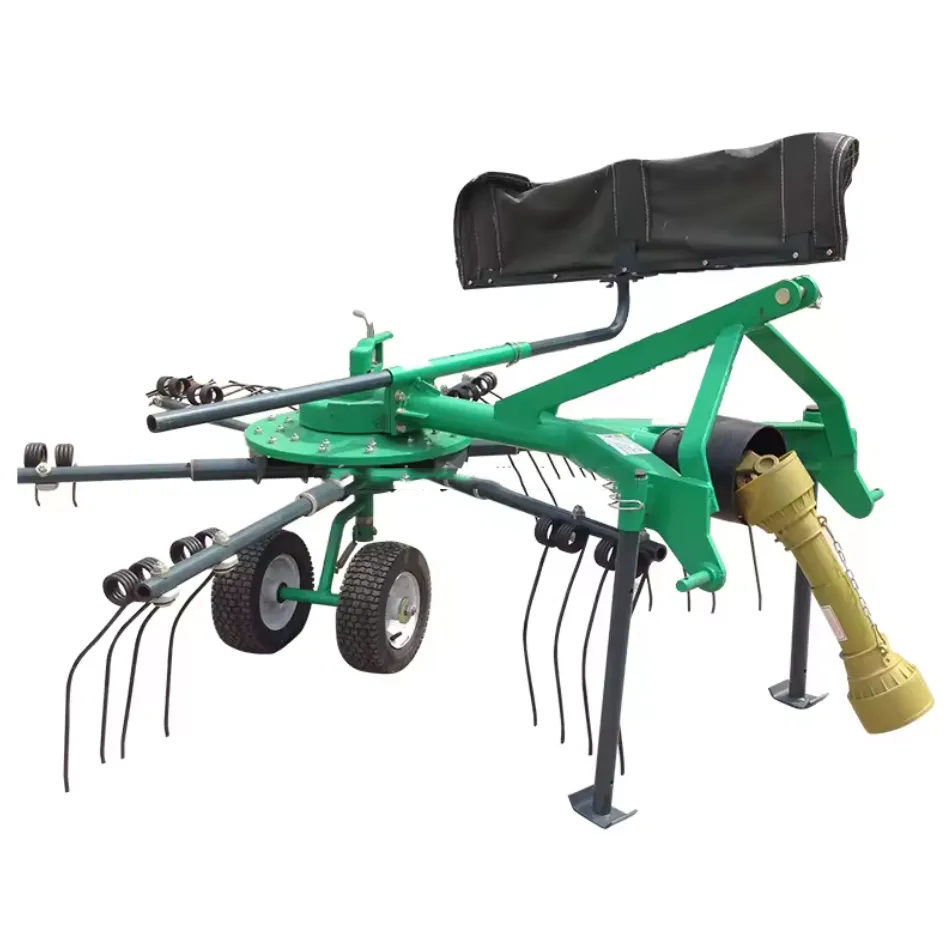
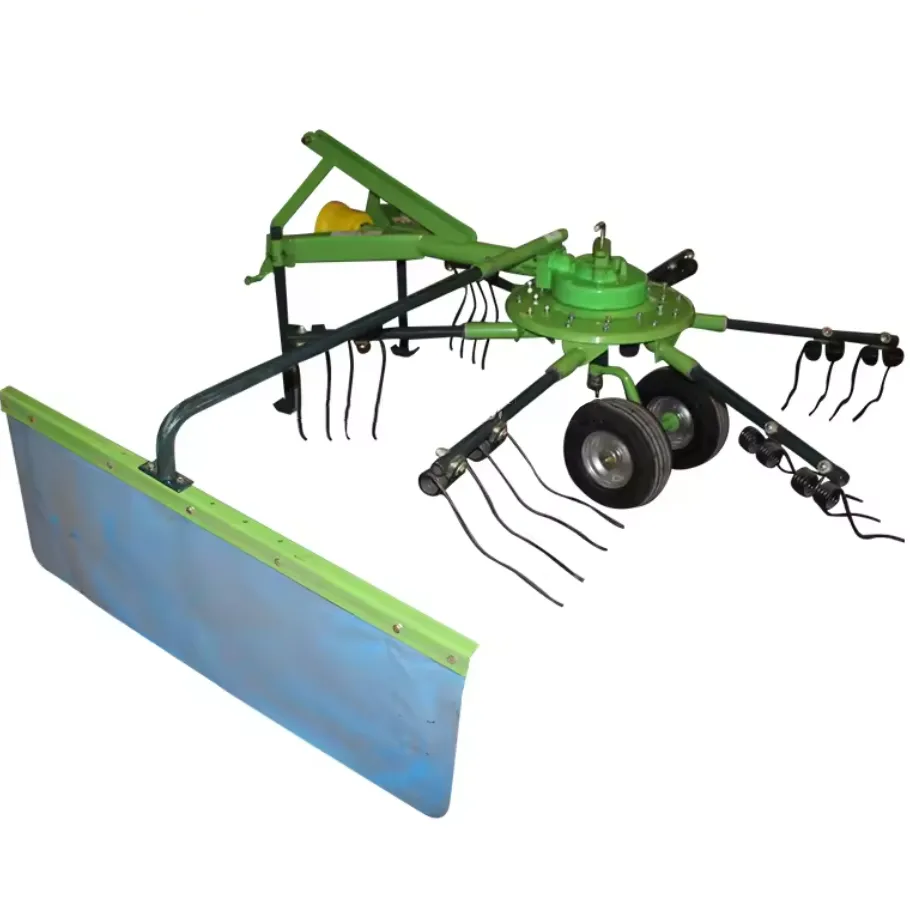
| Raydafon RP-280 | 9.2 ft / 2.8 m | 1 | 40 HP | 51 in / 130 cm | 8.2 ft / 2.5 m | 815 lbs / 370 kg | Small farms, irregular fields |
| Raydafon RP-310T | 10.2 ft / 3.1 m | 2 (Tandem) | 60 HP | 51 in / 130 cm | 9.8 ft / 3.0 m | 1,235 lbs / 560 kg | Medium farms, high-quality hay |
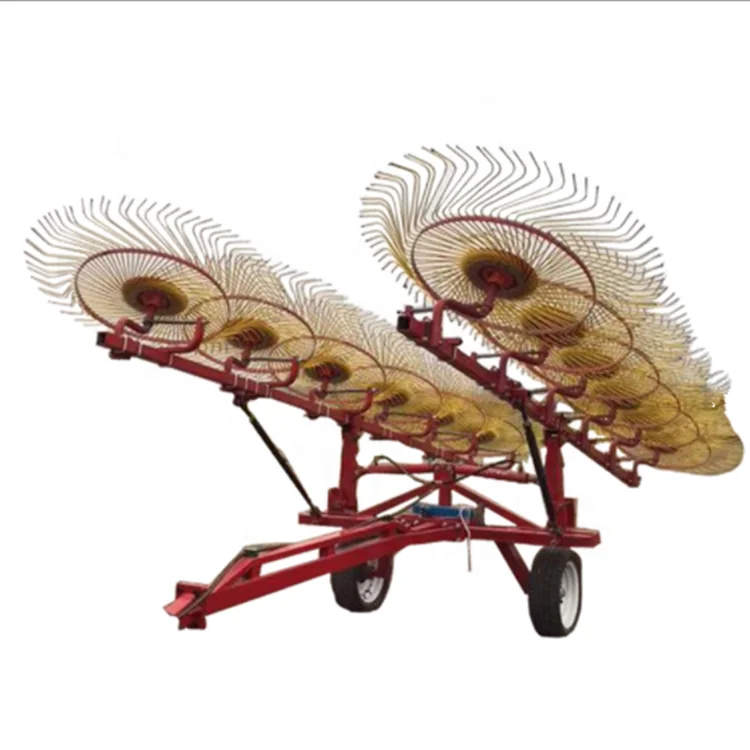
| Raydafon RP-12V | 12.5 ft / 3.8 m | 4 (V-Configuration) | 80 HP | 55 in / 140 cm | 11.2 ft / 3.4 m | 1,895 lbs / 860 kg | Large acreage, heavy yields |
| Raydafon RP-15 Belt Merger | 15 ft / 4.6 m | N/A (Belt System) | 75 HP | N/A | 12 ft / 3.65 m | 2,450 lbs / 1,110 kg | Merging for large square balers |
Q: What is the best type of hay rake for preserving leaf matter in alfalfa?
A: For delicate legumes like alfalfa, where leaf retention is crucial for protein content, a parallel bar (basket) rake is generally considered the best choice. The design uses multiple large-diameter, independently rotating baskets with long, flexible tines that gently roll the hay without aggressive stirring or beating. This significantly reduces leaf shatter compared to more aggressive raking styles. Raydafon Group's tandem and V-configuration basket rakes are specifically engineered with optimal rotor speed and tine flexibility to maximize yield and quality in premium legume crops.
Q: How often should I replace the tines on my rotary hay rake?
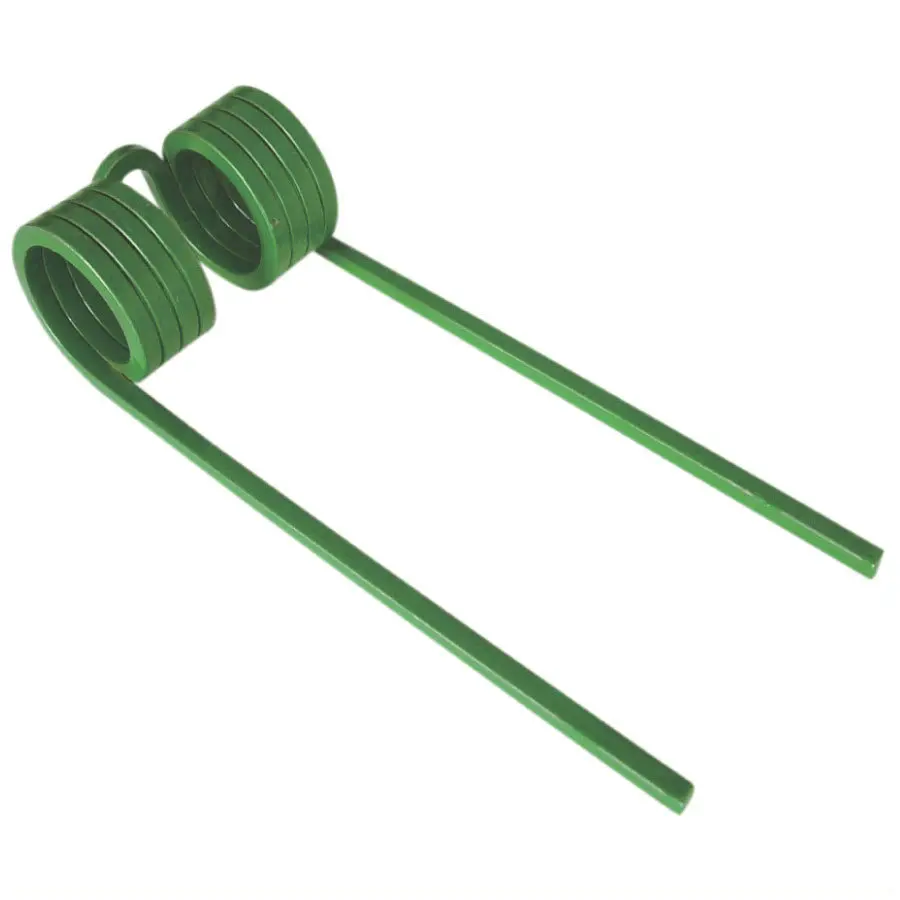
A: There's no single timeframe; tine wear depends on hours of use, crop conditions (sandy soil is abrasive), and whether you hit rocks or debris. Inspect tines regularly for signs of wear, such as becoming shorter, thinning, losing their curve, or breaking. A good practice is to check them at the start of each season and after every 50-60 hours of operation. Replace them in complete sets per rotor (or in matched pairs) to maintain balance and even raking performance. Using high-quality tines, like our Raydafon Pro-Tine™, can extend service life considerably.
Q: Can I use a hay rake on damp or wet hay?
A: It is not recommended. Raking hay that is too damp or wet can cause several problems. It can smear and mat the hay, creating a dense, non-porous window that will dry extremely slowly and is prone to molding. Wet hay is also much heavier, putting excessive strain on the rake's driveline and tines. Furthermore, raking wet hay can drag significant soil and moisture into the windrow, contaminating the feed. Always aim to rake when the hay moisture is between 30% and 40% (when the stems are pliable but not wet) for the best results in terms of drying speed and quality preservation.
Q: What maintenance does a wheel rake require compared to a PTO-driven rotary rake?
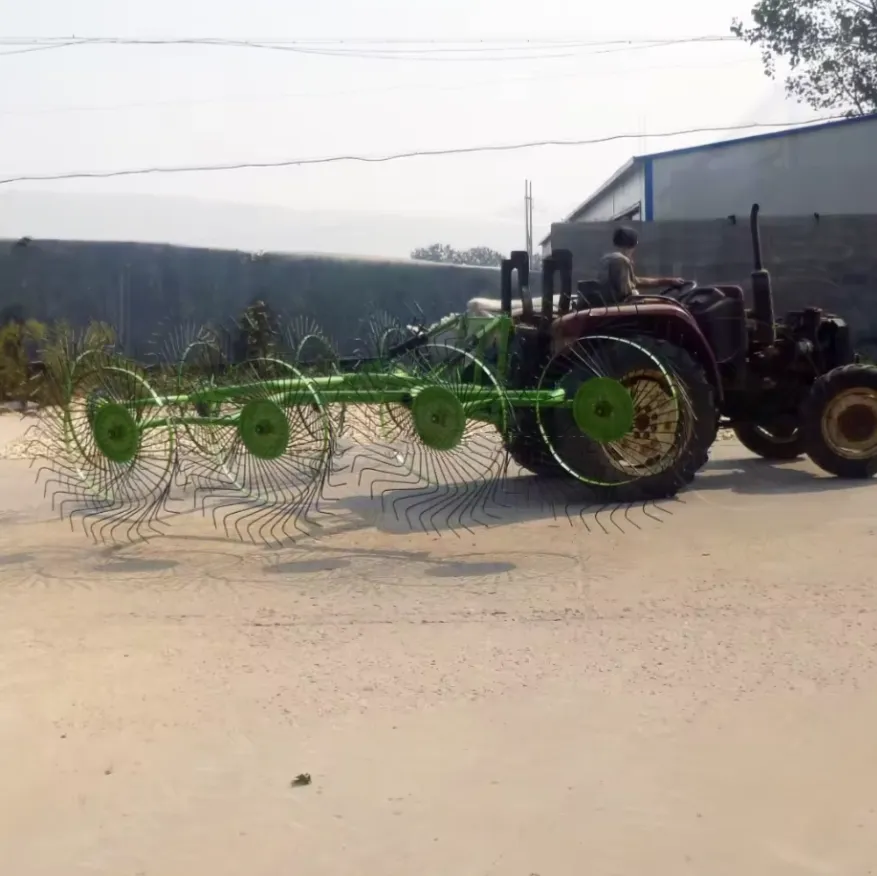
A: Wheel rakes require simpler, less frequent maintenance due to their passive, ground-driven design. Primary tasks include checking and tightening wheel bolts, greasing wheel bearings periodically, inspecting and replacing individual spring steel tines as needed, and ensuring the frame and hitch are sound. PTO-driven rotary rakes have more moving parts and thus a more involved routine. This includes regular greasing of all rotor hubs and driveline joints (often after every 10-15 hours of use), checking gearbox oil levels, inspecting and tensioning drive belts or chains, and closely monitoring the condition of all tines on the rotors. A pre-season and post-season thorough inspection is crucial for both types.
Q: My fields are quite hilly and uneven. What should I look for in a hay rake?
A: For rolling or uneven terrain, you need a rake that can follow ground contours to avoid scalping or missing hay. Wheel rakes with individual wheel suspensions can work well on moderate slopes. However, for more significant contours, a rotary rake with a flexible hitch or a "wobble wheel" tandem axle that allows the mainframe to pivot is often superior. Look for models with a wide range of tine angle adjustment to handle varying crop flow on slopes. The robust, ground-hugging design of many Raydafon Group rotary rakes makes them a reliable choice for challenging topography, as they maintain consistent raking height without digging in.
Q: What's the advantage of a belt merger rake versus simply using a wider raking implement?
A: A belt merger serves a different, more specialized purpose. Its goal isn't to rake cut swaths directly, but to gently combine two or more existing windows (often created by disc mower conditioners) into a single, large, dense window for high-capacity balers, like large square balers. This maximizes the baler's efficiency by providing a continuous, even feed of material. Using a very wide rake to create one giant window from a cut swath can be less effective, as it may not fluff and aerate the hay as well initially and can lead to uneven drying. Mergers minimize handling, reduce leaf loss in the final consolidation step, and are key for large-scale, high-speed haying operations.
Beyond choosing the right equipment, proper technique and timing are paramount. Always rake hay in the late morning or afternoon after the dew has dried off, but before the leaves become so brittle they shatter easily (typically in the late afternoon). The goal is to create a loose, fluffy window that allows maximum air circulation. Adjust your rake's speed and tine settings based on crop density and moisture; slower speeds and less aggressive angles for light, dry hay, and slightly more aggression for heavier, damper forage. For the best drying, orient windows to run north-south to maximize sun exposure throughout the day. Implementing a systematic raking pattern that minimizes tractor passes over already raked hay will also save time and fuel while reducing soil compaction. The durability and precision of a Raydafon Group rake provide the reliable foundation upon which these best practices yield their highest return.

 Raydafon