
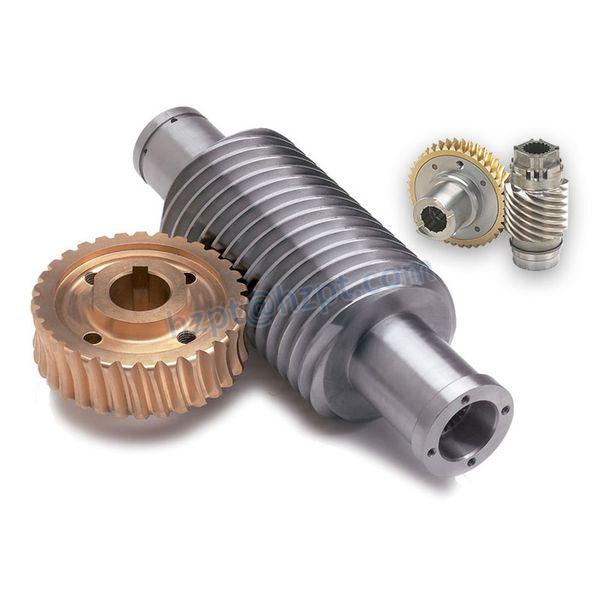
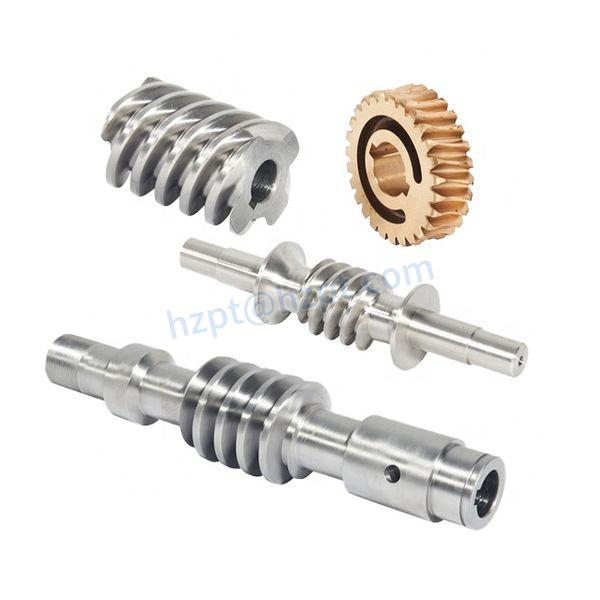
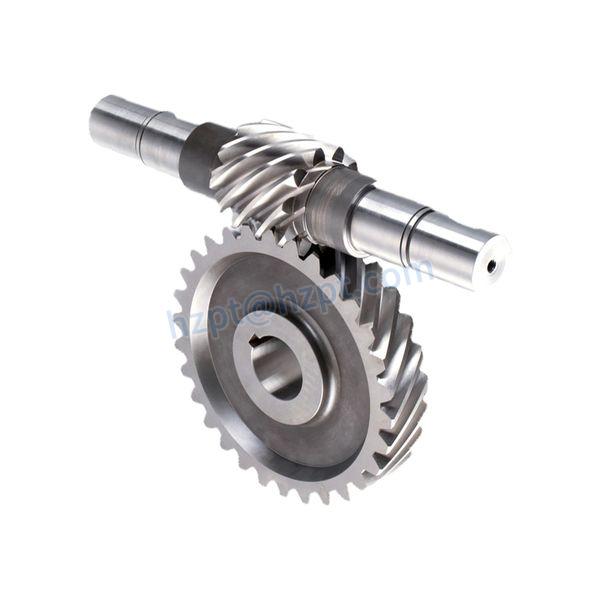
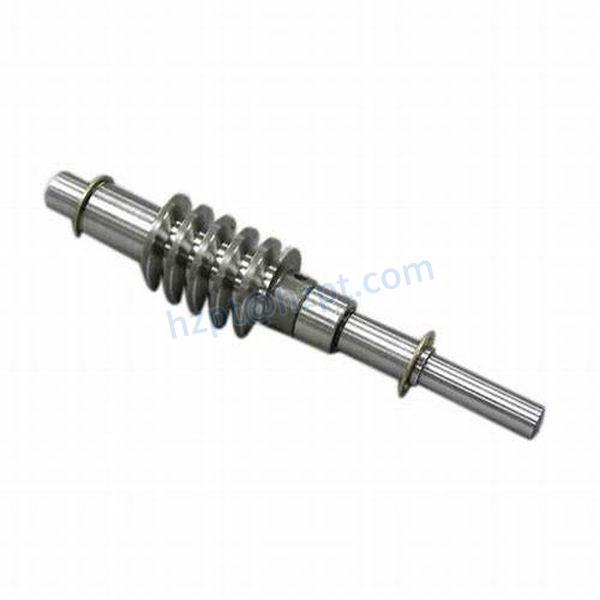
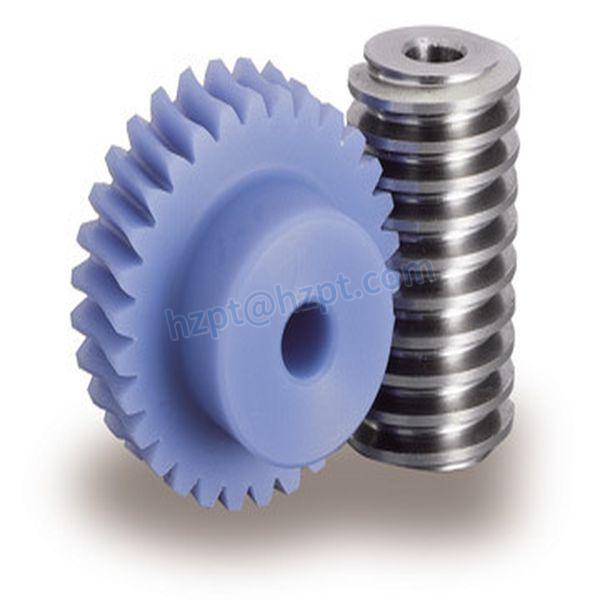
In the realm of mechanical power transmission, few components are as uniquely capable as the Worm Gears. This gear arrangement, consisting of a screw (the worm) meshing with a toothed wheel (the worm gear or worm wheel), provides unparalleled advantages in achieving high reduction ratios, compact design, and inherent self-locking capabilities. For industries ranging from heavy-duty material handling and conveyor systems to precision packaging machinery and automotive steering, the selection of a high-quality worm gear set is critical for operational efficiency, durability, and safety. At Raydafon Group, our engineering expertise is dedicated to manufacturing worm gears that meet the most demanding specifications, ensuring reliable performance in even the toughest applications.
A worm gear drive operates on a simple yet highly effective principle. The worm, which is analogous to a threaded screw, engages with the teeth on the circumference of the worm wheel. Typically, the worm is the driving element. A key feature of this setup is that the worm can easily turn the gear, but the gear cannot easily turn the worm, creating a natural braking or self-locking effect. This is due to the angle of the worm's threads, which creates significant friction when reverse-driven. This characteristic is invaluable for applications where holding a load in position is essential, such as in lifts, hoists, and certain types of valves.
The primary benefits of specifying a Raydafon Group worm gear assembly include:
Our product line is engineered for excellence. Below are the standard specifications for our industrial-grade worm gear sets. Custom configurations are available upon request to meet your exact application needs.
| Model Series | Center Distance (mm) | Gear Ratio Range (i) | Input Speed (Max RPM) | Rated Output Torque (Nm) | Efficiency Range (%)* | Lubrication Type |
|---|---|---|---|---|---|---|
| RG-WG-040 | 40 | 5:1 to 70:1 | 3000 | 85 - 220 | 40 - 85 | Oil Bath / Grease |
| RG-WG-063 | 63 | 5:1 to 100:1 | 2800 | 180 - 450 | 45 - 88 | Oil Bath |
| RG-WG-080 | 80 | 5:1 to 100:1 | 2500 | 350 - 850 | 50 - 90 | Oil Bath |
| RG-WG-100 | 100 | 5:1 to 100:1 | 2000 | 700 - 1800 | 55 - 91 | Oil Bath / Forced Circulation |
| RG-WG-125 | 125 | 7.5:1 to 100:1 | 1800 | 1200 - 3000 | 60 - 92 | Oil Bath / Forced Circulation |
*Efficiency is highly dependent on gear ratio, speed, and lubrication. Lower ratios and higher quality finishes yield higher efficiency.
Q: What is the main disadvantage of using a worm gear drive?
A: The primary drawback is lower mechanical efficiency compared to other gear types like helical or spur gears. A significant amount of energy is lost as heat due to the sliding friction between the worm and gear teeth. Efficiencies can range from as low as 40% for very high reduction ratios to over 90% for lower ratios with premium designs. This heat generation often necessitates careful thermal management and proper lubrication.
Q: Are all worm gears self-locking?
A: No, self-locking is not an absolute guarantee. It depends primarily on the lead angle of the worm (the angle of its thread) and the coefficient of friction. Generally, single-start worms with a low lead angle (typically less than 5 degrees) exhibit reliable self-locking. Multi-start worms, which have a higher lead angle for increased speed or efficiency, may not be self-locking. It is crucial to consult with the Raydafon Group engineering team to confirm if self-locking is achieved for your specific operating conditions and model selection.
Q: How do I select the correct worm gear size for my application?
A: Selection requires analyzing several key parameters:
Q: What is the recommended lubrication and maintenance schedule for a worm gearbox?
A: Lubrication is critical for performance and longevity. For oil-bath systems, use a high-quality, non-foaming, extreme-pressure (EP) gear oil with the correct viscosity grade as specified in the manual. Initial oil change should occur after the first 500 hours of operation. Subsequently, for standard conditions, change the oil every 2500-4000 operating hours or annually, whichever comes first. Regularly check oil levels and inspect for leaks. Grease-lubricated models require re-greasing at intervals specified based on speed and temperature. Always follow the specific maintenance guidelines provided in the Raydafon Group product documentation.
Q: Can worm gears be used for bidirectional operation?
A: Yes, worm gears transmit power effectively in both directions of worm rotation. However, the self-locking characteristic only prevents back-driving from the output (gear) side to the input (worm) side. The direction of output rotation will reverse when the worm's rotation is reversed. It is important to ensure the gearbox housing is properly vented if bidirectional operation causes significant temperature fluctuations.
Q: What makes Raydafon Group worm gears different from others on the market?
A: Raydafon Group distinguishes itself through a commitment to precision engineering and rigorous quality control. Our worms undergo a proprietary grinding and super-finishing process that significantly reduces friction and operational noise. We use premium bearing alloys for our gear wheels, ensuring excellent wear characteristics and load capacity. Every unit is tested for backlash, noise, and smooth operation before leaving our facility. Furthermore, we offer extensive technical support and customization options, ensuring you don't just get a component, but a fully engineered transmission solution tailored to your system's demands.
The versatility of our worm gear sets makes them suitable for a vast array of industries. Common applications include:

 Raydafon