
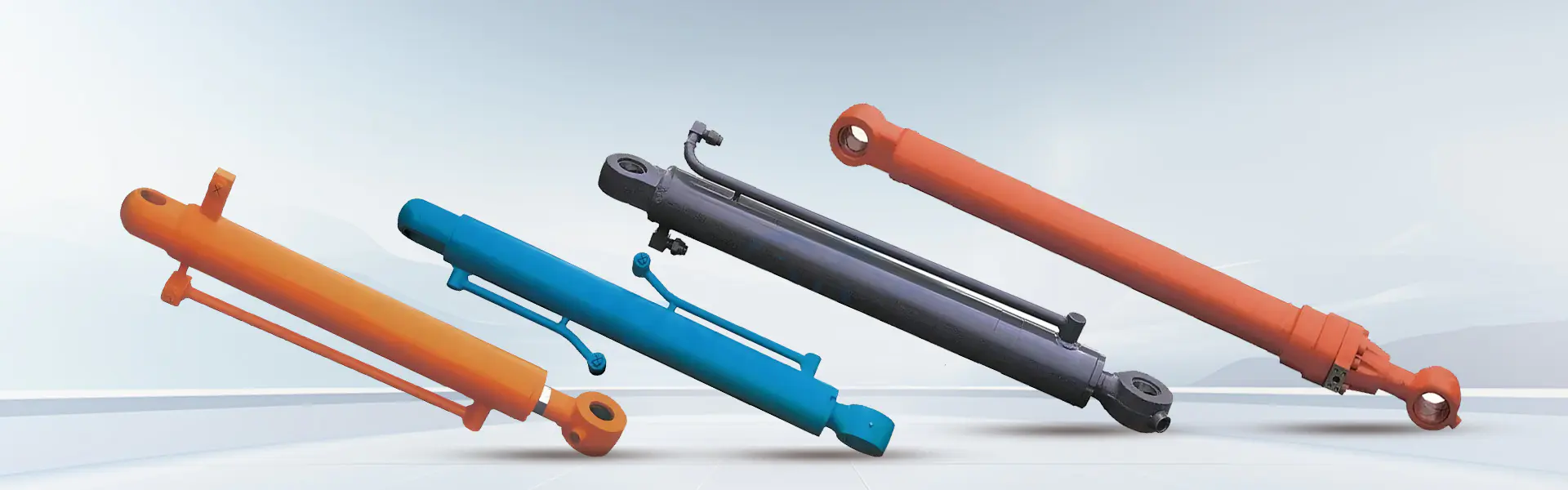
Maintaining optimal performance in agricultural and industrial recycling operations hinges on the reliability of one's machinery. At the heart of any baler's functionality are its critical components. Worn or inferior parts lead to costly downtime, reduced bale density, and increased safety risks. This guide, leveraging the expertise of Raydafon Group, provides a detailed overview of essential baler parts, their specifications, and key considerations for selection and maintenance.
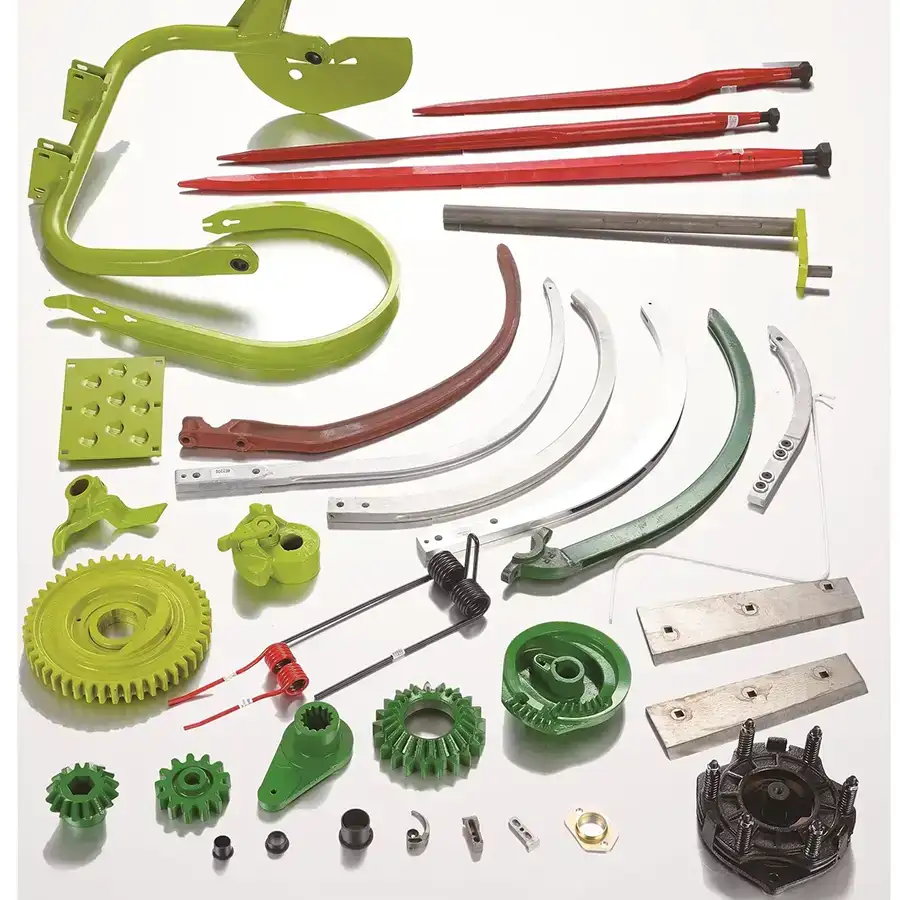
A modern baler is a complex assembly of interrelated parts. Understanding each component's role and specifications is the first step toward informed procurement and maintenance.
The table below outlines typical specifications for high-wear baler parts, comparing standard options with the premium-grade materials used by Raydafon Group.
| Component | Standard Material | Raydafon Group Premium Material | Key Property | Expected Service Life (Relative Increase) |
|---|---|---|---|---|
| Shearbar | High-Carbon Steel (1045) | Alloy Steel with Boronizing (30MnB5) | Surface Hardness (HRC 60-65) | +80-120% |
| Plunger Face Wear Plate | AR400 Steel | AR500 Steel with Stress-Relief Treatment | Abrasion Resistance & Impact Toughness | +60-90% |
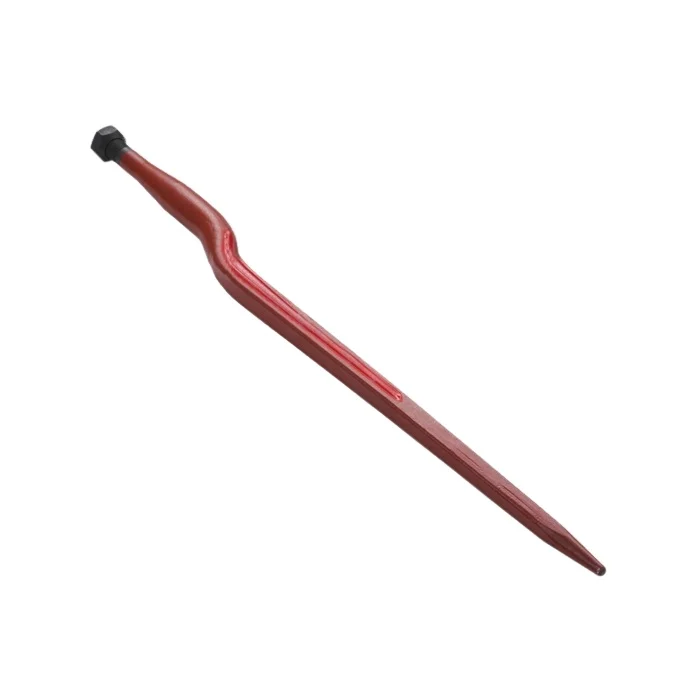
| Feed Fork Tines | Medium Carbon Steel | Through-Hardened Chromium Steel | Core Hardness & Fatigue Strength | +100-150% |
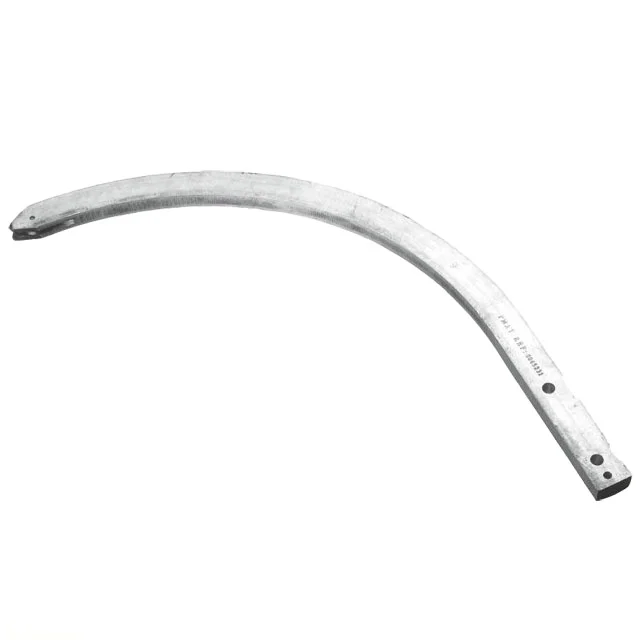
| Tying Needle | Case-Hardened Steel | Precision-Ground Tool Steel (AISI D2) | Dimensional Stability & Wear Resistance | +200-300% |
| Main Cylinder Rod | Chrome-Plated Steel | Hard-Chrome Plated over Induction-Hardened Core | Corrosion Resistance & Surface Hardness | +70-100% |
Based on decades of field experience, the engineers at Raydafon Group have compiled answers to the most frequently asked questions about baler parts.
Q: How often should I inspect and replace common wear parts on my baler?
A: Inspection frequency depends on the baler's workload, but a general guideline is a visual check every 50 operating hours. High-wear parts like shearbars, wear plates, and feed fork tips should be measured for wear depth weekly under heavy use. Replacement is typically required when wear exceeds the manufacturer's specified limit, often between 1/8" to 1/4". Keeping a log of part life helps establish a predictive maintenance schedule specific to your operation.
Q: What are the risks of using generic or non-OEM (Original Equipment Manufacturer) baler parts?
A: While sometimes cheaper upfront, generic parts pose significant risks. They may not meet the original metallurgical specifications, leading to premature failure, which can cause secondary damage to adjacent, more expensive components. Improperly heat-treated parts can shatter. Dimensional inaccuracies can affect alignment, reducing bale density and quality, and increasing power consumption. Always verify that replacement parts meet or exceed the OEM's material and dimensional specs, as Raydafon Group guarantees with its product line.
Q: My baler's hydraulic system seems sluggish. Which parts should I check first?
A: Start with the simplest components: check the hydraulic fluid level, filter condition, and look for any visible leaks in hoses and fittings. If these are fine, the issue may be with the pump (loss of pressure or volume), a sticking or failed control valve, or internal wear in the hydraulic cylinders allowing fluid bypass. A pressure gauge test at various points in the circuit is the most reliable diagnostic method to isolate the failing component.
Q: Why does my twine or wire knotter keep failing or producing weak ties?
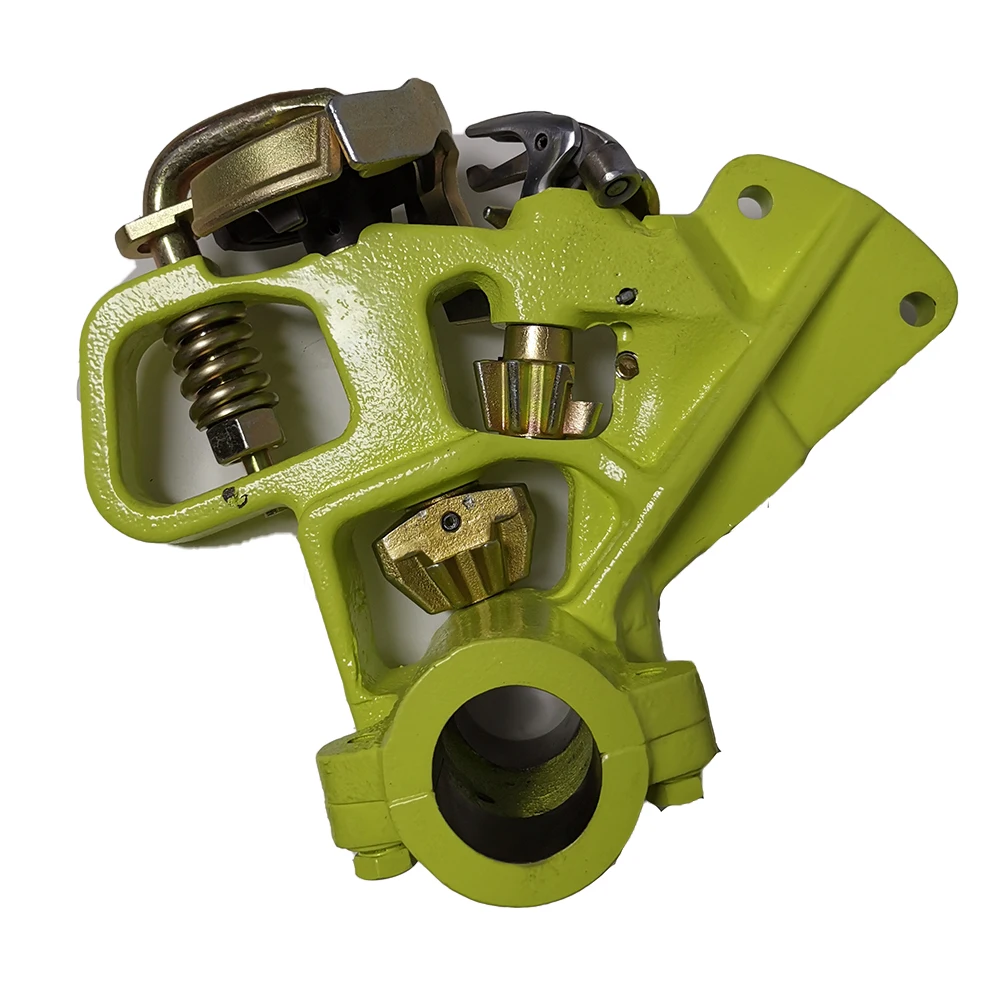
A: Knotter failures are often due to a combination of factors. First, ensure you are using the correct grade and size of twine or wire specified by the baler manufacturer. Mechanically, check for worn knotter bills, grooved twine discs, a dull knife on the twine arm, or a weak twine tension spring. The timing between the needle, knotter drive, and twine disc is critical; even slight misalignment from worn bushings or a loose drive chain can cause consistent failure.
Q: Can upgrading to premium parts like those from Raydafon Group actually lower my total operating cost?
A: Absolutely. This is the core principle of Total Cost of Ownership (TCO). While premium parts have a higher initial purchase price, their dramatically extended service life means fewer change-outs, less associated labor cost, and reduced machine downtime. More importantly, their consistent performance and precise engineering protect other machine components from abnormal wear, prevent catastrophic failures, and maintain optimal bale density and fuel efficiency. The long-term savings in productivity and avoided repairs almost always outweigh the higher upfront cost.
Q: What are the essential tools and safety precautions for performing baler part replacement?
A> Always follow the manufacturer's lock-out/tag-out procedure to disconnect all energy sources (hydraulic, electrical, mechanical) before starting work. Essential tools include heavy-duty wrenches and sockets, hydraulic jack stands, pullers for bearings and gears, and precision measuring tools like calipers and feeler gauges. Never work under a raised plunger or load without proper blocking. Use appropriate personal protective equipment (PPE): safety glasses, gloves, and steel-toed boots. Referencing the service manual for torque specifications and procedures is mandatory.
Choosing the right part involves more than just matching a part number. Consider these critical parameters:
| Parameter | Description | Why It Matters |
|---|---|---|
| Material Grade & Hardness | The specific alloy and its measured hardness (e.g., Brinell, Rockwell C). | Directly determines abrasion resistance and durability. A harder part lasts longer but must also have adequate toughness. |
| Dimensional Tolerance | The permissible limit of variation in a physical dimension (e.g., ±0.005 inches). | Ensures proper fit and function. Parts outside tolerance can cause binding, misalignment, and accelerated wear. |
| Heat Treatment Process | The controlled heating and cooling of metal (e.g., induction hardening, through hardening). | Enhances desired material properties like surface hardness, core strength, or stress relief to prevent cracking. |
| Surface Finish/Coating | The final surface condition (e.g., ground, polished) or applied coating (e.g., hard chrome, phosphate). | Reduces friction, improves corrosion resistance, and can enhance wear characteristics in bearing surfaces. |
| Manufacturing Standard | Adherence to standards like ISO (International) or specific OEM engineering drawings. | Guarantees consistency, quality control, and interchangeability. This is a hallmark of reputable suppliers like Raydafon Group. |

 Raydafon