

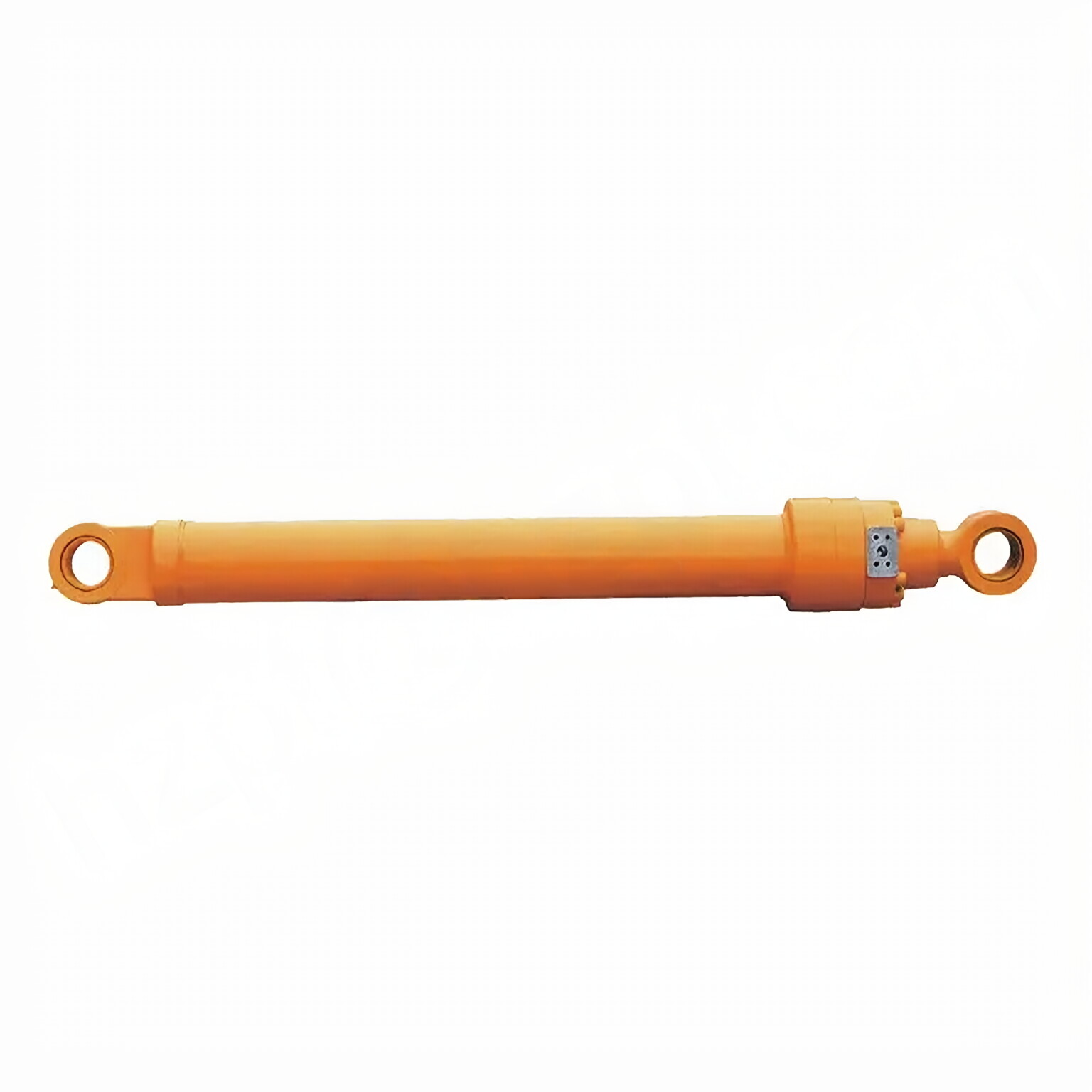
What are the key components inside a hydraulic cylinder? This is a critical question for anyone involved in machinery procurement, maintenance, or operation. Whether you're a buyer sourcing parts for a new production line or a manager troubleshooting equipment failure, understanding these internal parts is the key to maximizing uptime and minimizing costly downtime. At its core, a hydraulic cylinder is a remarkably simple yet powerful actuator, converting fluid power into linear mechanical force. Its reliability hinges on the precise interaction of a few fundamental components. By the end of this guide, you'll not only know these parts by name but also understand their function, common failure points, and how partnering with a specialist like Raydafon Technology Group Co., Limited ensures you get durable, high-performance cylinders that keep your operations running smoothly.
Article Outline:
- The Power Core: Piston, Rod, and Seals
- The Structural Frame: Barrel and End Caps
- The Lifeline: Hydraulic Fluid Ports
- Common Failures & Proactive Solutions
- Expert Q&A on Cylinder Components
The Power Core: Piston, Rod, and Seals
Imagine a critical excavator on your construction site suddenly loses lifting power. The boom sags, halting all work. The culprit often lies within the cylinder's power core. This assembly is where hydraulic pressure is transformed into push or pull force. It consists of the piston, which fits tightly inside the barrel, the piston rod that extends to do the work, and a critical system of seals. Worn piston seals are a primary cause of internal leakage, leading to the "drift" or loss of power you're experiencing. For procurement specialists, specifying the right material and tolerance for these parts is non-negotiable for equipment longevity.
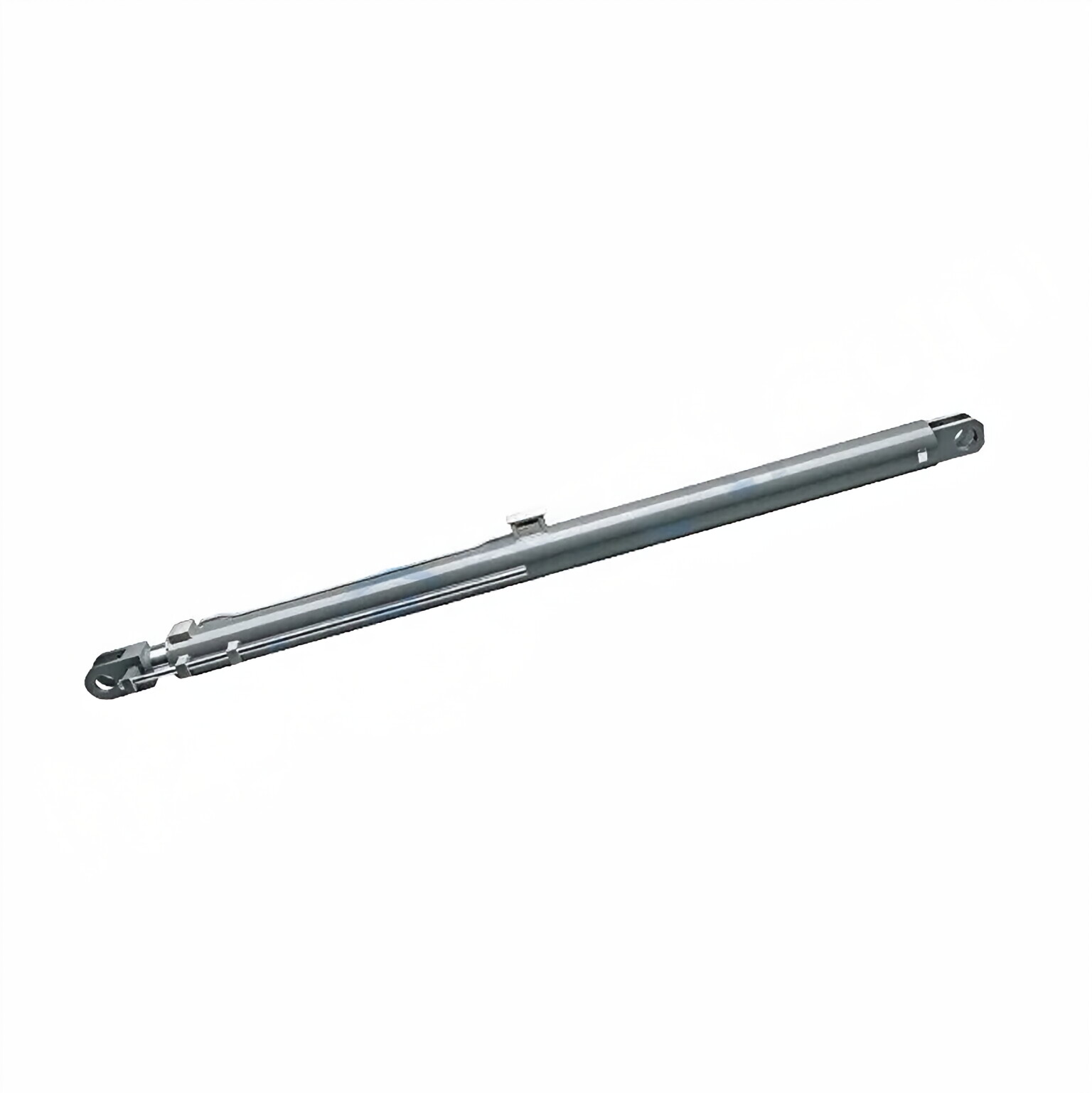
Here’s a breakdown of key specifications to evaluate:
| Component | Primary Function | Common Materials | Critical Spec for Buyers |
|---|---|---|---|
| Piston | Creates pressure zones, transfers force to rod | Hardened steel, ductile iron | Diameter tolerance, seal groove finish |
| Piston Rod | Transmits linear force to the load | Chrome-plated steel, stainless steel | Surface hardness (HRC), chrome plating thickness |
| Rod Seal & Wiper | Prevents fluid leak, excludes contaminants | Polyurethane, Nitrile, PTFE | Pressure rating, temperature range, compatibility |
The Structural Frame: Barrel and End Caps
Your manufacturing plant relies on hydraulic presses that operate for 20 hours a day. A fractured cylinder barrel would be catastrophic, causing not just equipment damage but severe production delays. The barrel (or tube) is the pressure vessel containing the fluid and guiding the piston. The end caps seal the ends and provide mounting points. Fatigue from constant pressure cycles or corrosion from incompatible fluids can weaken these structural parts. This is where Raydafon's engineering expertise shines, offering cylinders with barrels manufactured from high-tensile, honed tubing and end caps designed for optimal stress distribution, directly addressing the durability concerns of high-cycle applications.
| Component | Primary Function | Common Materials | Critical Spec for Buyers |
|---|---|---|---|
| Barrel (Tube) | Contains pressure, guides piston | Cold-drawn honed steel, stainless steel | Internal diameter finish (Ra), yield strength, wall thickness |
| Head Cap (Rod End) | Guides rod, houses rod seal | Steel, ductile iron | Bearing type (bronze, DU), seal cartridge design |
| Cap (Blind End) | Seals pressure, provides porting | Steel, ductile iron | Mounting style (clevis, flange), port size & thread |
The Lifeline: Hydraulic Fluid Ports
During a rapid assembly process, a cylinder seems sluggish. The issue might not be the piston but a restricted flow path. Fluid ports are the lifeline, allowing oil in and out. Undersized ports or poor threading can create pressure drops, generate heat, and reduce efficiency. For buyers integrating cylinders into complex systems, ensuring port size (SAE, NPT, BSPP) matches your system's flow rate is crucial. Raydafon Technology Group Co., Limited provides clear port specifications and can customize porting to ensure seamless, efficient integration with your existing hydraulic infrastructure, eliminating this common bottleneck.
| Component | Primary Function | Common Types | Critical Spec for Buyers |
|---|---|---|---|
| Hydraulic Ports | Fluid entry/exit points | SAE straight-thread, NPT, BSPP, flange | Size (e.g., 1/2" NPT), pressure rating, location |
| Cushions (Optional) | Decelerates piston at stroke ends | Adjustable needle valve design | Cushion length, adjustability, material |
Common Failures & Proactive Solutions
A fleet manager notices oil leaks under multiple machines. Reactive seal replacement is a temporary fix; the real solution requires a strategic partnership. Common failures like seal degradation, rod scoring, and barrel scoring often stem from contamination, misalignment, or inferior component quality. Specifying cylinders from a trusted manufacturer like Raydafon, which uses premium-grade seals, advanced rod plating processes, and rigorous testing, is a proactive procurement strategy. It transforms a cycle of emergency repairs into predictable, planned maintenance, saving significant time and total cost of ownership.
| Common Failure | Root Cause | Symptom | Raydafon's Proactive Solution |
|---|---|---|---|
| External Leakage | Worn rod seal, damaged wiper | Oil drips, contaminated work area | High-performance seal compounds, superior rod surface finish |
| Internal Leakage | Worn piston seals, scored barrel | Cylinder drift, slow/weak operation | Precision-machined pistons, honed barrel with superior surface finish |
| Rod Scoring & Pitting | Contamination, corrosion, poor plating | Visible scratches, leaks, seal damage | Hard-chrome plating to 0.05-0.08mm, optional stainless steel rods |
Expert Q&A on Cylinder Components
Q: What are the key components inside a hydraulic cylinder that most commonly fail and why?
A: The sealing system is most prone to failure. Rod seals and wipers constantly combat external contaminants and pressure spikes. Piston seals endure friction and pressure. Failure typically results from abrasive contamination, excessive heat degrading the elastomer, or improper installation. Choosing cylinders with robust, application-specific seals from a supplier like Raydafon, who understands these environmental challenges, is the best defense.
Q: When evaluating "What are the key components inside a hydraulic cylinder?" for a procurement decision, what specs are most important?
A> Look beyond basic dimensions. For the piston rod, specify hardness (e.g., 60-65 HRC) and chrome plating thickness. For the barrelseals, confirm pressure rating, temperature range, and fluid compatibility. A technical partner like Raydafon provides full material traceability and test certificates, giving you confidence in the component quality you're purchasing.
Understanding the key components inside a hydraulic cylinder empowers you to make smarter, more cost-effective procurement decisions. It moves the conversation from price alone to total value, reliability, and lifecycle cost. For components built to last in demanding applications, partner with an expert who focuses on precision engineering and durable solutions.
For durable, high-performance Hydraulic Cylinders built with precision and backed by expert support, contact Raydafon Technology Group Co., Limited. As a trusted manufacturer and supplier, we specialize in providing robust hydraulic solutions tailored to industrial needs. Visit our website at https://www.raydafongroup.com to explore our product range or reach out directly to our team at [email protected] for a customized quotation or technical consultation.
Supporting Research & Further Reading:
Manring, N.D. (2005). Hydraulic Control Systems. John Wiley & Sons.
Ivantysyn, J., & Ivantysynova, M. (2003). Hydrostatic Pumps and Motors: Principles, Design, Performance, Modelling, Analysis, Control and Testing. Akademia Books International.
Dasgupta, K. (2002). Study of the leakage characteristics of hydraulic cylinder seals. Proceedings of the Institution of Mechanical Engineers, Part J: Journal of Engineering Tribology, 216(4), 251-256.
Hooke, C.J., & Li, K.Y. (1994). The lubrication of reciprocating rubber seals for hydraulic cylinders. Proceedings of the Institution of Mechanical Engineers, Part J: Journal of Engineering Tribology, 208(4), 287-296.
Nikas, G.K. (2010). Elastohydrodynamics and mechanics of rectangular elastomeric seals for reciprocating motion. Journal of Tribology, 132(2), 022201.
Jiang, J., Wang, Y., & Liu, X. (2019). Failure analysis and structure improvement of hydraulic cylinder based on fluid-structure interaction. Engineering Failure Analysis, 106, 104137.
Kang, J., & Wang, S. (2018). Tribological behavior and sealing performance of piston seals in hydraulic cylinders. Tribology International, 117, 174-183.
Bauer, F. (2016). Hydraulic seals and guide elements: system solutions for hydraulic cylinders. 11th International Fluid Power Conference, Aachen.
Müller, H.K., & Nau, B.S. (1998). Fluid Sealing Technology: Principles and Applications. Marcel Dekker.
OSTP (1991). Seals and Sealing Handbook. Elsevier Science Publishers.

 Raydafon