
In the realm of material handling, automation, and conveyance, the choice of components is critical for efficiency, safety, and cost-effectiveness. While metal chains have been the traditional go-to, Plastic chains have emerged as a superior alternative in a vast array of applications. Engineered for performance and durability, these chains offer a compelling combination of lightweight design, corrosion resistance, low noise operation, and minimal maintenance requirements. The Raydafon Group, a leader in precision-engineered conveying solutions, specializes in manufacturing high-performance plastic chains that meet the rigorous demands of modern industry. This guide delves into the specifications, benefits, and applications of our premium plastic chain systems.
Choosing Raydafon plastic chains provides distinct operational benefits:
Raydafon Group's plastic chains are manufactured from high-grade engineering polymers. Our product range is categorized by material type, each suited for specific operational conditions.
| Series Code | Material | Pitch (mm) | Inner Width (mm) | Tensile Strength (kN) | Max. Working Temp. | Primary Application |
|---|---|---|---|---|---|---|
| RC-POM10 | Acetal (POM) | 25.4 | 12.7 | 1.8 | 80°C / 176°F | Precision assembly, small parts conveying |
| RC-PP25 | Polypropylene (PP) | 38.1 | 25.4 | 2.5 | 100°C / 212°F | Bottling, packaging, washdown areas |
| RC-NYL38 | Nylon 6 (PA6) | 50.8 | 38.1 | 4.2 | 120°C / 248°F | Automotive components, heavier loads |
| RC-UHMW50 | UHMW-PE | 76.2 | 50.8 | 3.8 | 85°C / 185°F | Bulk material handling, high-wear zones |
Raydafon plastic chains can be customized with various attachments to fulfill specific functional needs:
The versatility of Raydafon plastic chains makes them suitable for diverse sectors:
Q: How do I select the right plastic chain material for my application?
A: Material selection depends on several factors: the weight and type of product being conveyed, environmental conditions (temperature, exposure to chemicals or moisture), required wear life, and hygiene needs. For example, use Acetal (POM) for low-friction, precision needs; Polypropylene (PP) for chemical resistance and washdowns; Nylon for high strength and temperature; and UHMW-PE for exceptional impact and wear resistance. The Raydafon Group engineering team can provide a detailed consultation based on your specific parameters.
Q: Can plastic chains handle the same load as steel chains?
A: While the tensile strength of plastic is lower than steel, modern engineering polymers are remarkably strong. Raydafon plastic chains are designed to handle significant loads for their weight class. The key advantage is the strength-to-weight ratio. For many applications, especially where corrosion, cleanliness, or noise are concerns, a properly specified plastic chain system is not only adequate but often outperforms steel in total cost of ownership. Heavy-duty nylon series, like our RC-NYL38, are capable of handling substantial loads in industrial settings.
Q: Are plastic chains suitable for high-temperature environments?
A: Each polymer has a maximum continuous operating temperature. Standard Acetal chains are typically rated up to 80-90°C (176-194°F), while Polypropylene can handle up to 100°C (212°F), and Nylon up to 120°C (248°F). For applications involving higher temperatures or thermal cycling, it is crucial to consult the technical data sheet and speak with a Raydafon specialist to select a chain material with appropriate thermal stability or to consider alternative solutions.
Q: How do I maintain and clean a plastic chain conveyor system?
A: Maintenance is minimal. Most Raydafon plastic chains are self-lubricating or require only occasional lubrication with a compatible, non-petroleum-based lubricant. Cleaning is straightforward: use mild detergents and water. Avoid abrasive cleaners or high-pressure sprays directly on bearing areas. For sanitary applications, chains can be cleaned with steam or industry-standard sanitizing agents without risk of corrosion.
Q: Can I get custom-designed plastic chains for a unique application?
A: Absolutely. The Raydafon Group prides itself on its engineering and customization capabilities. We can manufacture chains with unique pitches, widths, heights, and custom-molded attachments to integrate seamlessly into your specialized machinery or process flow. We work with clients to develop prototypes and production runs for bespoke conveying solutions.
Q: What sprockets are compatible with Raydafon plastic chains?
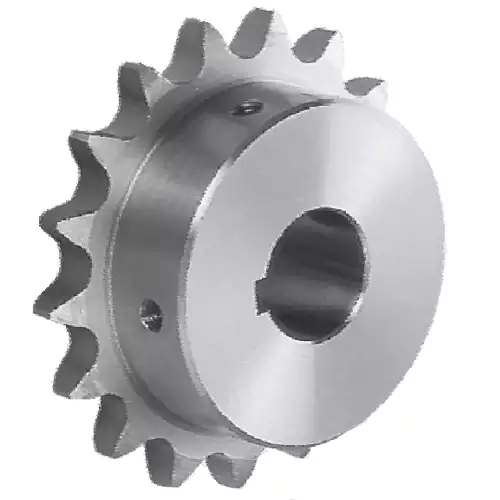
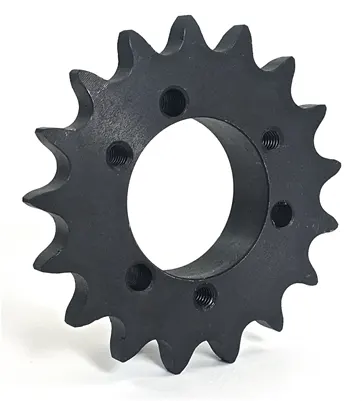
A: For optimal performance and longevity, it is essential to use sprockets designed specifically for the chain's pitch and profile. Raydafon Group supplies matching plastic or metal sprockets engineered to mesh perfectly with our chains, ensuring smooth engagement, reduced wear, and extended system life. Using mismatched sprockets can lead to premature chain failure.

 Raydafon