
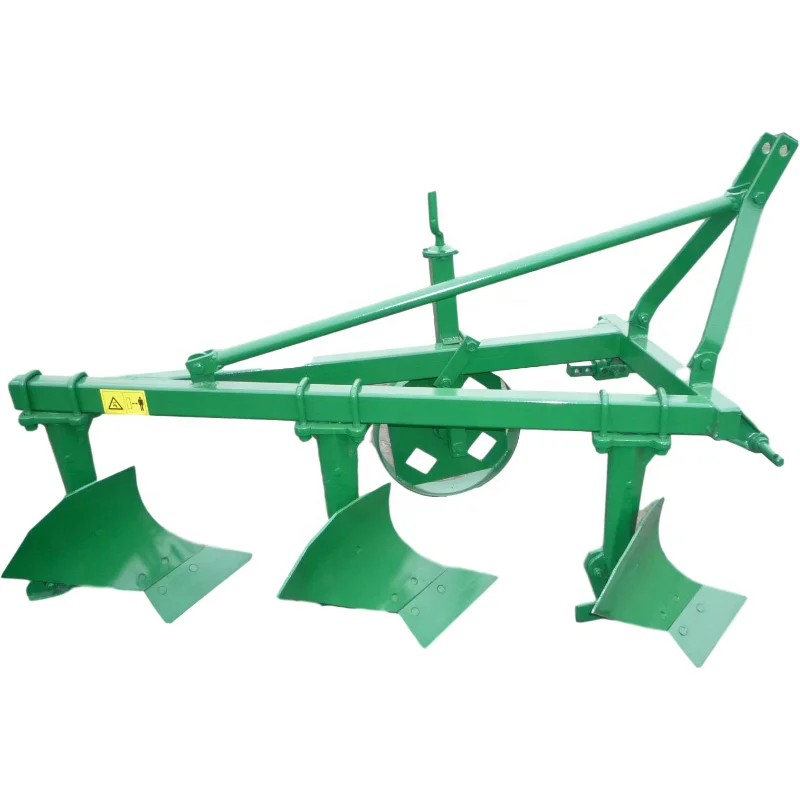
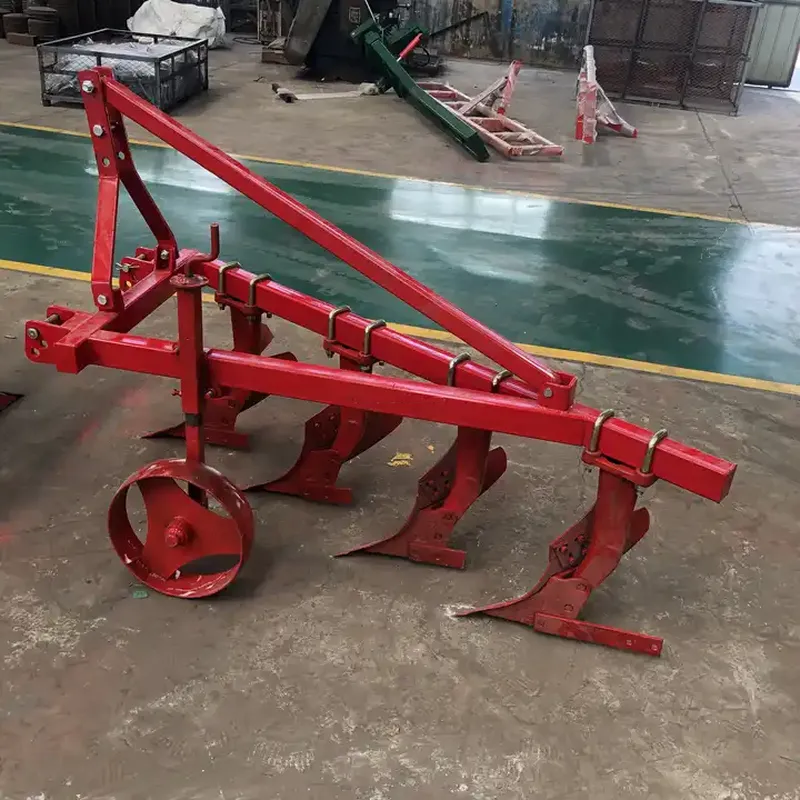
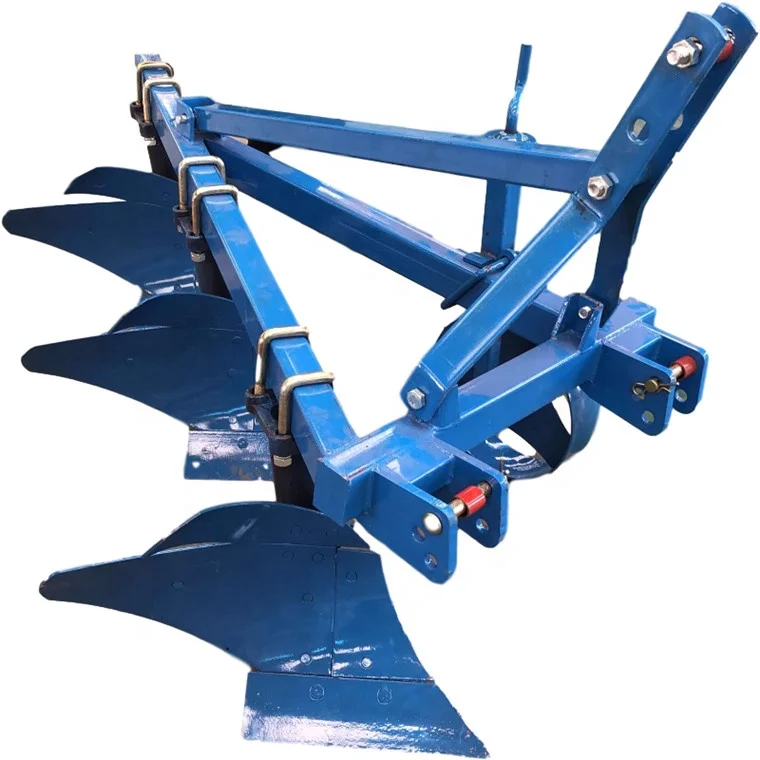
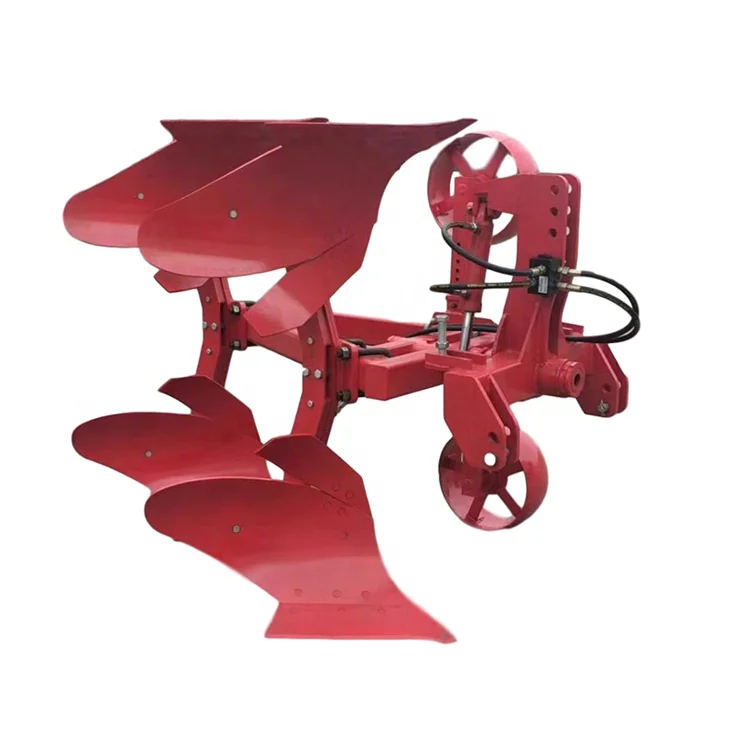
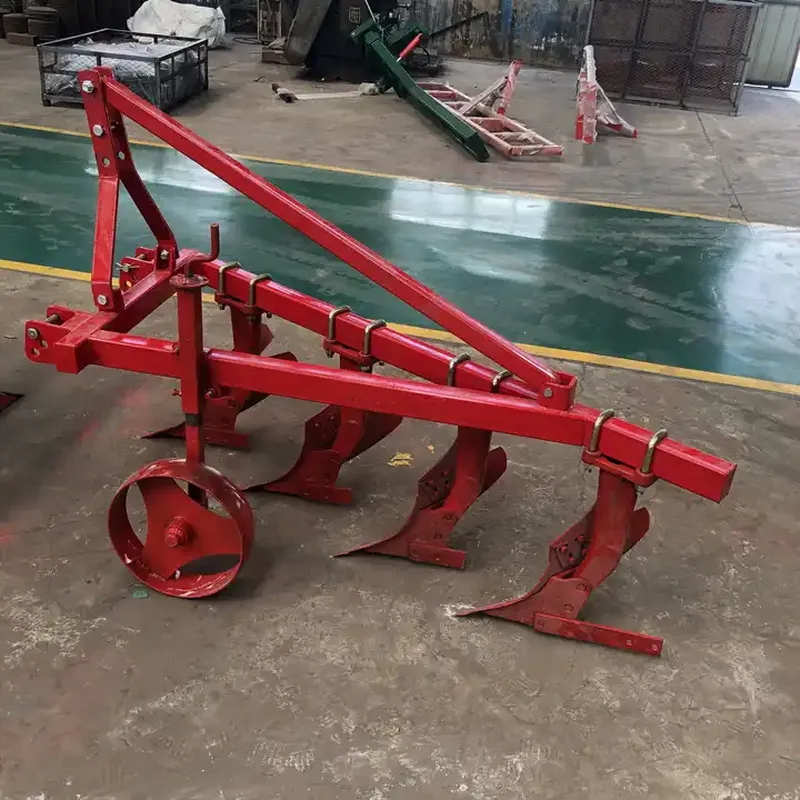
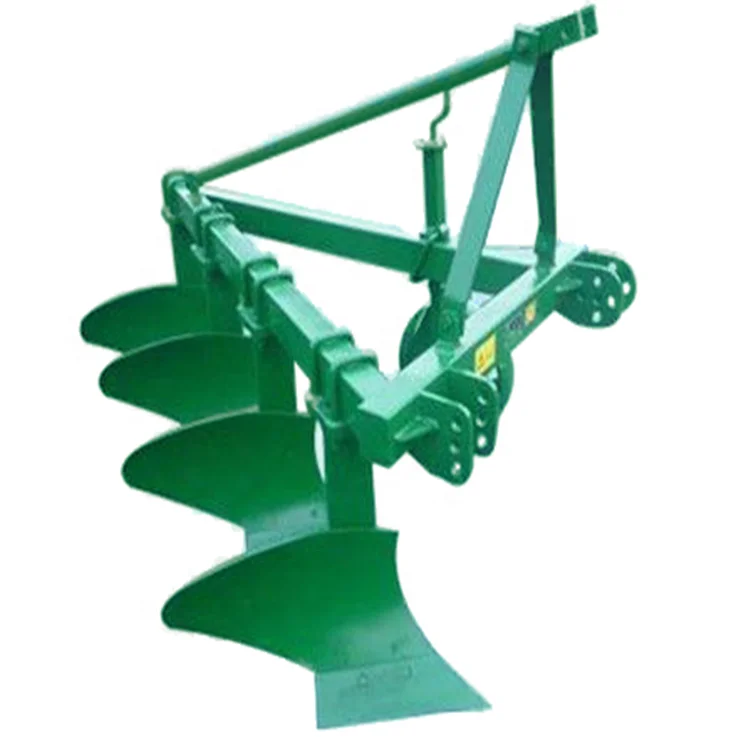
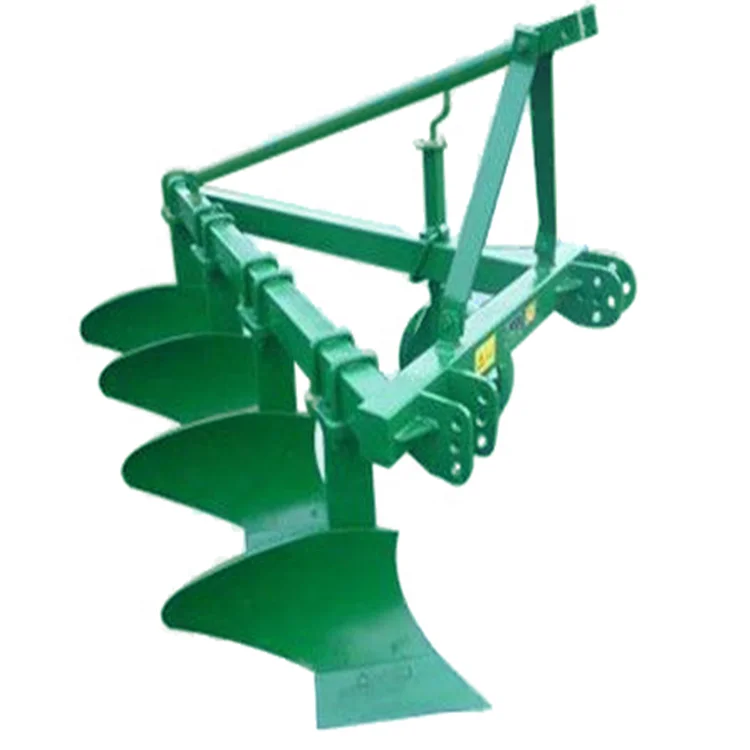
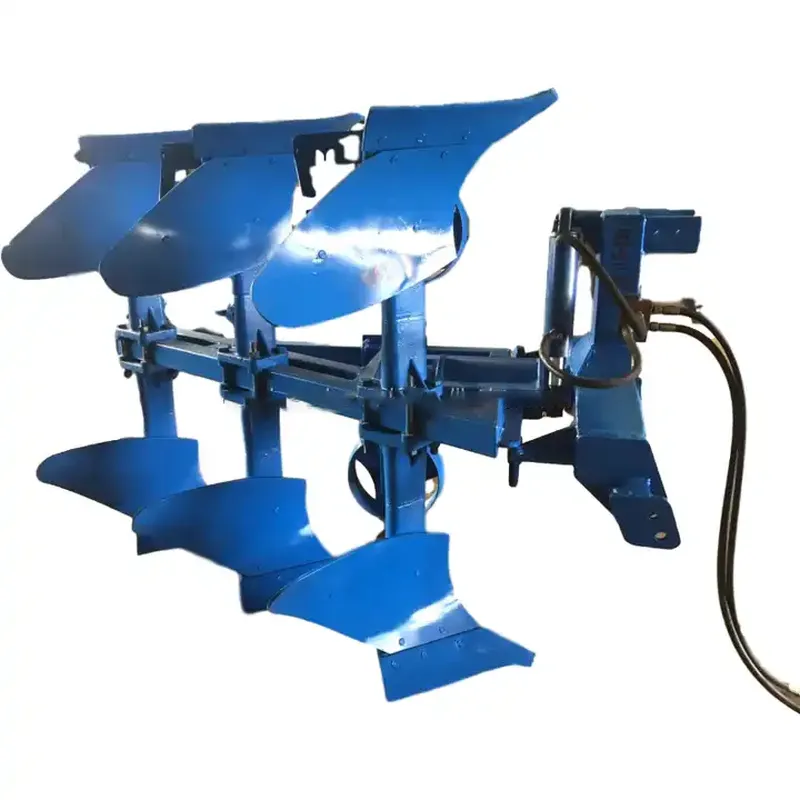
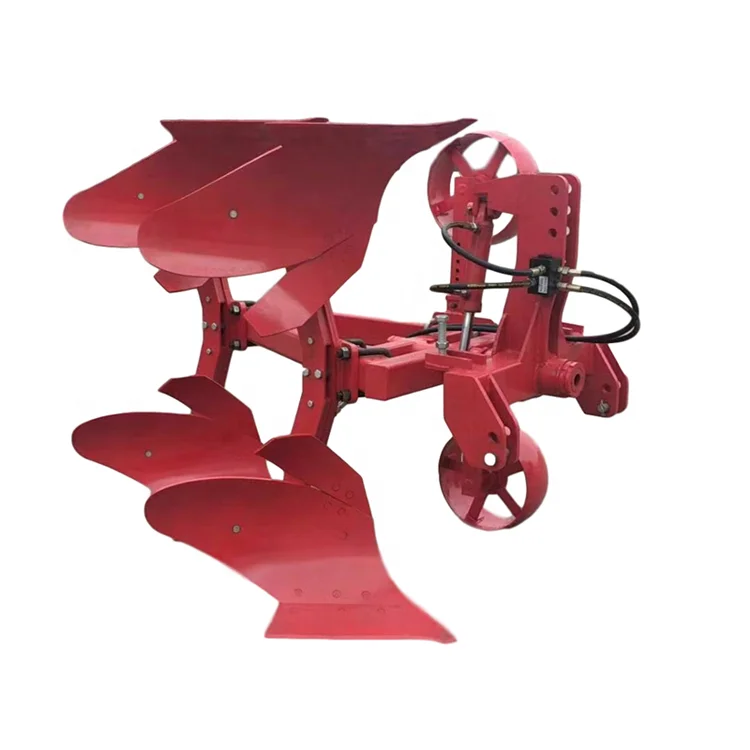
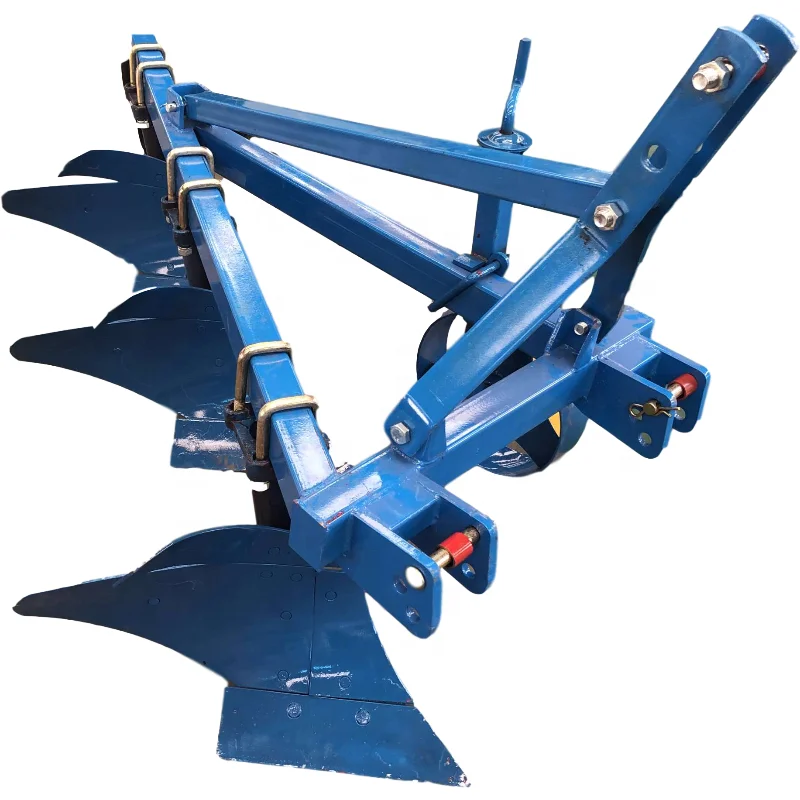
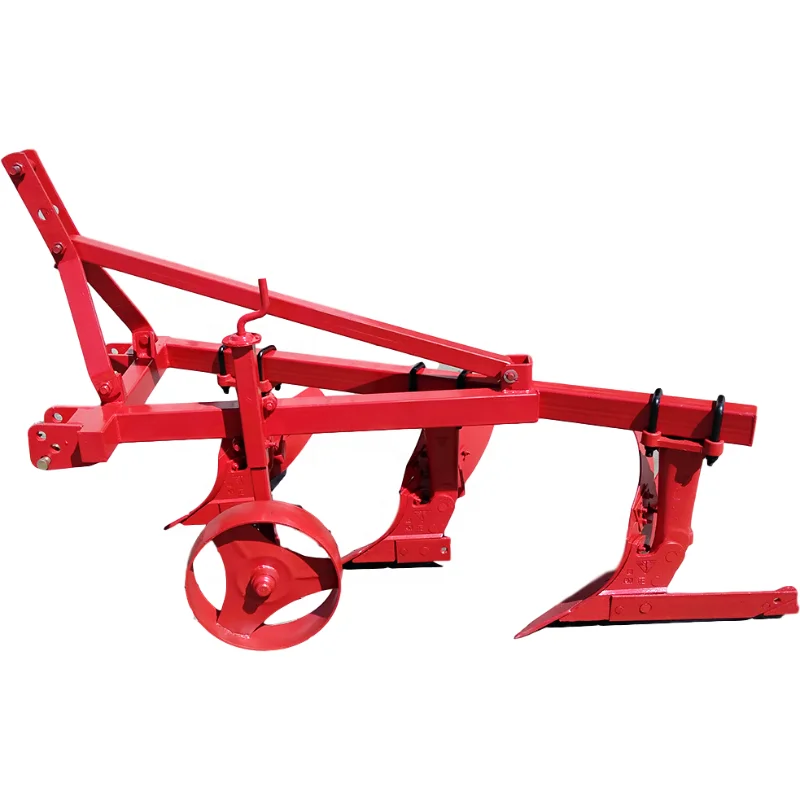
A Furrow Plough is a fundamental agricultural implement designed for primary tillage. Its primary function is to cut, lift, invert, and pulverize the soil, preparing a clean seedbed for planting. By turning the soil over, it buries crop residues, weeds, and organic matter, which aids in pest and disease control while promoting decomposition to enrich the soil. Modern furrow ploughs are engineered for efficiency, durability, and compatibility with various tractor sizes and soil conditions, making them indispensable for successful crop establishment.
Raydafon Group engineers its furrow ploughs with precision and robustness, ensuring they meet the demanding needs of modern farming. Our ploughs are built from high-grade steel and incorporate advanced design principles for optimal performance and longevity.
| Model Series | Number of Bodies | Working Width (per body) | Max. Working Depth | Recommended Tractor HP | Frame Type |
|---|---|---|---|---|---|
| Raydafon RP-3 Series | 2, 3, 4 | 14" / 35 cm | 12" / 30 cm | 70 - 120 HP | Semi-Mounted |
| Raydafon RP-5 Series | 4, 5, 6 | 16" / 40 cm | 14" / 35 cm | 110 - 180 HP | Fully-Mounted |
| Raydafon RP-8 Heavy Duty | 6, 8, 10 | 18" / 45 cm | 16" / 40 cm | 180 - 300+ HP | Trailed |
| Component | Material & Specification | Raydafon Advantage |
|---|---|---|
| Share (Point) | Boron Steel, Bolt-On Replaceable | Exceptional wear life, easy and cost-effective replacement. |
| Mouldboard | Chilled Cast Steel or Pressed Steel | Polished surface for smooth scouring, excellent soil inversion. |
| Landside & Heel | Hardened Steel with Replaceable Heel | Absorbs side thrust, ensures stable tracking and furrow wall stability. |
| Frame | High-Tensile Steel Box Section | Maximum strength with reduced weight, resists bending and torsion. |
| Disc Coulter (Optional) | Sharpened, Hardened Steel Disc | Cleanly cuts residue ahead of the share for smoother operation in trashy conditions. |
What is the difference between a mouldboard plough and a disc plough?
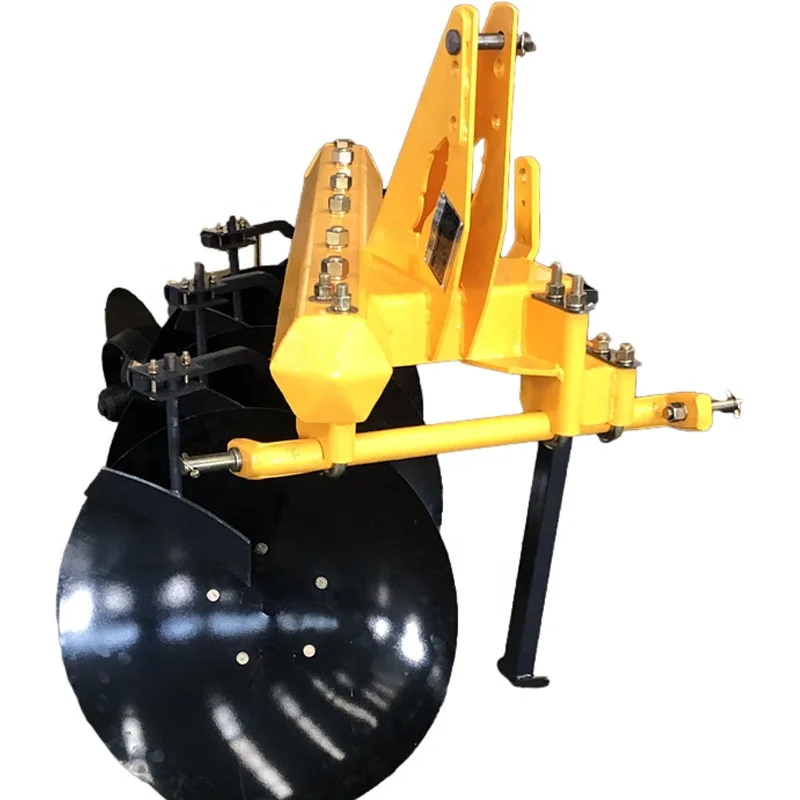
A mouldboard plough, like the standard furrow plough, uses a curved mouldboard to completely invert the soil slice. It's excellent for burying weeds and residue. A disc plough uses a series of concave discs to cut and mix the soil, with less inversion. Disc ploughs are often preferred in harder, drier, or more abrasive soils where a mouldboard might struggle with scouring.
How often should I replace the ploughshares on my Raydafon plough?
Replacement frequency depends entirely on soil abrasiveness and acreage worked. In sandy or stony soils, shares wear faster. As a rule, inspect the point regularly. When it is worn down by about 50-60% of its original length, replacement is needed to maintain proper cutting geometry, depth control, and to avoid overloading the tractor. Raydafon's bolt-on design makes this a quick and simple task.
Can I use a furrow plough for all types of soil?
While highly versatile, furrow ploughs are best suited for loamy, clay, and silt soils with good moisture content. They are ideal for turning over cover crops and preparing seedbeds. In very sandy, extremely wet, or heavily rock-laden soils, operation can be less efficient and may cause excessive wear. Consulting your local Raydafon dealer can provide specific advice for your land conditions.
How do I set the correct ploughing depth?
Correct depth is crucial. Aim to plough to the depth of your topsoil layer, typically 8-12 inches (20-30 cm). Adjust the tractor's hydraulic lower linkage or the plough's depth wheel. Start shallow and increase until the desired depth is reached, ensuring all bodies are working evenly. Consistent depth ensures uniform burial of residue and a level seedbed.
What maintenance does my Raydafon furrow plough require?
Regular maintenance is key. After each use, clean off soil and debris. Grease all lubrication points (pivot pins, bearings) as per the manual. Before storage, apply a light oil coat to all steel surfaces to prevent rust. Periodically check and tighten all bolts and nuts. Inspect shares, landsides, and mouldboards for wear and replace worn parts promptly to maintain performance.
Why is my plough not scouring (shedding soil cleanly) properly?
Poor scouring is often caused by ploughing in soil that is too sticky or wet, using a worn or polished mouldboard that has lost its correct curvature, or incorrect mounting/setting of the plough. Ensure the mouldboards are clean and in good condition. Adjust the plough's pitch and side tilt according to the manual. Sometimes, operating slightly shallower or waiting for better soil conditions resolves the issue.
What size plough (number of bodies) do I need for my tractor?
The general rule is to allocate 20-25 horsepower per standard plough body. For example, a 100 HP tractor can typically handle a 4-5 body plough in average conditions. Always refer to the Raydafon Group specifications for each model, which provide a recommended horsepower range. Consider your soil type—heavier soils require more power per body.

 Raydafon