
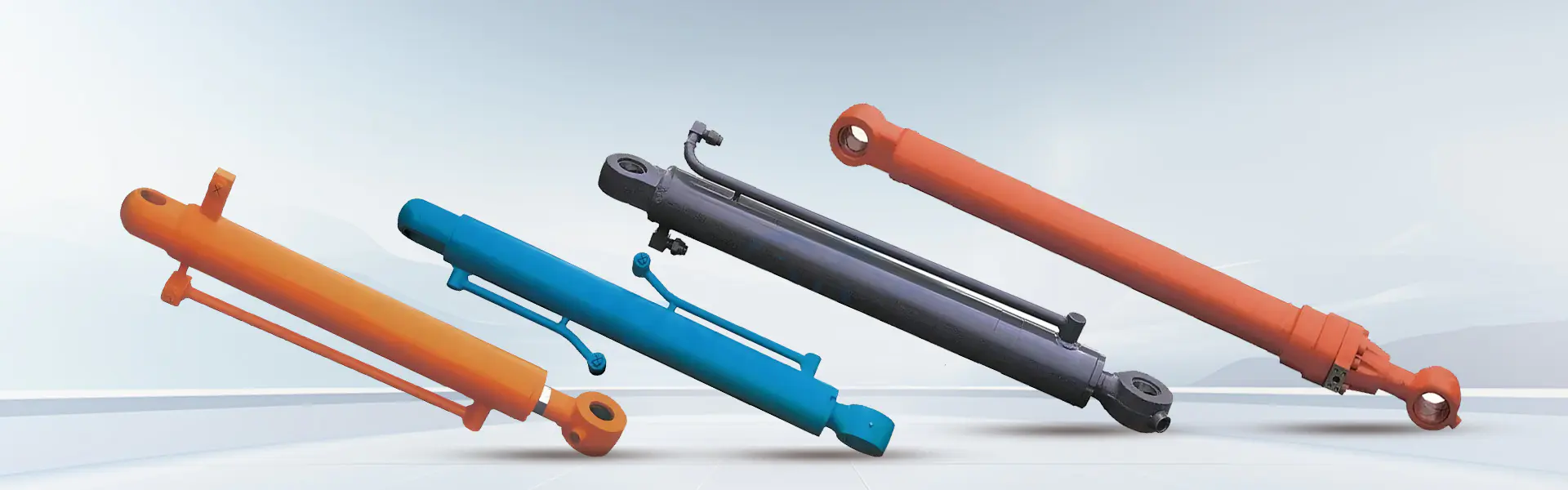
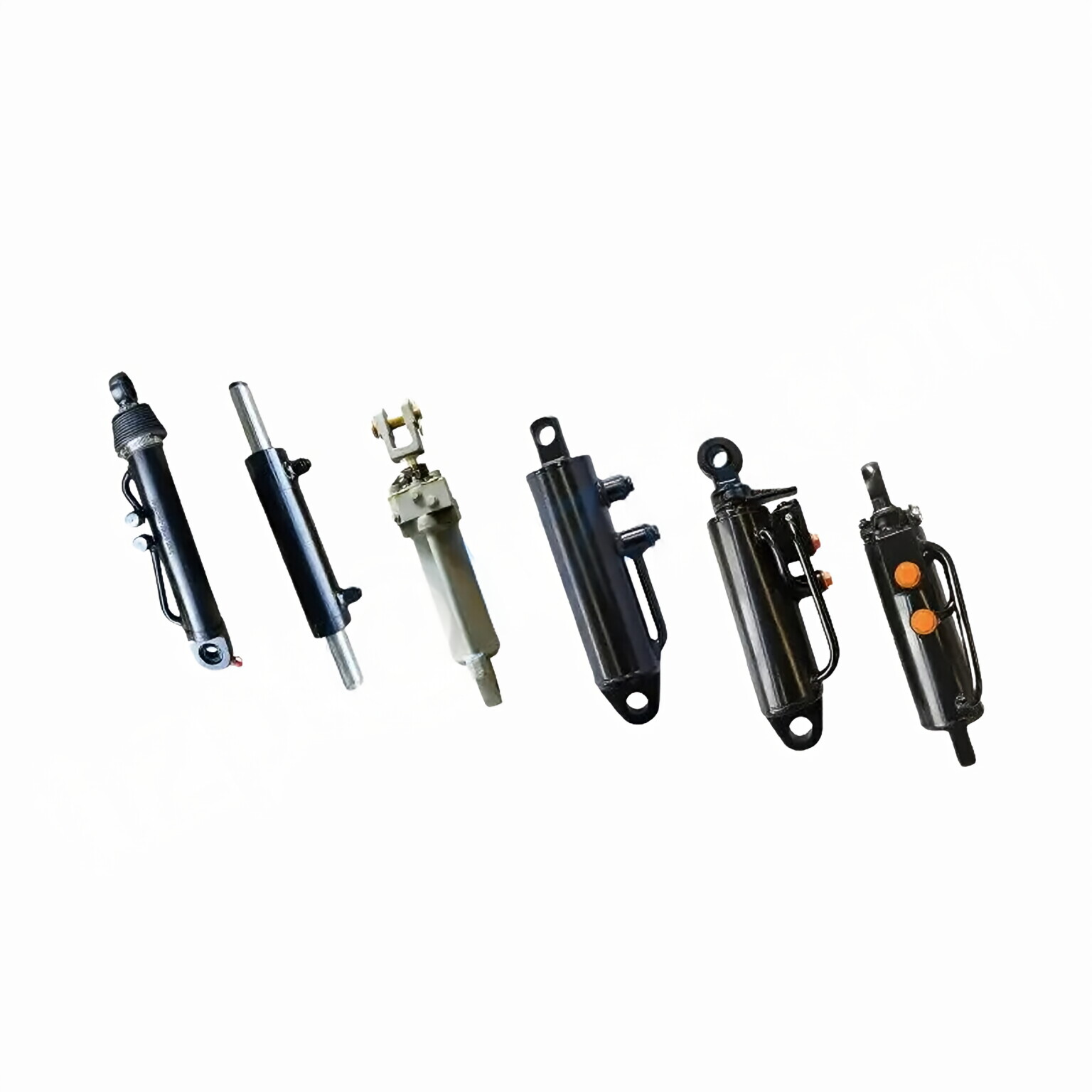
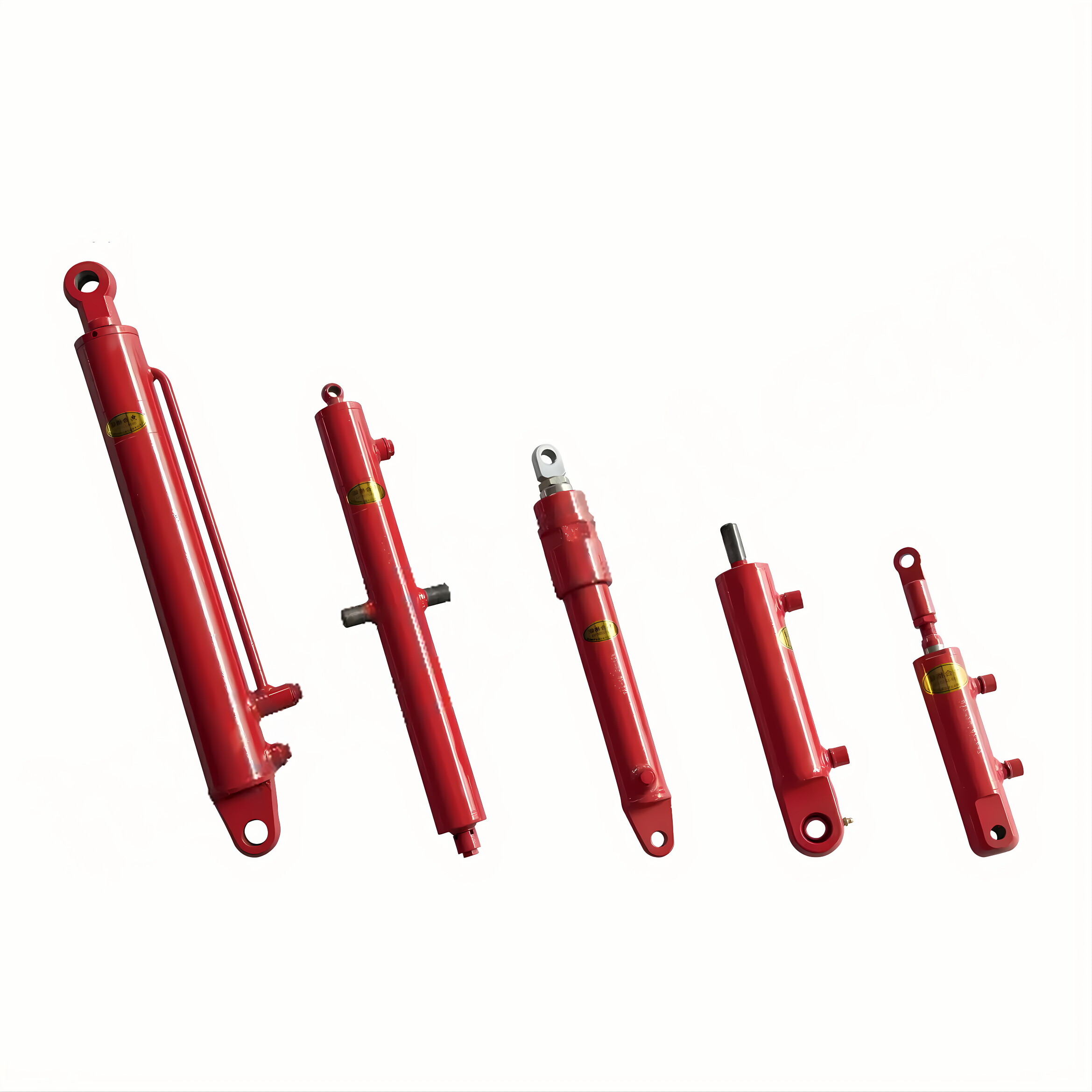
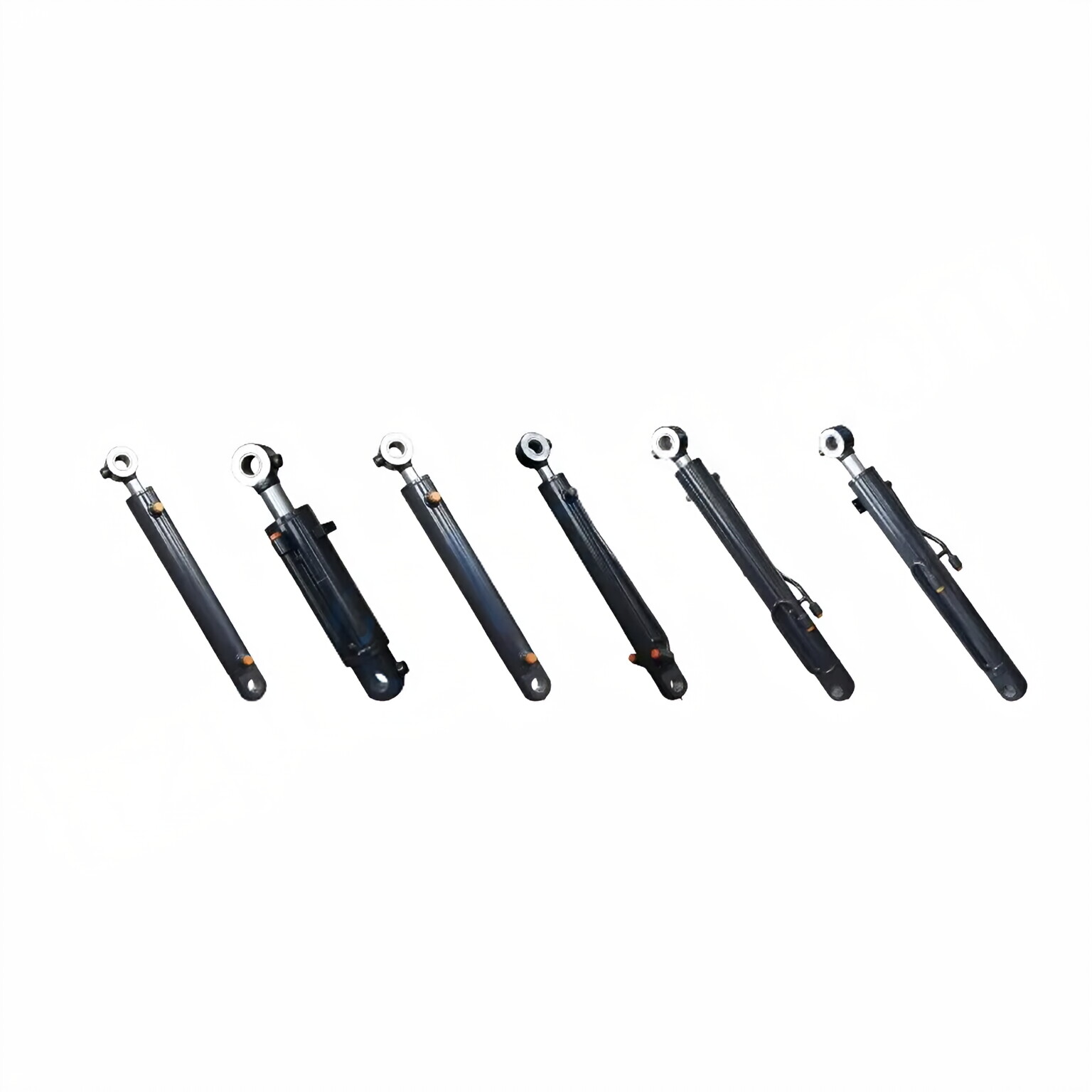
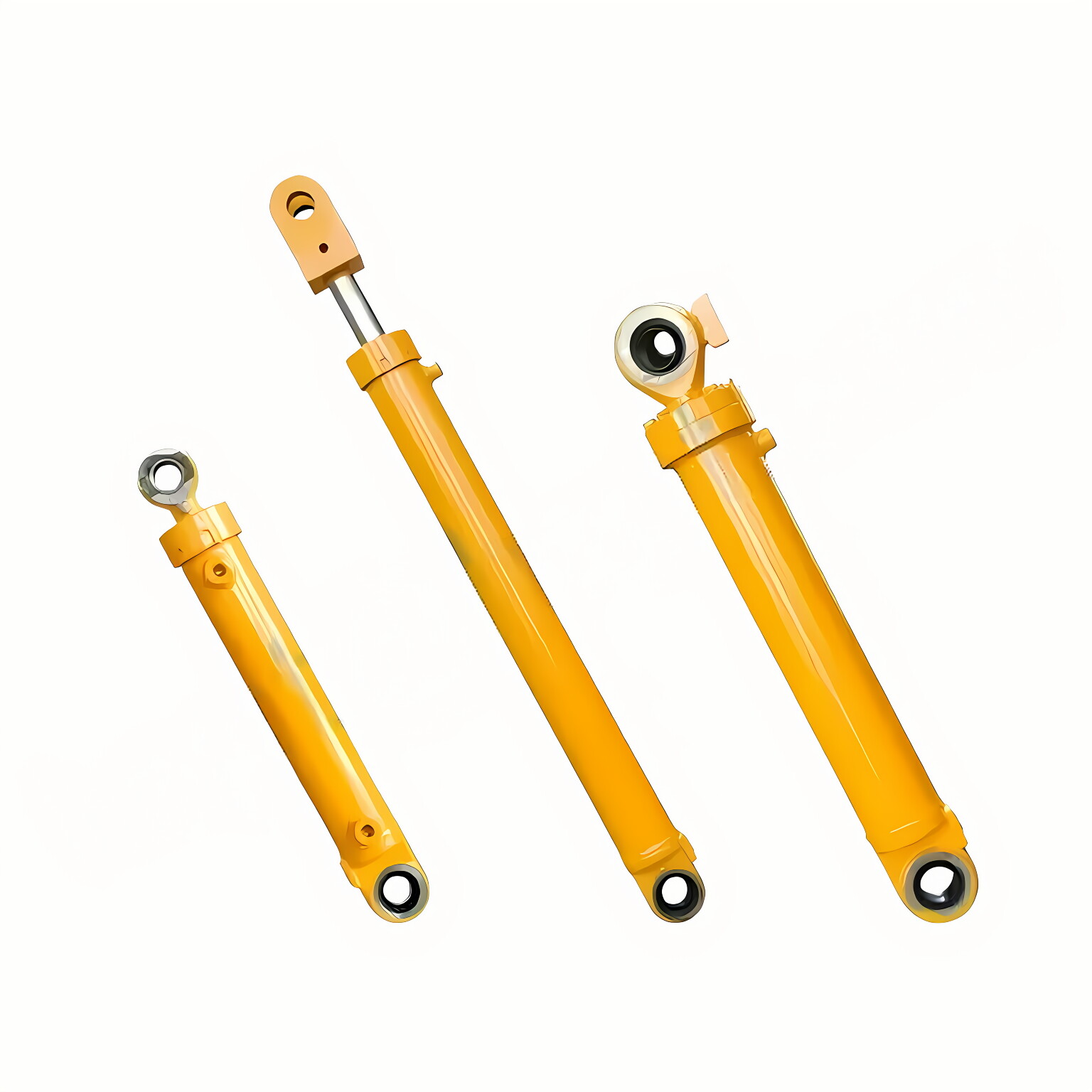
For over four decades, the Raydafon Group has stood at the forefront of industrial innovation, engineering solutions that drive progress. At the heart of countless mechanical systems, from colossal construction machinery to precision manufacturing equipment, lies a fundamental component: the Hydraulic Cylinder. This workhorse of the industrial world converts the energy of pressurized hydraulic fluid into powerful linear force and motion. As a seasoned industry expert, I understand that selecting the right cylinder is not just a purchase; it's an investment in reliability, efficiency, and safety. This guide is designed to demystify hydraulic cylinders, providing a comprehensive look at their specifications, applications, and the critical factors to consider for optimal performance.
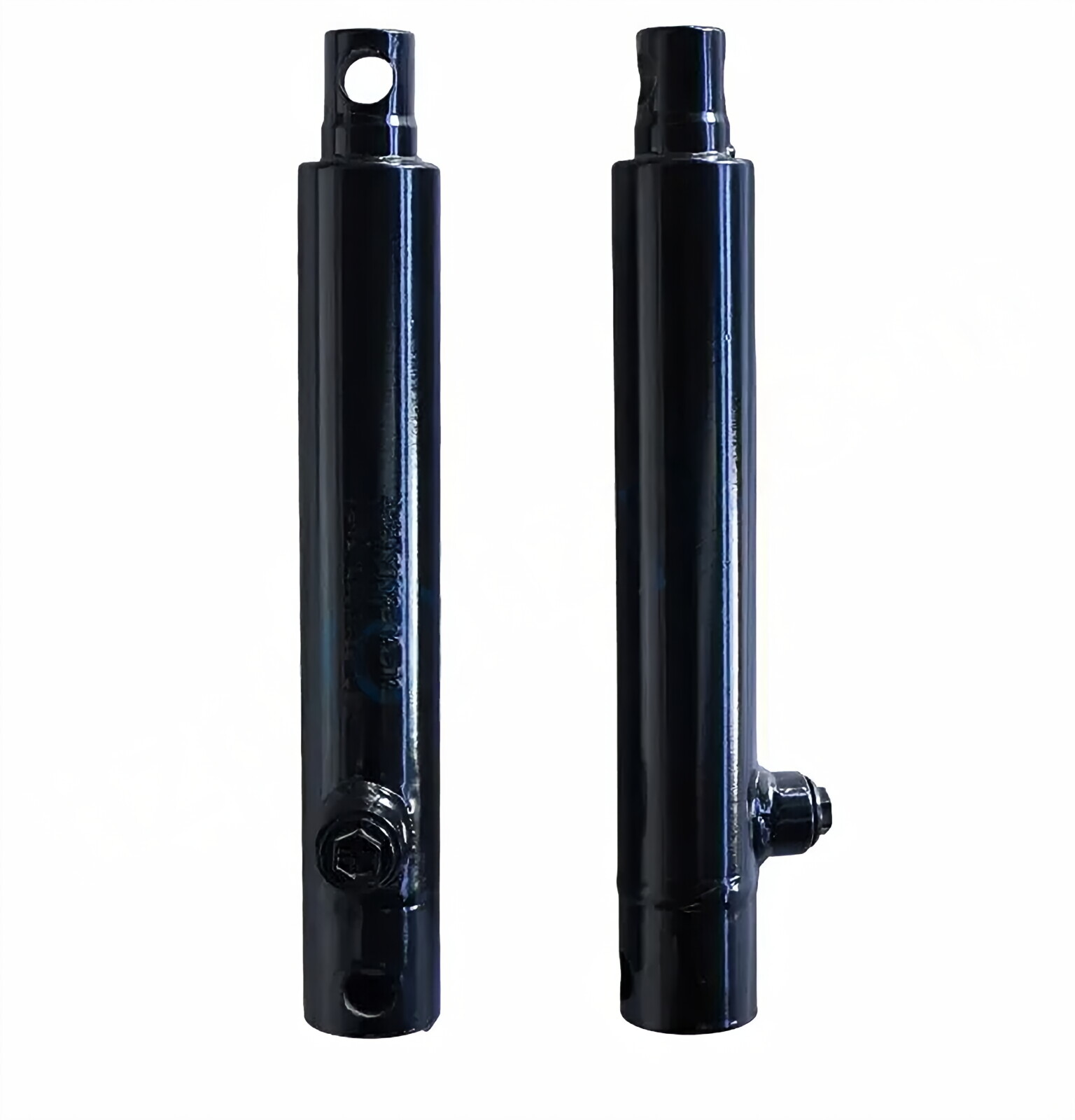
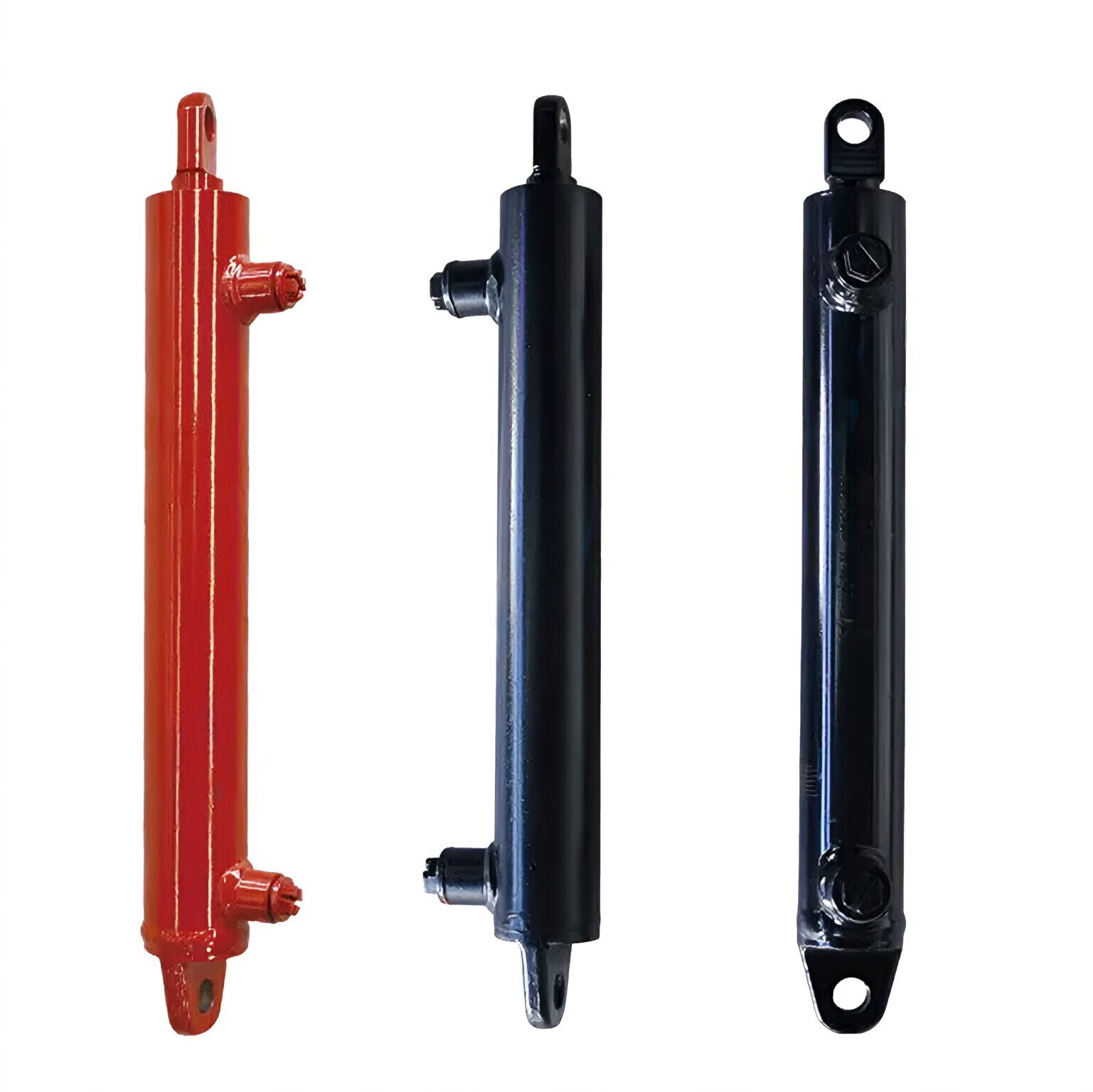
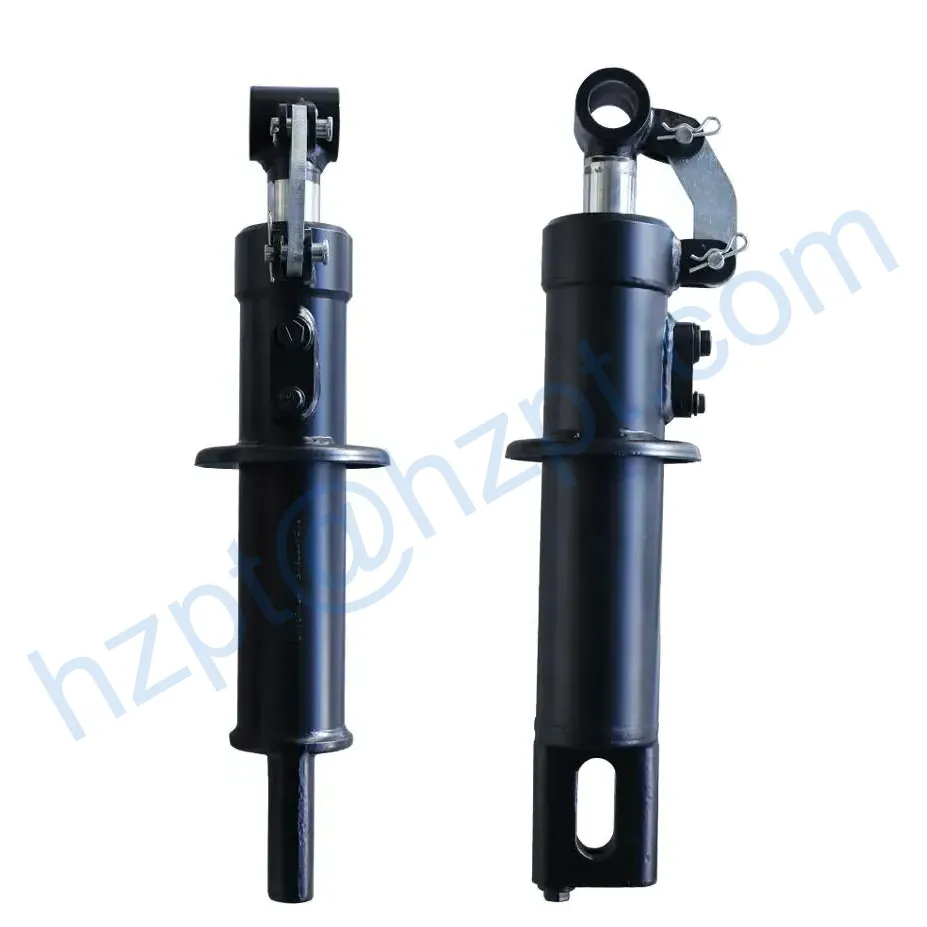
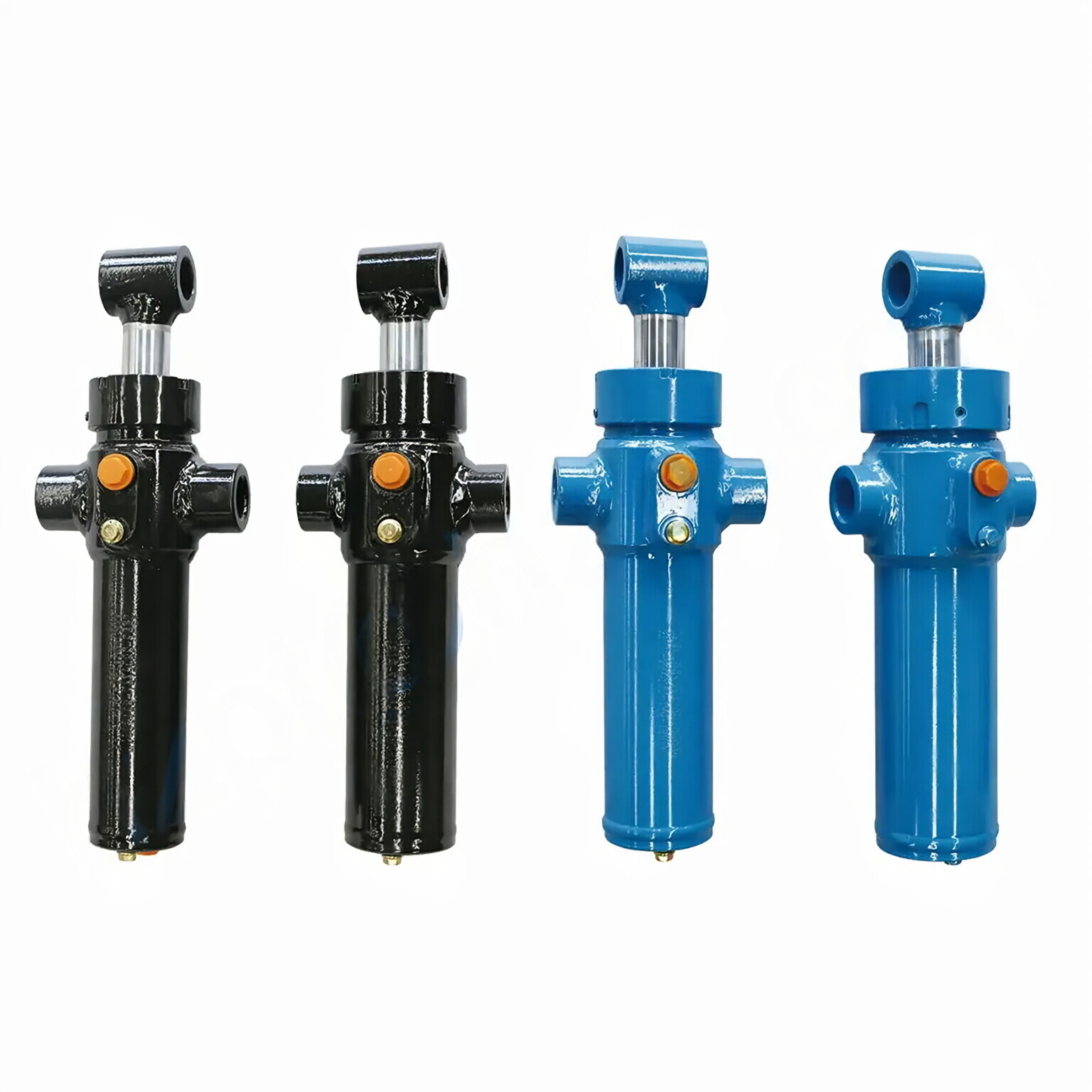
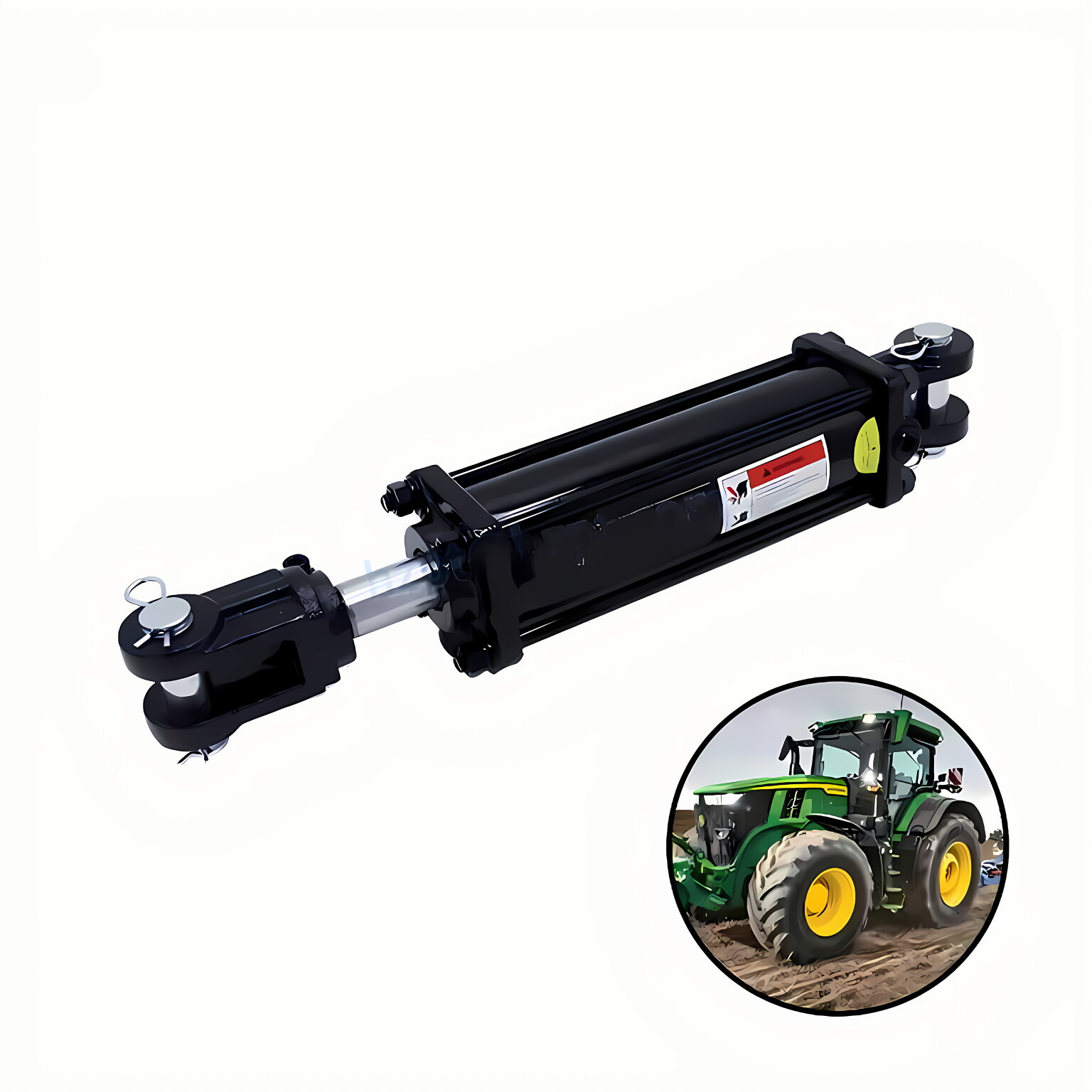
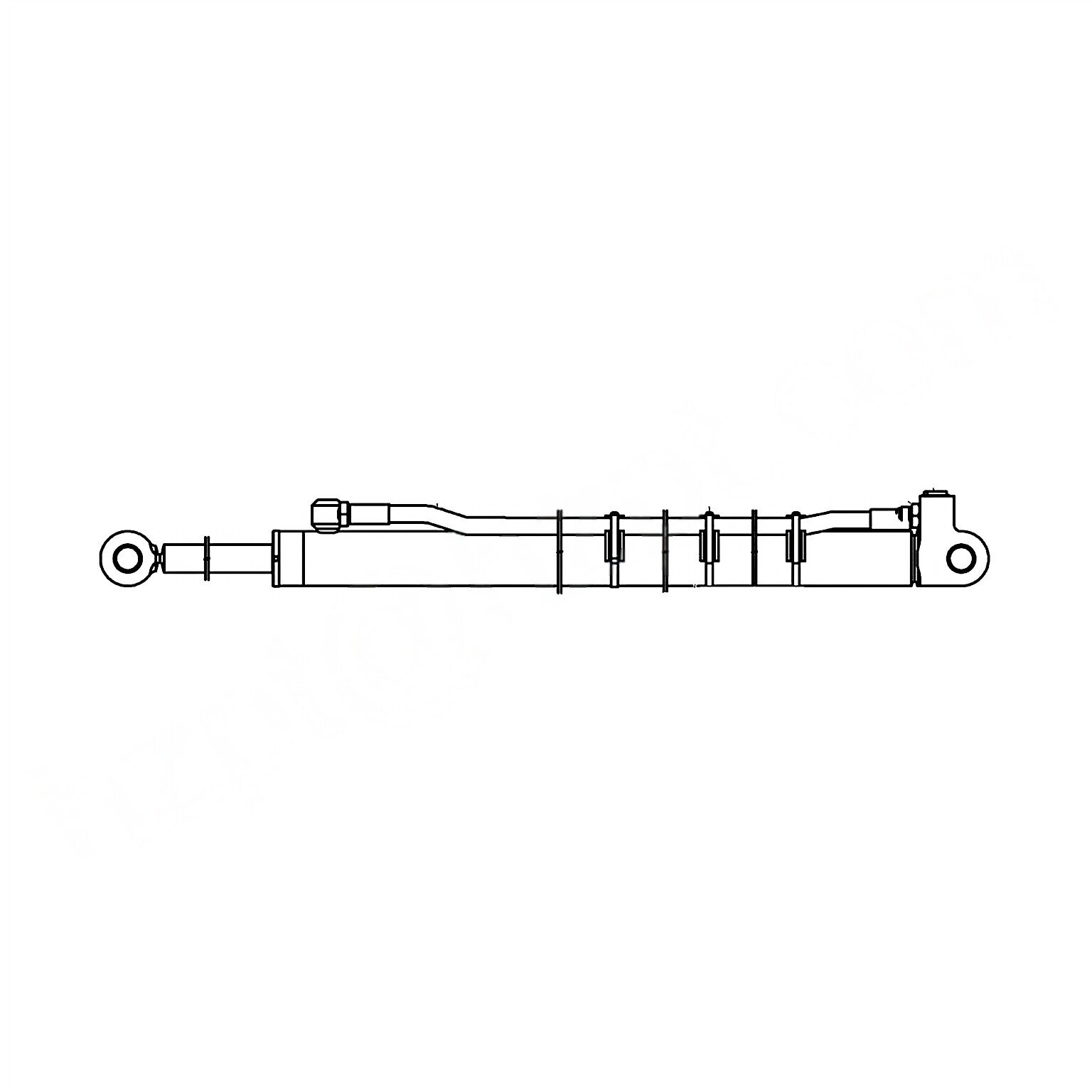
A hydraulic cylinder's operation is a masterclass in applied physics, yet its fundamental principle is elegantly simple. It consists of several key components working in unison:
When pressurized fluid enters one chamber, it pushes against the piston surface area, forcing the piston and rod to extend or retract. This controlled, powerful motion is what makes hydraulic cylinders indispensable.
Choosing the correct hydraulic cylinder requires careful analysis of your application's demands. At Raydafon Group, we manufacture cylinders to exacting standards, with specifications tailored for diverse industrial needs. Below are the primary parameters that define a cylinder's capabilities.
| Series Model | Bore Size (inch/mm) | Max Operating Pressure (psi/bar) | Standard Stroke Range (inch/mm) | Mounting Options | Primary Application Area |
|---|---|---|---|---|---|
| RD-HC10 (Tie-Rod) | 1.5" - 8" / 38 - 200 mm | 3,000 psi / 207 bar | Up to 120" / 3,000 mm | Foot, Flange, Clevis, Trunnion | Machine Tools, Packaging, Material Handling |
| RD-HC20 (Welded) | 2" - 12" / 50 - 300 mm | 5,000 psi / 345 bar | Up to 60" / 1,500 mm | Flange, Side Lug, Foot | Mobile Equipment, Construction, Forestry |
| RD-HC30 (Mill Type) | 4" - 20" / 100 - 500 mm | 6,500 psi / 448 bar | Custom, up to 200" / 5,000 mm | Custom Flange, Trunnion, Spherical Bearing | Presses, Steel Mills, Injection Molding |
| RD-HC40 (Compact) | 0.5" - 2" / 12 - 50 mm | 1,000 psi / 69 bar | Up to 12" / 300 mm | Threaded Body, Front Flange | Automation, Robotics, Medical Equipment |
The mounting configuration directly influences how the cylinder's force is applied and absorbed by the machine structure. An incorrect mount can lead to premature wear, seal failure, and rod buckling. Raydafon Group offers a comprehensive range of standard and custom mounting solutions:
Q: What is the difference between a single-acting and a double-acting hydraulic cylinder?
A: A single-acting cylinder uses hydraulic pressure to move the piston in one direction only (usually extend). The return stroke is accomplished by an external force, like a spring or the weight of the load. A double-acting cylinder uses hydraulic pressure to both extend and retract the piston rod, providing precise control in both directions. Double-acting cylinders are more common in industrial applications where controlled movement and force are required in both strokes.
Q: How do I calculate the force a hydraulic cylinder can generate?
A: The theoretical force output is calculated using the formula: Force = Pressure x Area. For the extension stroke, use the full piston area. For the retraction stroke (in a double-acting cylinder), use the annular area (piston area minus rod area). Remember to account for system efficiency (typically 85-95%). For example, a cylinder with a 4-inch bore (area = ~12.57 sq in) at 2,500 psi generates approximately 31,425 lbs of theoretical extending force. Raydafon Group provides detailed calculation tools and engineering support to ensure accurate sizing.
Q: What does "cushioning" mean on a hydraulic cylinder, and when is it needed?
A: Cushioning is a feature built into the end caps of a cylinder that decelerates the piston rod near the end of its stroke. It works by restricting the flow of oil out of the chamber, creating a backpressure that slows the piston. Cushioning is essential in applications with high inertia or high-speed cycles to prevent damaging impact, reduce noise, and minimize vibration, thereby extending the cylinder's service life and protecting the machine structure.
Q: What are the most common signs of hydraulic cylinder failure?
A: Key indicators include: 1) External Leakage: Visible hydraulic fluid around the rod seal or end caps, indicating worn seals. 2) Internal Leakage: The cylinder drifts or cannot hold a load when valves are closed, often due to worn piston seals. 3) Scored Rod or Barrel: Visible scratches or wear marks, which will rapidly degrade seals. 4) Erratic Movement: Jerky or stuttering motion, often caused by contamination, air in the system, or binding. 5) Excessive Heat: Overheating at the cylinder can point to excessive internal leakage or misalignment.
Q: How often should hydraulic cylinder seals be replaced, and can I do it myself?
A: There is no universal timeline; seal life depends on operating pressure, cycle rate, temperature, fluid cleanliness, and alignment. Preventive maintenance schedules should be based on your specific operating conditions. While seal kits are available, rebuilding a cylinder requires precision tools, a clean environment, and expertise. Improper installation can lead to immediate failure. For critical machinery, Raydafon Group recommends certified rebuilds or replacements to guarantee performance and warranty.
Q: How can I prevent contamination from damaging my hydraulic cylinders?
A> Contamination (dirt, metal particles, water) is the leading cause of hydraulic component failure. Prevention is multi-layered: 1) Use high-quality filtration on the hydraulic system and maintain filters regularly. 2) Always use ultra-clean fluid when filling or servicing. 3) Protect the piston rod with well-maintained wipers and rod boots, especially in dirty environments. 4) Store spare cylinders and seals in clean, sealed packaging. Raydafon Group cylinders are assembled in controlled cleanrooms to ensure optimal start-up cleanliness.
Q: What differentiates Raydafon Group hydraulic cylinders from other brands on the market?
A: Raydafon Group's distinction lies in four decades of engineering depth and a commitment to precision. Our cylinders feature: 1) Superior Materials: High-tensile steel barrels, induction-hardened and chrome-plated piston rods for maximum wear and corrosion resistance. 2) Advanced Sealing Technology: We use proprietary, application-tested seal compounds and designs for minimal leakage and long service life, even in extreme temperatures. 3) Rigorous Testing: Every production batch undergoes performance and pressure testing to exceed stated specifications. 4) Engineering Partnership: We provide more than a product; we offer application analysis and custom engineering to solve unique motion challenges.
Q: Can Raydafon Group provide custom hydraulic cylinders for a unique or extreme application?
A> Absolutely. While our standard series cover a vast range of needs, our core expertise is in engineered solutions. We regularly design and manufacture cylinders for extreme environments (deep-sea, high-temperature furnaces), unique space constraints, special material requirements (stainless steel for food & pharma), and complex motion profiles with integrated sensors. Our engineering team works directly with clients from concept through prototyping to final production.
Q: My application involves very high cycle rates. What cylinder features are most important?
A> For high-cycle applications (e.g., automation, stamping presses), durability and precision are paramount. Focus on: 1) Low-Friction Seals: To reduce heat generation and wear. 2) Optimized Porting: To allow high fluid flow with minimal turbulence and pressure drop. 3) Precision Honing: An ultra-smooth barrel surface finish is critical for seal life and consistent performance. 4) Robust Rod Guidance: Extra-long bearing surfaces to manage side loads and prevent rod scoring. The Raydafon Group RD-HC10 and RD-HC40 series are specifically refined for high-duty-cycle environments.

 Raydafon