
In the world of power transmission and mechanical design, securing components to a shaft is a fundamental requirement. While standard set-screw and clamping collars are common, applications demanding absolute zero slippage under high torque, vibration, or reversing loads call for a more robust solution. Enter the Keyed Shaft Collars. At Raydafon Group, we specialize in engineering these critical components to deliver unmatched performance and reliability in the most demanding industrial environments. This comprehensive guide delves into the specifics of keyed shaft collars, their applications, and the superior parameters that define Raydafon Group products.
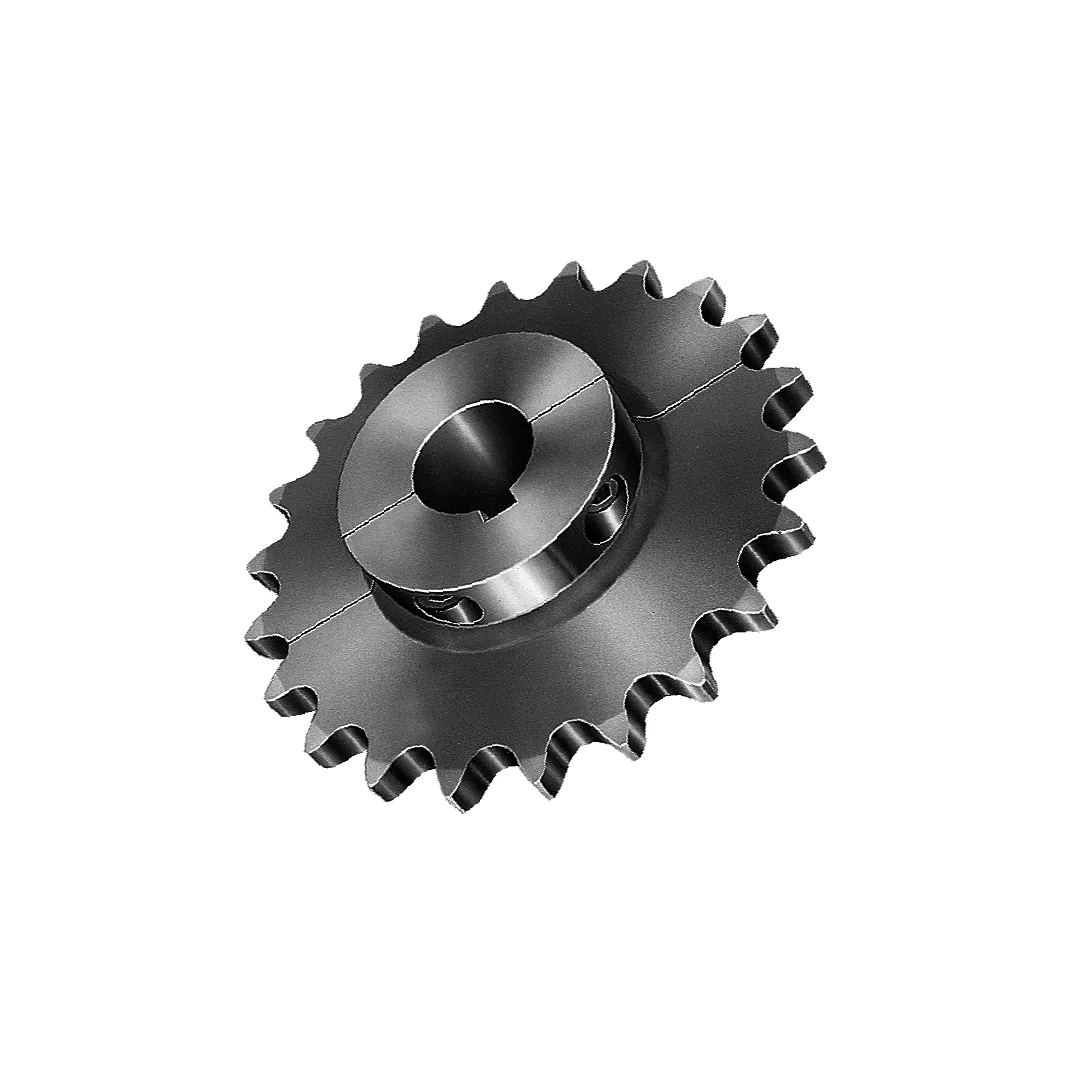
A keyed shaft collar is a rigid, circular mounting device designed to be fixed at a precise position along a shaft. Unlike standard collars that rely solely on friction or compressive force, a keyed collar incorporates a keyway—a longitudinal slot—that aligns with a matching keyway on the shaft and a square key. This key sits partially in both keyways, creating a positive mechanical lock that prevents any rotational movement between the collar and the shaft. This design is crucial for positioning and securing bearings, gears, sprockets, pulleys, and other components where even minute slippage is unacceptable.
Our product line is engineered with precision and versatility in mind. Below are the detailed specifications and available options.
| Material Grade | Properties | Typical Applications | Surface Treatment Options |
|---|---|---|---|
| Carbon Steel (1045) | High strength, good wear resistance, economical. | General industrial machinery, conveyors, agricultural equipment. | Zinc Plating, Black Oxide, Phosphate |
| Alloy Steel (4140) | Excellent strength-to-weight ratio, good toughness, can be heat treated. | High-stress applications, gearboxes, heavy-duty power transmission. | Black Oxide, Cadmium Plating, Hard Chrome |
| Stainless Steel (304, 316) | Superior corrosion resistance, hygienic, non-magnetic (304). | Food & beverage processing, marine environments, chemical plants, washdown areas. | Passivation, Electropolishing |
| Aluminum (6061-T6) | Lightweight, good corrosion resistance, non-sparking. | Aerospace, packaging machinery, applications where weight is a critical factor. | Anodizing (Clear, Black, Color), Powder Coating |
| Shaft Diameter Range | Collars Width (W) | Outer Diameter (OD) | Keyway Width (Std.) | Keyway Depth | Set Screw Specification | Dimensional Tolerance |
|---|---|---|---|---|---|---|
| 1/4" to 1" (6mm to 25mm) | 3/8" to 3/4" (10mm to 19mm) | Custom per application | 1/8", 3/16", 1/4" | Per ANSI B17.1 Standards | #10-32 to 1/2"-13 Cup Point | ±0.001" (±0.025mm) on bore |
| 1-1/8" to 2" (28mm to 50mm) | 1/2" to 1" (13mm to 25mm) | Custom per application | 5/16", 3/8", 1/2" | Per ANSI B17.1 Standards | 1/4"-20 to 5/8"-11 Cup Point | ±0.0015" (±0.038mm) on bore |
| 2-1/8" to 4" (51mm to 100mm) | 3/4" to 2" (19mm to 50mm) | Custom per application | 1/2", 5/8", 3/4" | Per ANSI B17.1 Standards | 5/16"-18 to 3/4"-10 Cup Point | ±0.002" (±0.05mm) on bore |
Note: Raydafon Group specializes in custom-engineered solutions. All dimensions, including custom keyway profiles (Woodruff, Tapered), outer diameters, and widths, can be manufactured to meet exact application requirements. Tolerances can be held to tighter specifications for precision applications.
Q: When should I use a keyed shaft collar instead of a standard clamping or set-screw collar?
A: You should specify a keyed shaft collar in any application where rotational slippage would cause operational failure, safety hazards, or significant downtime. This includes high-torque drives, systems with frequent start-stop or reversing cycles, heavy vibration environments, and critical timing applications. If a standard collar has failed or shows signs of creeping, it's a clear indicator to upgrade to a keyed solution from Raydafon Group.
Q: How do I properly install a keyed shaft collar?
A: Proper installation is key to performance. First, ensure the shaft and collar keyways are clean and free of burrs. Insert the square key into the shaft keyway. Slide the keyed shaft collar onto the shaft, carefully aligning its keyway with the key. Push the collar to the desired axial location. Finally, tighten the set screw(s) securely against the flat side of the square key to lock the assembly axially. Always follow the recommended torque specifications for the set screw size.
Q: Can Raydafon Group provide keyed shaft collars for metric shafts?
A: Absolutely. Raydafon Group operates a global supply chain and manufactures keyed collars for both imperial and metric shaft diameters as standard. We can produce collars with metric bore sizes, metric keyways (per DIN 6885 or ISO standards), and metric set screws. Be sure to specify all dimensions in your metric requirements when requesting a quote.
Q: What is the purpose of the set screw on a keyed collar if the key prevents rotation?
A: The key is responsible for transmitting torque and preventing rotational movement. The set screw serves a separate, crucial function: it locks the collar in place axially along the length of the shaft. It prevents the collar from drifting or sliding out of position due to axial forces or vibrations, ensuring the secured component remains precisely located.
Q: Are there different types of keyways available?
A: Yes. The most common is the straight square keyway, which we've detailed above. However, Raydafon Group also manufactures collars with Woodruff (half-moon) keyways for certain automotive or OEM applications, and tapered keyways where a very tight fit is achieved by driving a tapered key in. The choice depends on the design standards of your existing machinery and the specific load requirements.
Q: How do I select the right material for my application?
A: Material selection is based on the operating environment and load. For general industrial use, carbon steel is cost-effective and strong. Choose alloy steel for high-stress, high-torque applications. For wet, corrosive, or hygienic environments (food, chemical, marine), stainless steel is mandatory. Aluminum is ideal where weight reduction is critical and loads are moderate. Our engineering team at Raydafon Group can provide specific recommendations based on your application data.
Q: Can I order a custom outer diameter or a special finish?
A: Customization is a core strength of Raydafon Group. We routinely manufacture keyed shaft collars with custom outer diameters to act as specific bearing surfaces or guards, unique widths, special keyway dimensions, and proprietary hole patterns. We also offer a full range of surface finishes and coatings, including specialty options like Xylan® or Teflon® coatings for reduced friction or enhanced chemical resistance.
The robustness of Raydafon Group keyed shaft collars makes them indispensable in numerous sectors. In manufacturing and automation, they secure actuators, robotic arms, and drive components on assembly lines. The agricultural machinery industry relies on them for PTO shafts, gear drives in harvesters, and heavy conveyors. In material handling, they are critical for pulley systems on conveyors and lifting equipment. Food and pharmaceutical processing lines use stainless steel keyed collars for hygienic design. They are also found in printing machinery, packaging equipment, and renewable energy systems like wind turbine pitch control mechanisms.

 Raydafon