
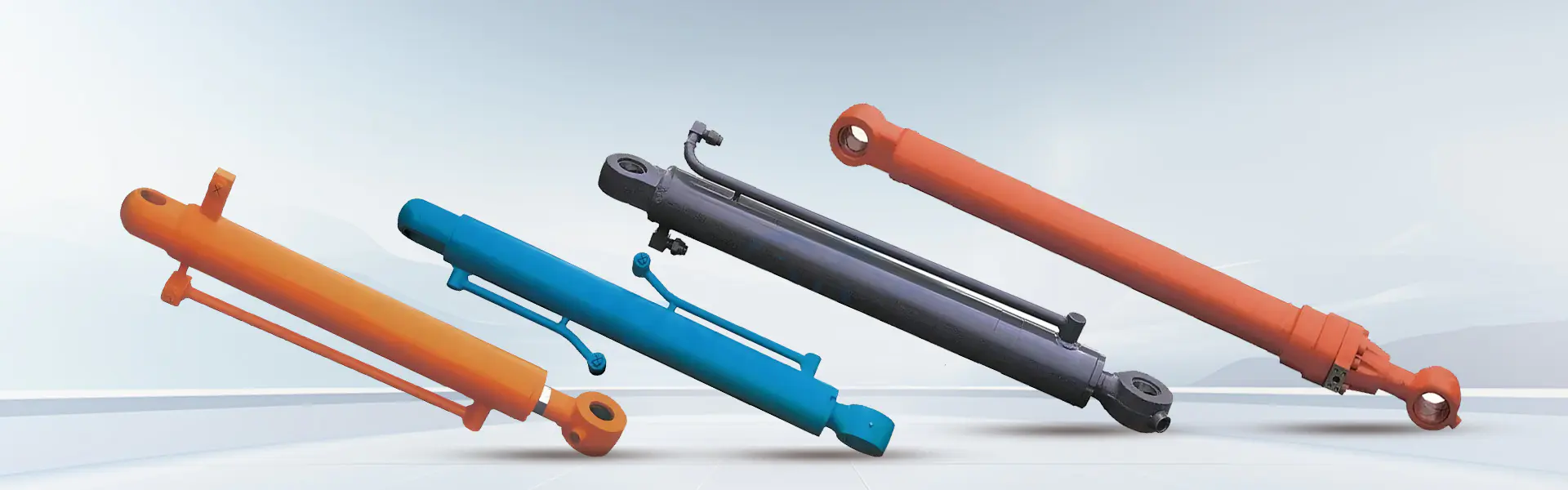
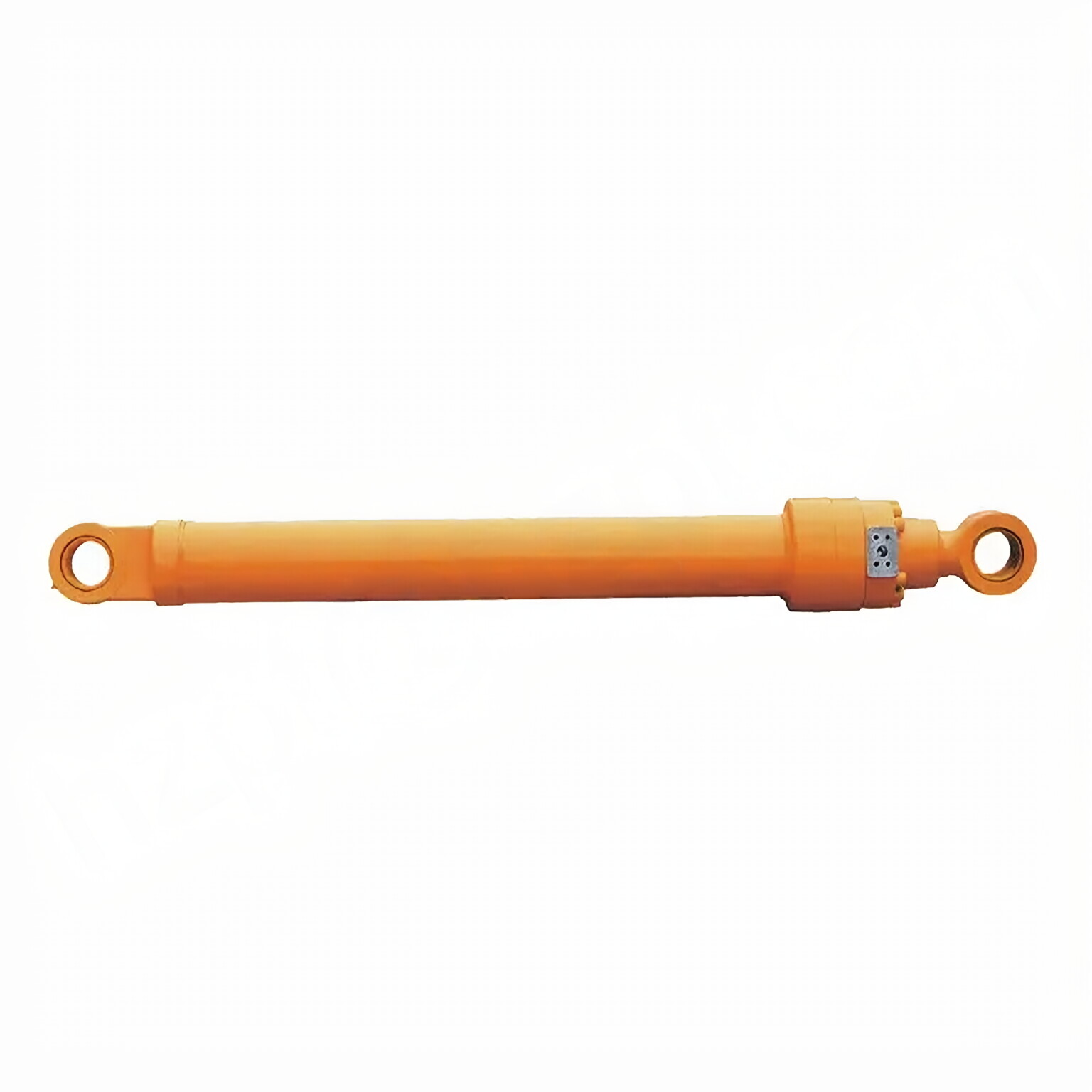
Hydraulic systems are the backbone of modern heavy machinery, and at the heart of many earth-moving and material handling applications lies a critical component: the bucket cylinder. As a key actuator, its performance directly dictates the efficiency, power, and reliability of equipment like excavators, loaders, and backhoes. For over two decades, Raydafon Group has been at the forefront of hydraulic cylinder engineering, specializing in the design and manufacture of premium bucket cylinders that meet the rigorous demands of global industries. This guide delves into the technical specifications, selection criteria, and maintenance essentials of these vital components, showcasing why Raydafon Group is a trusted partner for OEMs and aftermarket suppliers worldwide.
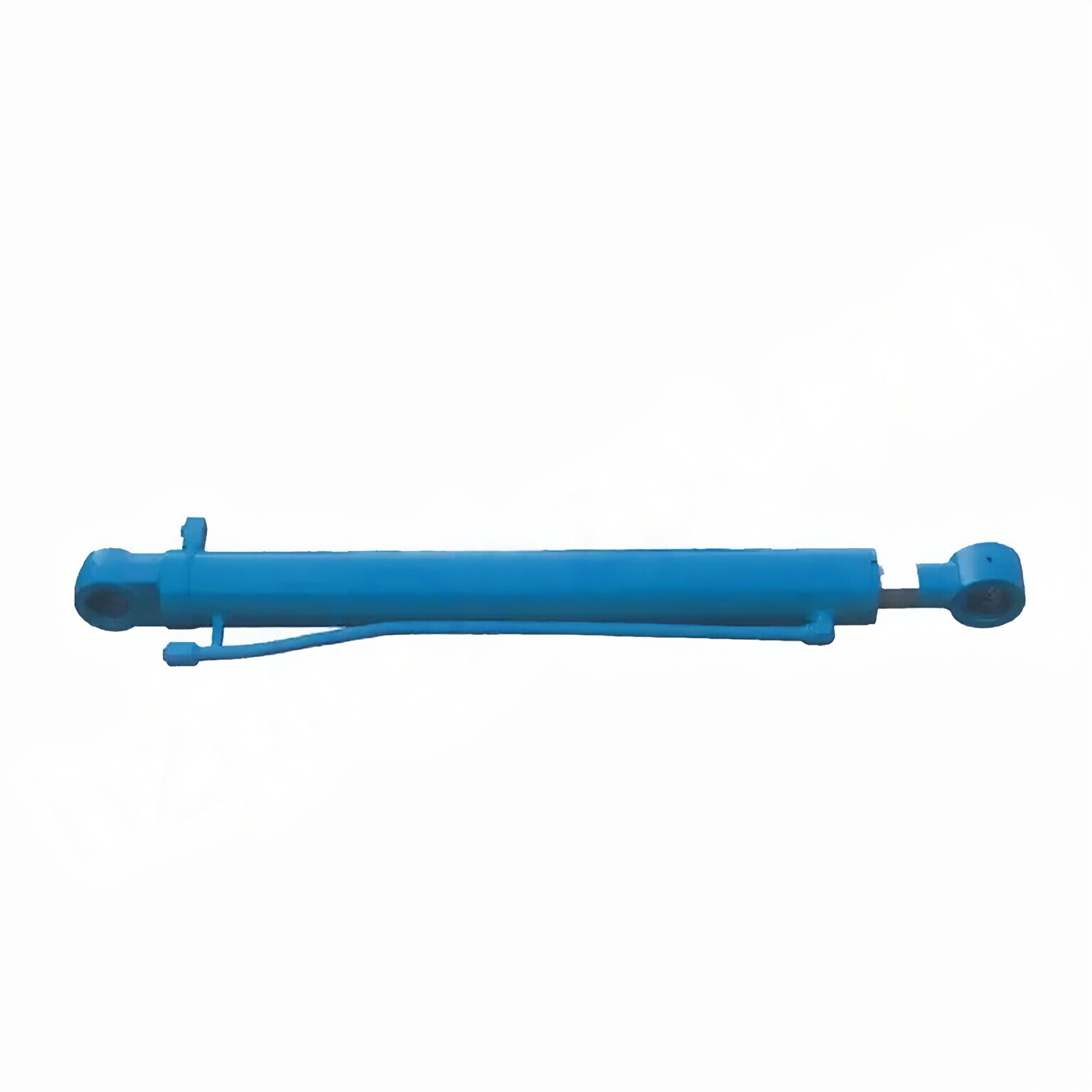
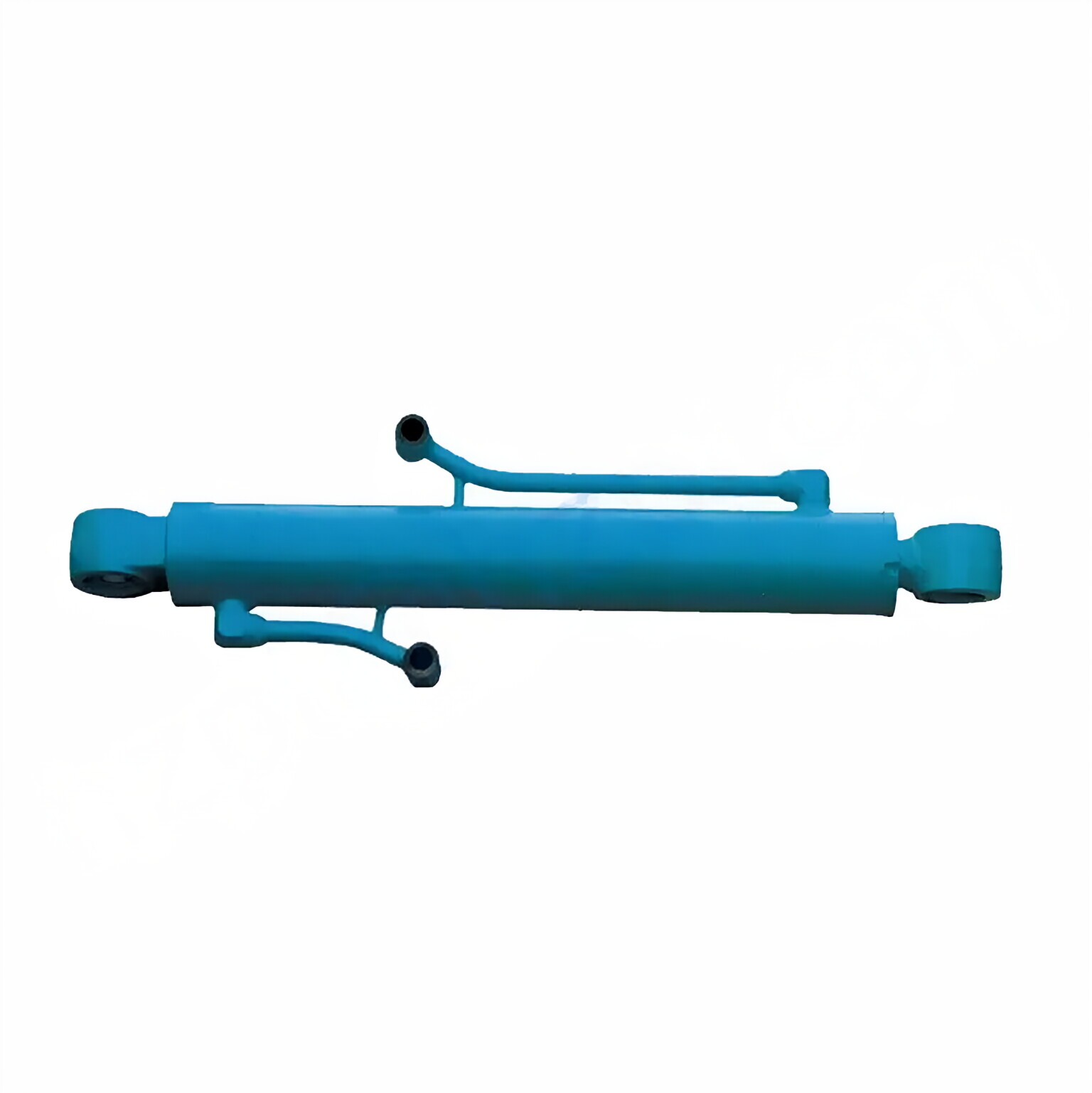
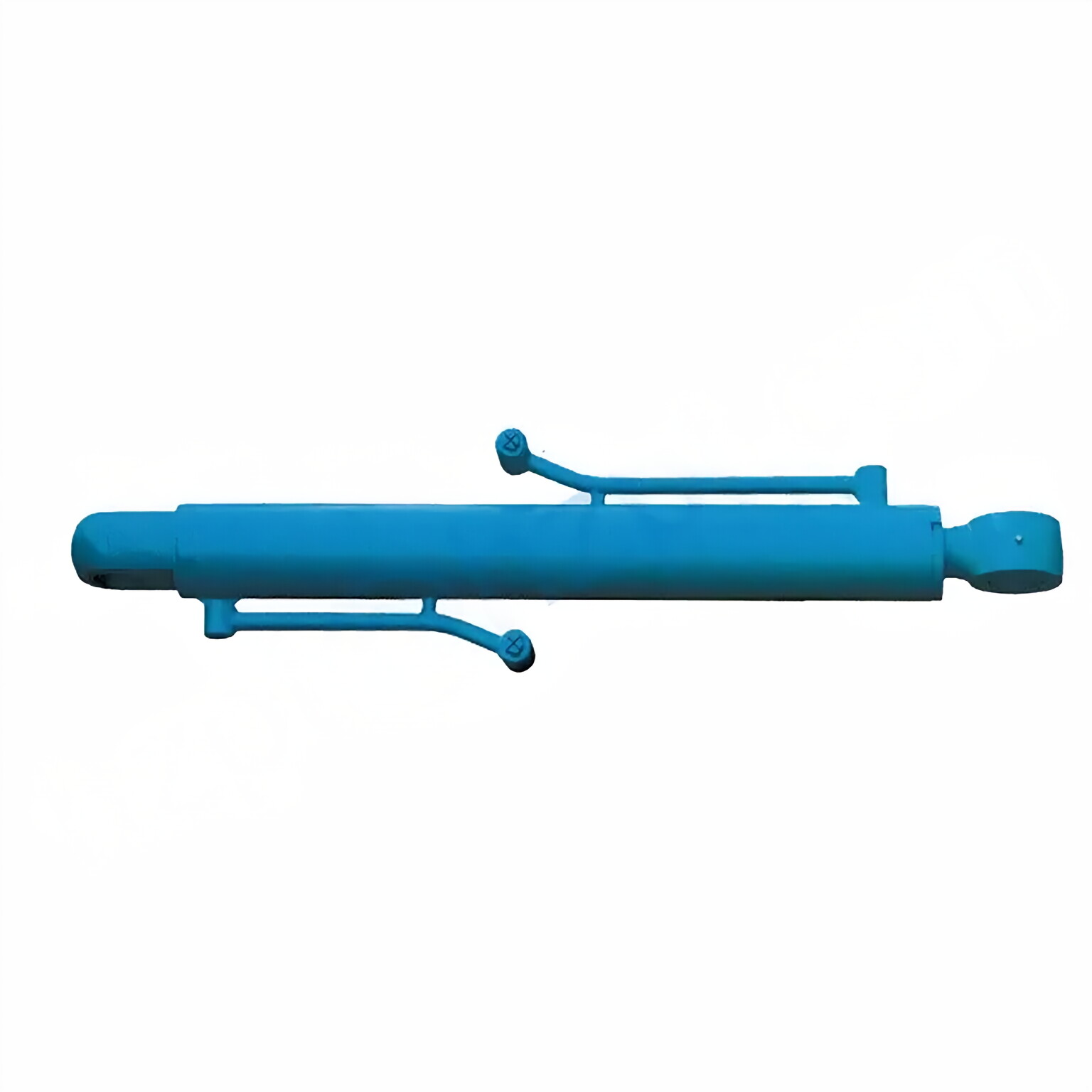
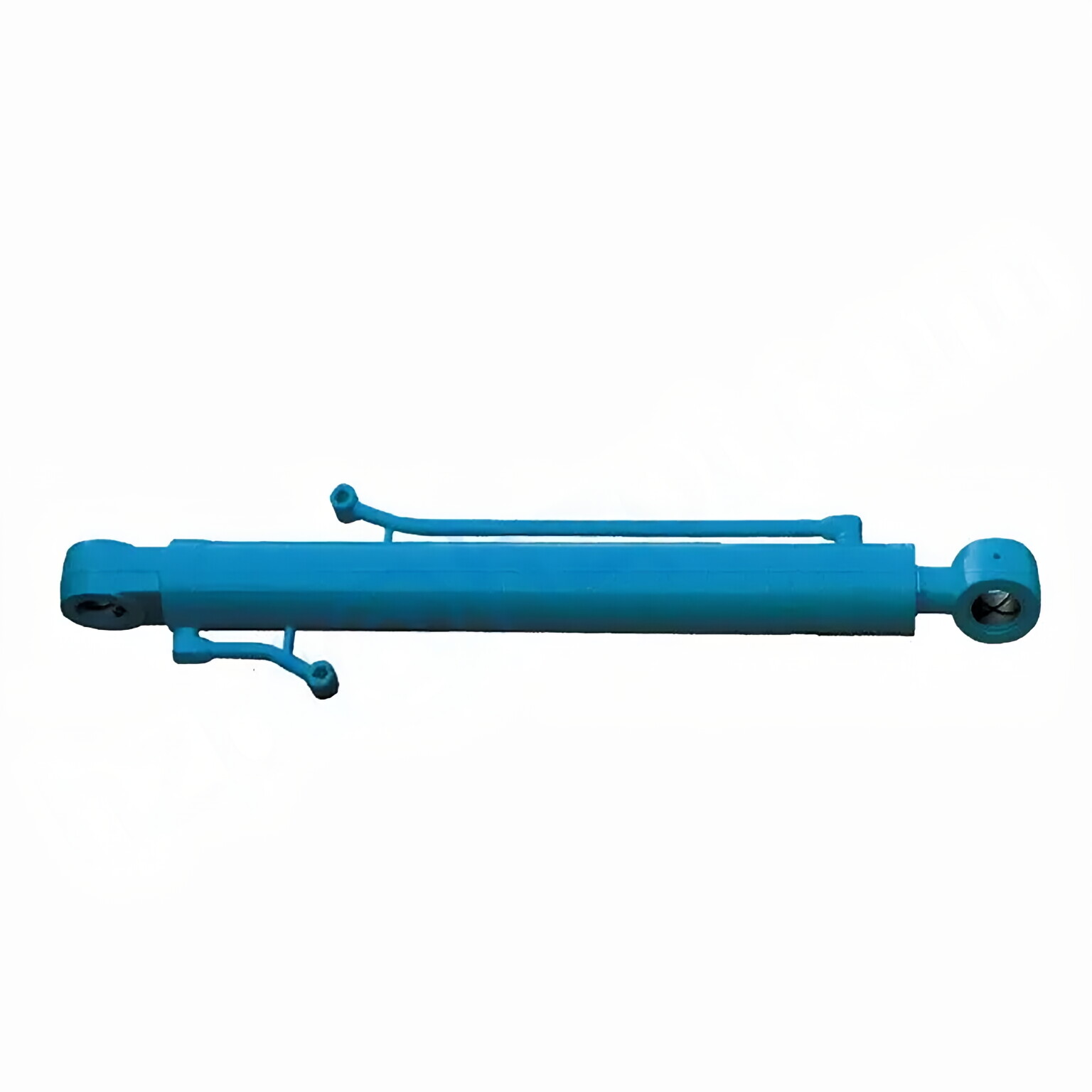
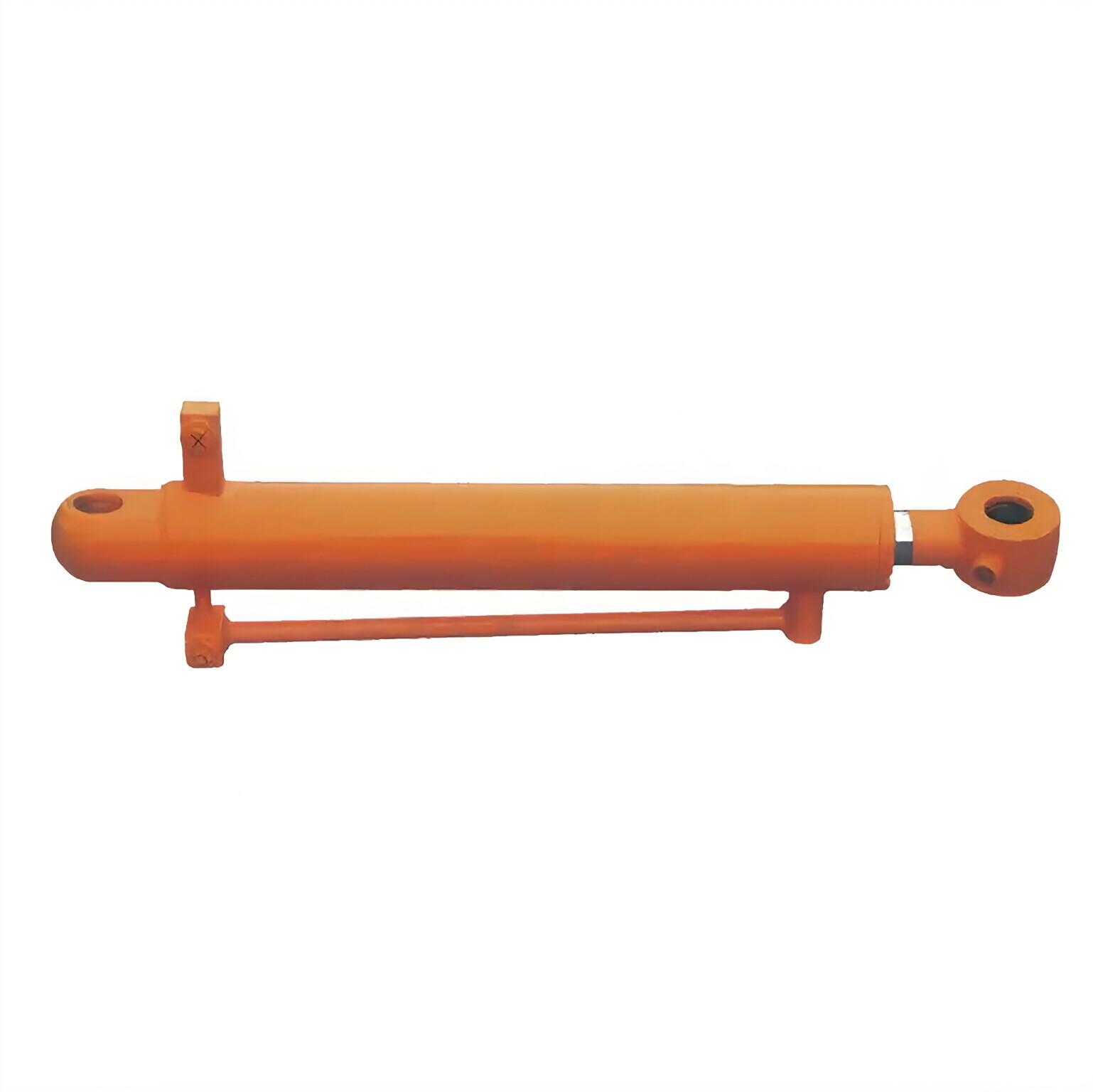
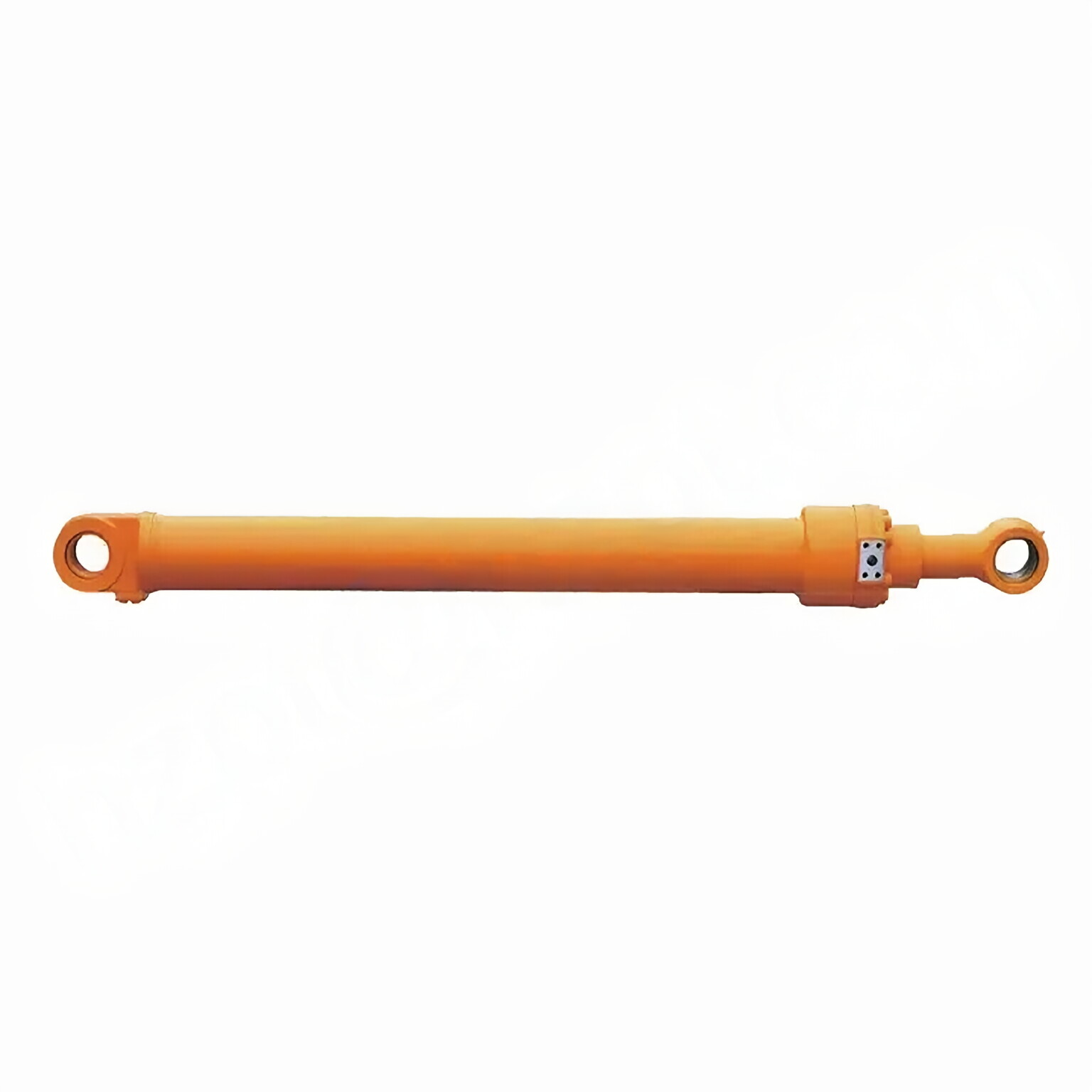
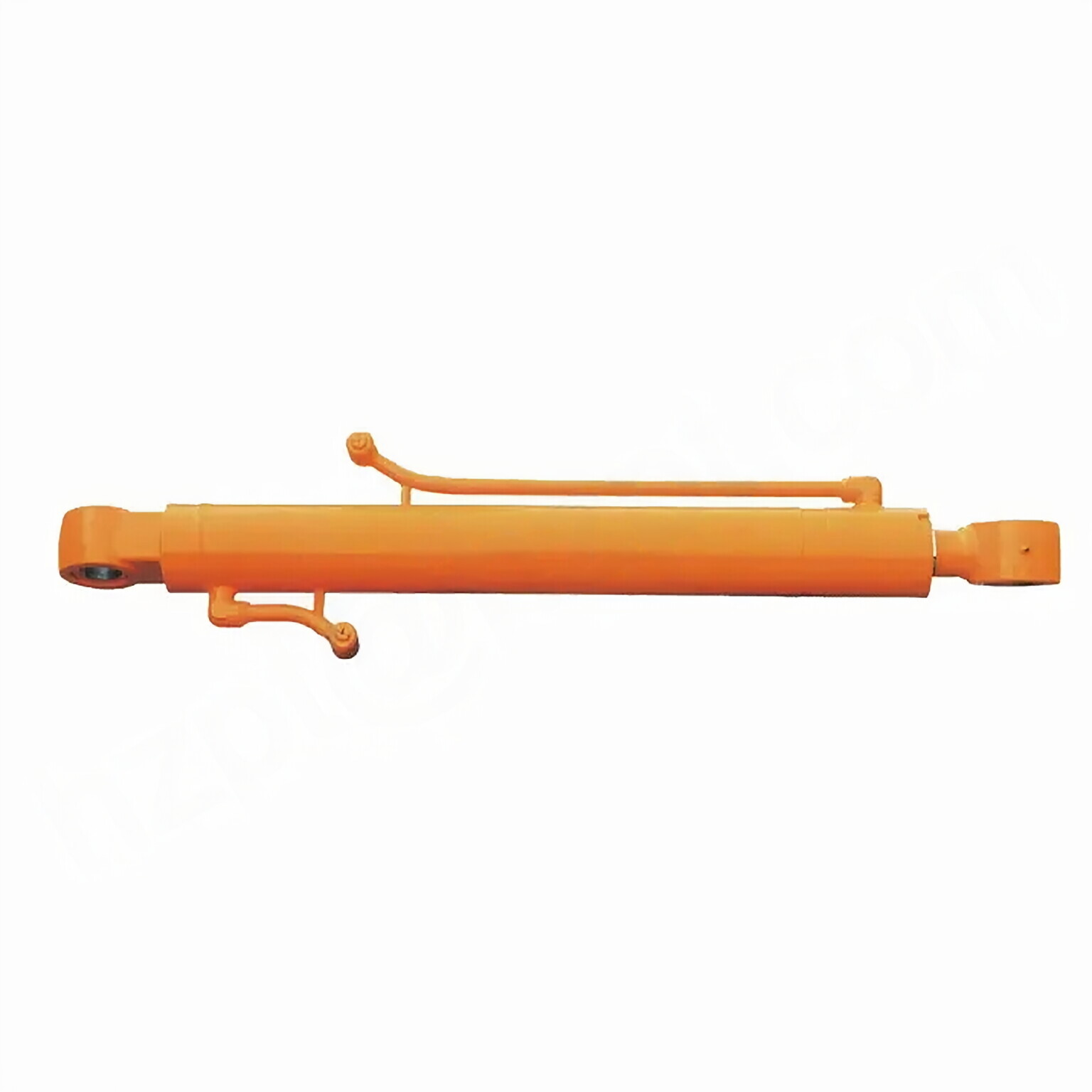
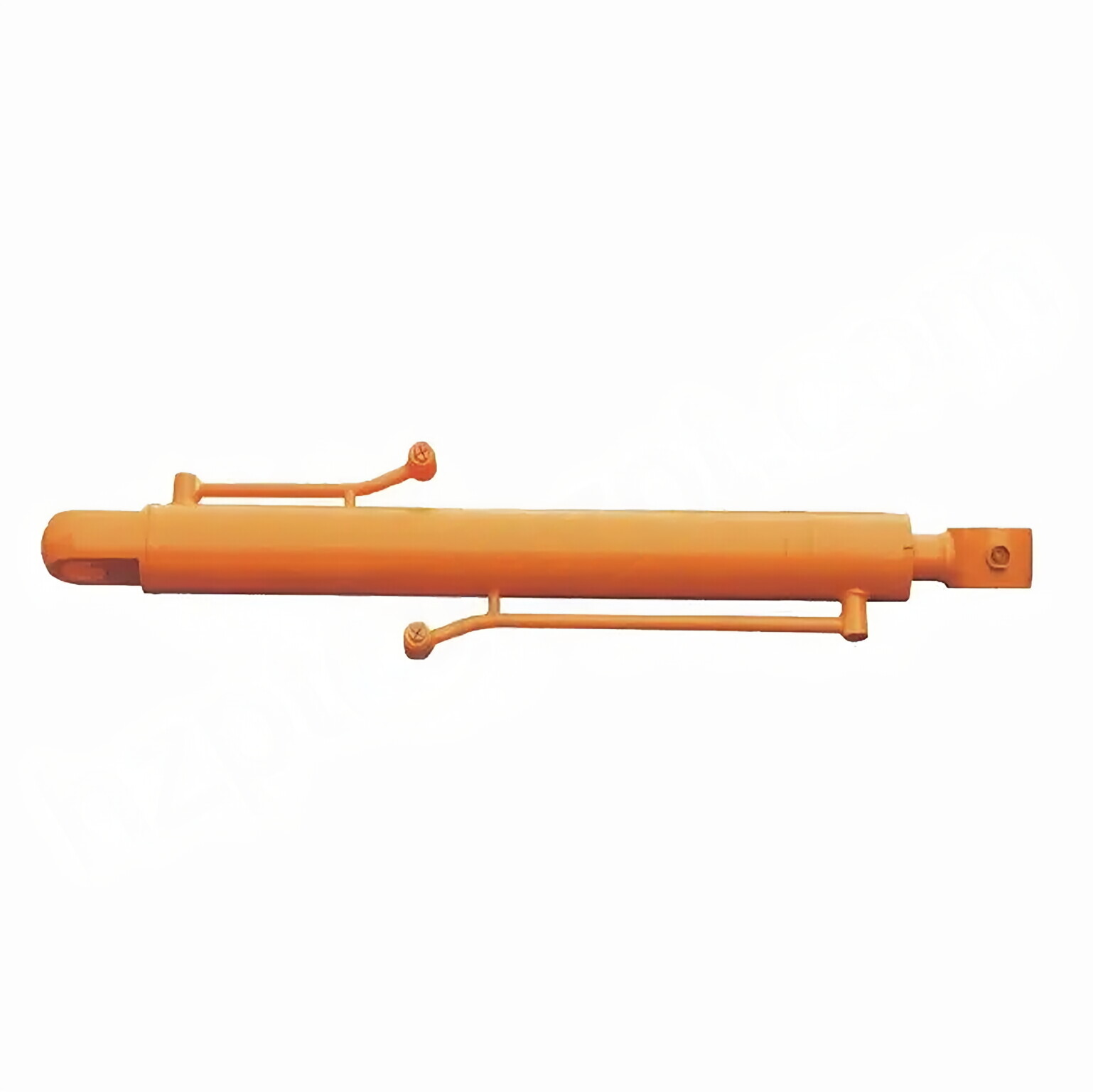
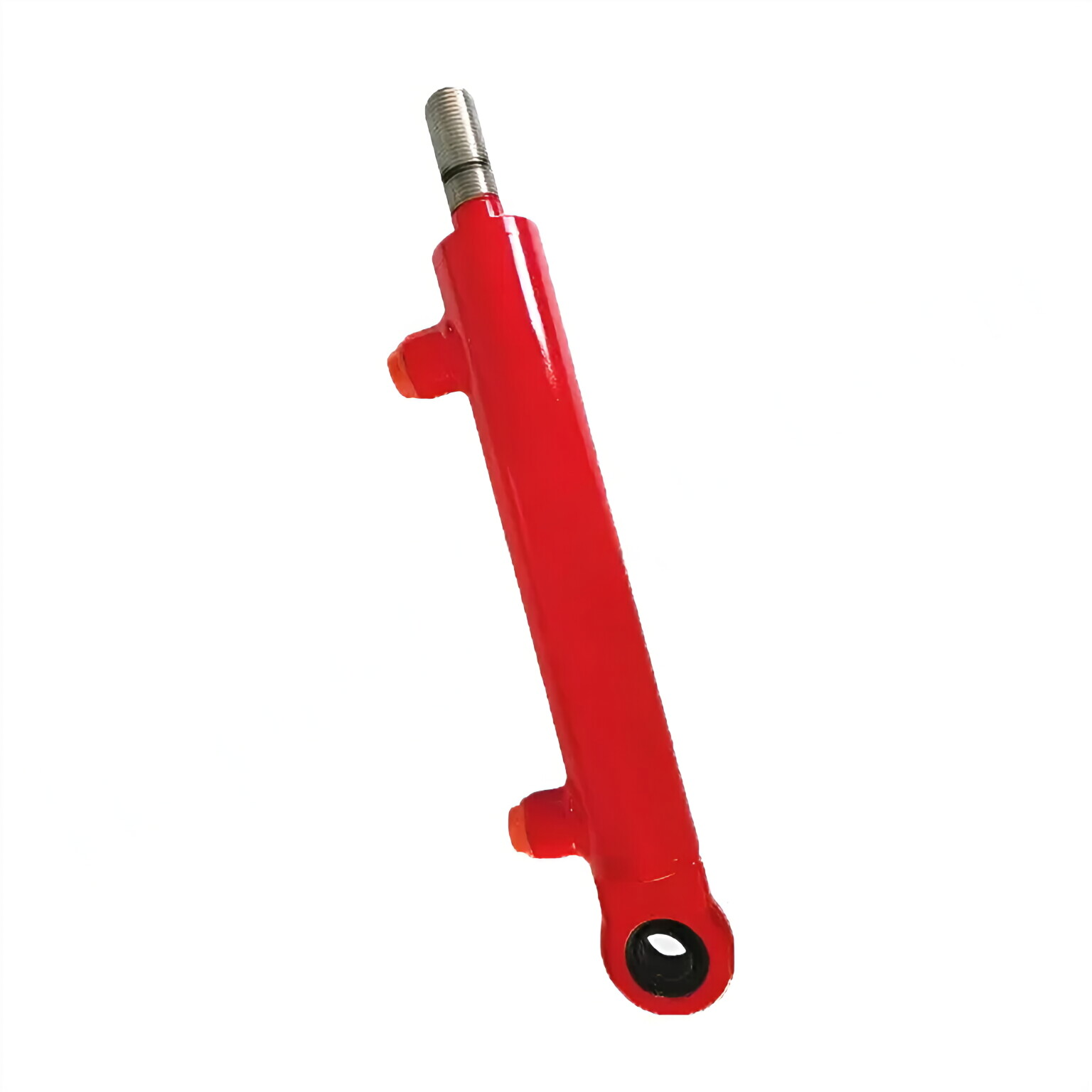
A bucket cylinder is a linear hydraulic actuator responsible for controlling the pivotal movement of a machine's bucket or attachment. It converts hydraulic fluid pressure into mechanical force, enabling precise digging, lifting, curling, and dumping operations. The cylinder must withstand extreme pressure, shock loads, contamination, and environmental stressors. Raydafon Group's design philosophy integrates robustness with precision, utilizing advanced materials and manufacturing processes to ensure optimal performance and longevity.
Key design elements include:
Our product range is engineered to meet diverse application needs. Below are the standard specifications for our core bucket cylinder series.
| Model Series | Bore Diameter (mm/in) | Rod Diameter (mm/in) | Stroke Range (mm/in) | Max Operating Pressure (Bar/PSI) | Standard Mounting |
|---|---|---|---|---|---|
| RD-BC200 | 50 - 100 mm / 1.97 - 3.94 in | 25 - 50 mm / 0.98 - 1.97 in | Up to 600 mm / 23.62 in | 210 Bar / 3,045 PSI | Clevis, Trunnion |
| RD-BC350 | 80 - 150 mm / 3.15 - 5.91 in | 40 - 75 mm / 1.57 - 2.95 in | Up to 1200 mm / 47.24 in | 250 Bar / 3,625 PSI | Flange, Clevis |
| RD-BC500 | 120 - 200 mm / 4.72 - 7.87 in | 60 - 100 mm / 2.36 - 3.94 in | Up to 1500 mm / 59.06 in | 280 Bar / 4,060 PSI | Trunnion, Flange |
Q: How do I select the right bucket cylinder for my excavator or loader?
A: Selecting the correct cylinder requires matching several key parameters to your machine's original specifications. First, identify the required bore and rod diameter, which determine the force output and retraction strength. Second, the exact stroke length is critical for proper bucket articulation. Third, confirm the mounting style (clevis pin size, trunnion width) and port thread type. Always cross-reference your equipment's model number. Raydafon Group provides detailed cross-reference guides and expert technical support to assist in this selection process.
Q: What are the most common signs of bucket cylinder failure?
A: Early detection is key to preventing costly downtime. Common symptoms include: visible hydraulic fluid leaks from the rod seal or gland, slower than normal cylinder operation (drift-in or drift-out), a jerky or uneven movement during extension/retraction, unusual knocking noises indicating internal piston or bearing wear, and physical damage like a scored or bent piston rod. If you observe any of these signs, immediate inspection is recommended.
Q: Can Raydafon Group cylinders be used as direct replacements for OEM parts?
A: Yes. Raydafon Group designs its bucket cylinders to meet or exceed original equipment specifications. Our products are engineered to be direct bolt-on replacements, ensuring dimensional compatibility, performance parity, and seamless integration with your machine's existing hydraulic system. We provide comprehensive documentation, including installation drawings and performance charts, to guarantee a perfect fit.
Q: What maintenance routines are essential for maximizing bucket cylinder lifespan?
A: Proactive maintenance significantly extends service life. Key routines include: daily visual inspections for leaks and rod surface damage; regular cleaning of the exposed piston rod to prevent abrasive contamination from being drawn into the seal; checking and maintaining proper hydraulic fluid cleanliness and level as per the machine manufacturer's guidelines; and ensuring all mounting pins and bushings are properly lubricated and not worn, as excess play can induce side-loading on the cylinder.
Q: Does Raydafon Group offer custom-engineered bucket cylinder solutions?
A: Absolutely. While our standard series covers a wide range of applications, Raydafon Group excels in providing custom hydraulic solutions. We can engineer cylinders with non-standard bore/rod/stroke dimensions, specialized mounting configurations, unique porting, custom paint or plating requirements, and materials suited for extreme environments (e.g., offshore, mining). Our engineering team collaborates directly with clients from concept to production.
Q: What is the typical lead time for ordering standard and custom bucket cylinders?
A: For standard model series (RD-BC200, RD-BC350, RD-BC500), Raydafon Group maintains strategic inventory, often allowing for shipment within 5-10 working days. For custom-engineered solutions, lead time varies based on design complexity and production schedule, typically ranging from 4 to 8 weeks. Our sales team provides accurate project timelines upon receipt of detailed specifications.
Force calculation is fundamental for application verification. The theoretical force output of a hydraulic cylinder is derived from the formula: Force (F) = Pressure (P) x Area (A).
| Bore Diameter | Rod Diameter | Pressure (250 Bar / 3625 PSI) | Extension Force (kN/lbf) | Retraction Force (kN/lbf)* |
|---|---|---|---|---|
| 100 mm / 3.94 in | 50 mm / 1.97 in | 250 Bar / 3,625 PSI | ~196 kN / 44,000 lbf | ~147 kN / 33,000 lbf |
| 150 mm / 5.91 in | 75 mm / 2.95 in | 250 Bar / 3,625 PSI | ~442 kN / 99,500 lbf | ~331 kN / 74,500 lbf |
| 200 mm / 7.87 in | 100 mm / 3.94 in | 250 Bar / 3,625 PSI | ~785 kN / 176,500 lbf | ~589 kN / 132,500 lbf |
*Retraction force is calculated on the annulus area (rod side). Actual forces may vary slightly based on system efficiency.
Raydafon Group cylinders are compatible with a wide spectrum of hydraulic fluids, including standard mineral oils, bio-degradable oils, and fire-resistant fluids (HFA, HFB, HFC). Please consult our technical datasheets for specific fluid compatibility recommendations based on seal material selection.
Correct installation is paramount for safety and performance. Before installation, thoroughly clean the work area and cylinder mounting points. Ensure the new cylinder is clean and its ports are protected from contamination.
Always refer to the official Raydafon Group installation manual provided with the product for model-specific instructions and torque values.

 Raydafon