
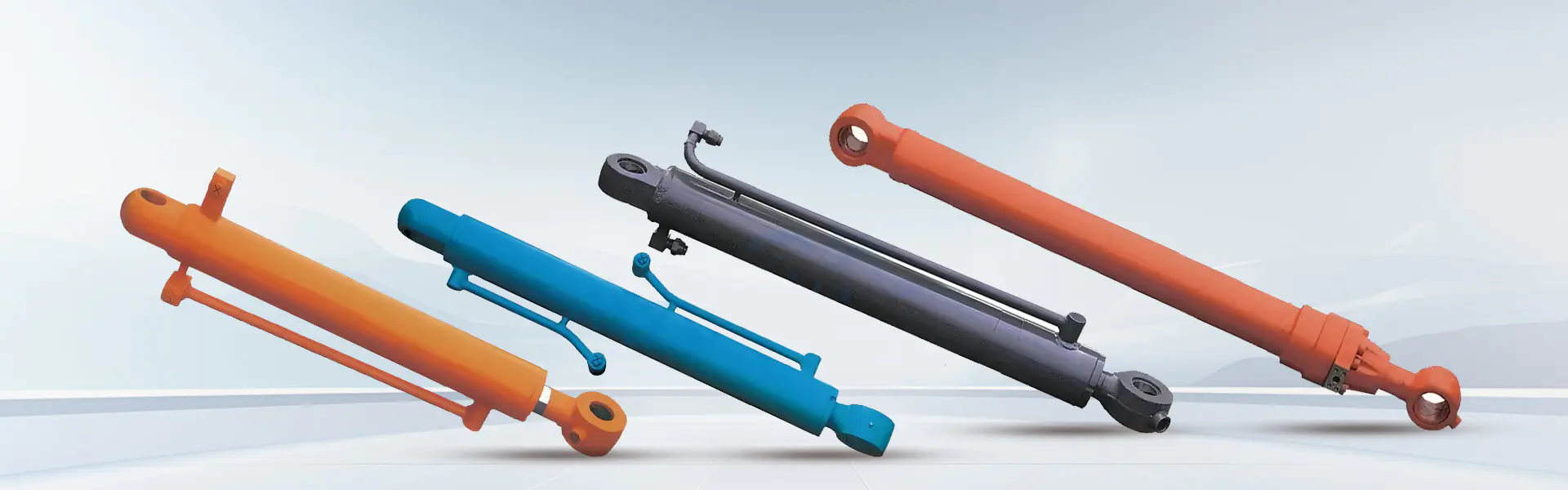
Double acting · Hard-chrome piston rod · Replaceable seal kit · Original pin geometry
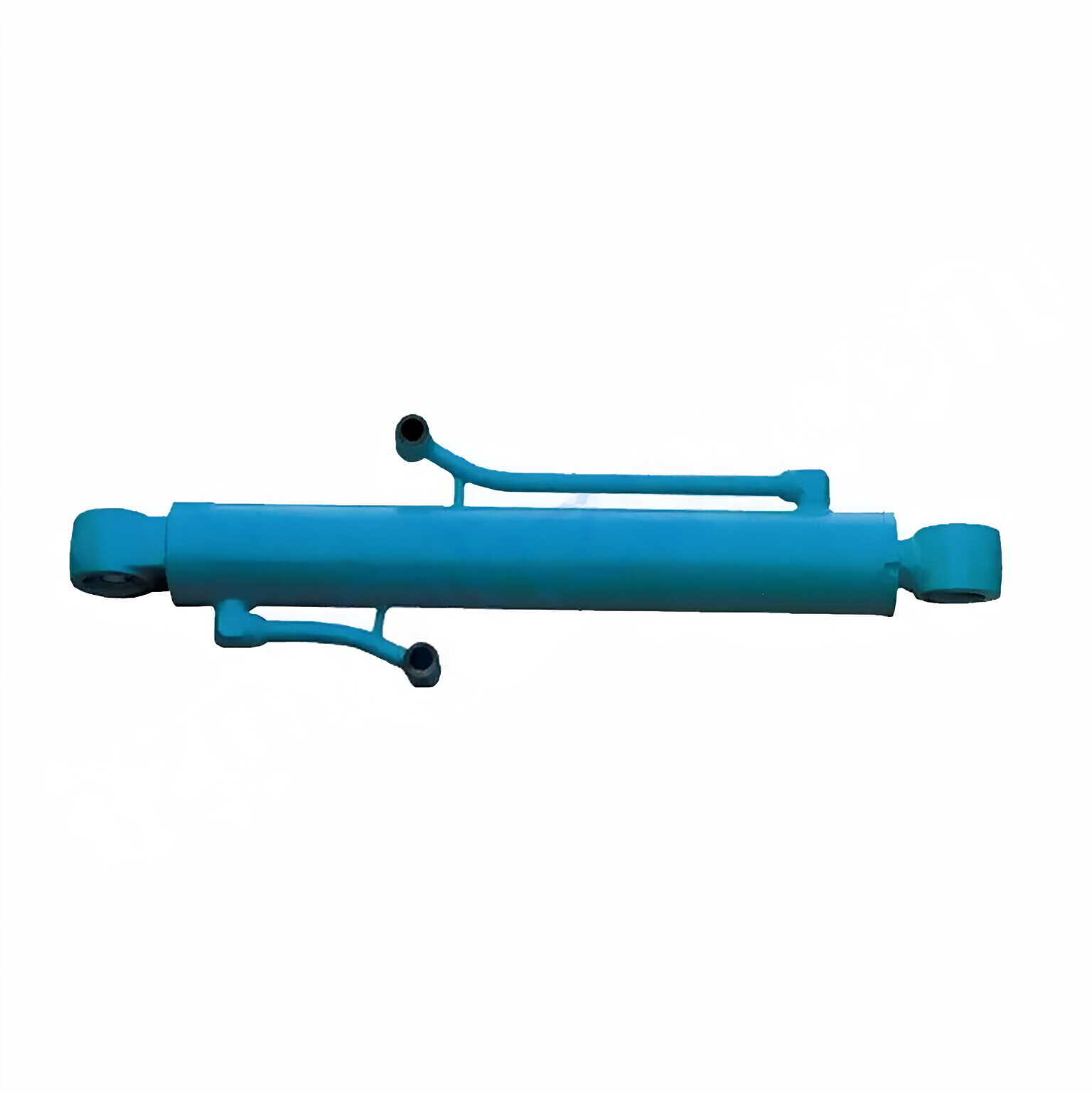
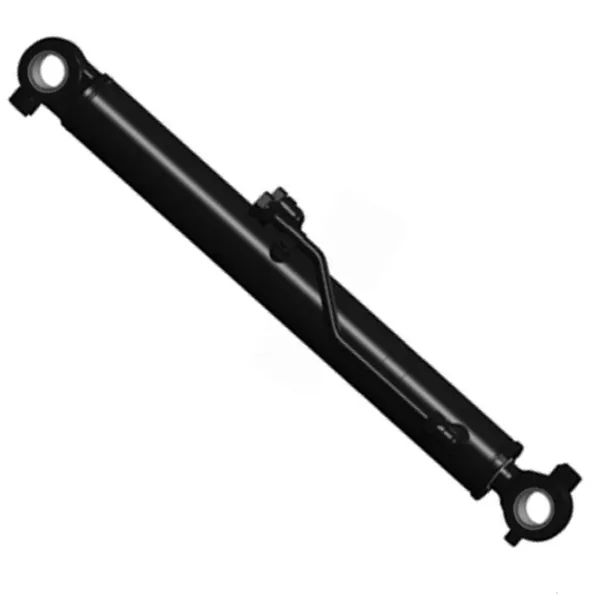
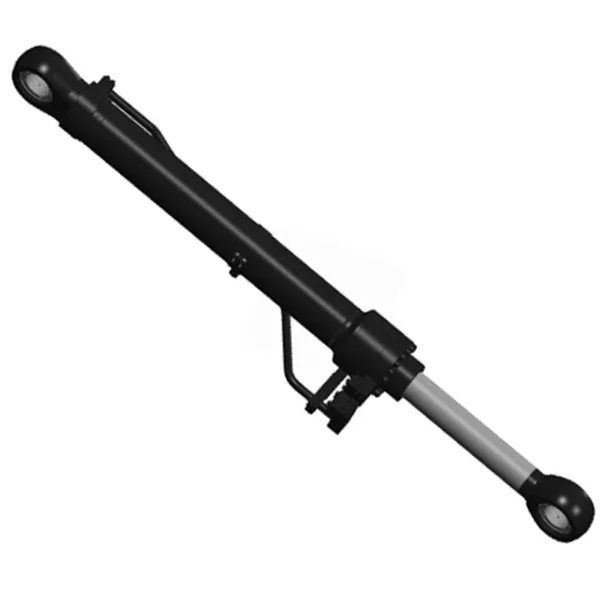
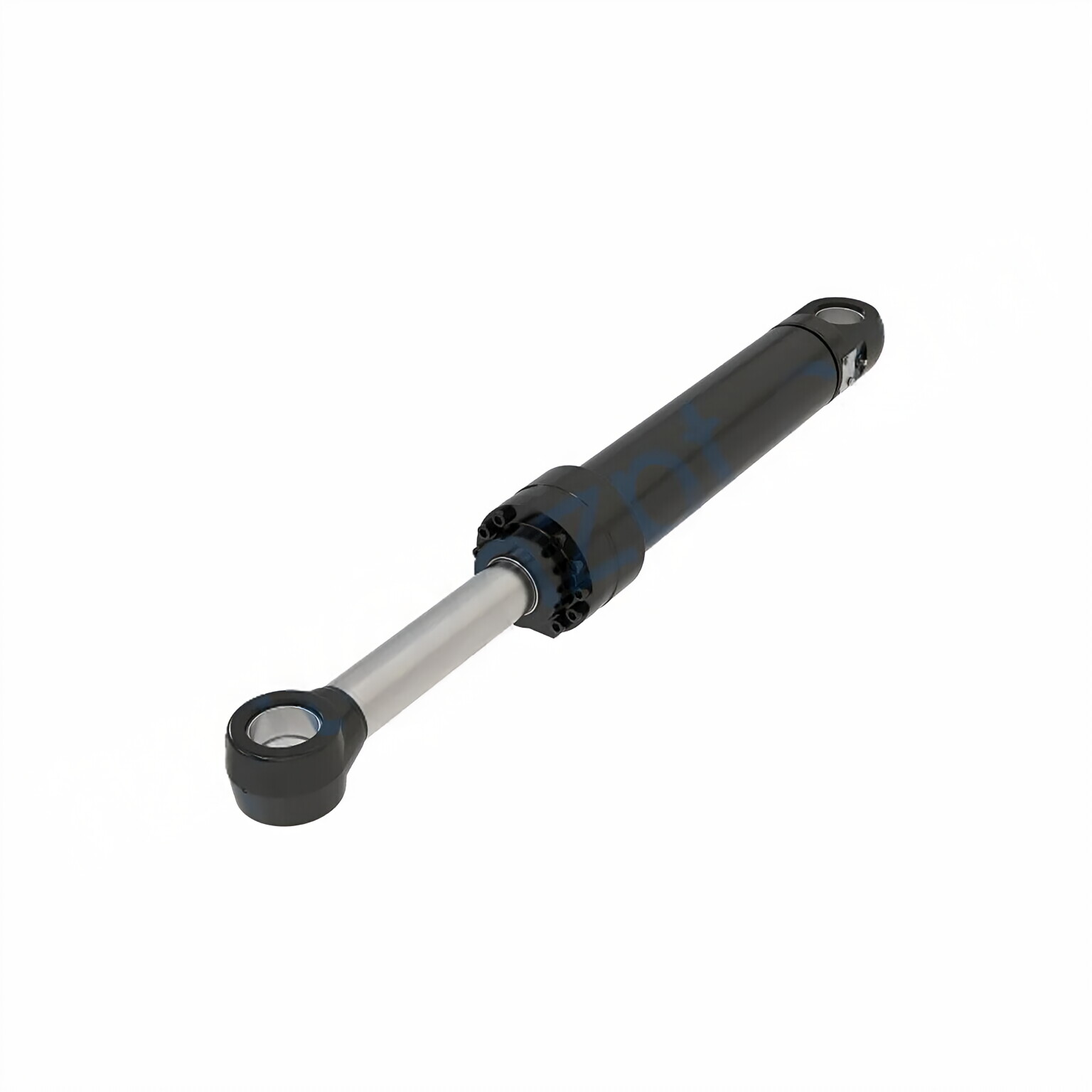
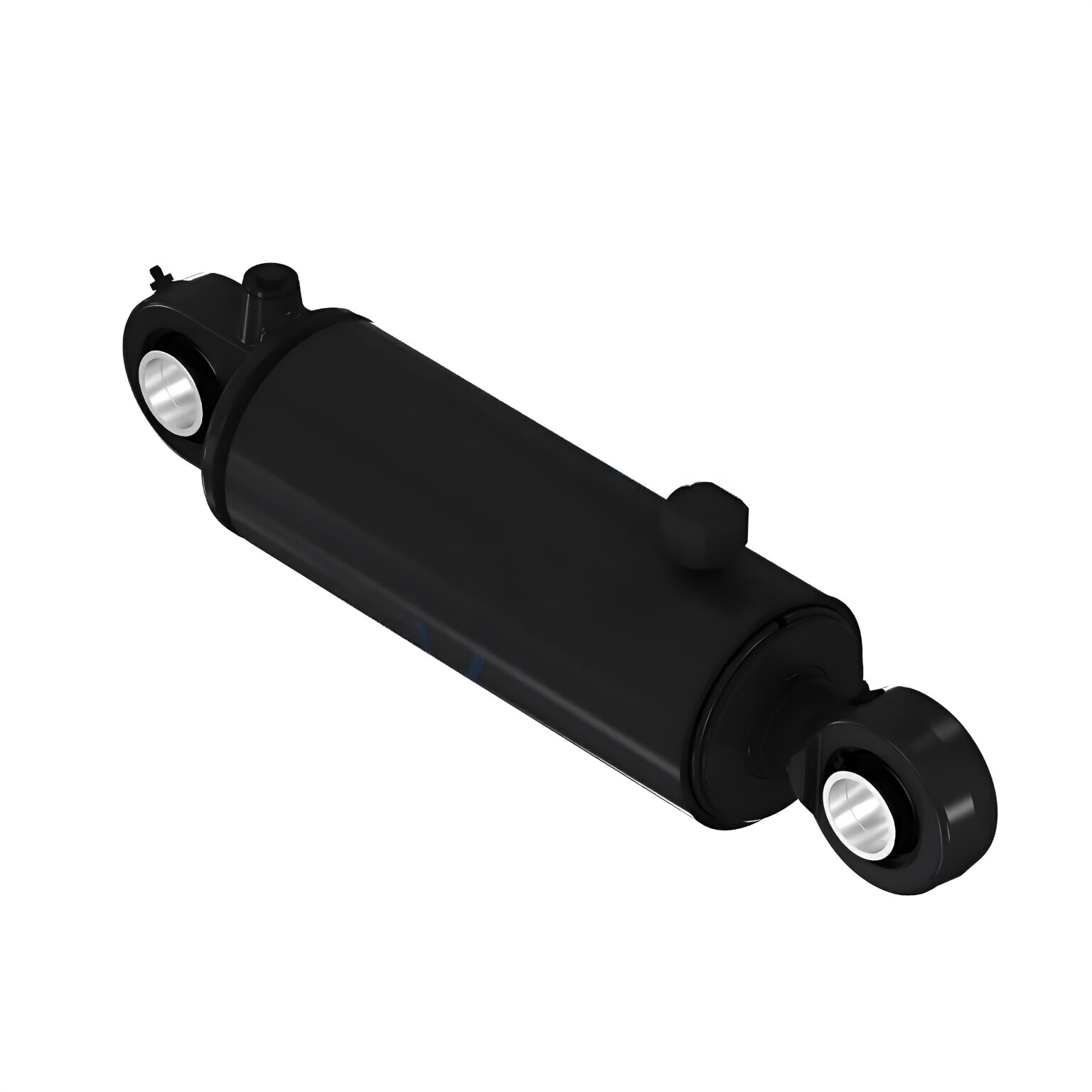
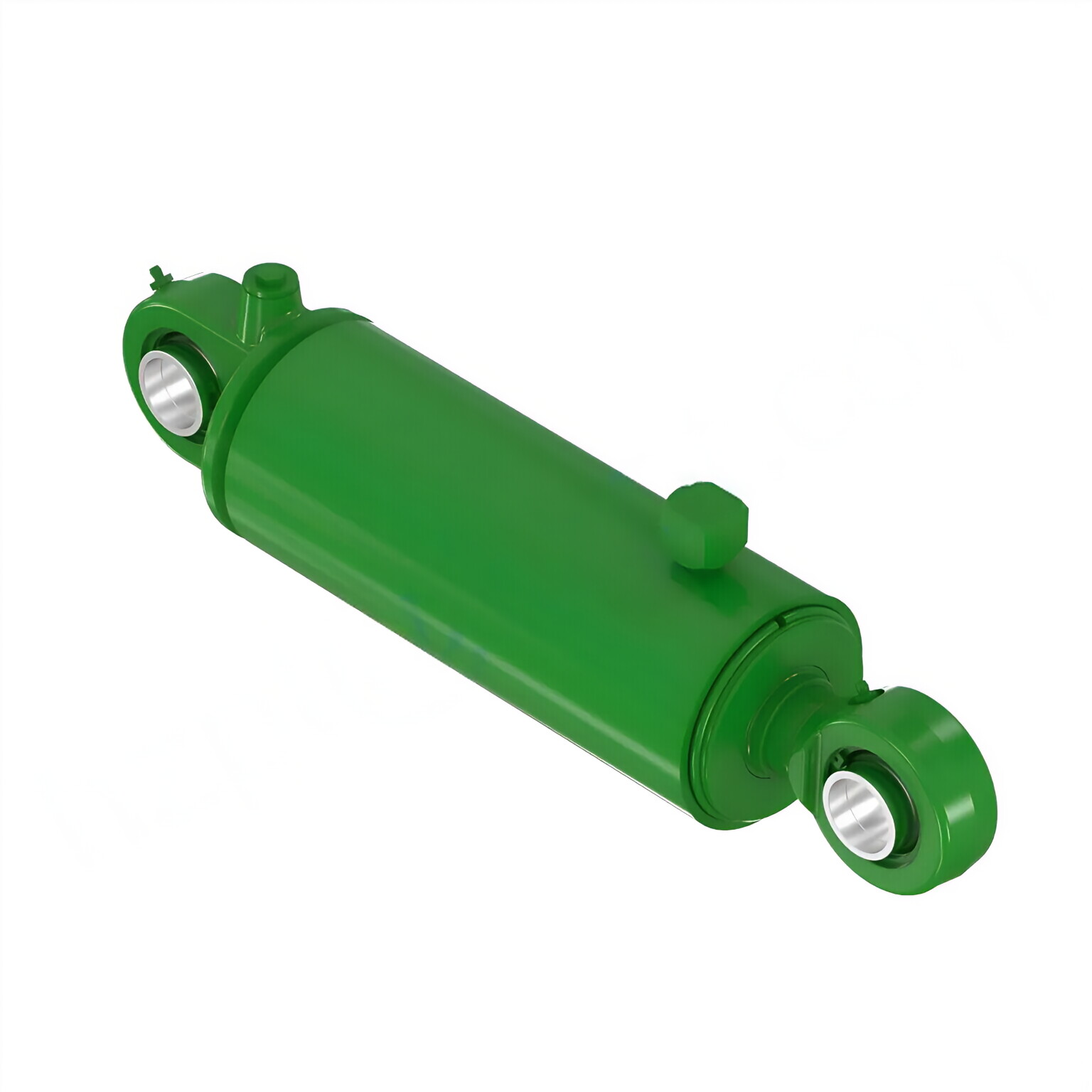
A direct-fit aftermarket bucket cylinder for the Kato HD1638R hydraulic excavator. Raydafon manufactures this cylinder as an independent replacement part for the bucket (stick-to-bucket) function, produced to the original mounting geometry so it installs with the machine's existing pins and hoses. Rebuildable design with separately available seal kits, rods and bushings. Kato and HD1638R are used on this page only to identify the machine the part fits; Raydafon is not affiliated with or endorsed by Kato Works Co., Ltd.
The bucket cylinder is the ram that curls and dumps the bucket. On a 16-tonne class machine such as the HD1638R, it works harder than any other cylinder on the excavator: every dig cycle loads it in both directions, its rod is exposed to grit and rock, and its pin bosses absorb the shock of every bucket strike. When it fails, the machine stops earning — which is why a replacement has to be right the first time.
This cylinder is produced to the mounting centres, pin diameters, port positions and stroke of the HD1638R bucket position, so it mounts with the original pins and hose fittings. It is an aftermarket replacement part manufactured independently by Raydafon, not a genuine Kato part, and Kato has not authorised or endorsed it.
Related cylinders from the same range include the general bucket cylinder family, the small excavator class covered by the small excavator bucket cylinder, and the boom cylinder and arm cylinder positions on the same linkage.
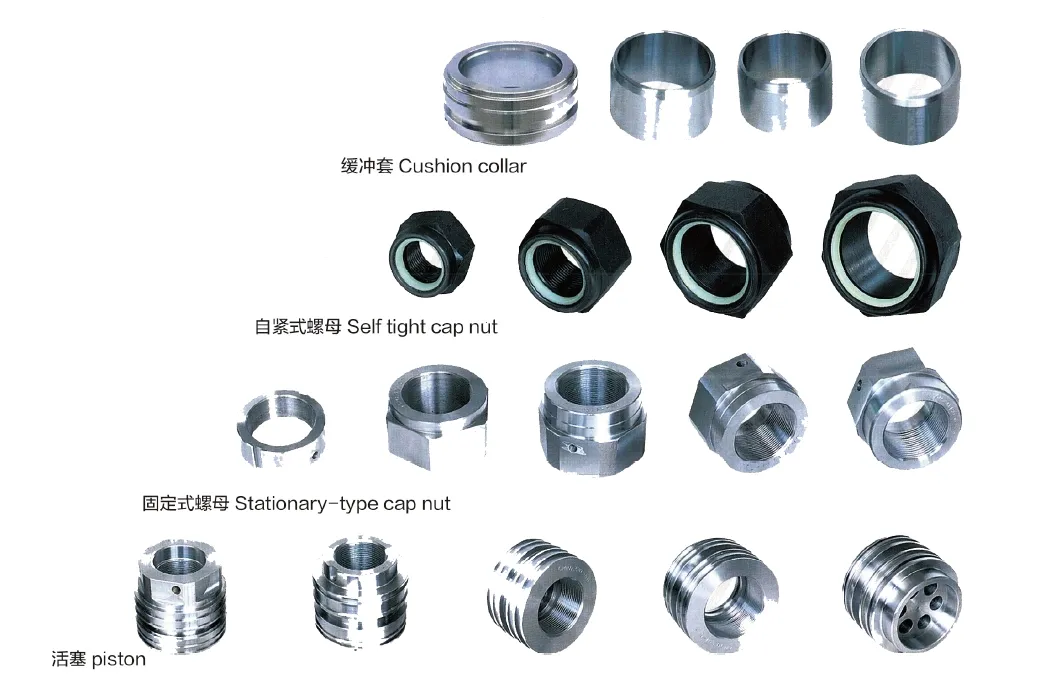
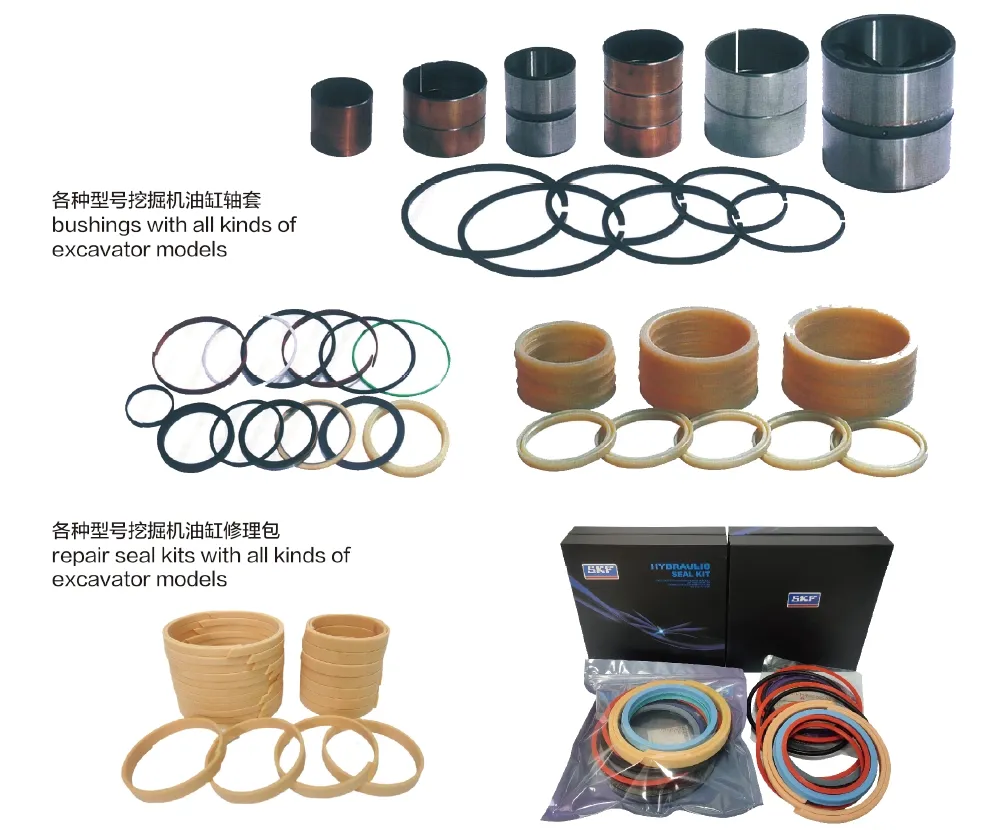
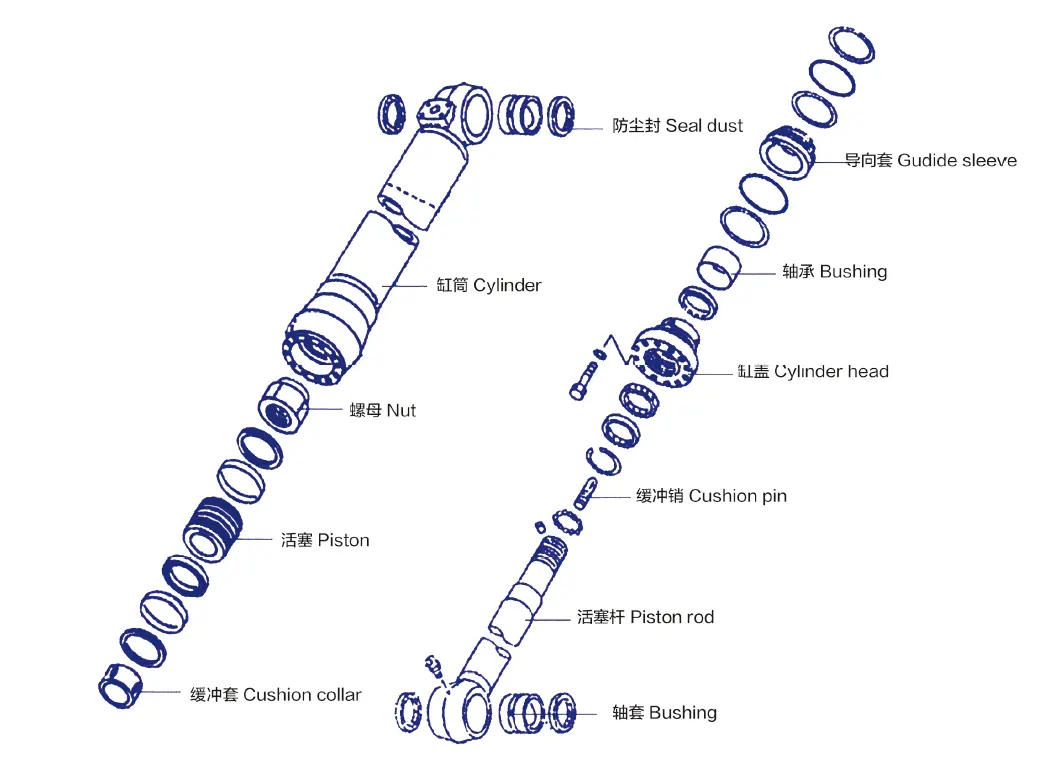
The cylinder is built for repairability. Every wearing element — rod, seals, gland bearing, bushings and pins — can be renewed separately, so a cylinder that weeps can be brought back to full function without replacing the complete assembly.
| Barrel | Steel tube with a honed internal bore, welded to the cap and end fitting as a pressure-containing assembly. The bore finish is controlled because it is the surface the piston seal runs against. |
| Piston rod | Hardened, hard-chrome-plated steel rod. The chrome layer gives the exposed rod the wear and corrosion resistance it needs, since it operates outside the barrel on every cycle. |
| Seal set | Piston seal and rod seal with an external wiper. Sealing elements are made from wear-resistant elastomers including polyurethane and nitrile rubber, selected for resistance to hydraulic oil and to the temperature range of mobile hydraulic work. |
| Gland and bearing | The rod is guided by a gland bearing that keeps it concentric with the bore, so the seals are loaded evenly and the rod cannot deflect sideways under load. |
| Threaded connections | Cylinder body and threaded ends receive fine surface treatment to improve wear resistance and protect the threads during assembly and service. |
| Serviceability | The cylinder is rebuildable. Seal kits, rods, bushings and pins are available separately, which lowers long-term running cost compared with replacing the whole unit. |
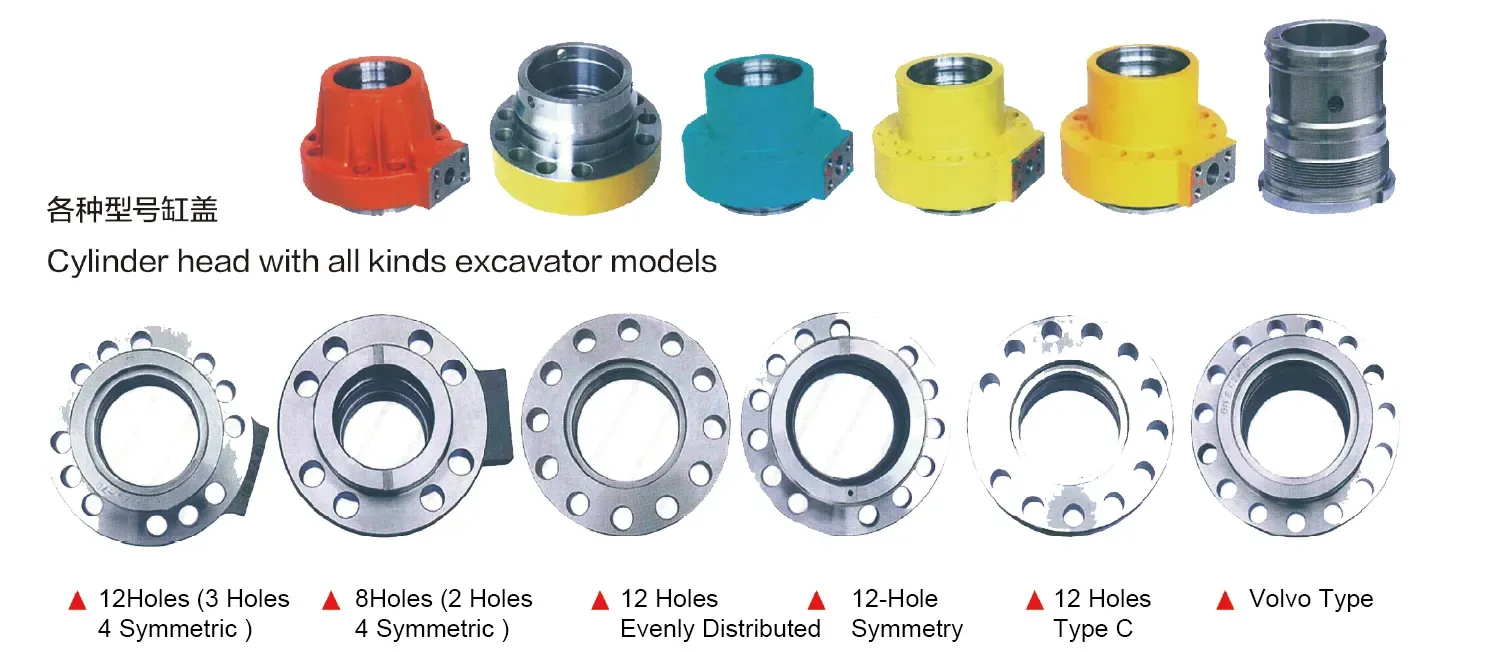
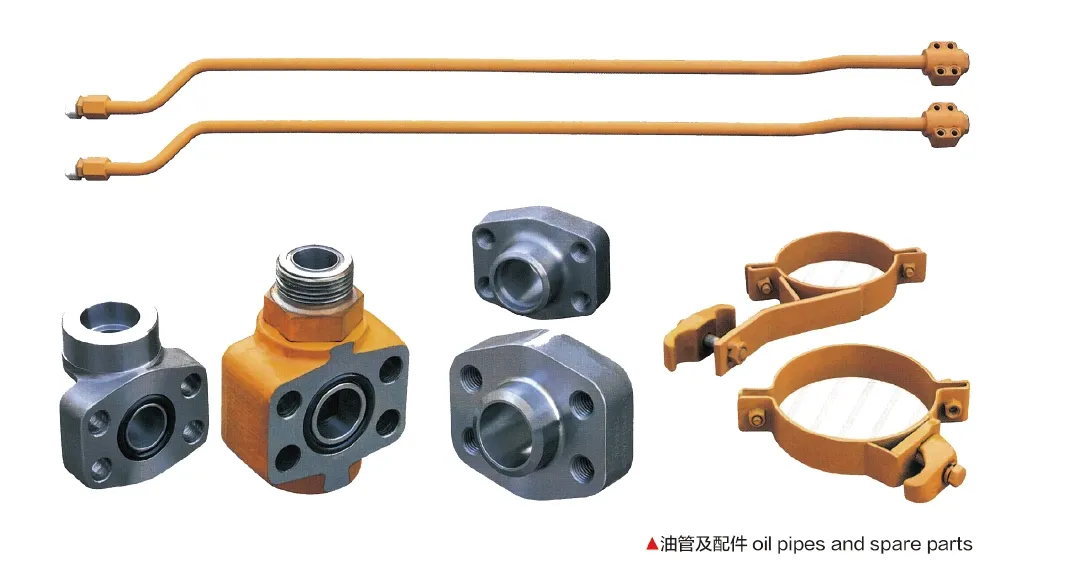
The table below records what is confirmed and what must come from your machine. A bucket cylinder is defined by five measurements, not by the machine model alone, so the fastest route to a correct quotation is the original part number or those five figures.
Scroll the table sideways on a mobile device to read every column.
| Item | Value | Source |
|---|---|---|
| Machine compatibility | Kato HD1638R, bucket position | Machine model |
| Function | Bucket curl and dump, stick-to-bucket linkage | Machine model |
| Part type | Aftermarket replacement, independently manufactured | Raydafon |
| Cylinder type | Double acting | Raydafon |
| Bore diameter | Confirm from parts book or measure the original | Customer |
| Rod diameter | Confirm from parts book or measure the original | Customer |
| Stroke | Confirm from parts book or measure the original | Customer |
| Closed / extended length | Measure pin centre to pin centre | Customer |
| Pin diameters | Rod end and cap end | Customer |
| Rated working pressure | Confirm against machine main relief pressure | Customer |
| Port size and position | To be confirmed on the drawing | Raydafon |
| Seal materials | Polyurethane and nitrile rubber | Raydafon |
| Serviceability | Rebuildable; seal kits, rods, bushings, pins available separately | Raydafon |
| Inspection | Machinery test report and outgoing inspection record | Raydafon |
Values to confirm before publication: bore, rod diameter, stroke, length, pin diameters and port details are machine-specific and cannot be inferred from the model name. Take them from the HD1638R parts book or measure the cylinder being replaced, then replace the marked cells. Also confirm whether all HD1638R build variants share the same bucket cylinder — if they do not, note the serial number range on this page so buyers can self-check.
Replacing a cylinder without addressing why the old one failed is the most common reason for a repeat failure within a season. The table below links the symptom an operator actually notices to the underlying cause and what should be done about it.
Diagnostic reference. Scroll sideways on a mobile device.
| Symptom | Likely cause | Action |
|---|---|---|
| Oil weeping from the gland | Worn or hardened rod seal; grit has passed a damaged wiper and scored the chrome | Inspect rod surface. If straight and unmarked, fit a seal kit. If scored, replace the rod or the cylinder. |
| Bucket drifts down under load | Internal bypass past worn piston seals — invisible from outside | Pressure-test the cylinder. Internal bypass requires a reseal; check the control valve spool before blaming the cylinder alone. |
| Sluggish or slow curl | Restricted flow from a kinked or collapsed hose; clogged filter; pump wear | Check hoses and filter first. If the circuit is clear and other functions are also slow, the fault is upstream of the cylinder. |
| Knocking or creaking during operation | Worn mounting pins or ovalised pin bores allowing the cylinder to move off-axis | Replace pins and bushes together with the cylinder. Leaving worn bushes in place is what destroys the new cylinder's seals. |
| Rod visibly bent | Prying, striking the bucket against rock, or lifting with the cylinder at full extension | Replace the rod or cylinder. Also inspect the bucket linkage for distortion, or the replacement will bend the same way. |
| Loss of force with no external leak | Pressure escaping past the piston, or relief valve set below specification | Measure system pressure at the cylinder port. If pressure is correct and force is still low, the cylinder needs a reseal. |
| Oil discoloured or metallic particles present | Bore scoring or pump/component wear circulating debris | Flush the system and change the filter before fitting the replacement, otherwise the new cylinder will be damaged the same way. |
Diagnose before you order. If the symptom is sluggish operation rather than leakage, the cylinder may not be the faulty component at all. Sending us the symptom, machine hours and a photograph of the cylinder will usually let us tell you whether a reseal, a replacement or a system repair is the right answer.
Compare bore, rod diameter, stroke, pin centres and port position against the original cylinder before removing anything from the machine.
Wash down the cylinder area before breaking any hydraulic connection, so grit is not introduced into the open circuit.
Relieve hydraulic pressure, disconnect the hoses, then immediately cap or plug both ports and hose ends. Contamination at this step is the leading cause of early failure on a new cylinder.
Inspect mounting pins and bushes while the cylinder is off and replace worn items now. They are what holds the cylinder on axis.
Install with the correct pins and retaining hardware, then stroke the function slowly by hand to confirm there is no bind or interference through the full travel.
Cycle the bucket function slowly several times through full stroke to purge air, check for weeping at the ports and gland, then test at working pressure and re-check.
| Daily | Inspect the exposed rod for scratches and dents, check for weeping at the gland and ports, and confirm mounting pins are secure and greased. |
| Weekly | Grease the mounting pins at the interval in the machine manual. Dry pins wear the bores and allow the cylinder to move off-axis, which loads the seals sideways. |
| Hydraulic oil | Change the filter at the specified interval and check oil condition. Clean oil is what protects the honed bore — most bore damage originates from circulating debris. |
| Seals | Replace seals when weeping first appears rather than when leakage becomes heavy. A weeping cylinder left running will damage the rod and turn a seal kit job into a full replacement. |
| System pressure | Confirm the main relief valve setting periodically. A relief valve set above specification transmits pressure spikes directly into the cylinder. |
| Operating practice | Avoid prying with the bucket and striking it against rock. These transmit shock loads far above working pressure and are the main cause of bent rods and cracked welds. |
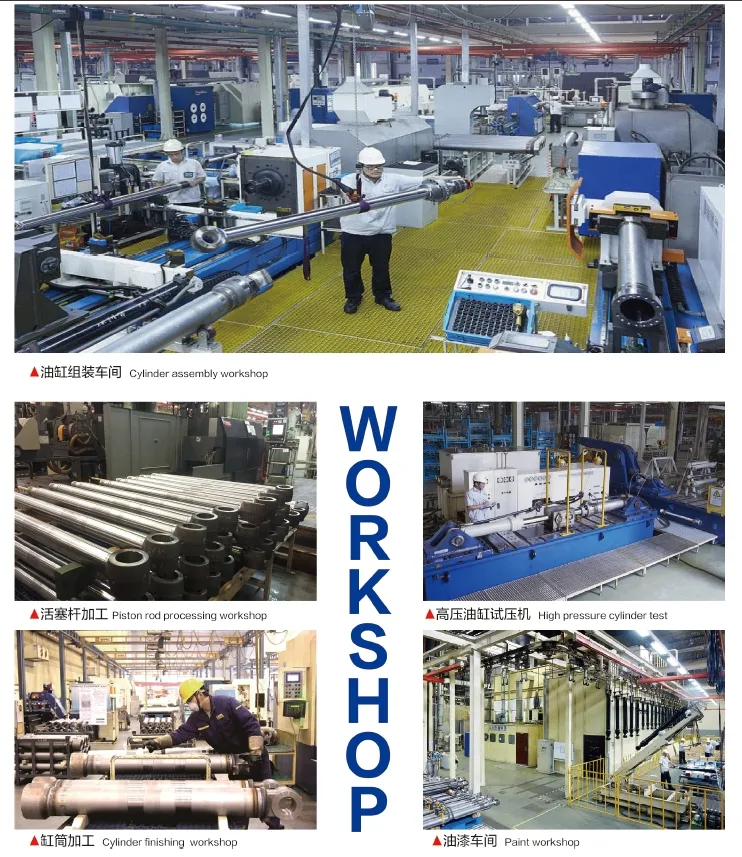
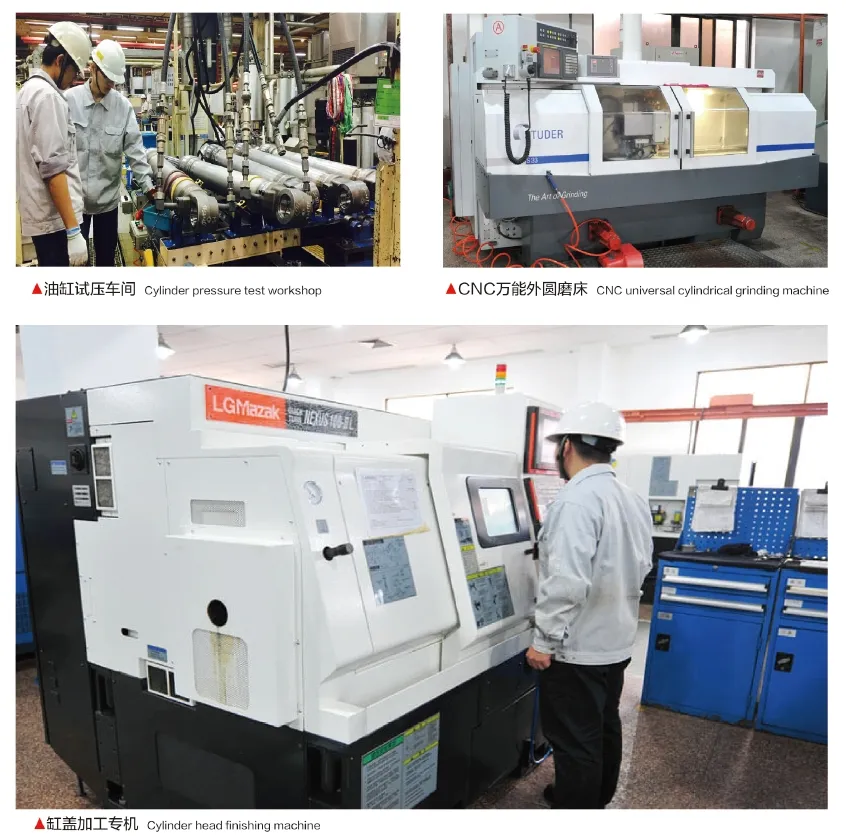
Raydafon manufactures hydraulic cylinders in its own facility in Ningbo, China, with independent research, development and design capability and an integrated design-to-manufacturing process. That capability is what allows a cylinder to be produced against a machine drawing or a sample rather than selected from a fixed catalogue, and it is also what allows wearing components to be supplied separately over the life of the machine.

Send the machine serial number, the Kato part number if you have it, and the bore, rod diameter, stroke and pin centres measured from your cylinder — or simply a photograph with a tape measure across the mounting eyes. We confirm the fitment and reply with price and lead time.
Request a QuotationRaydafon is an independent manufacturer of hydraulic cylinders and is not affiliated with, authorised by or endorsed by Kato Works Co., Ltd. Kato and HD1638R are trademarks of their respective owner and are used on this page solely to identify the machine for which these aftermarket replacement parts are suitable. Bore, rod diameter, stroke, length and port details are confirmed against your machine data in the quotation. Confirm the delivered configuration against the order drawing.
Address
Luotuo Industrial Area, Zhenhai District, Ningbo City, China
Tel

 Raydafon