
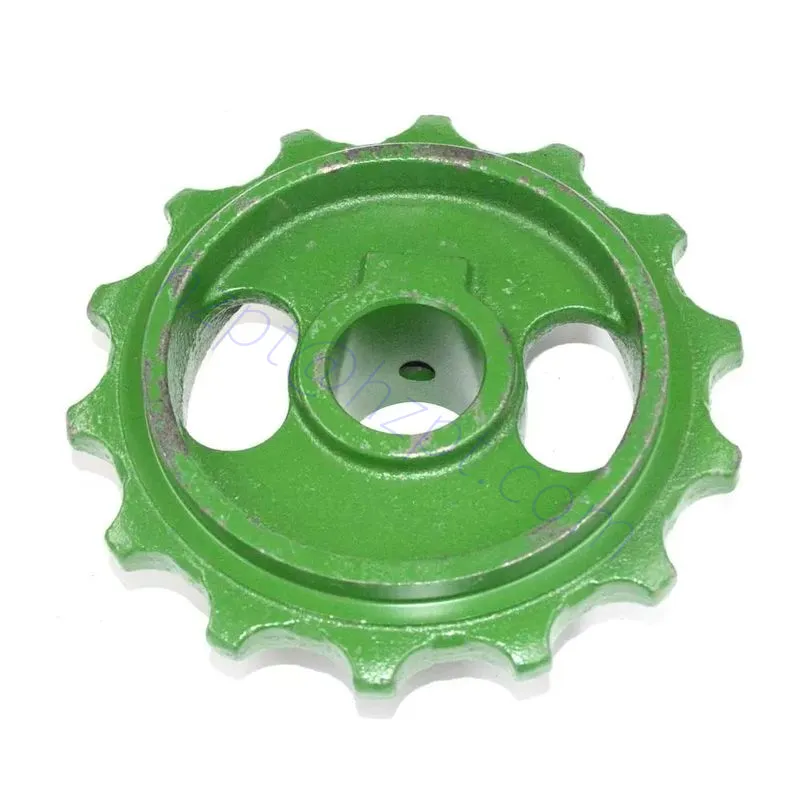
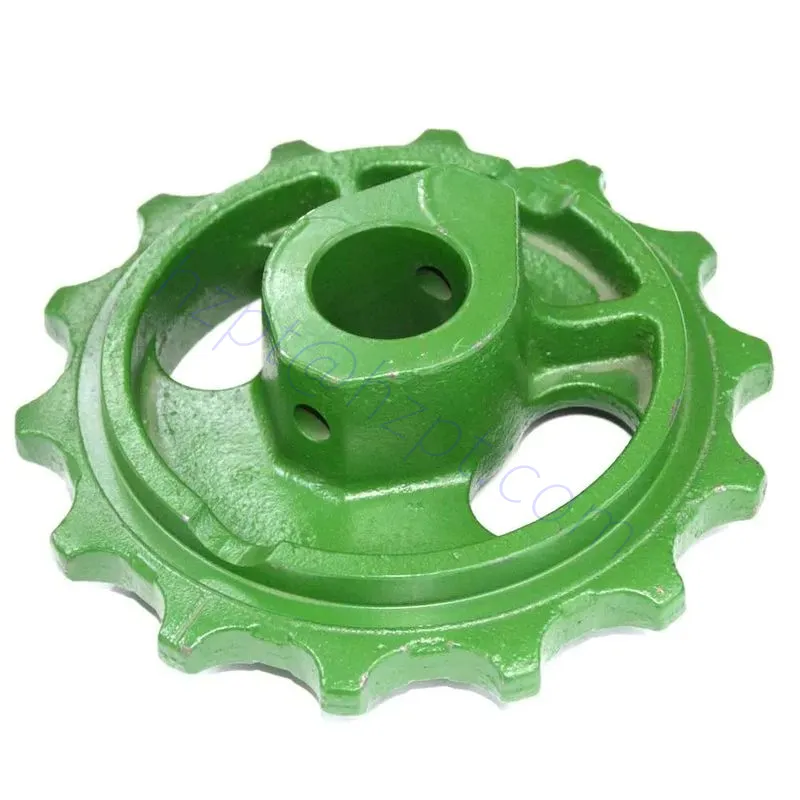
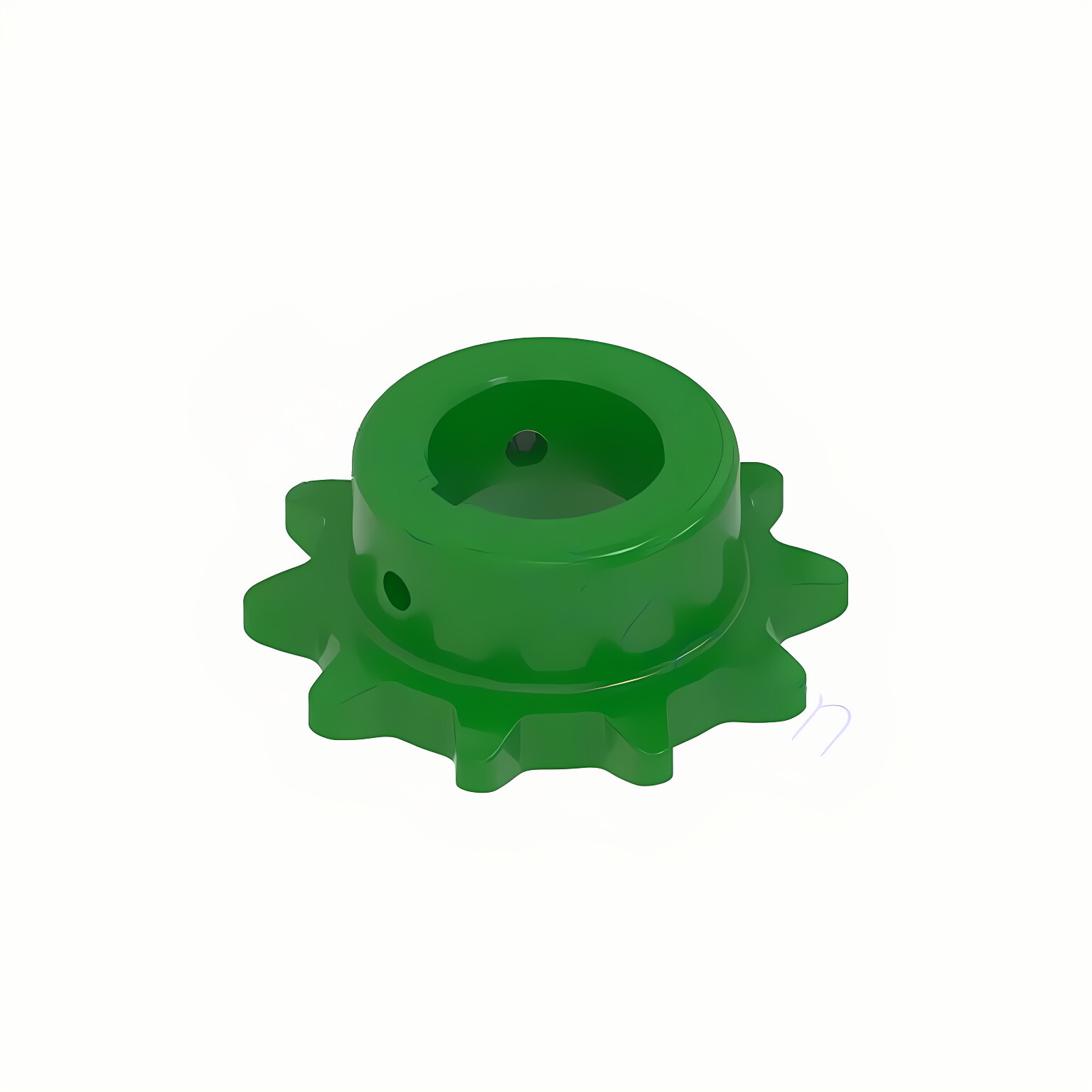
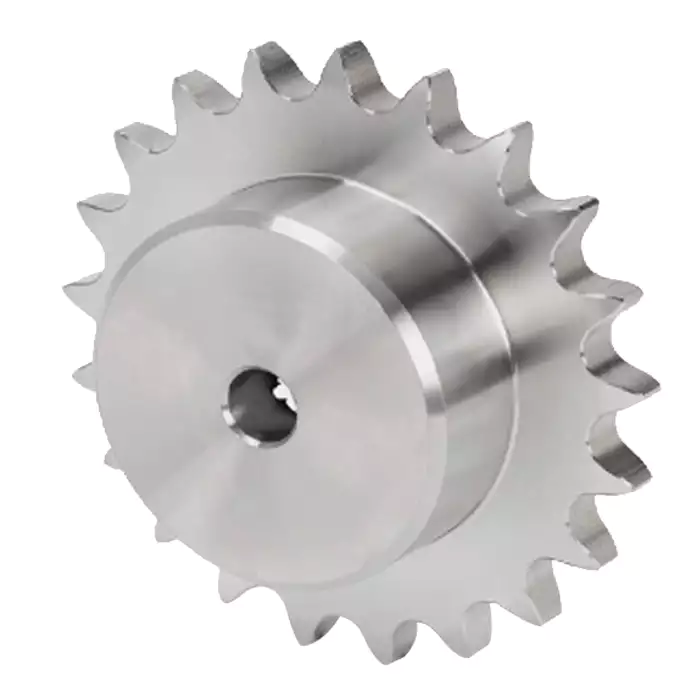
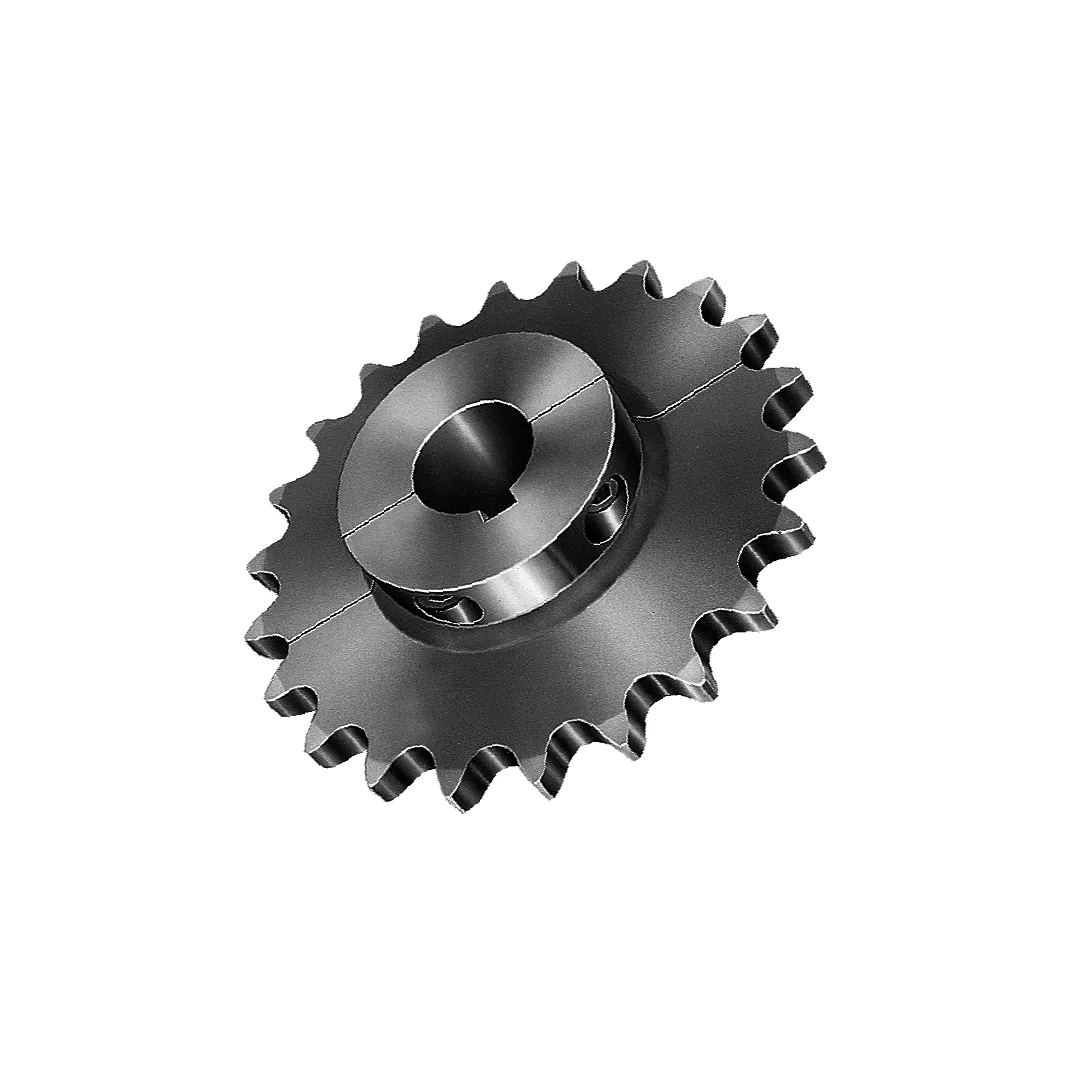
For over four decades, the Sprockets manufactured by Raydafon Group have been the silent, reliable backbone of countless industrial and mechanical systems worldwide. A sprocket is far more than a simple toothed wheel; it is a critical power transmission component that ensures the efficient, synchronized transfer of motion and force through a chain drive system. The precision with which it is engineered directly impacts the entire system's performance, longevity, and operational cost. At Raydafon Group, we understand this fundamental role. Our commitment to metallurgical excellence, cutting-edge manufacturing, and rigorous quality control results in sprockets that deliver unmatched durability, reduced maintenance intervals, and superior operational efficiency for the most challenging applications.
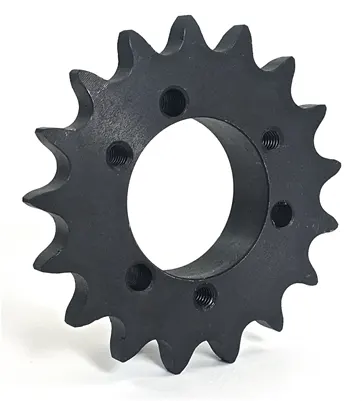
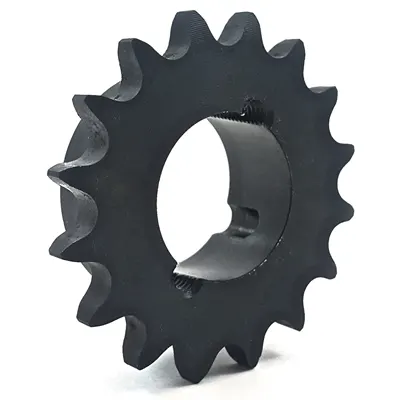
Raydafon Group sprockets are available in a comprehensive range of types, sizes, and materials to meet specific operational requirements. The following parameters are essential for selection and specification.
| Series | Standard | Pitch Range | Key Materials | Typical Hardness (Tooth Face) | Primary Applications |
|---|---|---|---|---|---|
| RS (Roller Chain) | ANSI/ASA B29.1 | 0.25" to 3.0" | C1045 Steel, 4140 Alloy Steel | 45-50 HRC | Conveyors, agricultural machinery, general industrial drives |
| HD (Heavy Duty) | BS/DIN / ISO 606 | 0.375" to 2.5" | 4140/4142 Alloy Steel, Through-Hardened | 50-55 HRC | Mining equipment, forestry machinery, heavy-duty conveyors |
| SS (Stainless Steel) | ANSI & DIN | 0.25" to 2.0" | Stainless 304, Stainless 316 | 35-40 HRC (Work Hardened) | Food & beverage processing, chemical plants, marine applications, washdown environments |
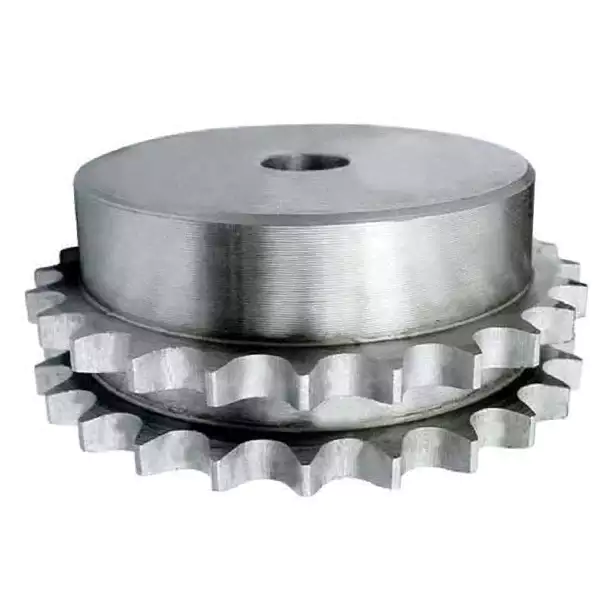
| DP (Double Pitch) | ANSI B29.3 | 0.5" to 2.0" (Double Pitch Value) | C1045 Steel, Cast Iron | 40-45 HRC | Slow-speed conveyors, material handling, where reduced weight and cost are factors |
| CS (Custom/Special) | Customer Drawings | N/A | Tool Steel, Bronze, Specialty Alloys | As Specified | Aerospace, defense, specialized automation, prototype machinery |
Q: How do I select the correct sprocket size for my application?
A: Selecting the correct sprocket involves several key steps. First, identify the chain you are using or plan to use; the sprocket must match the chain's pitch (e.g., 0.5", 0.625"). Second, determine the required number of teeth based on your desired speed ratio (driving shaft RPM vs. driven shaft RPM). Third, consider the bore size and keyway required to fit your shaft diameter. Finally, assess the operating environment (load, shock, corrosion) to choose the appropriate material and hardness. Raydafon Group provides detailed selection guides and engineering support to assist with this process.
Q: What are the signs of a worn sprocket that needs replacement?
A: Visible signs include a hooked or curved tooth profile (instead of straight sides), thinning of the teeth, and visible wear patterns or grooves at the root of the teeth. Audibly, increased chain noise, rattling, or a "squealing" sound can indicate poor engagement. Operationally, you may experience chain slippage, vibration, or accelerated chain wear. Replacing a worn sprocket promptly is crucial, as it will rapidly destroy a new chain.
Q: Can I use a sprocket with a different pitch than my chain?
A: Absolutely not. The sprocket pitch and the chain pitch must be identical. Mismatching pitches, even slightly, will cause improper seating of the chain rollers, leading to immediate and severe damage to both the chain and sprocket teeth, catastrophic failure, and potential safety hazards. Always verify pitch compatibility before installation.
Q: What is the advantage of a hardened tooth sprocket versus a mild steel sprocket?
A: Hardened tooth sprockets, like those standard from Raydafon Group, offer dramatically extended service life. The hardened surface resists abrasion and the deformation caused by chain pressure. This not only makes the sprocket last longer but also protects the chain from premature wear, reducing total system cost over time. Mild steel sprockets are softer and wear quickly, acting like a file that grinds down the chain.
Q: How does proper sprocket alignment affect my drive system?
A: Correct alignment is paramount for longevity and efficiency. Misaligned sprockets cause uneven load distribution across the chain's width, leading to accelerated wear on the chain's side plates, rollers, and the sprocket teeth themselves. This results in reduced power transmission efficiency, increased energy consumption, higher noise levels, and premature failure. Always use alignment tools to ensure sprockets are parallel and in-plane.
Q: Does Raydafon Group offer custom sprocket manufacturing?
A: Yes, custom engineering and manufacturing is a core specialty of Raydafon Group. We produce sprockets to exact customer specifications, including non-standard tooth profiles, special hub designs, unique materials (like bronzes or high-strength alloys), and proprietary hardening processes. We work from supplied drawings, samples, or concept designs to deliver a component that meets precise operational requirements.
Q: What maintenance do sprockets require?
A: Sprockets themselves require minimal direct maintenance if properly selected and installed. The primary maintenance activity is regular inspection for wear, as detailed above. Ensuring the connected chain is properly lubricated (which reduces wear on both components) and that the sprocket remains clean and free of abrasive debris is essential. Periodically check mounting bolts or set screws for tightness.
The performance of a sprocket begins at the molecular level. Raydafon Group sources only certified, traceable raw materials. Our carbon and alloy steels are selected for their consistent grain structure and hardenability. The manufacturing process involves state-of-the-art CNC machining centers that guarantee tooth-to-tooth accuracy and perfect concentricity between the bore and the pitch diameter. Our heat-treating facilities are precisely controlled to impart the exact surface hardness and core toughness needed for each application, whether it's case hardening for wear resistance or through-hardening for extreme shock load capacity. Every batch undergoes statistical process control checks and final inspection, including hardness testing and dimensional verification, ensuring that every sprocket bearing the Raydafon Group name performs as engineered.
Beyond standard catalog items, Raydafon Group engineers specialize in developing sprocket solutions for niche and extreme applications. For the agricultural sector, we produce sprockets with sealed bearing hubs to prevent contamination from dirt and chaff. For the packaging industry, we manufacture ultra-quiet, polymer-coated sprockets to reduce noise in high-speed bottling lines. In mineral processing, we supply sprockets with tungsten carbide-enhanced teeth for abrasive slurry environments. This application-focused approach ensures that our components are not just replacements, but upgrades that enhance overall system reliability and productivity.

 Raydafon