
In the demanding world of modern agriculture, the efficiency and longevity of your tillage equipment are paramount. At Raydafon Group, we engineer disc blades that set the industry standard for durability, cutting precision, and overall field performance. Our decades of metallurgical expertise and commitment to innovation ensure every blade delivers consistent results, season after season, maximizing your return on investment.
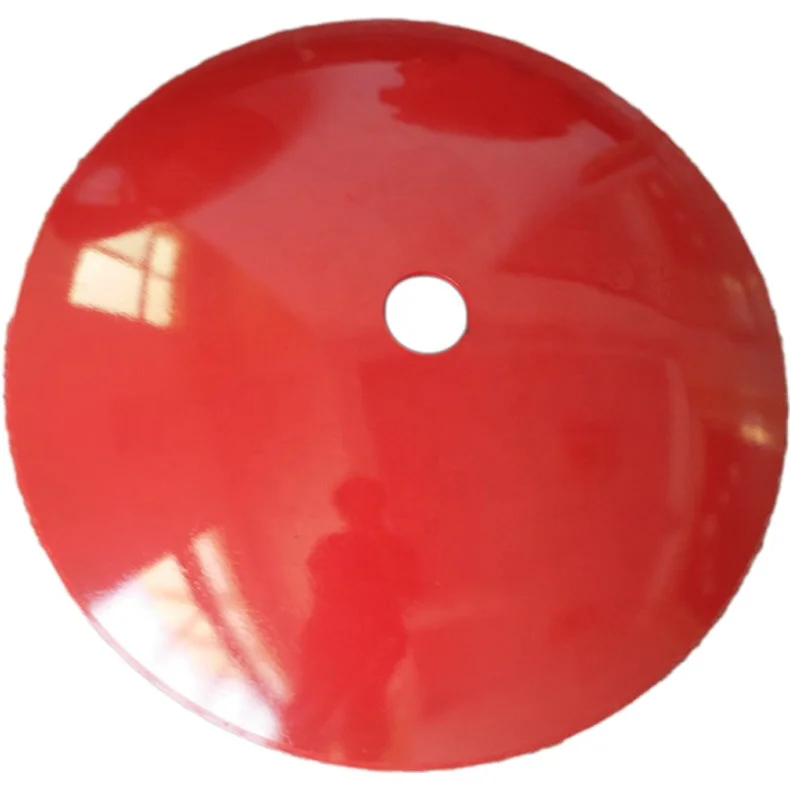
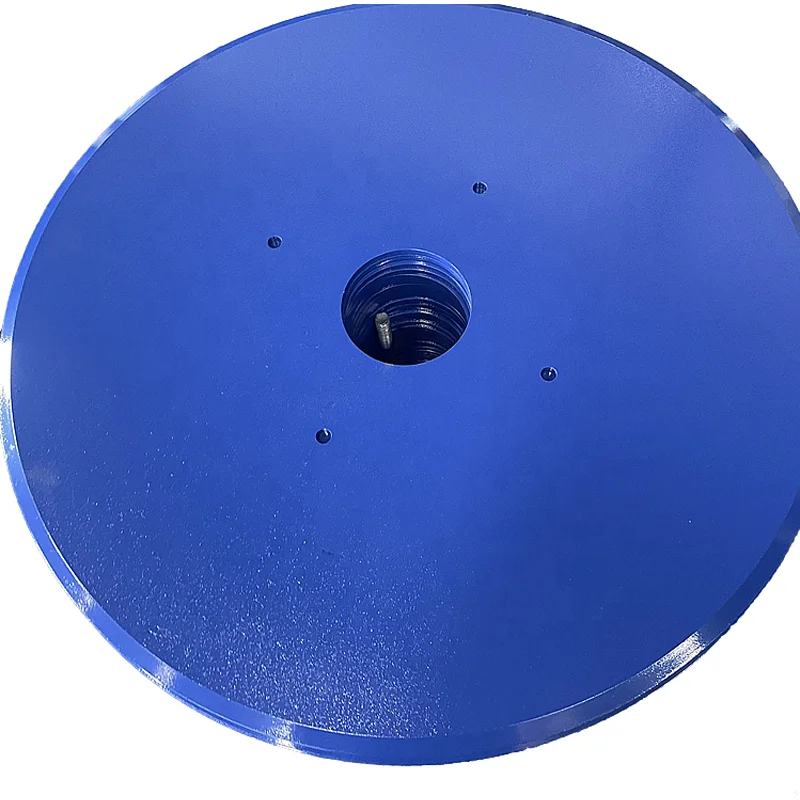
Raydafon Group's disc blades are manufactured using a proprietary process that optimizes steel hardness, toughness, and wear resistance. Below are the detailed specifications that define our premium product line.
| Model Code | Diameter (inches/mm) | Thickness (gauge/mm) | Concavity (inches/mm) | Bore Size (inches/mm) | Primary Application |
|---|---|---|---|---|---|
| RDF-22C | 22" / 559 mm | 12 ga / 2.65 mm | 4" / 102 mm | 4.25" / 108 mm | Light disc harrows, finishing work |
| RDF-26X | 26" / 660 mm | 11 ga / 3.00 mm | 4.5" / 114 mm | 5" / 127 mm | Medium-duty tillage, seedbed preparation |
| RDF-30HT | 30" / 762 mm | 10 ga / 3.41 mm | 5" / 127 mm | 6" / 152 mm | Heavy-duty offset discs, primary tillage |
| RDF-36XP | 36" / 914 mm | 3/8" / 9.5 mm | 5.5" / 140 mm | 7" / 178 mm | Extreme conditions, rocky soils, deep cutting |
Q: How often should I inspect and replace my disc blades?
A: Regular inspection is key. Visually check for edge nicks, excessive wear (where the edge becomes rounded beyond 1/8"), cracks, or bending after every 50-70 operating hours. Replacement intervals depend on soil abrasiveness and workload. In sandy or rocky conditions, blades may need replacement every 1-2 seasons. In normal loam, high-quality blades like those from Raydafon Group can last 3-5 seasons with proper maintenance. Always replace blades in complete gangs or sets to maintain balance and uniform cutting depth.
Q: What is the difference between a plain and a notched disc blade, and which should I choose?
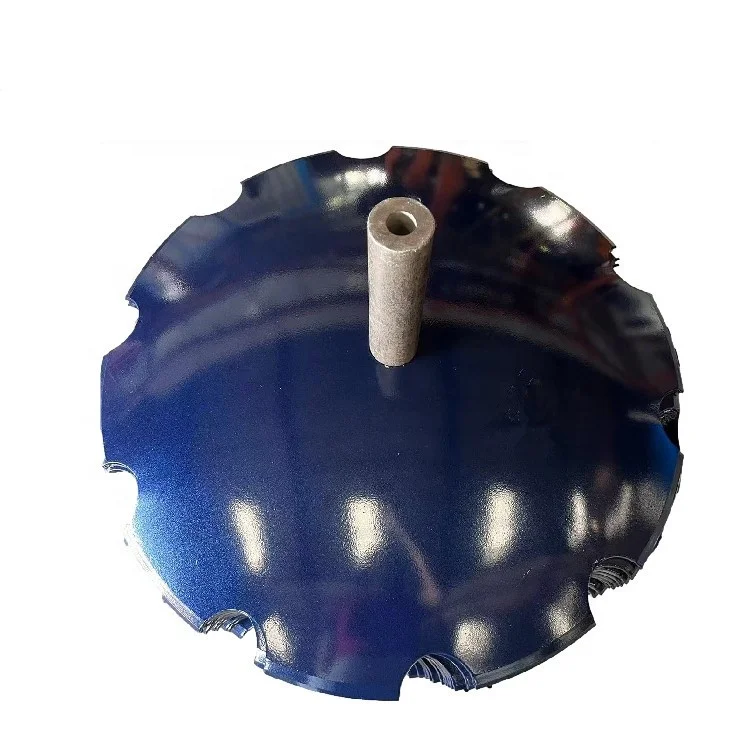
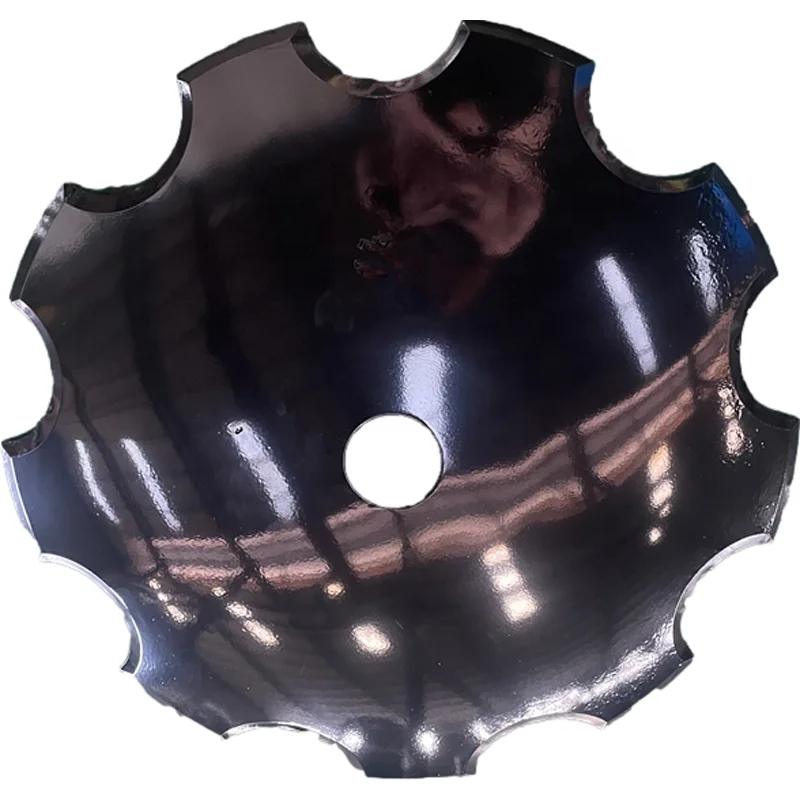
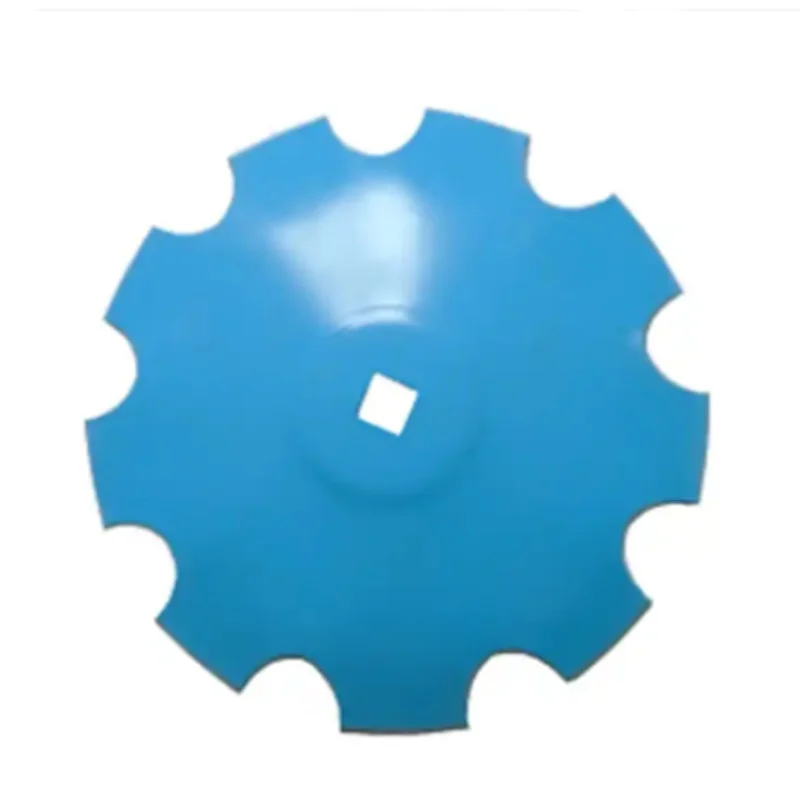
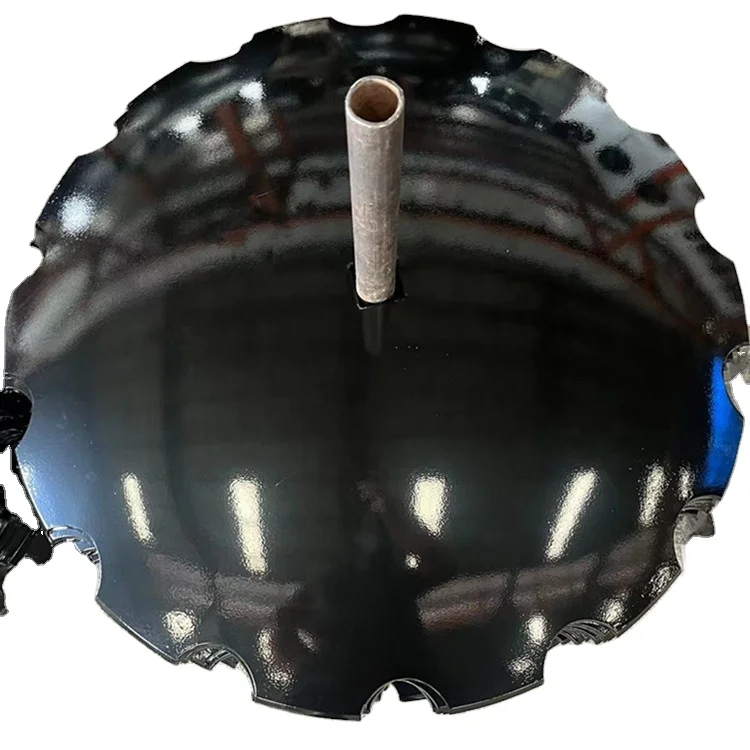
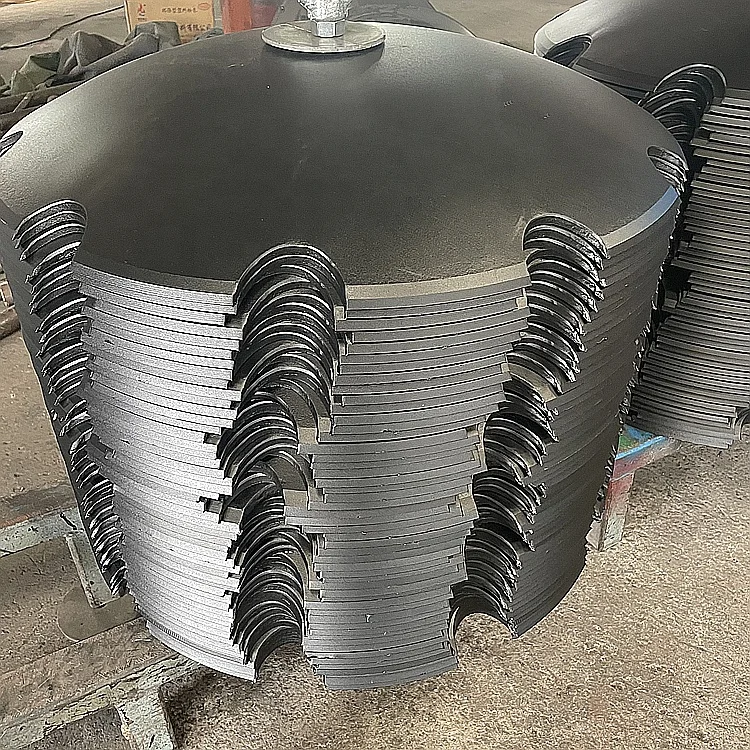
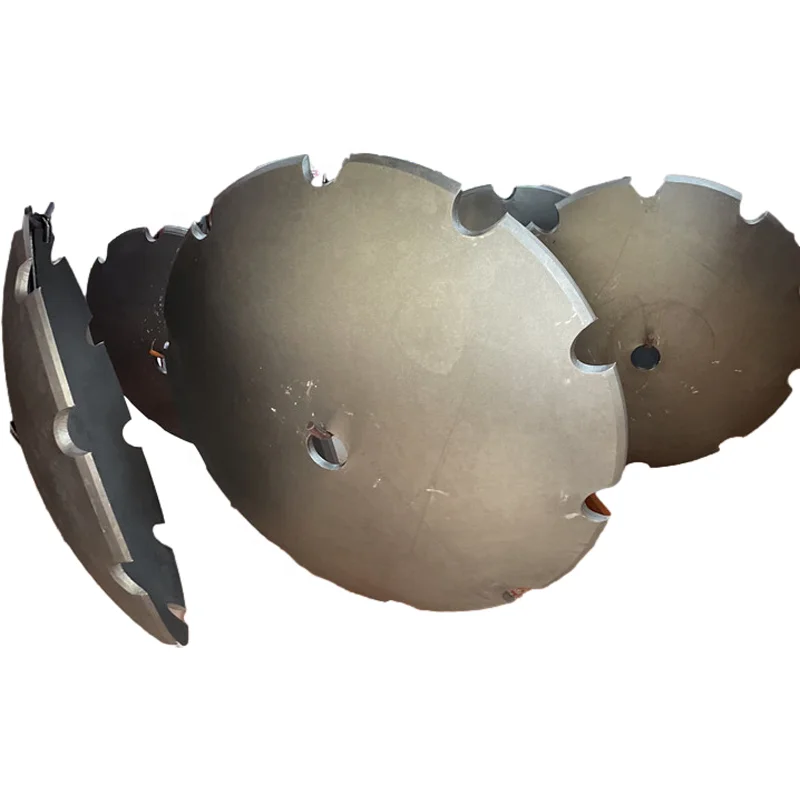
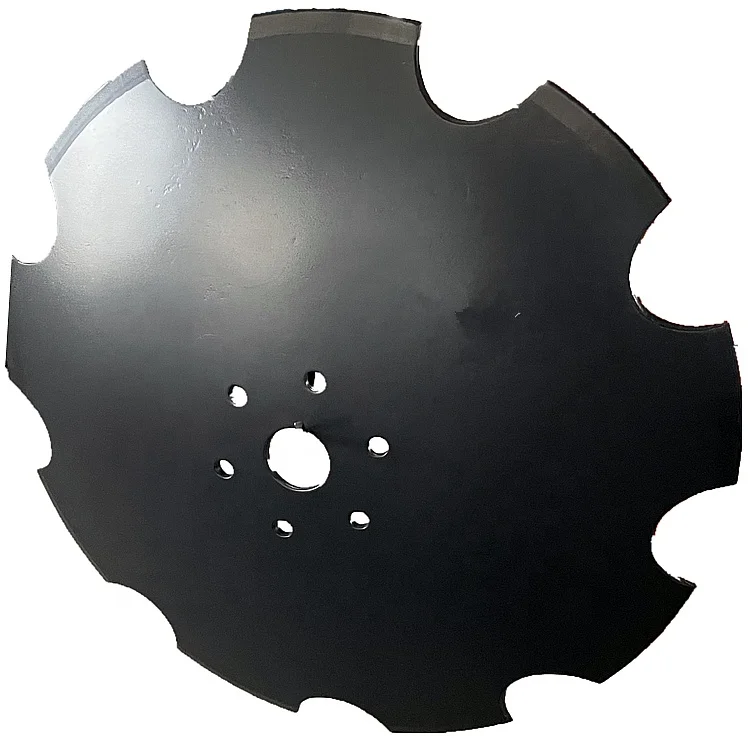
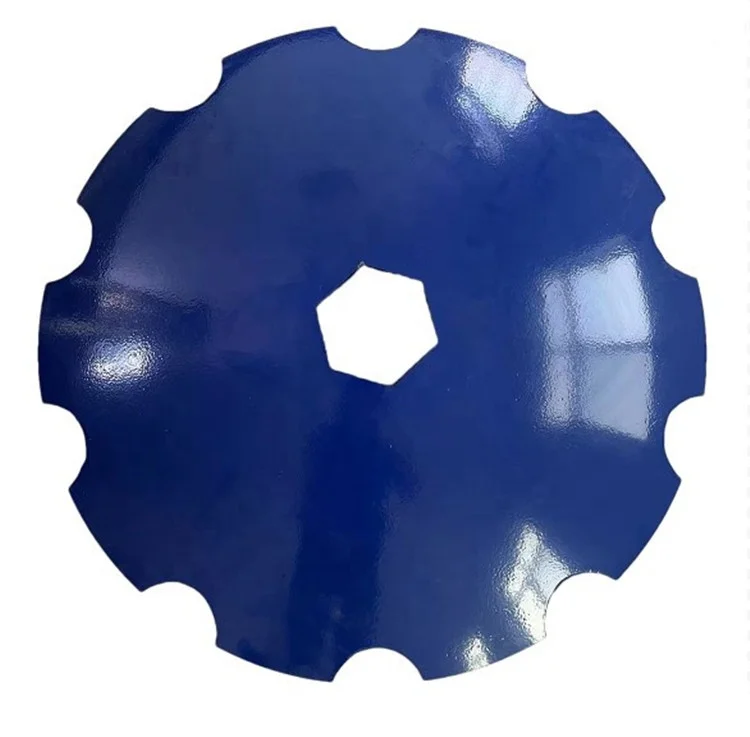
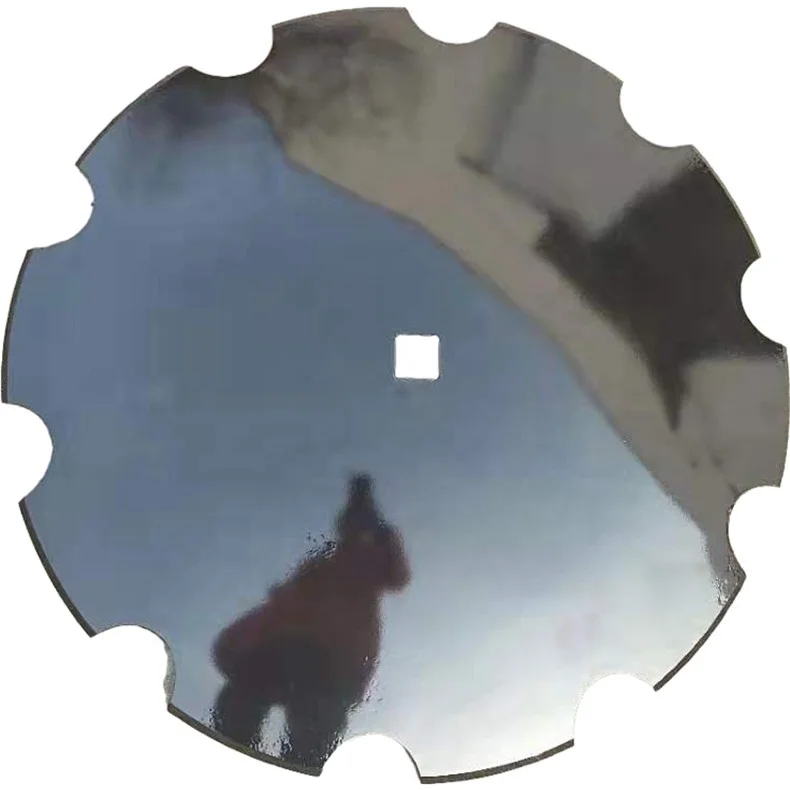
A: Plain blades have a smooth, continuous edge ideal for fine seedbed preparation, finishing, and working in lighter residue. Notched blades (sometimes called serrated or cut-out blades) have scallops or notches around the edge. These are designed for aggressive action—they chop heavy residue, penetrate harder or root-bound soils more effectively, and provide more fracturing of the soil profile. Choose notched blades for primary tillage, breaking sod, or working in fields with high volumes of corn or sugarcane residue. Raydafon Group offers both types in our full range of sizes.
Q: Does blade concavity really matter for performance?
A: Absolutely. Concavity, the depth of the dish in the blade, is a critical design factor. A deeper concavity (like the 5.5" on our RDF-36XP) creates a more aggressive scooping action, providing greater soil lift and turnover. This is excellent for burying residue and aerating the soil. A shallower concavity offers a more leveling, mixing action suitable for secondary tillage. Selecting the correct concavity for your soil type and tillage goal is crucial for fuel efficiency and achieving the desired soil structure.
Q: Can I use a harder blade to make it last longer?
A: There is a balance. While extreme hardness resists abrasive wear, a blade that is too hard becomes brittle and susceptible to chipping or catastrophic cracking upon impact with rocks or hidden obstacles. Raydafon Group's metallurgical approach uses a specific grade of boron steel and controlled hardening to achieve an optimal hardness (42-48 HRC) at the edge for wear resistance, while the core of the blade remains tougher to absorb impact shocks. This combination delivers both long life and field reliability.
Q: My current blades seem to "plug" or have excessive soil build-up. How can Raydafon Group blades help?
A: Plugging is often caused by a combination of blade design, surface finish, and soil conditions. Our blades feature two key solutions. First, the precision-ground edge creates a cleaner cut, reducing drag and sticky soil adhesion. Second, we apply a specialized anti-adhesion coating during manufacturing. This proprietary Raydafon Group treatment reduces the surface tension on the steel, causing wet clay and loam to slide off more easily rather than building up. This maintains cleaner blades, reduces draft, and ensures more consistent performance in damp conditions.
Q: Are your disc blades compatible with major equipment brands like John Deere, Case IH, or Kongskilde?
A: Yes. Raydafon Group manufactures disc blades to OEM (Original Equipment Manufacturer) specifications and industry-standard dimensions. Our product table lists common bore sizes and diameters that directly match most models from leading tillage equipment manufacturers. We provide detailed compatibility charts on our website and through our dealer network. If you have a specific model number, our technical support team can confirm the perfect Raydafon Group blade match to ensure proper fit and performance on your machine.
Selecting the optimal disc blade involves assessing several factors. Consider your primary soil type (sandy, loamy, clay, or rocky), the typical residue load from your previous crop, your tillage depth goal, and the horsepower of your tractor. For example, our RDF-26X model is a versatile choice for general-purpose tillage in mixed soils, while the RDF-30HT is built for deeper, more aggressive work. The engineers at Raydafon Group are always available to consult on blade selection to help you achieve peak field efficiency.
Investing in high-performance disc blades is an investment in the productivity of your entire farm. With precise engineering, superior materials, and a design focused on real-world conditions, Raydafon Group provides the cutting-edge technology you need to prepare the perfect seedbed, manage residue effectively, and build a foundation for a successful harvest.

 Raydafon