

In the world of agriculture and landscaping, efficiency and power are paramount. A high-quality cultivators is not just a tool; it's an investment in productivity and soil health. For professionals and serious hobbyists seeking unmatched performance and durability, understanding the detailed specifications and capabilities of their equipment is crucial. This comprehensive guide delves into the world of professional-grade cultivators, with a focus on the engineering excellence embodied by the Raydafon Group.
What is a Cultivator? Understanding Its Core Function
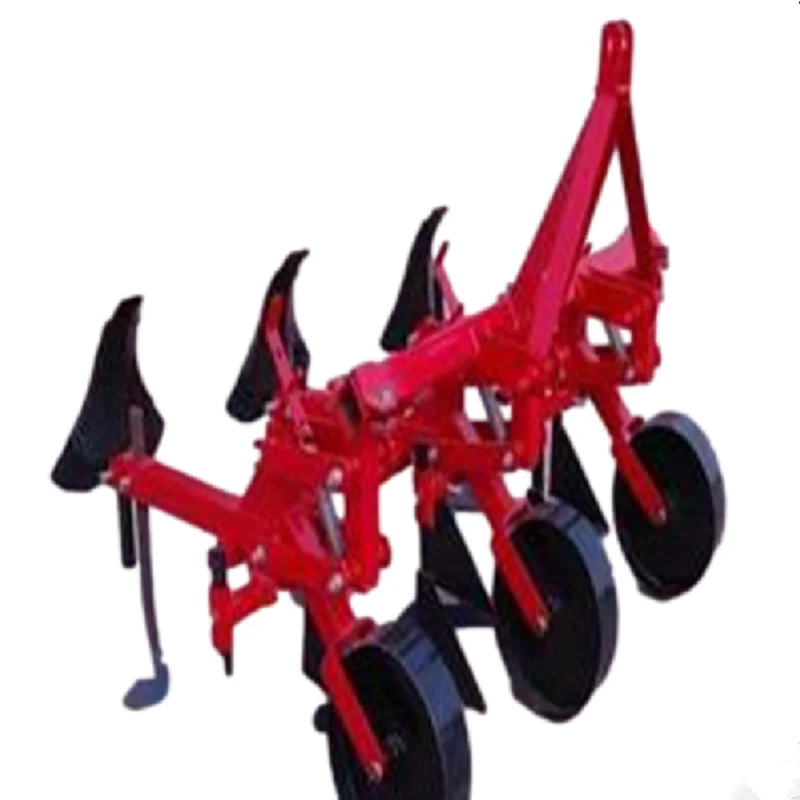
A cultivator is a powered garden tool designed primarily to stir and pulverize soil, either before planting to aerate the soil and mix in soil amendments, or after crops have begun to grow to kill weeds. Unlike a tiller, which is built for breaking new ground, a cultivator works the top layer of soil. The best cultivators on the market, such as those engineered by Raydafon Group, combine robust power with precise control to handle a variety of tasks, from preparing seedbeds to weeding between rows, making them indispensable for efficient land management.
Key Features & Technical Specifications of Raydafon Group Cultivators
Raydafon Group cultivators are built to professional standards, incorporating advanced technology and rugged components. Below is a detailed breakdown of their core features and specifications across different models.
Engine and Power System
- Engine Type: Overhead valve (OHV) 4-stroke gasoline engines, known for superior fuel efficiency, cooler operation, and longer life compared to standard side-valve engines.
- Displacement: Ranging from 125cc for compact models to 212cc for heavy-duty professional models.
- Power Output: Delivering between 4.5 HP to 7.0 HP, providing ample torque for tough soil conditions.
- Fuel Tank Capacity: Large-capacity tanks (1.2 to 1.8 liters) allow for extended operation without frequent refueling.
- Starting System: Recoil start with advanced decompression technology for easier pulls, with optional electric start available on premium models.
Tilling Assembly and Performance
- Tine Configuration: Forged steel, self-sharpening tines arranged in a counter-rotating pattern. Standard models feature 4 tines, while wide-body models utilize 6 tines.
- Tilling Width: Adjustable from a narrow 10 inches (25 cm) for tight rows to a broad 24 inches (61 cm) for fast bed preparation.
- Tilling Depth: Adjustable depth bar allows for precision work from 2 inches (5 cm) for shallow weeding to 8 inches (20 cm) for deep soil aeration.
- Rotation Speed: Dual-speed gearbox (e.g., 200 RPM for tough soil, 140 RPM for standard cultivation) provides optimal performance for varying conditions.
Chassis, Controls, and Ergonomics
- Frame: Heavy-duty steel tube construction with a protective shield to prevent debris from contacting the operator.
- Wheels: Large, pneumatic wheels with aggressive treads for excellent traction and easy transport.
- Handlebar: Pivoting adjustable handlebar with vibration-dampening grips, customizable to operator height for reduced fatigue.
- Weight: Models range from 55 lbs (25 kg) for maneuverability to 95 lbs (43 kg) for maximum stability and power.
- Safety Features: Instant-stop tine control, safety throttle lever, and a certified spark arrestor muffler.
Raydafon Group Cultivator Model Comparison Table
| Model Series | RC-150 | RC-180 Pro | RC-212 Max |
|---|---|---|---|
| Best For | Home Gardens, Allotments | Market Gardens, Small Farms | Commercial Landscaping, Large Plots |
| Engine (CC/HP) | 125cc / 4.5 HP | 163cc / 5.5 HP | 212cc / 7.0 HP |
| Tine Width (Adjustable) | 10" - 16" | 14" - 20" | 18" - 24" |
| Max Tilling Depth | 6 inches | 7 inches | 8 inches |
| Gearbox | Single Speed | 2-Speed | 2-Speed + Reverse |
| Key Feature | Compact & Lightweight | Balanced Power & Control | Commercial Duty Construction |
Cultivators FAQ: Your Questions Answered by Raydafon Group Experts
Q: What is the main difference between a cultivator and a rototiller?
A: While the terms are sometimes used interchangeably, there is a key functional difference. A rototiller (or simply "tiller") is designed for primary tillage—breaking hard, compacted ground for the first time. It is heavier and more powerful. A cultivator is designed for secondary tillage. It works the top layer of already broken soil for tasks like weed control, mixing in compost or fertilizer, and preparing a fine seedbed. Raydafon Group cultivators are robust enough to handle light primary tilling in softer soils but excel at secondary cultivation.
Q: How often should I perform maintenance on my cultivator?
A: Regular maintenance is key to longevity. After each use, clean dirt and debris from the tines and chassis. Check the engine oil level before every start. For the Raydafon Group engine, the first oil change should occur after the first 5 hours of operation, and then every 25-50 hours thereafter, depending on use. Air filters should be cleaned every 10 hours and replaced annually. Always refer to the specific owner's manual for your model's maintenance schedule.
Q: Can I use a cultivator to remove weeds effectively?
A: Absolutely. This is one of a cultivator's primary functions. By adjusting the depth to a shallow setting (2-3 inches), you can slice through the soil, severing weed roots from their stems. The tines then bring the uprooted weeds to the surface to dry out and die. For best results, cultivate on a dry, sunny day. Raydafon Group cultivators with their adjustable width allow you to navigate precisely between crop rows without damaging plants.
Q: What type of fuel and oil should I use in my Raydafon Group cultivator?
A: Always use fresh, unleaded gasoline with a minimum octane rating of 87. It is highly recommended to use ethanol-free fuel or to add a fuel stabilizer if the equipment will be stored for more than 30 days, as ethanol can damage engine components over time. For engine oil, use a high-quality SAE 10W-30 detergent oil certified for service classification SJ or later. Never use alternative fuels or mixed gasoline (2-stroke fuel) in your 4-stroke engine.
Q: Is it difficult to assemble and operate a new cultivator?
A: Raydafon Group cultivators are shipped 95% assembled. Typically, you only need to attach the handlebar and wheels, which is a straightforward process with common tools and clear instructions provided. Operation is intuitive: prime the engine, set the choke, engage the safety controls, and pull the starter cord. The adjustable handlebar and depth bar make it easy to customize the machine for your comfort and the task at hand. Starting with a small test area is always advised for new operators.
Q: How do I choose the right size cultivator for my property?
A: Consider your soil type and plot size. For small, established gardens (under 1,000 sq ft) with soft soil, a compact model like the Raydafon RC-150 is ideal. For larger vegetable plots (1,000-5,000 sq ft) or tougher clay-based soils, a mid-range model like the RC-180 Pro provides the necessary power and width. For commercial use, large-scale landscaping, or very hard, compacted soil, the heavy-duty RC-212 Max is the recommended choice for its power, durability, and wider tilling path.
Q: Can attachments be added to a cultivator?
A: Yes, many cultivators have attachment capabilities to increase versatility. Common attachments include furrowers for creating planting rows, hillers for building soil mounds around plants, and dethatcher blades for lawn care. It is essential to verify compatibility with your specific Raydafon Group model. Using manufacturer-approved attachments ensures safe operation and prevents damage to the machine's drive system.
Optimizing Your Cultivation Practice
Owning a professional-grade tool like a Raydafon Group cultivator is the first step. Using it correctly maximizes results and machine life. Always walk at a steady, comfortable pace, allowing the tines to do the work—do not push or force the machine. For breaking new ground, make several shallow passes, gradually increasing the depth with each pass. Cross-cultivating (working the soil in two different directions) can help create an exceptionally fine, level seedbed. Remember, the goal of cultivation is to create optimal soil structure—well-aerated, crumbly, and weed-free—to promote strong plant root development and health.
 Raydafon