
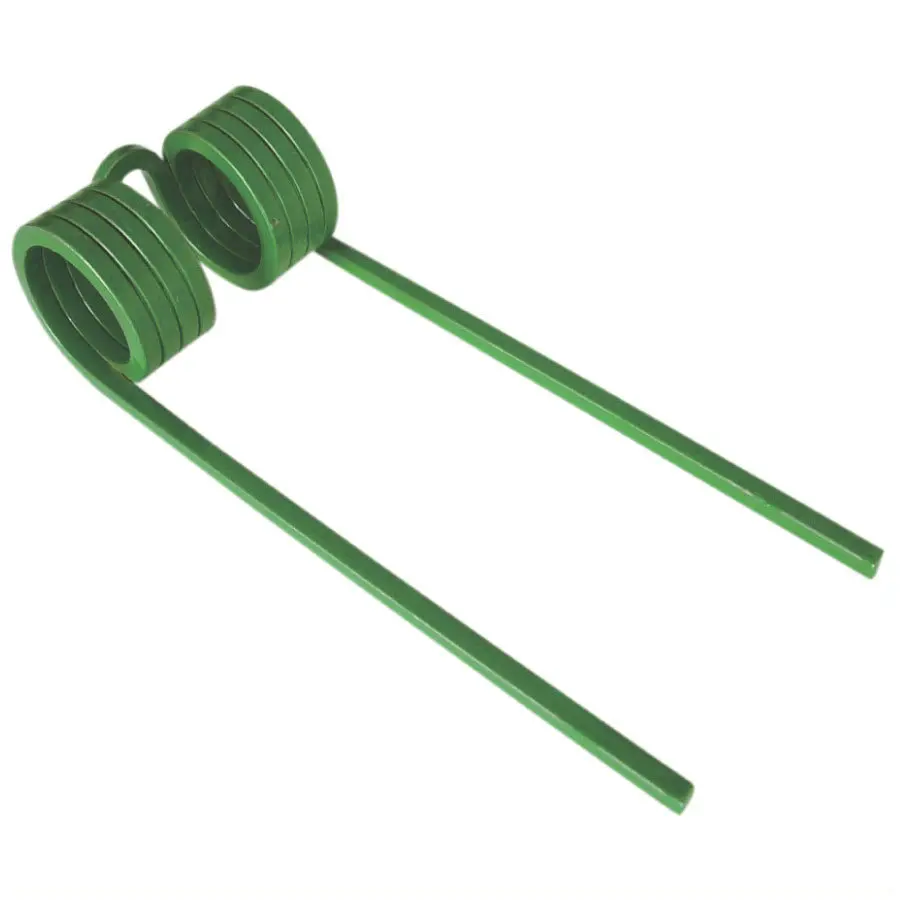
A spring tine is a flexible metal rod-shaped attachment used in agricultural machinery for various purposes. It is commonly used as a tillage component in light-duty machines like garden plows, seedbed cultivators, and shallow tillers. With its up-and-down vibration, it effectively loosens the soil without damaging its structure and can cut off weed roots.
Here is a table showing the applications of spring tines in different agricultural machinery:
[ninja_tables id="412473"]Spring tines are used as tillage components in light-duty machines such as garden plows, seedbed cultivators, and shallow tillers.
Spring tines are installed as key components in machines like lawn mowers, rotary rakes, and multifunctional lawn maintenance machines to comb the lawn, remove dead grass, enhance ventilation and drainage of the turf, and throw out stones and debris in the grass.
Some agricultural machinery uses spring tine structures to break down crop residue on the surface of the soil before planting to ensure smooth seed penetration and germination.
Spring tines are commonly used in small and flexible orchard rotary tillers or specialized orchard sweepers to protect the trunk from damage and remove weeds and fallen leaves.
Some equipment uses designs with spring tines to scrape and collect agricultural mulch on the ground during recycling.
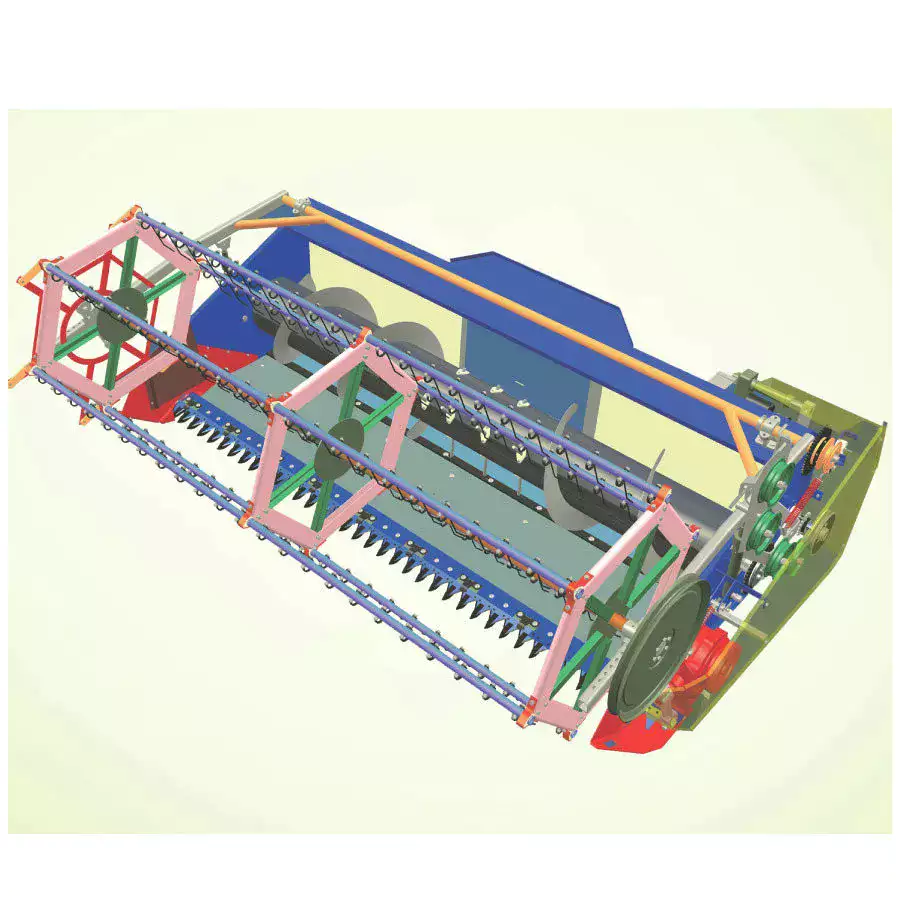
The cultivator steel harrow spring tine is a commonly used component in agricultural machinery. It is usually installed on harrows and cultivators for soil preparation and weed control. Here is a table showing the agricultural machinery brands and models that the cultivator steel harrow spring tine can fit:
| Brand | Model |
|---|---|
| John Deere | 2210, 2310, 2410, 2510 |
| Kinze | 3000, 3100, 3200, 3300, 3400 |
| Case IH | Tiger-Mate, True-Tandem, Soil Management System, Vibra-Tine |
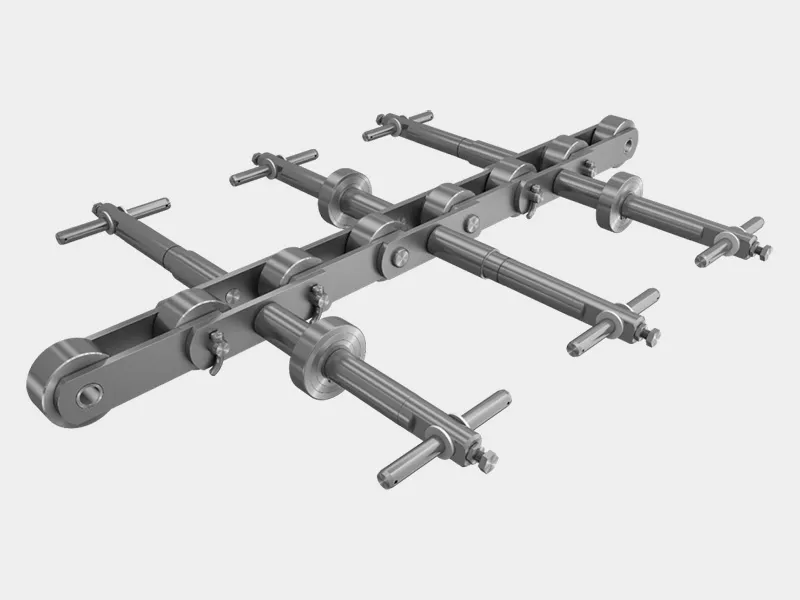
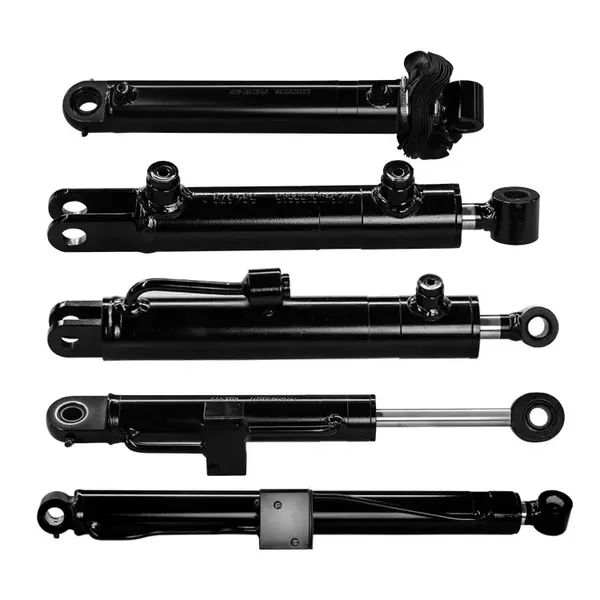
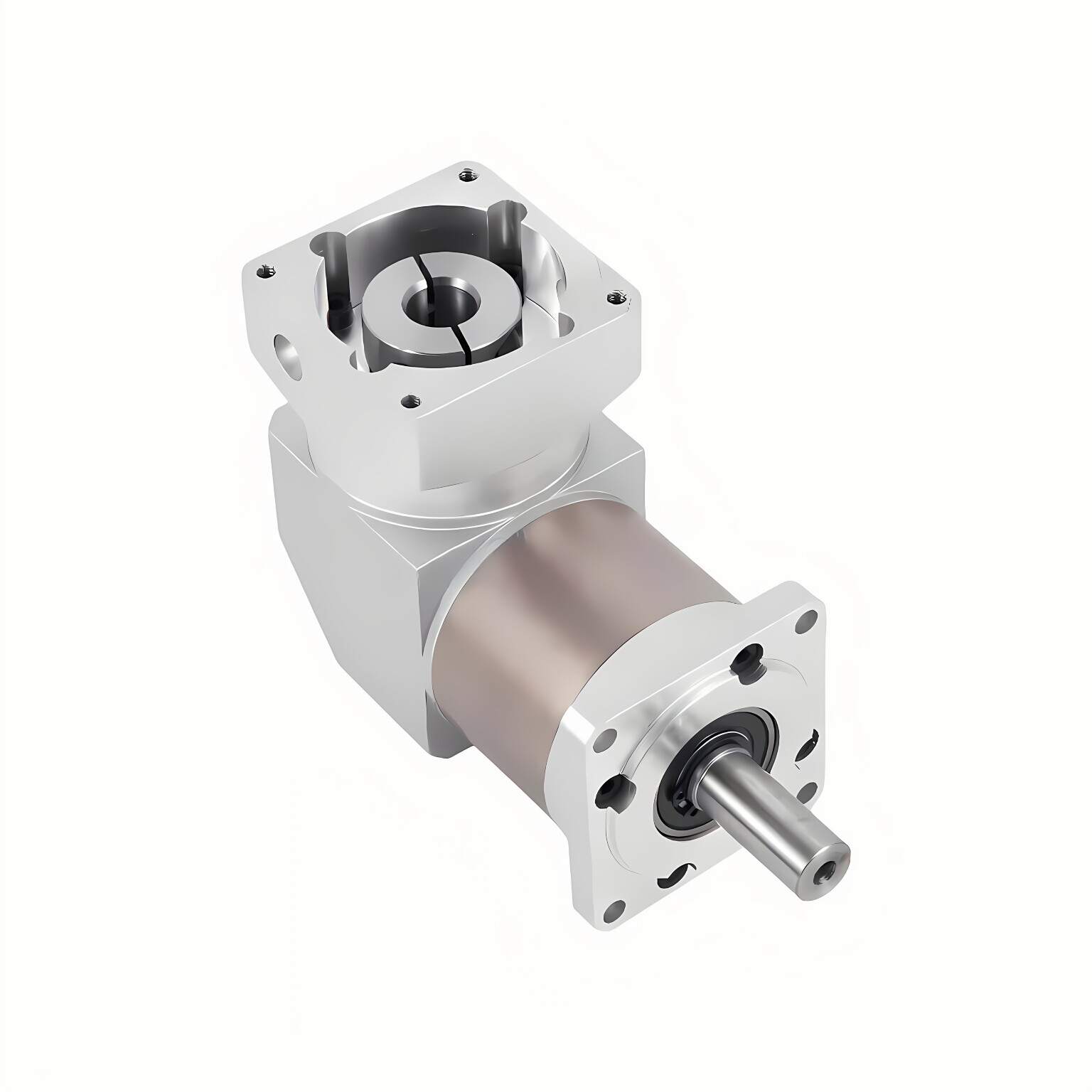
In addition to the cultivator steel harrow spring tine, we offer various agricultural machinery parts, including agricultural chains, agricultural gearbox, pulley, sprocket, coupling, pto shaft, concave, and others. You can find all the agricultural machinery parts you need here.
There are several signs that indicate when it is time to replace spring tines:
If the metal blades of the spring tine are significantly worn, deformed, broken, or heavily rusted, preventing it from inserting into the soil and performing effectively, it needs to be replaced.
If the spring tine's elasticity weakens and is unable to vibrate up and down to adapt to ground undulation and cut weeds like new ones, the spring may be fatigued and in need of replacement.
If any part of the spring is twisted, broken, or permanently deformed, it may need to be replaced.
If the tillage depth is not sufficient, residue removal is incomplete, or the tillage effect is not as good as before, it may be due to the decreased efficiency of the spring tine.
If the spring tine becomes abnormally sharp due to wear or deformation, it may cut the roots or plants of the crop, causing damage.
When selecting a spring tine, consider the following factors:
Determine the type of spring tine needed for the specific agricultural machinery's purpose, such as tillage, weeding, or residue removal. Different types of operations require spring tines with different shapes and hardnesses, such as soil tilling, which may require wider and more elastic spring tines, while weeding may require sharp and relatively hard spring tines.
The material of the spring tine has a significant impact on its durability and work efficiency. High-quality spring tines are usually made of wear-resistant and corrosion-resistant metal materials like carbon steel, alloy steel, or stainless steel, and surface-treated with techniques like heat treatment or electroplating to increase wear resistance and corrosion resistance.
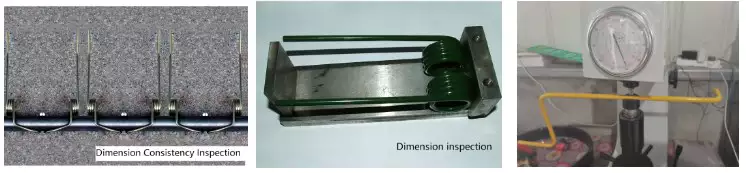
Determine the required spring tine length, width, and thickness. These parameters should match the agricultural machinery's design to ensure correct installation and effective operation.
The spring's elasticity and resilience directly affect the spring tine's working effect. While ensuring effective cutting and tilling, it is necessary to prevent damage to the soil structure or mechanical system caused by excessive spring force.
Author: Miya
Address
Luotuo Industrial Area, Zhenhai District, Ningbo City, China
Tel

 Raydafon