
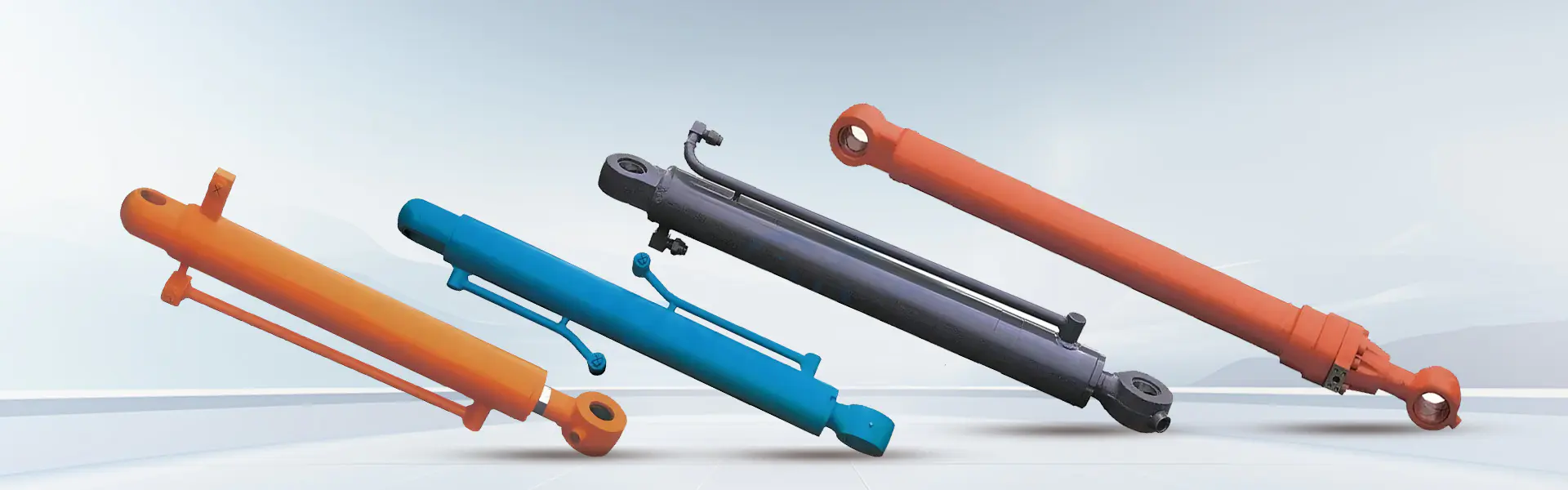
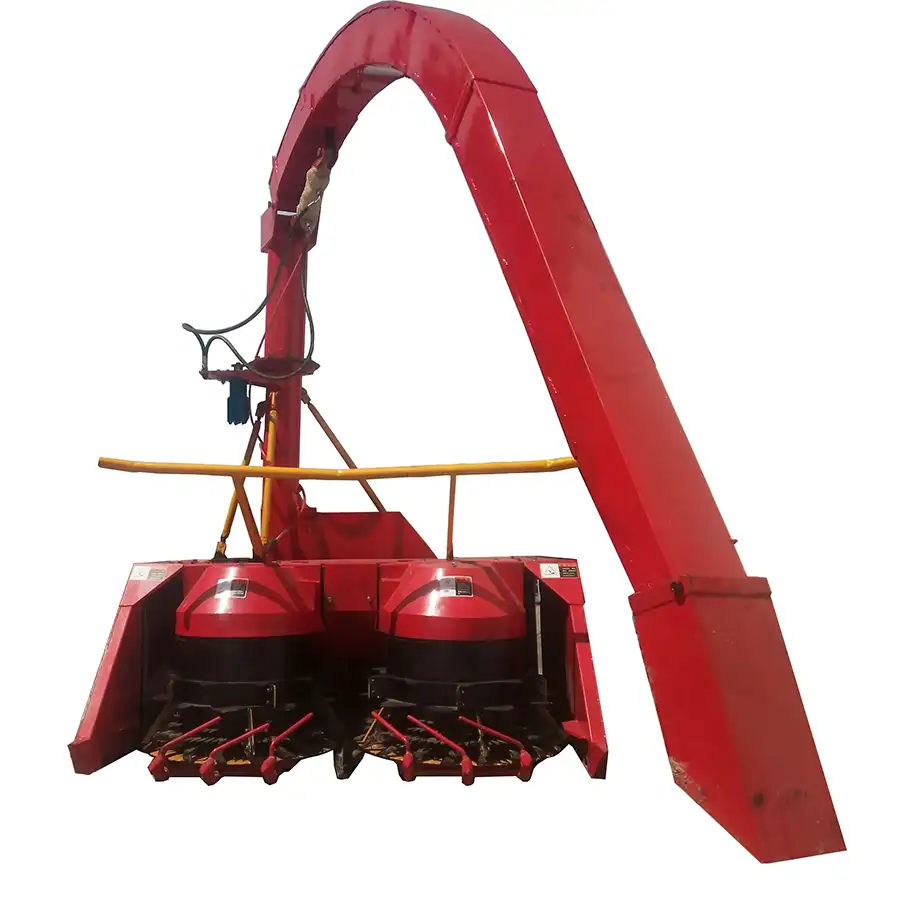
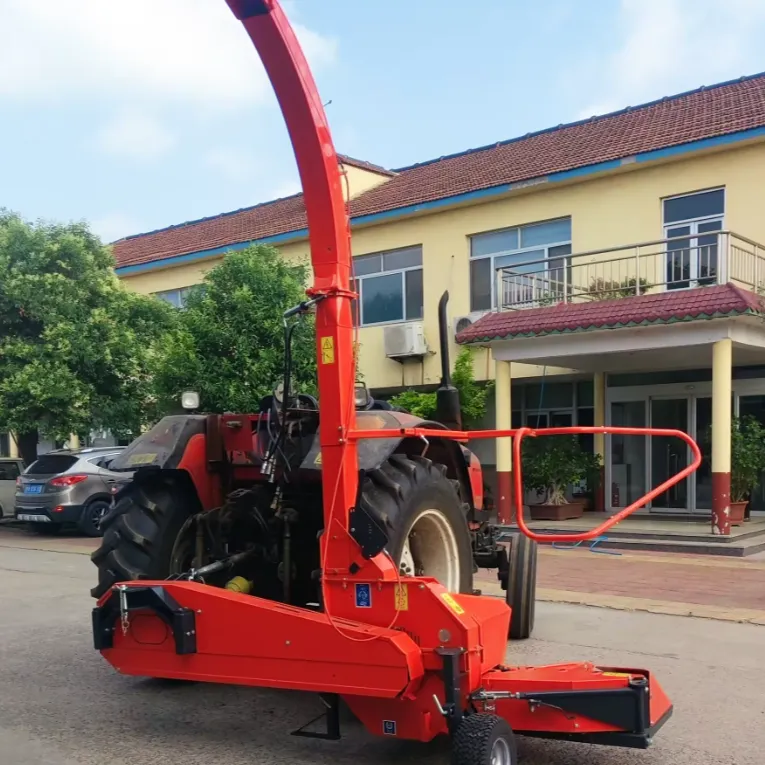
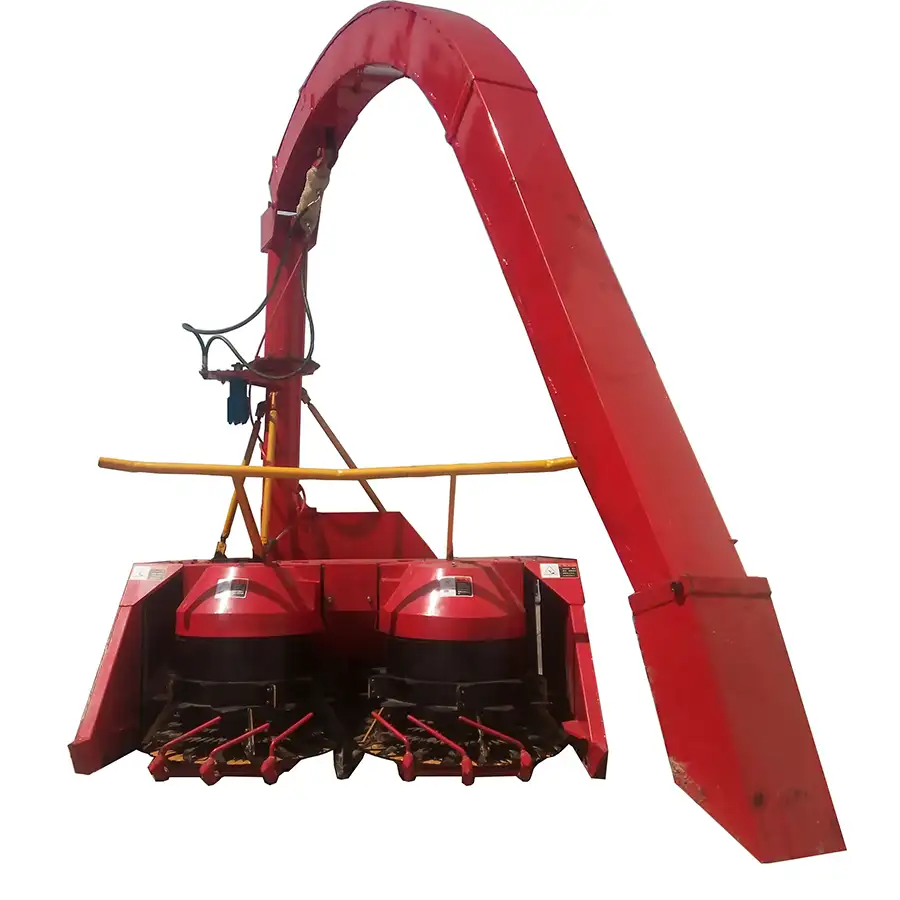
For over four decades, Raydon Group has been at the vanguard of agricultural machinery engineering, developing robust, innovative solutions that empower farmers worldwide. Our commitment to durability, efficiency, and cutting-edge technology culminates in our flagship forage harvesting line. The modern Silage Harvester is no longer just a harvesting tool; it's the central nervous system of a high-output forage operation, dictating feed quality, operational speed, and ultimately, livestock performance and farm profitability. A Raydafon silage harvester is engineered to deliver unparalleled consistency in chop length and kernel processing, ensuring optimal fermentation in the bunker and maximum nutritional value at the feedout.
The core of our philosophy is sustainable productivity. We design our harvesters to maximize yield per hectare and per gallon of fuel, reducing the environmental footprint of your operation while boosting your bottom line. Every component, from the heavy-duty cutterhead to the intelligent control system, is built and tested to perform season after season under the most demanding conditions.
The performance of a silage harvester is defined by its key mechanical and operational parameters. Below are the detailed specifications for our premium model, the Raydafon Ares 9000 Series.
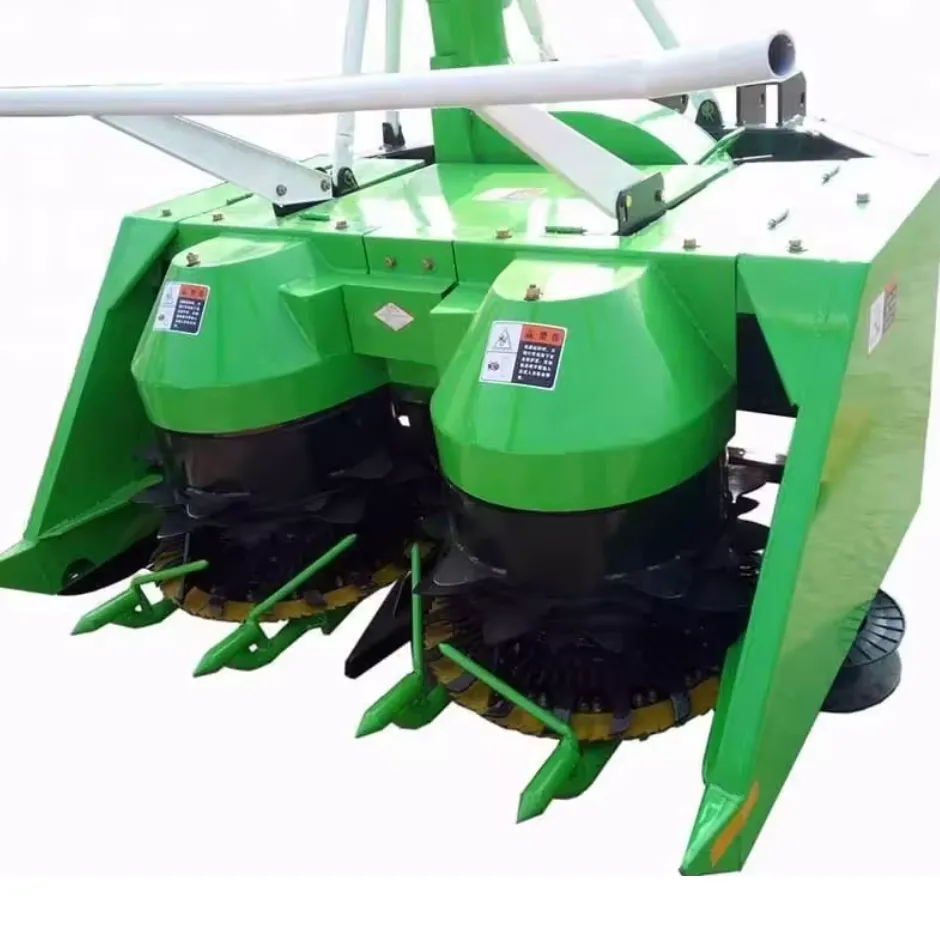
| Head Model | Type | Working Width | Max Throughput (tons/hour) | Primary Crop Suitability |
|---|---|---|---|---|
| RF-4500 | Row-Crop (8-row) | 4.5 m | Up to 350 | Corn, Maize |
| RF-3000DX | Direct Disc Header | 3.0 m | Up to 280 | Grasses, Alfalfa, Cereals |
| RF-5000Q | QuadraCut Pickup | 5.0 m | Up to 400 | Windrowed Grasses, Legumes |
Every Raydafon Ares 9000 is equipped with our proprietary RHYTHM (Real-time Yield & Harvesting Telemetry Management) system. This integrated platform includes:
Q: What is the single most important setting to check for optimal silage quality?
A: The kernel processor roller gap is critical. For corn silage, a gap setting of 1.5-2.5 mm is typically recommended to ensure over 95% of kernels are adequately processed. Unprocessed kernels pass through livestock undigested, wasting valuable starch energy. Always refer to your Raydafon operator's manual and adjust based on crop maturity and moisture.
Q: How often should the cutter knives be sharpened or replaced?
A: Knife sharpness directly impacts fuel efficiency and chop quality. We recommend checking edges after every 50-70 operating hours. Reversible knives can be flipped once, and a full set should be replaced after 200-300 hours, depending on crop conditions (e.g., sandy soil accelerates wear). Dull knives tear plant material instead of cutting it, harming fermentation.
Q: Can I use one silage harvester for both corn and grass?
A: Absolutely. The versatility of a Raydafon harvester lies in its quick-attach header system and adjustable processing units. You would switch from a corn row-crop head (like the RF-4500) to a disc header or pickup head for grass. The RHYTHM system allows you to save specific setting profiles (theoretical length, processor gap) for each crop type, enabling a switchover in minutes.
Q: What is the recommended daily and seasonal maintenance routine?
A: Daily: Clean the radiator and cooler banks, check engine oil and coolant levels, inspect the shear bolt protection on the feed rollers, and visually check for worn knives or damaged gathering chains. Seasonal (Post-Harvest): Thoroughly clean the entire machine, especially the cutterhead and all ducts. Grease all lubrication points per the manual. Check gearbox oil levels. Run the engine to operating temperature and change all filters (fuel, oil, air). Store in a dry, covered area.
Q: How durable are the components in abrasive conditions?
A: Raydafon Group machines are built for endurance. Critical wear parts like cutterhead knives, shear bars, and roller processor stars are made from proprietary hardened alloys. Components exposed to soil abrasion, such as gathering chain slats and head skid plates, feature tungsten carbide overlays. Our modular design also allows for easy replacement of wear sections without dismantling major assemblies.
Q: How does the yield mapping function work, and what are its benefits?
A: The yield mapping function uses the machine's mass-flow sensor (measuring throughput) combined with integrated GPS data. It creates a visual map of your field showing tonnage per acre variations. Benefits are immense: identify high and low-yielding zones for targeted soil sampling and fertilization, calculate precise true harvest costs per field, and accurately plan feed inventory for the season.
Q: What kind of training and support does Raydafon Group provide?
A: Our partnership begins with training. We offer comprehensive operator and service technician training programs at our facilities or on your farm. Each machine comes with a detailed digital manual and access to our RAY-PORTAL online platform for parts ordering, service bulletins, and video tutorials. Our global dealer network is backed by a 24/7 parts and technical support hotline, ensuring you have the resources to maximize uptime.
Investing in a silage harvester is a major decision that impacts your operation for a decade or more. With a Raydafon Group machine, you are not just purchasing iron and electronics; you are gaining a productivity partner engineered with foresight. From the unparalleled material flow through the wide feed channel to the actionable data provided by the RHYTHM system, every aspect is designed to reduce bottlenecks, enhance feed quality, and provide a return on investment through superior performance and reliability. We invite you to contact your local Raydafon Group dealer to schedule a demonstration and experience the difference precision engineering makes in your harvest.

 Raydafon