Raydafon Technology Group Co.,Limited
Products
Products
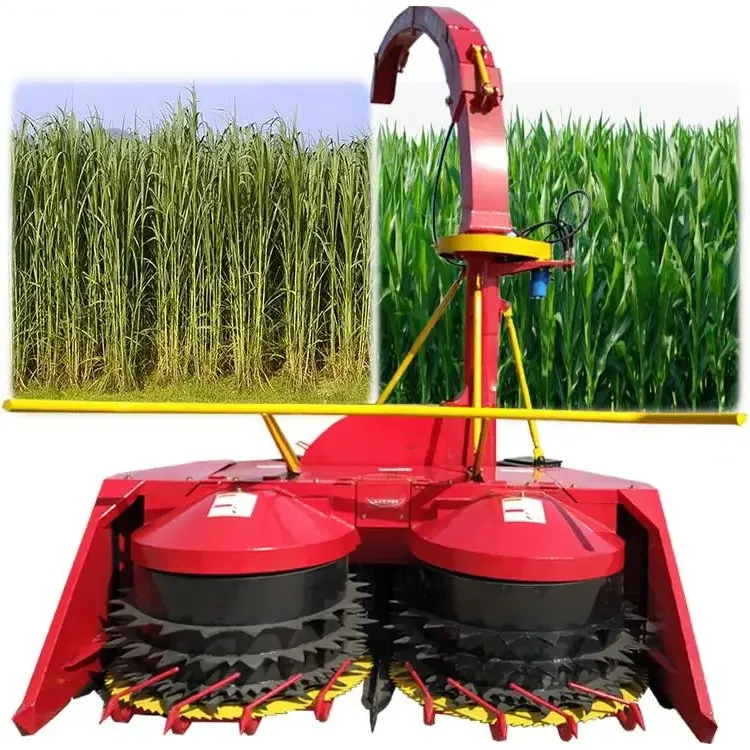
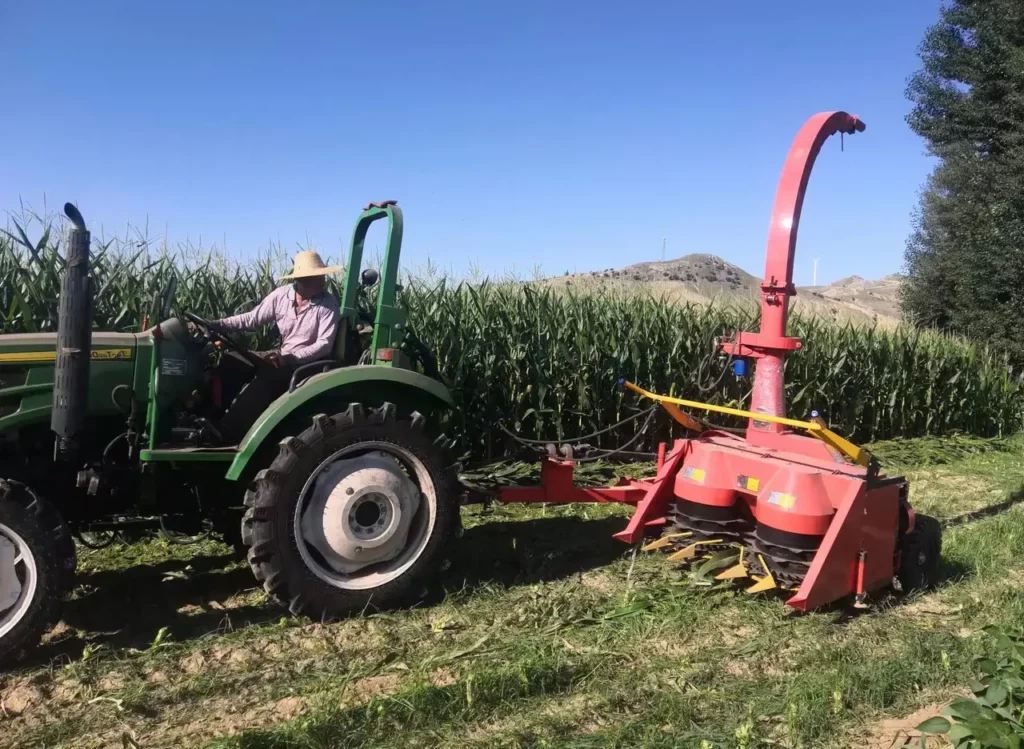
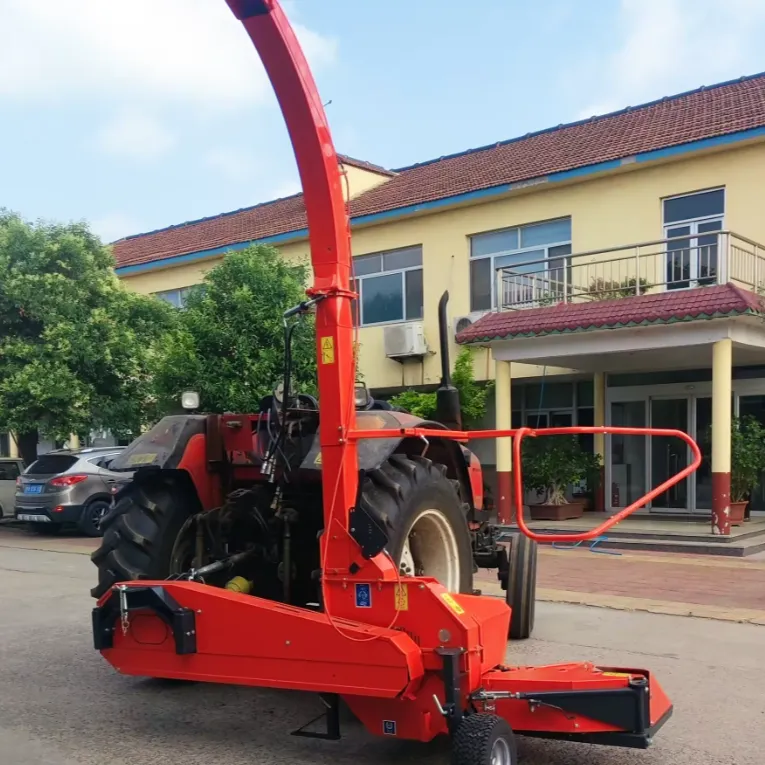
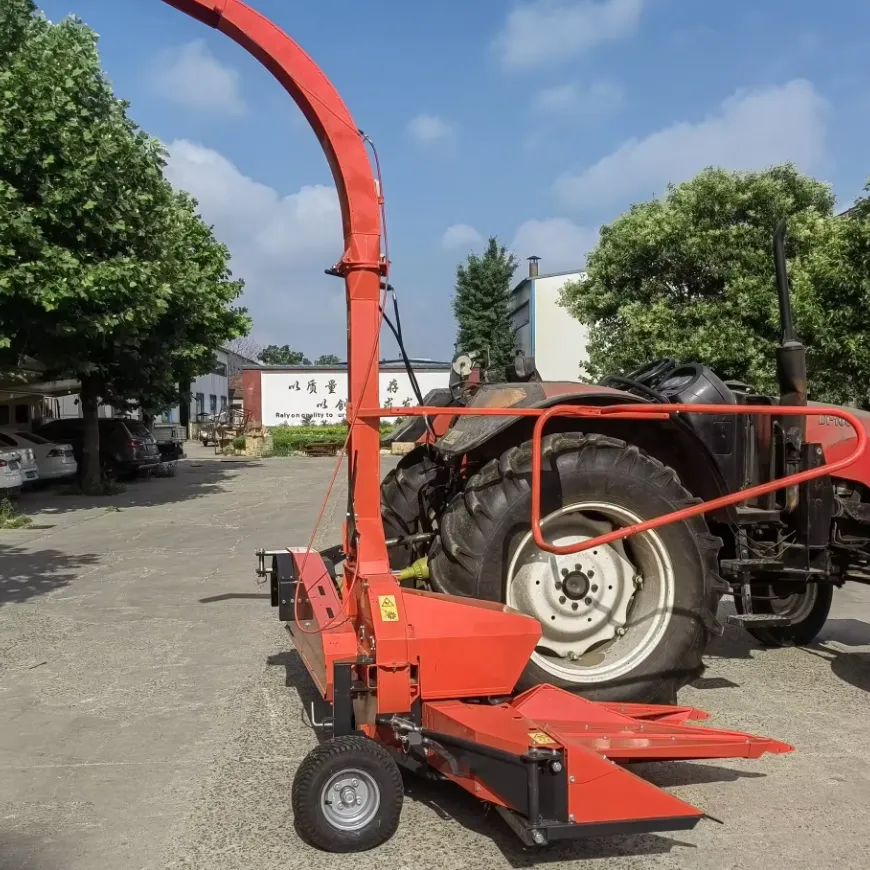
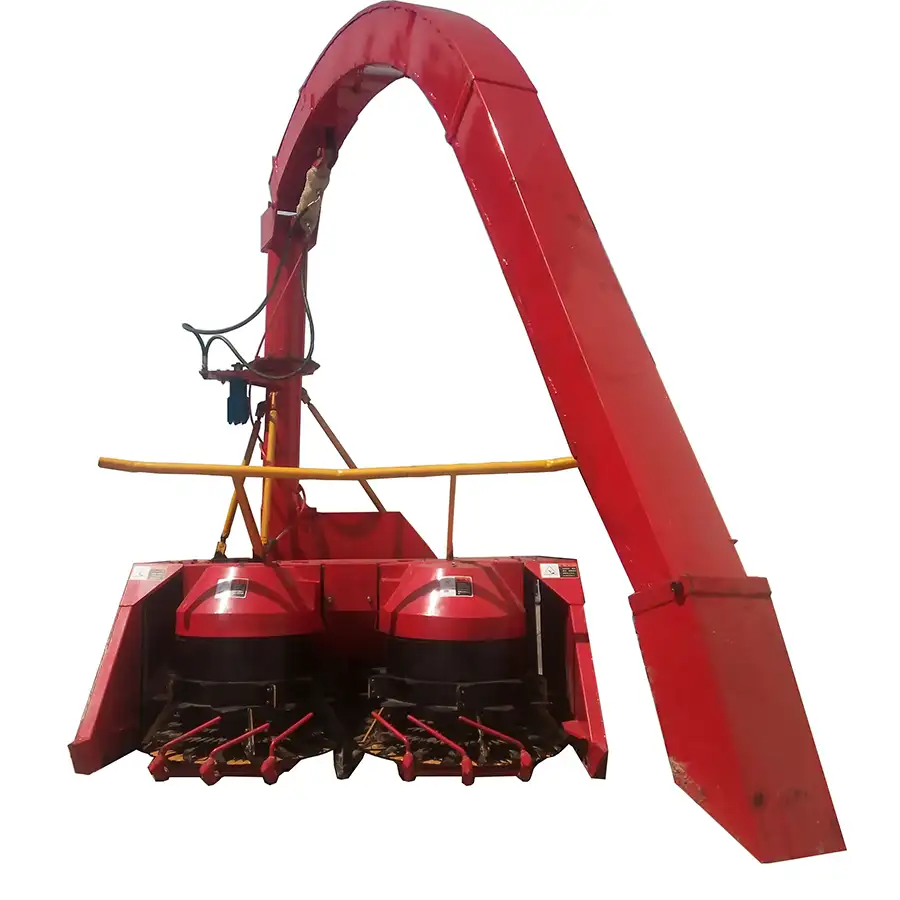
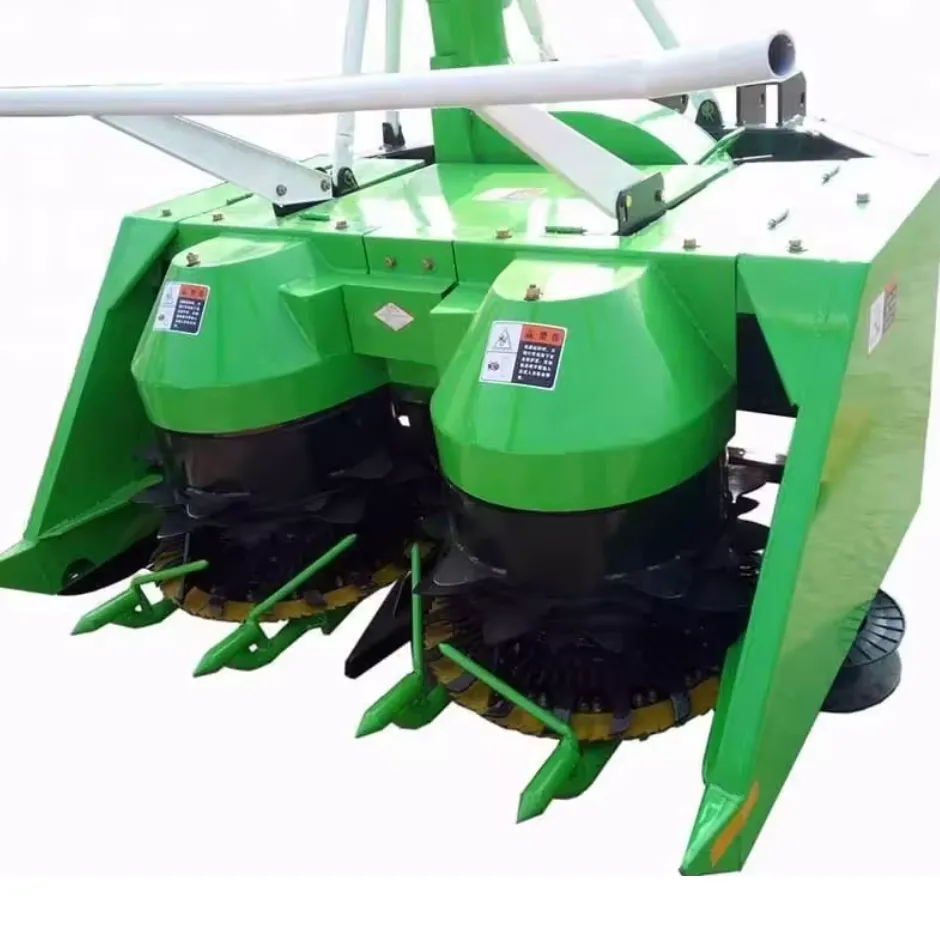
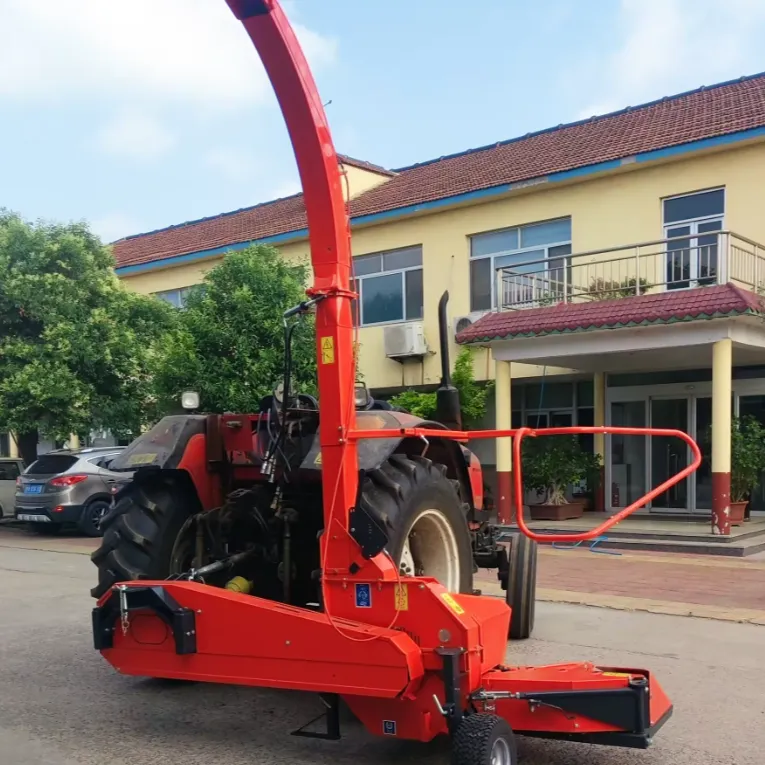
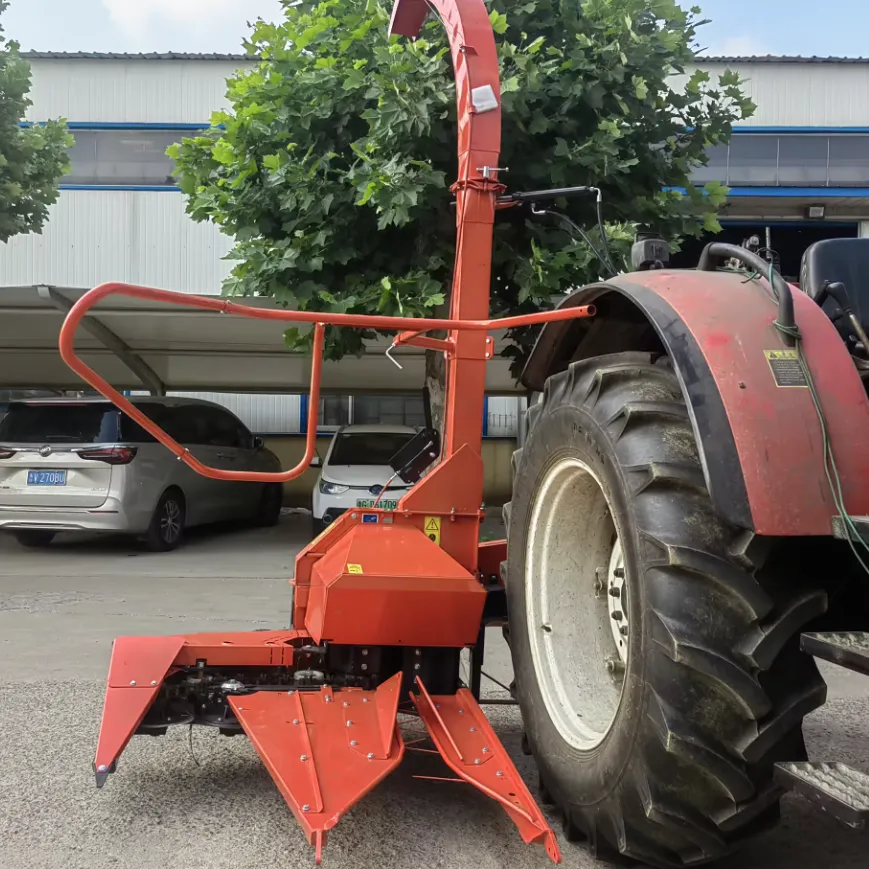
Silage Harvester/Forage Harvester for Corn Harvesting RXMC-80S RXMC 90 Twin
  • Silage Harvester/Forage Harvester for Corn Harvesting RXMC-80S RXMC 90 TwinSilage Harvester/Forage Harvester for Corn Harvesting RXMC-80S RXMC 90 Twin

Silage Harvester/Forage Harvester for Corn Harvesting RXMC-80S RXMC 90 Twin

Raydafon Group presents the RXMC-80S and RXMC 90 Twin Silage Harvesters, designed for efficient corn harvesting with advanced technology. These forage harvesters feature durable materials and innovative twin-engine design, ensuring powerful performance and reliability. Ideal for modern farmers seeking high-yield, time-saving solutions, they simplify harvesting tasks and enhance productivity. Compared to others, Raydafon's models offer superior precision and ease of use, delivering a sense of confidence and efficiency. Elevate your farming experience with Raydafon Group's trusted quality.
[embed]https://youtu.be/J4ApaILpTrw[/embed]

Silage Harvester/Forage Harvester for Corn Harving RXMC-80S RXMC 90 Twin

A silage harvester, also known as a forage harvester or chopper, is a specialized agricultural machine used to harvest and process corn or other forage crops into silage. Silage is a type of fermented feed made from crops such as corn, grass, or legumes, which is commonly used as livestock feed during the winter or times of scarcity. The silage harvester plays a crucial role in efficiently harvesting and chopping the corn plants into small pieces, which are then compacted and stored in silos or pits for fermentation. Silage harvesters are designed to maximize efficiency and productivity during the corn harvesting process. They enable farmers to harvest large quantities of corn quickly, chop it into suitable lengths, and store it as high-quality silage for livestock feed. The use of silage harvesters has revolutionized the way farmers manage and preserve forage crops, ensuring a reliable source of nutrition for their animals throughout the year. Silage Harvester/Forage Harvester for Corn Harvesting RXMC-80S RXMC 90 Twin
Specifications of Silage Harvester/Forage Harvester

Model
RXMC-80S
RXMC 90 Twin
Dimensions mm
2090mm*2240mm*3250mm
2090mm*2950mm*3250mm
Matched power
30-120HP
50-120HP
Row distance
-
67/71/75cm
Cutting height
Less than 5mm
Less than 5mm
Number of knives
10
10
Throw distance
10m
10m
Throw height
5m
5m
PTO rpm
540
540
Row No
1 row
2rows
Working speed
0.7Ha/h
1ha/h
Chips length (min)
4mm
4mm
Chute adjustment
hydraulic
hydraulic
weight
480kgs
650kgs

Benefits of Using a Forage Harvester for Corn Harvesting

Using a forage harvester for corn harvesting offers numerous benefits that enhance both the efficiency of the farming process and the quality of the feed produced. Here are some key advantages:
  1. Efficiency and Speed: Forage harvesters are engineered to process large volumes of corn at impressive speeds. This high-capacity performance drastically reduces the time required for harvesting, enabling farmers to manage extensive fields more efficiently. The rapid operation is particularly crucial during peak harvest periods when timing can affect crop quality and yield. By maximizing productivity, forage harvesters help ensure that harvesting is completed within optimal time frames, minimizing potential losses.
  2. Uniform Chopping: One of the standout features of forage harvesters is their ability to chop corn into consistent, uniform pieces. This uniformity is vital for creating high-quality silage, as it promotes even fermentation. Properly chopped silage packs more tightly, reducing air pockets that can lead to spoilage. The result is a more stable and nutritious feed for livestock, which directly impacts their health and productivity.
  3. Versatility: Forage harvesters are not limited to corn; they can handle a variety of crops such as grass, alfalfa, and whole-plant silage. This versatility is achieved through interchangeable headers and adjustable settings, allowing the same machine to be used for different harvesting needs throughout the year. This adaptability makes forage harvesters a cost-effective investment, maximizing their utility across multiple farming operations and seasons.
  4. Nutrient Preservation: By cutting and processing the entire corn plant, forage harvesters help preserve the crop's nutritional content. The fine chopping ensures that more of the plant’s nutrients are retained during fermentation, resulting in high-quality silage. This preserved feed is rich in essential nutrients, providing a reliable food source for livestock, which is particularly beneficial during times when fresh forage is unavailable.
  5. Labor Savings: The automation provided by forage harvesters significantly reduces the need for manual labor in the harvesting process. This mechanization not only cuts labor costs but also decreases the physical strain on farm workers. The reduced reliance on manual labor allows farms to operate more efficiently and focus on other critical tasks, enhancing overall farm productivity and sustainability.
  6. Reduced Losses: Forage harvesters minimize crop losses by efficiently cutting and processing corn into silage, protecting it from over-ripening or adverse weather conditions. This immediate conversion into silage ensures that a higher percentage of the crop is preserved and utilized, reducing waste. By safeguarding the harvest, forage harvesters help maintain a stable feed supply, crucial for livestock management.
  7. Economic Benefits: The use of forage harvesters leads to improved feed quality and subsequent increases in livestock productivity, whether in milk or meat production. This translates to higher profitability for farmers. Additionally, the efficiency and labor savings offered by these machines lower operational costs. The combination of higher output and reduced expenses makes forage harvesters a valuable economic asset in agricultural operations.
Silage Harvester/Forage Harvester for Corn Harvesting RXMC-80S RXMC 90 Twin

Typical Applications:

Silage harvesters, also known as forage harvesters, find applications in various scenarios related to forage crop harvesting and silage production. Here are some common scenarios where silage harvesters are used:
  • Livestock Feed Production: Corn silage is a primary source of feed for dairy and beef cattle because it is rich in energy and nutrients. Forage harvesters are used to efficiently cut and chop the entire corn plant, making it easy to store and preserve as silage. This high-quality feed helps maintain the health and productivity of livestock throughout the year, especially during periods when fresh forage is not available.
  • Silage for Dairy Farming: In dairy farming, consistent and high-quality feed is essential for maintaining milk production levels. Forage harvesters ensure that corn silage is finely chopped and properly fermented, providing a stable and nutritious diet for dairy cows. This leads to improved milk yield and quality, which is crucial for the profitability of dairy operations.
  • Beef Cattle Feeding: Beef cattle also benefit from the nutrient-rich feed that corn silage provides. Forage harvesters allow farmers to produce large quantities of silage, ensuring a steady supply of high-energy feed. This supports growth and weight gain in beef cattle, leading to better meat production and overall herd health.
  • Biogas Production: Corn silage is also used in the production of biogas, a renewable energy source. The chopped and fermented plant material is an excellent feedstock for anaerobic digesters, which convert organic matter into biogas through microbial activity. Forage harvesters facilitate the preparation of corn silage for this purpose, contributing to sustainable energy production on farms.
  • Soil Fertility Management: After harvesting the corn for silage, the remaining crop residues can be plowed back into the soil, enhancing soil fertility and structure. This practice, known as green manuring, helps maintain soil health by adding organic matter and nutrients, which is beneficial for subsequent crops. Forage harvesters play a key role in this process by efficiently handling the corn crop.
  • Cover Cropping: Corn silage production can be integrated into cover cropping systems, where the harvested area is quickly replanted with cover crops. These crops help protect the soil from erosion, suppress weeds, and improve soil health. The rapid and efficient harvesting provided by forage harvesters allows farmers to implement cover crops in a timely manner, maximizing the benefits of this practice.
Silage Harvester/Forage Harvester for Corn Harvesting RXMC-80S RXMC 90 Twin Silage Harvester/Forage Harvester for Corn Harvesting RXMC-80S RXMC 90 Twin

Working Principle of Tractor PTO Silage Harvester for Corn Harvesting

A tractor PTO silage harvester is a highly efficient piece of equipment used in corn harvesting. It utilizes the tractor's power to drive its mechanisms, making it a versatile and cost-effective solution for many farmers. Here is a detailed explanation of its working principle:
  1. Power Take-Off (PTO) Connection: The harvester is connected to the tractor via the PTO shaft. The PTO is a standardized method for transferring power from the tractor's engine to attached implements. When engaged, the PTO shaft spins, providing the necessary power to operate the harvester's components.
  2. Cutting Mechanism: The first stage in the harvesting process involves cutting the corn plants. The harvester is equipped with a cutting head, usually featuring rotating knives or discs. As the tractor moves forward, the cutting head is lowered to the appropriate height to cut the corn stalks near the ground. The sharp blades efficiently sever the stalks, initiating the harvesting process.
  3. Feeding System: Once the corn plants are cut, they are fed into the harvester’s intake. This is typically done using feed rollers or conveyors that guide the stalks into the machine. The feeding system ensures a continuous and steady flow of material into the harvester, maintaining operational efficiency and preventing blockages.
  4. Chopping Mechanism: Inside the harvester, the corn plants are processed by a chopping mechanism. This system usually consists of a rotating drum equipped with numerous sharp blades or hammers. As the corn plants pass through, they are chopped into small, uniform pieces. This fine chopping is crucial for creating high-quality silage, as it facilitates proper compaction and fermentation.
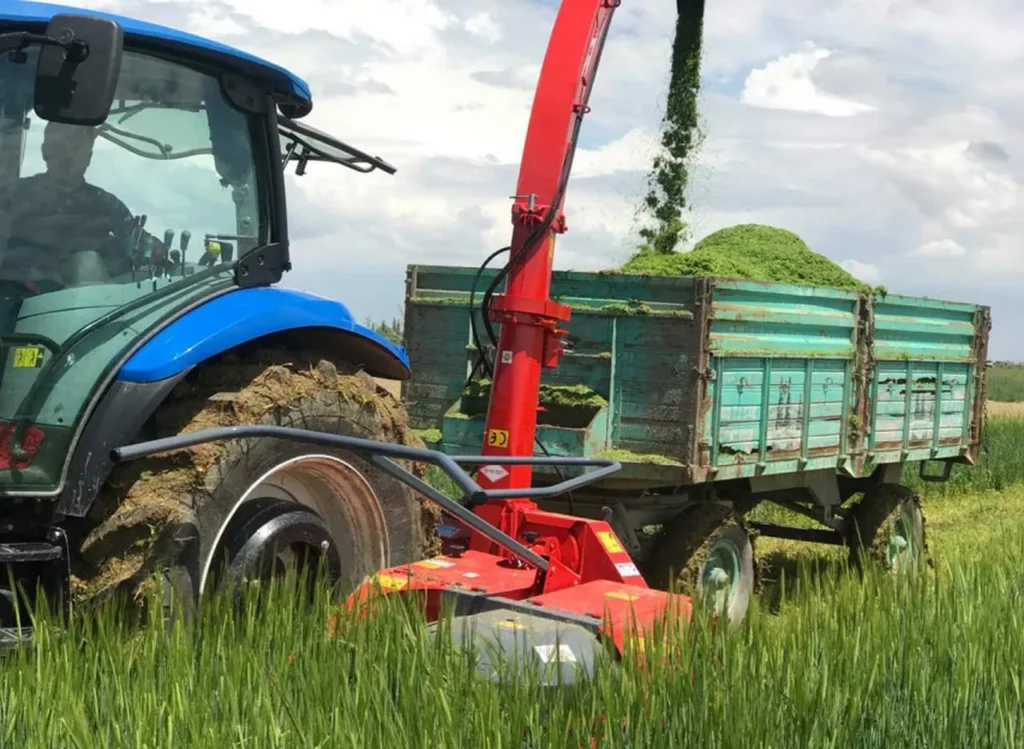
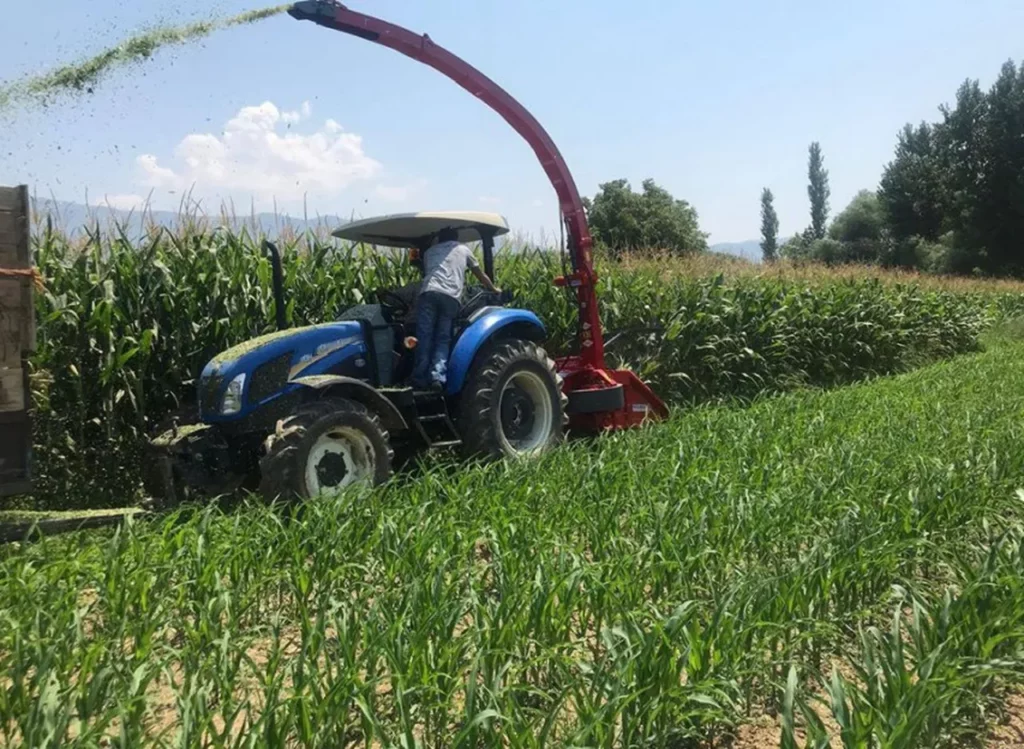
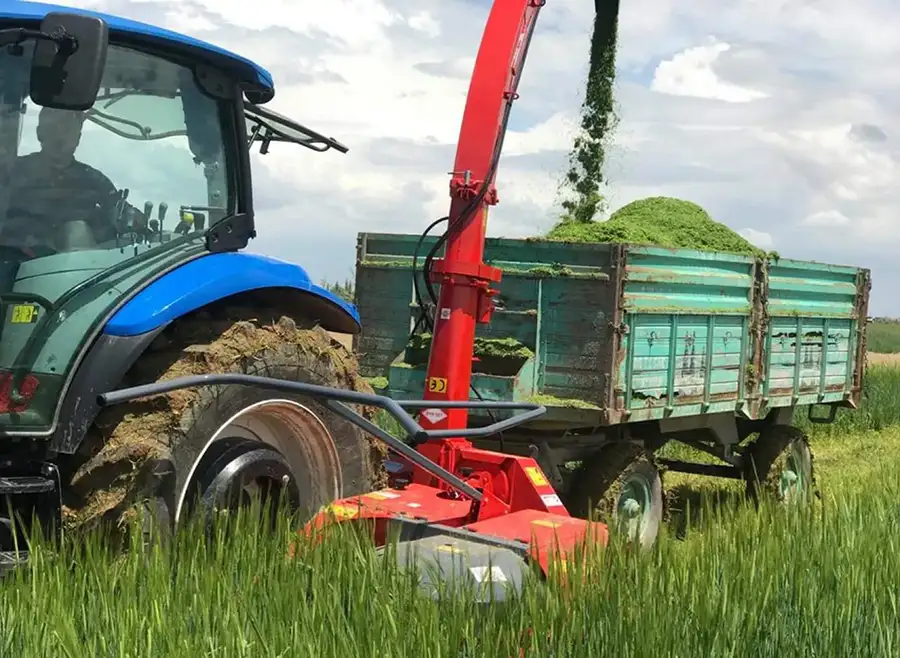
  5. Blowing and Collecting: After chopping, the finely cut silage is blown through a chute or conveyor system into a trailer or wagon attached to the tractor. The powerful blower ensures that the silage is evenly distributed and packed tightly in the collecting trailer, maximizing the efficiency of transport and storage.
  6. Adjustable Settings: Many PTO silage harvesters come with adjustable settings for cutting height, chopping length, and feed rate. These adjustments allow farmers to tailor the harvesting process to specific crop conditions and desired silage quality. This flexibility ensures optimal performance and maximizes the nutritional value of the harvested silage.
Silage Harvester/Forage Harvester for Corn Harvesting RXMC-80S RXMC 90 Twin

Installation Steps:

Installing a forage harvester onto a compact tractor involves several steps to ensure a secure and efficient connection. Here’s a detailed guide to help you through the process:
  • Preparing the Tractor: Before installing the forage harvester, ensure that the compact tractor is in good working condition. Check engine oil, hydraulic fluid levels, and tire pressure. Make sure the PTO (Power Take-Off) shaft is clean and free of debris. Position the tractor on a flat, stable surface and turn off the engine to ensure safety during the installation process.
  • Attaching the Three-Point Hitch: The forage harvester typically connects to the tractor via a three-point hitch system. First, align the lower hitch arms of the tractor with the mounting points on the harvester. Attach the lower arms using the appropriate pins and secure them with safety clips. Next, attach the top link of the tractor’s hitch to the top mounting point on the harvester, adjusting its length as necessary to ensure a secure fit.
  • Connecting the PTO Shaft: Connect the PTO shaft of the forage harvester to the tractor’s PTO output. Slide the yoke of the harvester’s PTO shaft onto the tractor’s PTO splines, ensuring it engages properly. Secure the connection with the locking mechanism, typically a spring-loaded pin or collar. Ensure the PTO shaft is at the correct length; if necessary, adjust or replace it to avoid binding or excessive length.
  • Hooking Up Hydraulic Lines: If the forage harvester requires hydraulic power, connect the hydraulic hoses from the harvester to the tractor’s hydraulic outlets. Ensure that the hoses are clean and free from damage. Attach the hoses to the corresponding outlets on the tractor, matching the color-coded or labeled connections. Secure the connections tightly to prevent leaks and ensure proper hydraulic function.
  • Adjusting the Harvester Settings: Once the harvester is securely attached to the tractor, adjust its settings according to the specific requirements of your crop and field conditions. This may include setting the cutting height, adjusting the feed rollers, and configuring the chopping mechanism. Refer to the harvester’s manual for detailed instructions on making these adjustments to ensure optimal performance.
  • Conducting a Safety Check: Before starting the tractor and operating the harvester, perform a thorough safety check. Ensure that all connections are secure and that there are no loose parts or tools left around the equipment. Check that the PTO shield is in place and that all guards and safety devices are properly installed. Verify that the area around the tractor and harvester is clear of people and obstacles.
  • Testing the Harvester: Start the tractor and gradually engage the PTO to power the forage harvester. Observe the harvester’s operation at a low speed to ensure everything is functioning correctly. Check for any unusual noises, vibrations, or leaks. Once you are confident that the harvester is operating smoothly, increase to the desired working speed and begin harvesting. Regularly monitor the equipment during use to ensure continued safe and efficient operation.
Silage Harvester/Forage Harvester for Corn Harvesting RXMC-80S RXMC 90 Twin

Common Troubleshooting of Corn Silage Harvester

Troubleshooting common issues with a corn silage harvester is crucial for maintaining its efficiency and ensuring uninterrupted operation during the harvesting season. Here’s a guide to identifying and addressing some of the frequent problems encountered with silage harvesters:

1. Harvester Not Picking Up Crop

  • Possible Causes: Worn or improperly adjusted pickup tines, blocked intake, or conveyor issues.
  • Solutions: Check and replace any worn tines. Adjust the pickup height and speed according to the crop conditions. Clear any blockages in the intake area and conveyor system.

2. Uneven Cut or Poor Chop Quality

  • Possible Causes: Dull or damaged cutting blades, incorrect cutterhead speed, or improper shear bar adjustment.
  • Solutions: Sharpen or replace the cutting blades to ensure a clean cut. Adjust the cutterhead speed and the shear bar spacing according to the manual's specifications for optimal chop length.

3. Excessive Vibration

  • Possible Causes: Imbalance in the cutterhead or blower, damaged bearings, loose components, or foreign objects lodged in the machine.
  • Solutions: Inspect the cutterhead and blower for balance and remove any foreign objects. Check and replace any damaged bearings. Tighten all loose components and fasteners.

4. Increased Fuel Consumption

  • Possible Causes: Engine strain due to overloading, improper engine settings, clogged air filters, or mechanical issues.
  • Solutions: Ensure the harvester is not overloaded and is operating within its capacity. Check and adjust engine settings. Replace clogged air filters and conduct a thorough mechanical check to identify any issues causing engine strain.

5. Clogging in the Feed Channel

  • Possible Causes: Overfeeding, wet or heavy crop conditions, or improper feed roll settings.
  • Solutions: Adjust the feeding rate to match crop conditions and avoid overfeeding. Check and adjust the feed roll settings for better material flow. In wet conditions, consider waiting for the crop to dry slightly before harvesting.

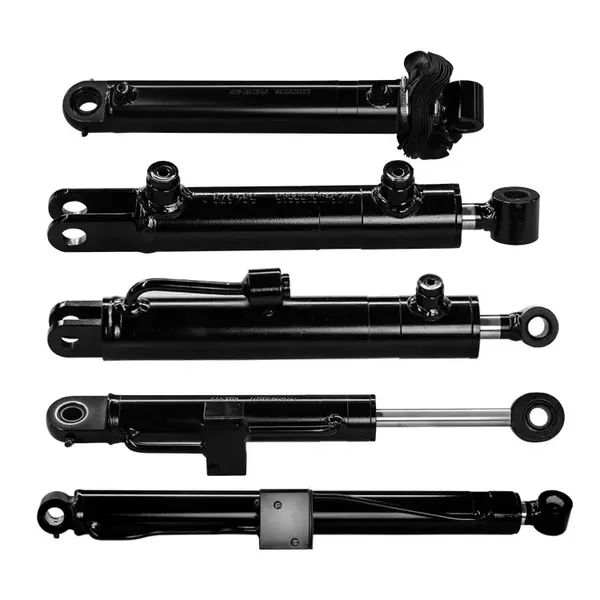
6. Hydraulic System Problems

  • Possible Causes: Leaks, low hydraulic fluid level, air in the system, or failing hydraulic components.
  • Solutions: Check for leaks and repair any found. Ensure the hydraulic fluid is at the correct level and bleed the system to remove air. Replace any failing hydraulic pumps, motors, or valves.
Silage Harvester/Forage Harvester for Corn Harvesting RXMC-80S RXMC 90 Twin

Choosing the Right Agricultural PTO Shaft for Silage Harvester

Choosing the appropriate agricultural PTO shaft for a silage harvester is crucial for ensuring efficient and safe operation. Here are the key factors to consider when selecting the right PTO shaft:
  • Compatibility with the Tractor: Ensuring compatibility between the PTO shaft, the tractor, and the silage harvester is critical. This involves matching the spline size and type of the PTO shaft with the tractor's PTO output and the harvester's input. Common spline configurations include 6-spline, 21-spline, and diameters of 1 3/8” or 1 3/4”. Proper compatibility prevents operational issues and mechanical failures, ensuring smooth power transfer and efficient harvesting.
  • Power Rating: The PTO shaft must handle the power output of the tractor without being overloaded. This means checking the horsepower (HP) rating of the shaft and ensuring it matches or exceeds the tractor’s PTO horsepower. For instance, a shaft rated for 60 HP is unsuitable for a tractor that outputs 80 HP, as it could lead to mechanical failure and safety hazards. Proper power rating ensures longevity and reliability of the equipment.
  • Length and Adjustability: The PTO shaft must be of the correct length to connect the tractor to the silage harvester comfortably. It should neither be too short, causing strain, nor too long, which could interfere with operation. Telescopic PTO shafts offer adjustability to fit various setups, ensuring flexibility and ease of use. Accurate measurement between the tractor's PTO output and the harvester’s input is necessary to determine the appropriate length.
  • Safety Features: Safety features on PTO shafts are crucial to prevent accidents and injuries. Look for shafts with safety shields and guards to protect against contact with rotating parts. Additionally, mechanisms like shear bolts or slip clutches are essential as they prevent damage to the tractor and harvester in case of a jam or overload. These safety features protect both the operator and the machinery, ensuring safe and uninterrupted operation.
  • Durability and Build Quality: Choosing a PTO shaft made from high-quality materials ensures durability and longevity. Hardened steel construction with robust joints and bearings can withstand the demanding conditions of agricultural use. Corrosion-resistant coatings or treatments protect against rust and wear, extending the life of the shaft. Investing in a durable PTO shaft reduces the frequency of replacements and repairs, offering long-term cost savings and reliability.
  • Ease of Maintenance: PTO shafts that are easy to maintain help ensure consistent performance and longevity. Regular lubrication of universal joints and telescopic sections is essential. Shafts with grease fittings simplify this process, making it easier to keep the shaft in good working condition. Easy maintenance minimizes downtime and extends the operational life of the shaft, ensuring efficient and reliable harvesting.
Silage Harvester/Forage Harvester for Corn Harvesting RXMC-80S RXMC 90 Twin

Why Choose Raydafon's Silage Harvester?

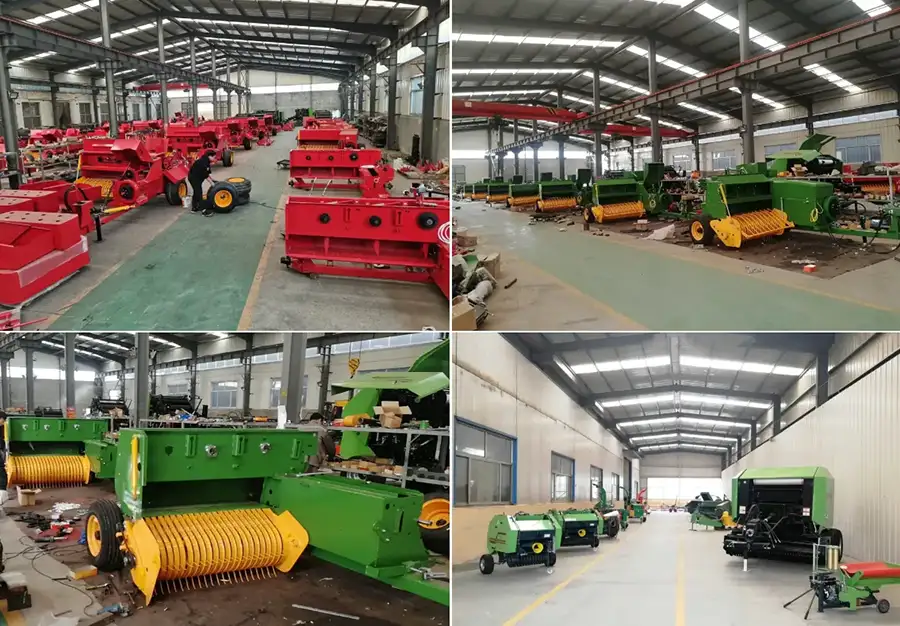
Raydafon Agricultural Machinery Co., Ltd. has been engaged in the research and development of agricultural machinery, such as PTO shafts, agricultural gearboxes, agricultural chains, agricultural pulleys, and agricultural sprockets. Our company has more than 100 employees, among which there are 20 technical technical staff and five senior R&D personnel. Besides, we have abundant financial resources and two advanced casting, forging, machining, heat treatment, and lacquering production lines, and we use CAD computer-aided design system. Our production technology is strong and the equipment is advanced, including lathing, milling, planing, stamping, cutting plate, and electric welding. We have accumulated more than ten years of experience in production, and mainly produce farming machinery, planting machinery, harvesting machinery and its accessories, and matching machines, which are set up by the main tractor manufacturers in China. Our main products are PTO shafts, agricultural gearboxes, corn seeder, drum mowers, rotary hay rakes, flail mowers, lawn mowers, sickle bar mowers, rotary mowers, rotary tillers, land levelers, fertilizer spreaders, furrow ploughs, disc harrows, disc blades, disc ridgers, disc ploughs, potato planters, potato harvester, wheat seeder, vegetable seeder, post hole diggers, boom sprayers, agricultural subsoiler, agricultural trailers, disc mower, finger wheel rake, large round baler, mini round baler, PTO wood chipper, diesel wood chipper, log splitter, front end loader, backhoe, snow blower, road sweeper, etc. The above series of products are complete in specifications, excellent in performance, and reliable in quality. Our products are sold all over the country and are exported to many countries and regions in Europe, America, Africa, the Middle East, and Southeast Asia all year round. Silage Harvester/Forage Harvester for Corn Harvesting RXMC-80S RXMC 90 Twin
Hot Tags: Silage Harvester Manufacturer, Forage Harvester Supplier, Corn Harvesting Equipment Factory
Send Inquiry
Contact Info
Get customized quotes for transmission components, gearboxes, and machinery. Our engineers will respond within 24 hours.
Online
X
We use cookies to offer you a better browsing experience, analyze site traffic and personalize content. By using this site, you agree to our use of cookies. Privacy Policy
Reject Accept