
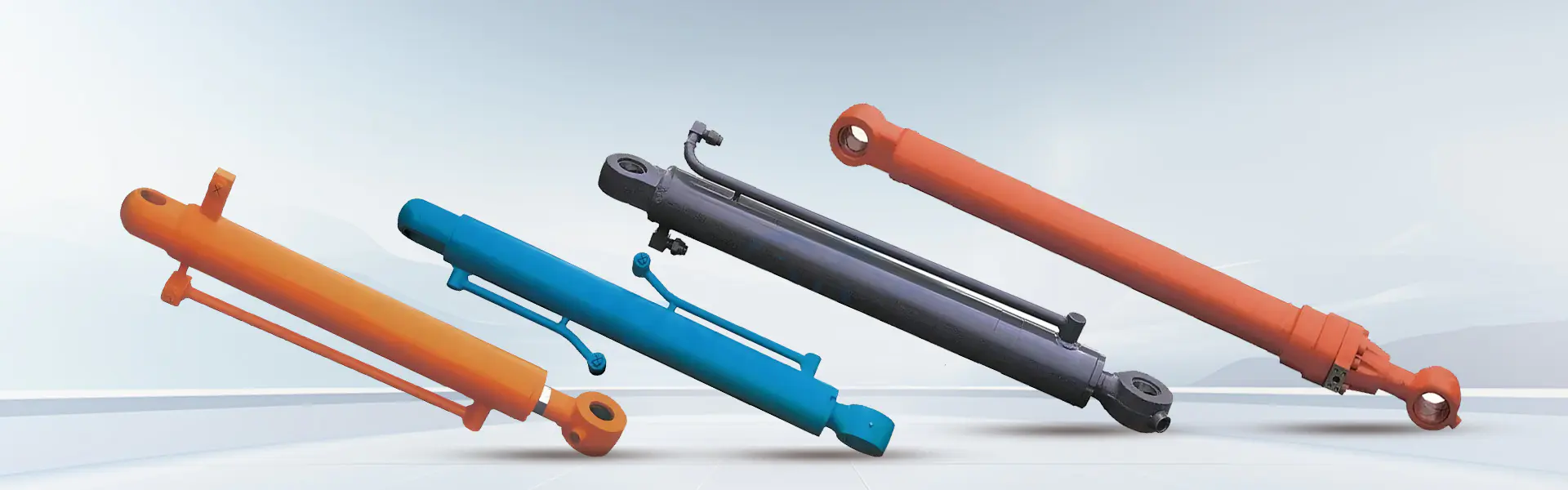
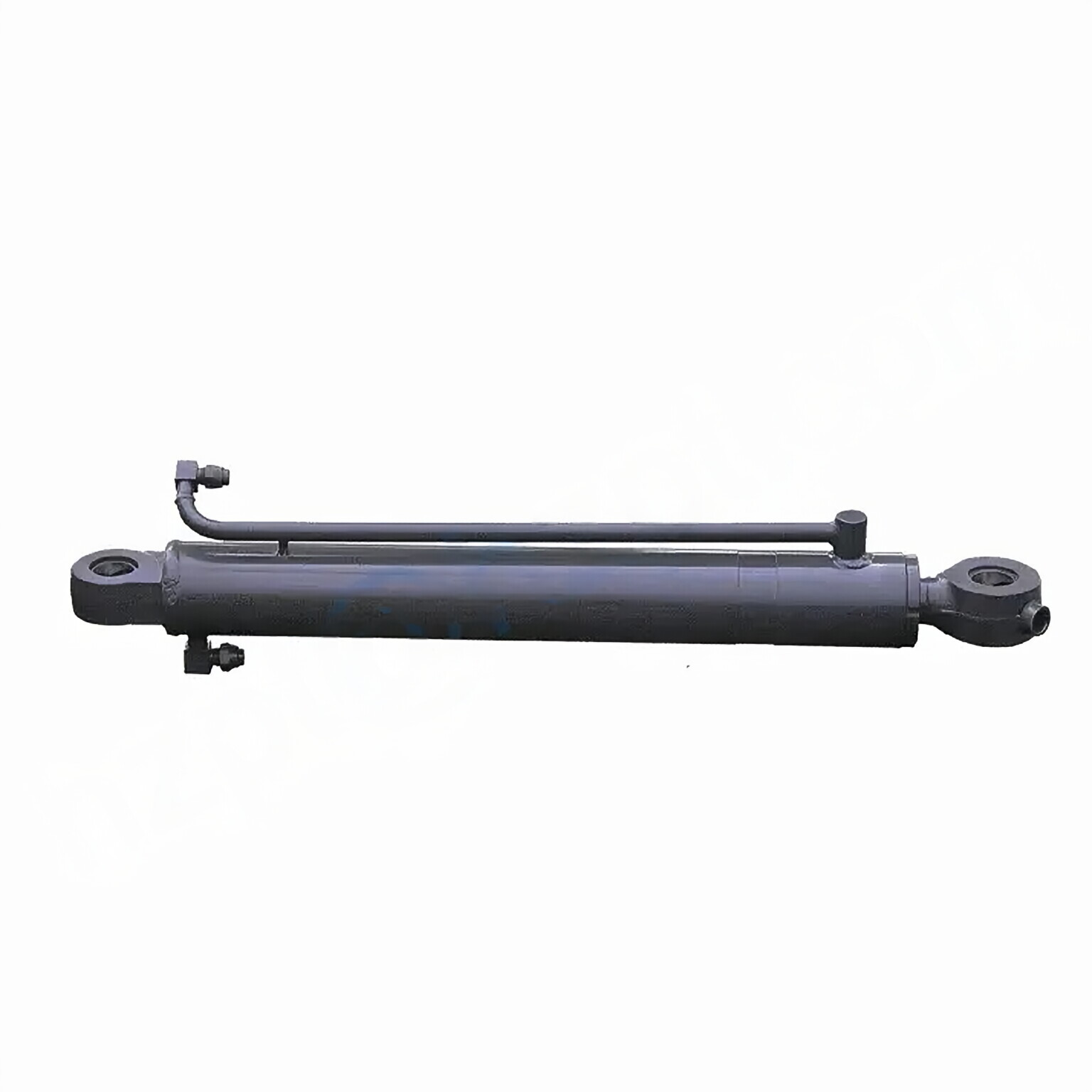
In the demanding world of heavy machinery and industrial transport, hydraulic systems are the lifeblood of operation. At the heart of these systems for crawler-based equipment lies a critical component: the Crawler Transport Vehicle Oil Cylinder. These are not standard hydraulic cylinders; they are engineered specifically for the unique challenges of tracked vehicle applications, where immense loads, uneven terrain, and constant shock are the norm. For over four decades, Raydafon Group has been at the forefront of designing and manufacturing these robust power units, understanding that reliability here directly translates to operational uptime and cost-efficiency on the job site.
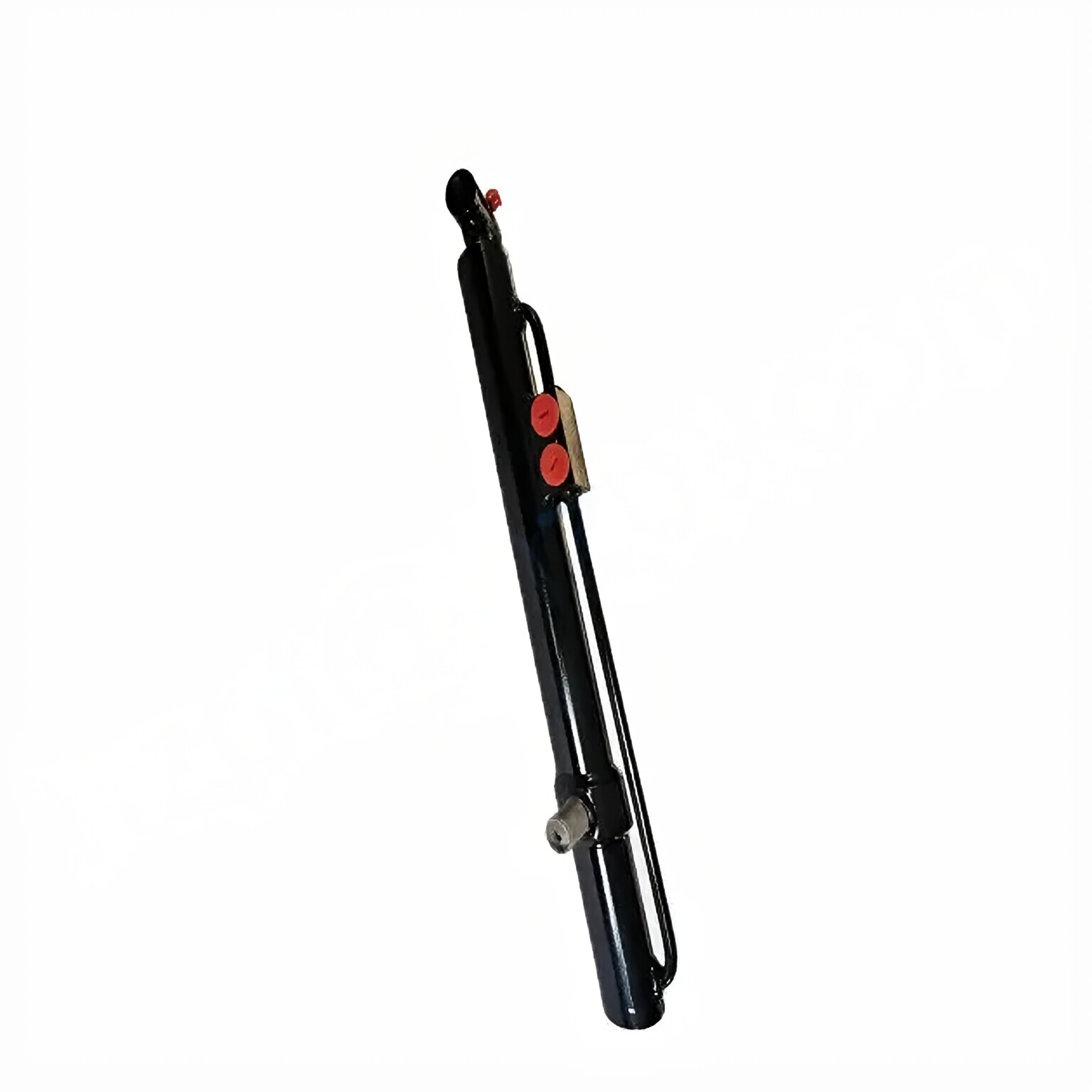
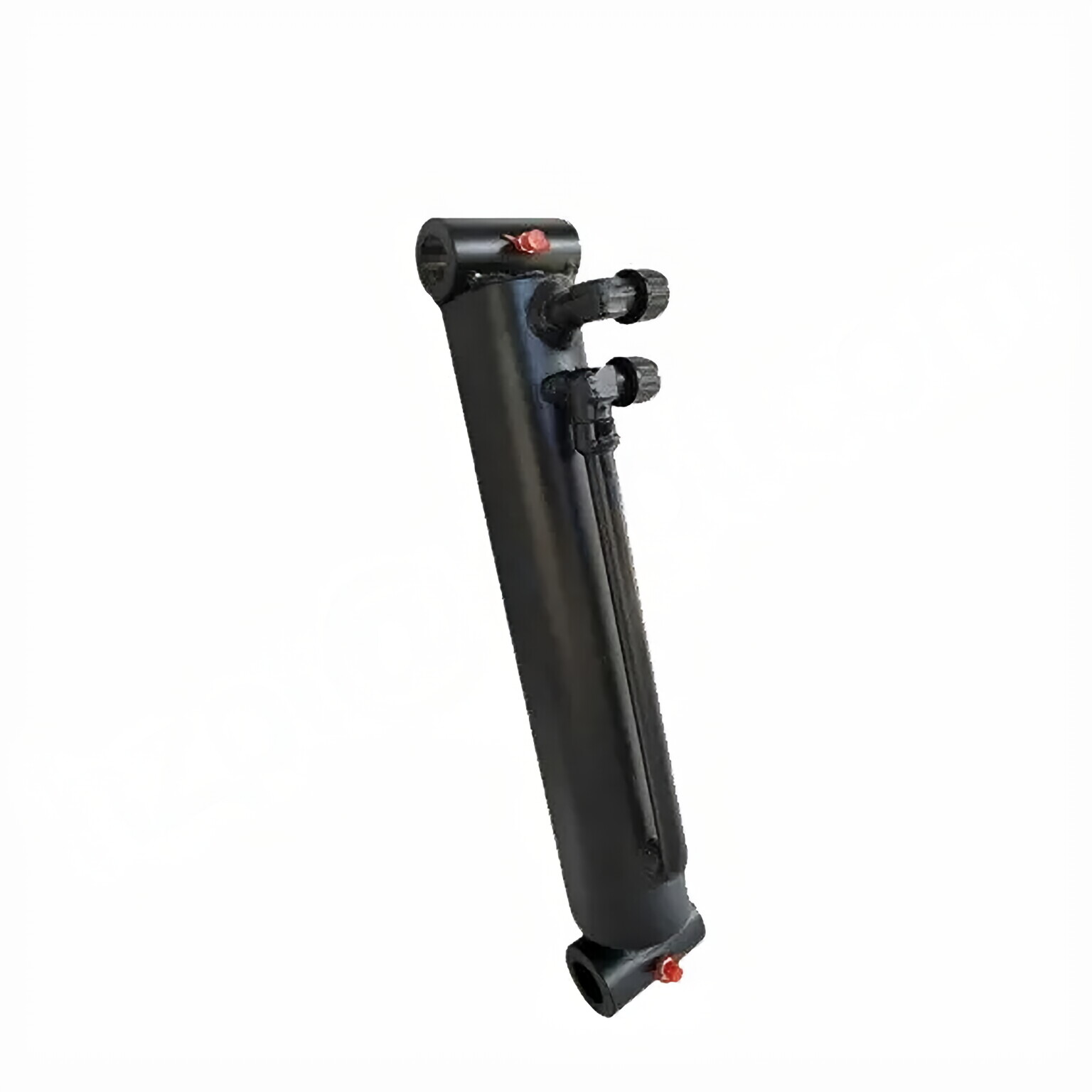
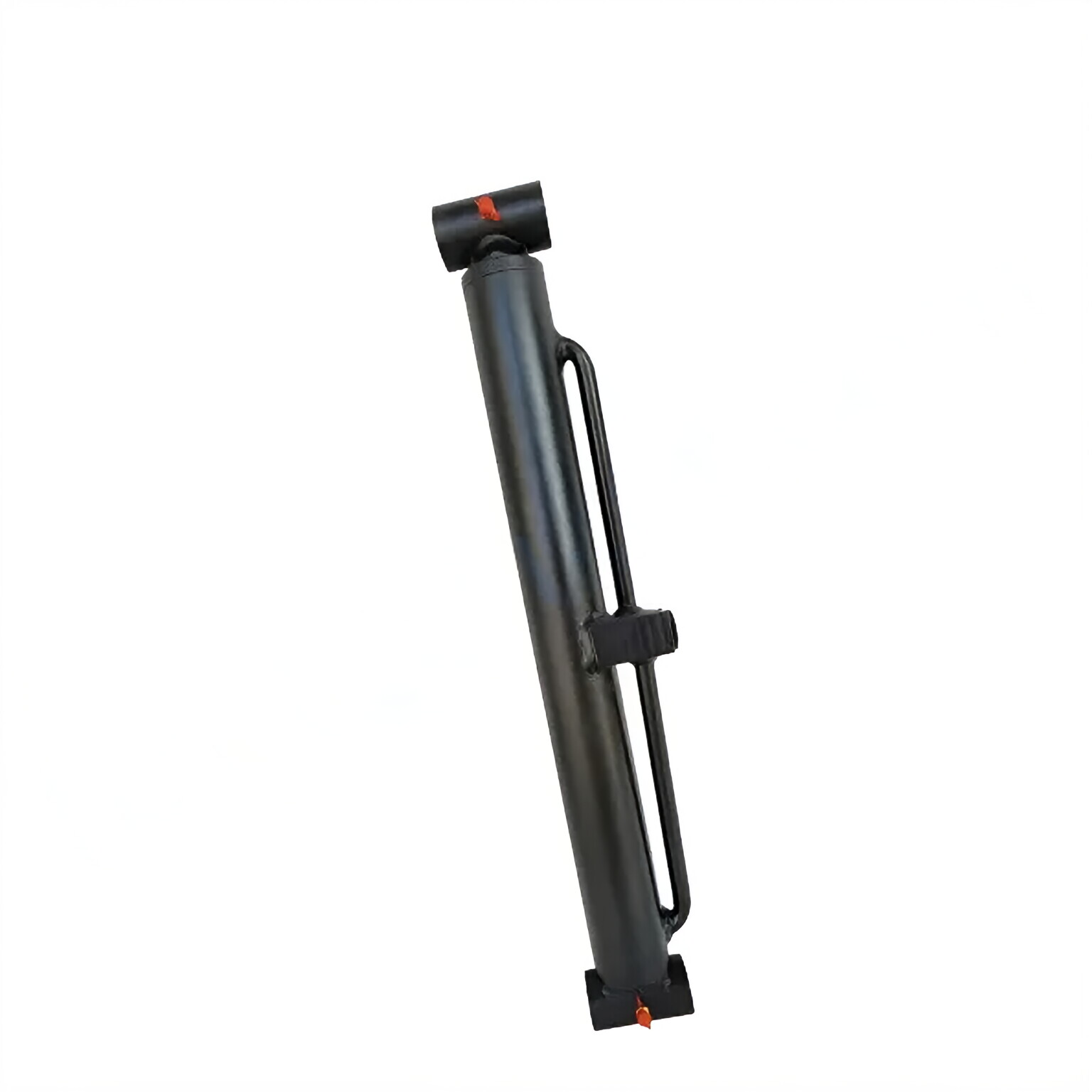
A crawler transport vehicle oil cylinder is a linear actuator that converts the energy of pressurized hydraulic fluid into powerful mechanical force and motion. This force is primarily used to control the intricate steering and articulation mechanisms of tracked vehicles, such as heavy-duty crawler carriers, transporters, and certain types of excavators or cranes on crawler undercarriages. Precise cylinder control allows these massive machines to navigate tight spaces, maintain stability on slopes, and position their loads with exceptional accuracy. Failure or underperformance in these cylinders can lead to loss of steering control, reduced load stability, and significant safety hazards.
Raydafon Group's crawler cylinders are built from the ground up for endurance. We utilize only the highest-grade materials and incorporate design features that address the specific failure points common in harsh environments. Our manufacturing process involves state-of-the-art CNC machining, automated welding for consistent penetration, and a rigorous multi-stage testing protocol. Every cylinder is pressure-tested to well above its rated working pressure to ensure integrity before it leaves our facility.
Our product range is categorized by bore diameter, which is the primary determinant of the force a cylinder can generate. Below is a detailed breakdown of the key parameters for our standard series. Custom designs to meet specific stroke lengths, mounting configurations, or port sizes are a core part of our service at Raydafon Group.
| Series Code | Bore Diameter (mm/in) | Rod Diameter (mm/in) | Standard Stroke Range (mm/in) | Maximum Working Pressure (Bar/PSI) | Primary Mounting Style | Seal Kit Standard |
|---|---|---|---|---|---|---|
| RVCT-80 | 80 / 3.15 | 45 / 1.77 | 200-800 / 7.87-31.5 | 250 / 3625 | Clevis, Flange | Polyurethane |
| RVCT-100 | 100 / 3.94 | 56 / 2.20 | 250-1200 / 9.84-47.24 | 250 / 3625 | Trunnion, Side Lug | Polyurethane |
| RVCT-125 | 125 / 4.92 | 70 / 2.76 | 300-1500 / 11.81-59.06 | 250 / 3625 | Flange, Clevis | Glyd Ring® + Polyurethane |
| RVCT-140 | 140 / 5.51 | 90 / 3.54 | 400-2000 / 15.75-78.74 | 210 / 3045 | Trunnion, Side Lug | Glyd Ring® + Polyurethane |
| RVCT-160 | 160 / 6.30 | 110 / 4.33 | 500-2500 / 19.69-98.43 | 210 / 3045 | Flange, Trunnion | Glyd Ring® + Polyurethane |
Q: What are the most common signs that my crawler vehicle's oil cylinder needs service or replacement?
A: Several indicators suggest cylinder issues. The most common are visible hydraulic fluid leaks around the rod seal or gland, often indicated by oil streaks on the cylinder body. "Drifting" or an inability to hold a position when under load is another critical sign, pointing to internal seal failure. Jerky or uneven movement during operation, a rod that appears scored or damaged, and excessive play or "chatter" in the mechanism are all symptoms that require immediate inspection to prevent further damage to the cylinder and the vehicle's steering system.
Q: Can I simply replace a failed cylinder with any hydraulic cylinder of the same physical dimensions?
A: Absolutely not. While physical fit is important, it is only one parameter. A crawler transport vehicle oil cylinder is engineered for specific performance criteria: the required force (based on bore and pressure), the duty cycle (constant use vs. intermittent), the type of hydraulic fluid used, and the level of shock load it must absorb. Using an under-specified cylinder will lead to rapid failure and potential safety risks. Always refer to the OEM specifications or consult with a specialist like Raydafon Group to ensure the replacement meets or exceeds the original performance requirements.
Q: How does Rodafon Group's design combat the problem of contamination in harsh environments?
A: Contamination from dirt, mud, and water is the primary enemy of hydraulic cylinders. Our cylinders feature a multi-stage rod sealing system. This includes a primary scraper/wiper made of a tough polyurethane compound that actively removes debris from the rod as it retracts. Behind this, a double-lipped rod seal provides the main hydraulic sealing. Furthermore, we offer optional rod boots or bellows for extreme environments, which create a physical barrier over the extended rod. The high-quality chrome plating on the rod itself also provides a very hard, smooth surface that resists pitting and makes it difficult for contaminants to adhere.
Q: What is the typical expected service life of a Raydafon Group crawler cylinder, and what maintenance is required?
A> Service life varies drastically based on application severity, maintenance, and operating conditions. Under normal industrial conditions with proper filtration, our cylinders are designed for a minimum of 10,000 operating hours before a major overhaul may be considered. Maintenance is primarily preventative: regular visual inspections for leaks and rod damage, ensuring the hydraulic fluid is clean and within proper viscosity range, and checking that all mounting bolts and pins remain tight and properly lubricated. The self-lubricating bushings significantly reduce the need for frequent greasing at the pivot points.
Q: Do you offer repair and remanufacturing services for existing cylinders, even if they are not originally a Raydafon product?
A: Yes, Raydafon Group operates a full-service repair and remanufacturing division. We can repair most brands of crawler transport vehicle oil cylinders. Our process involves complete disassembly, thorough cleaning, inspection of all components, replacement of all seals and wear items with Raydafon-specified parts, re-machining or re-chroming of rods and tubes as needed, and full reassembly and testing to original performance specifications. This is often a very cost-effective alternative to purchasing a new cylinder and can restore like-new performance.
Q: For a new vehicle design project, at what stage should I involve Raydafon Group's engineering team?
A: The earlier, the better. Involving our application engineers during the conceptual or early design phase allows us to collaborate on optimizing the cylinder integration. We can advise on the ideal mounting geometry, stroke length, port placement, and required force calculations based on your vehicle's weight distribution and intended use. This proactive collaboration ensures the hydraulic system is efficient, reliable, and avoids costly design changes later in the development cycle. We provide full CAD support and detailed performance simulations.

 Raydafon