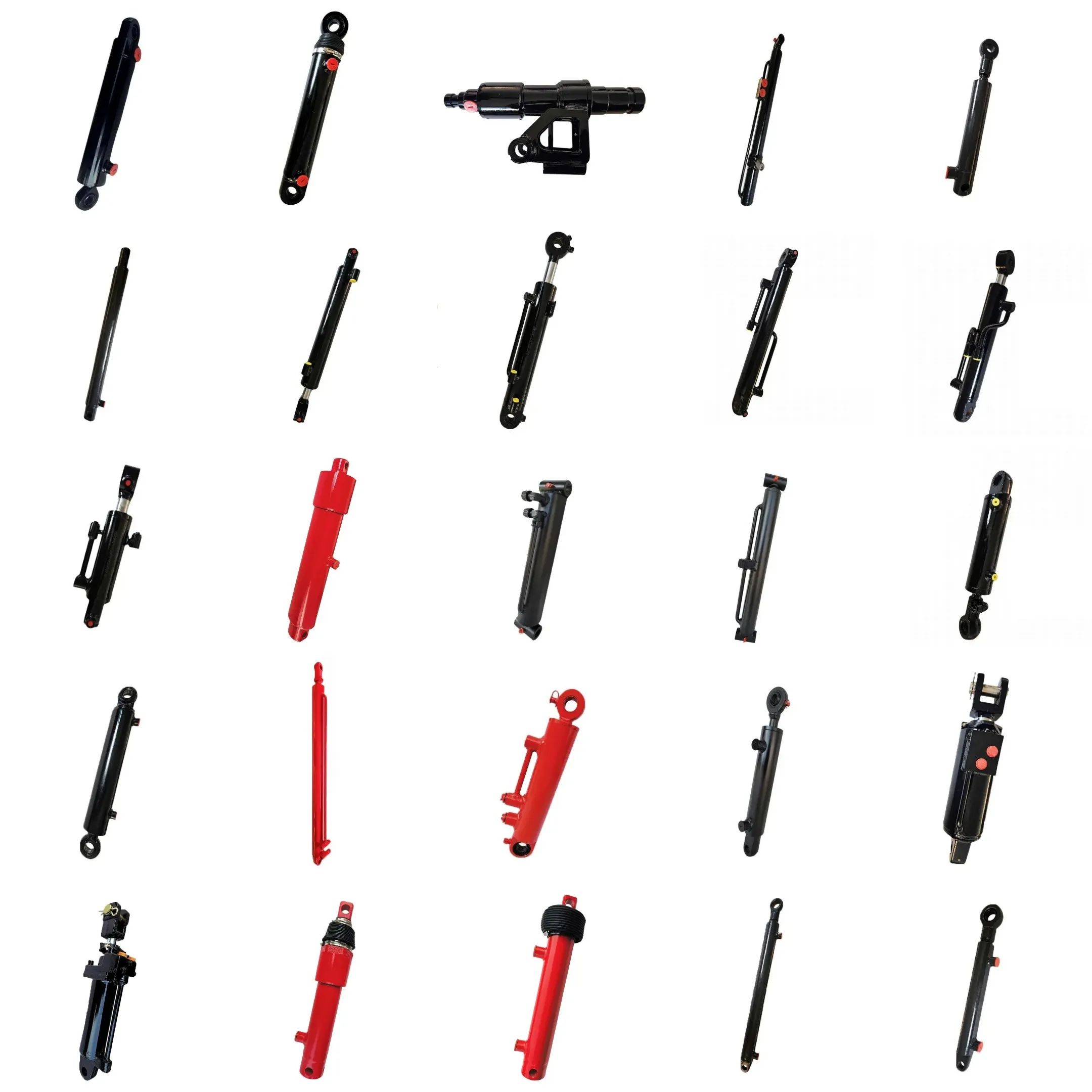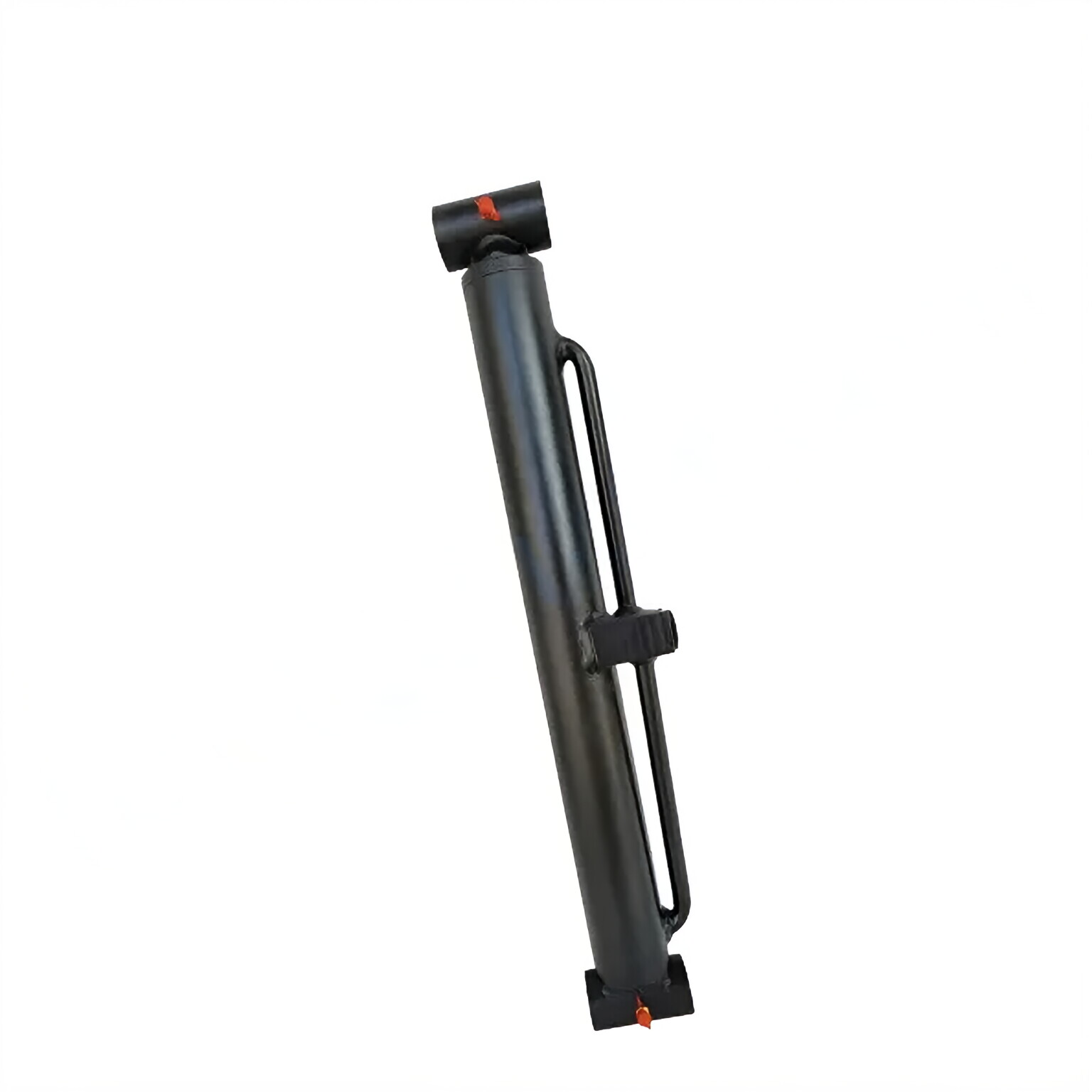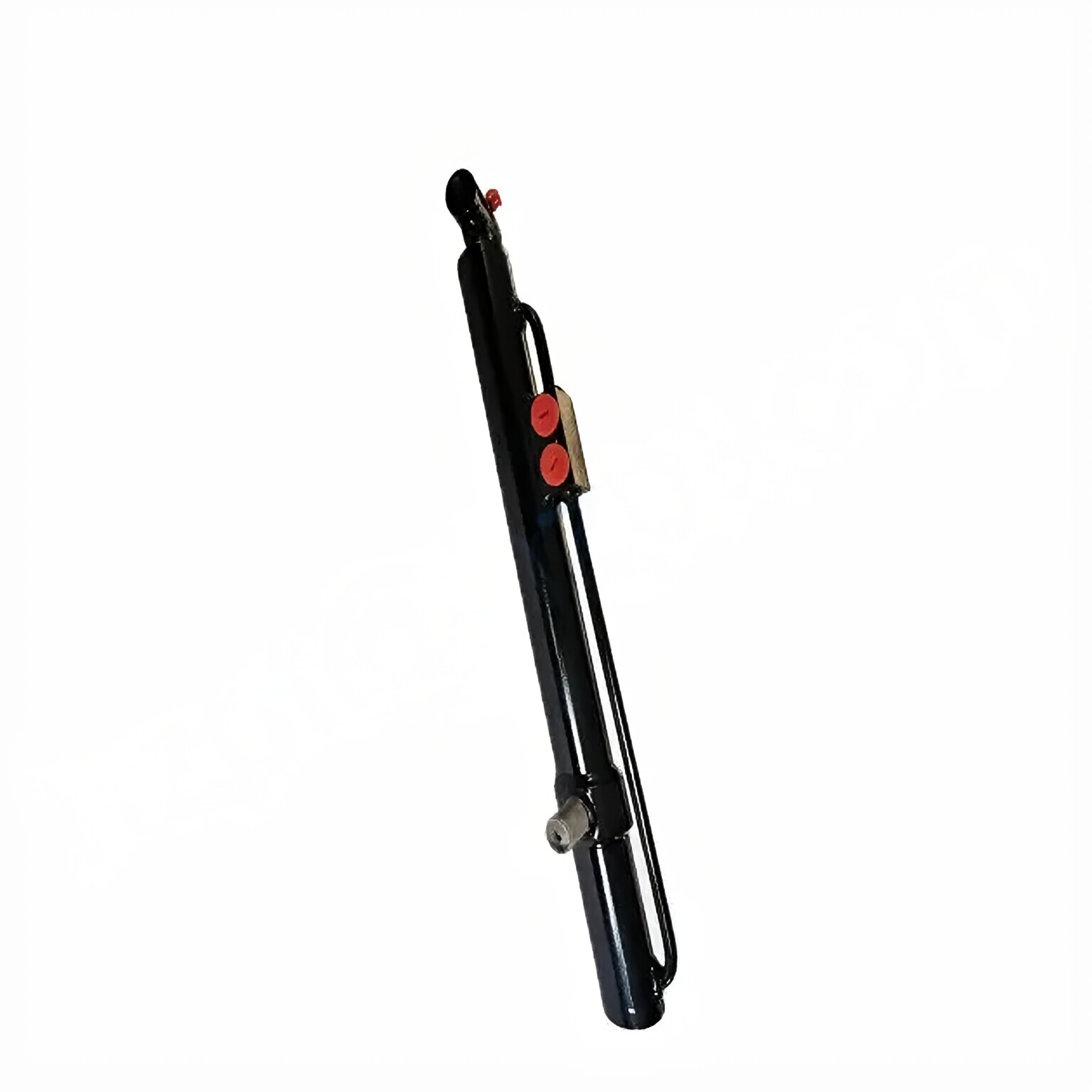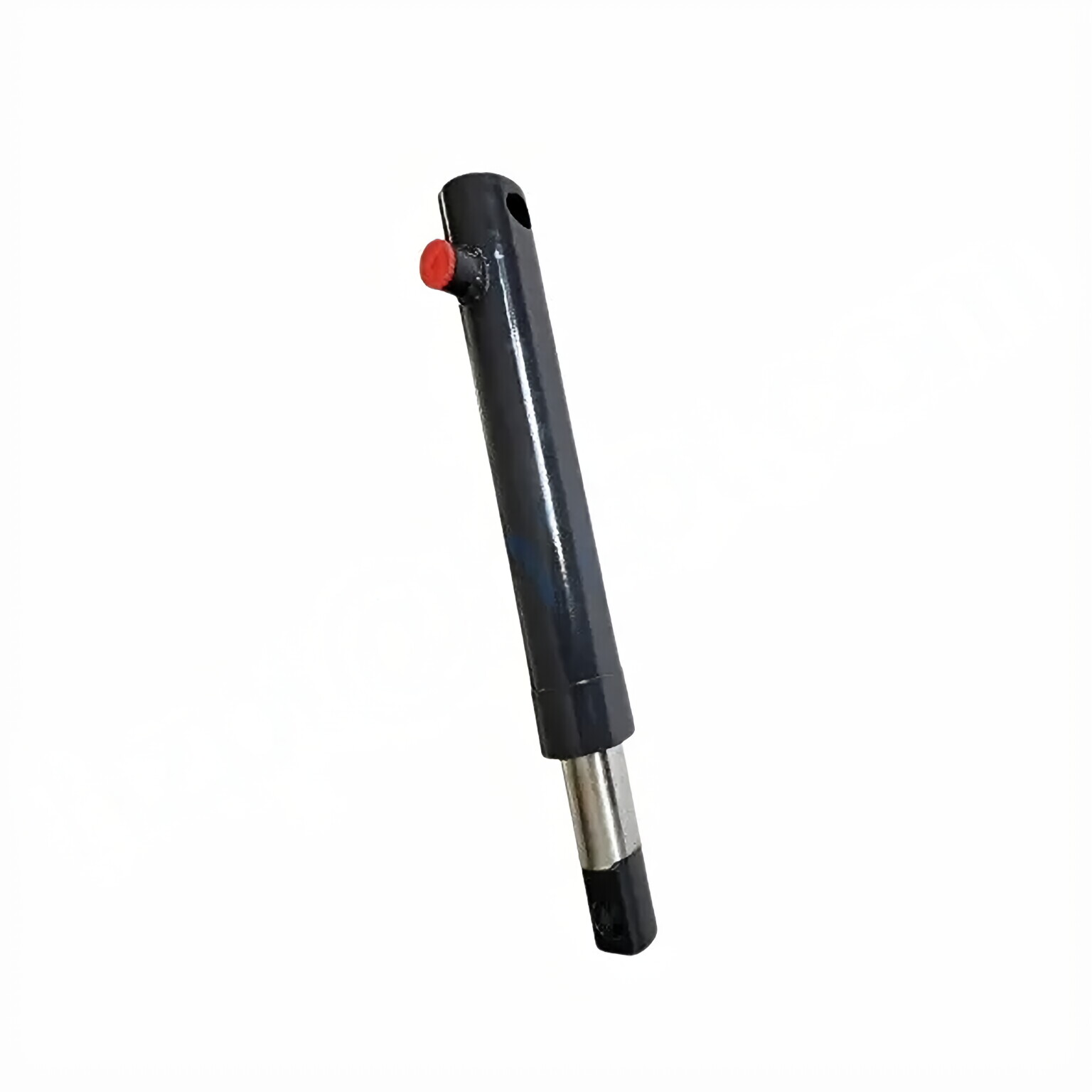
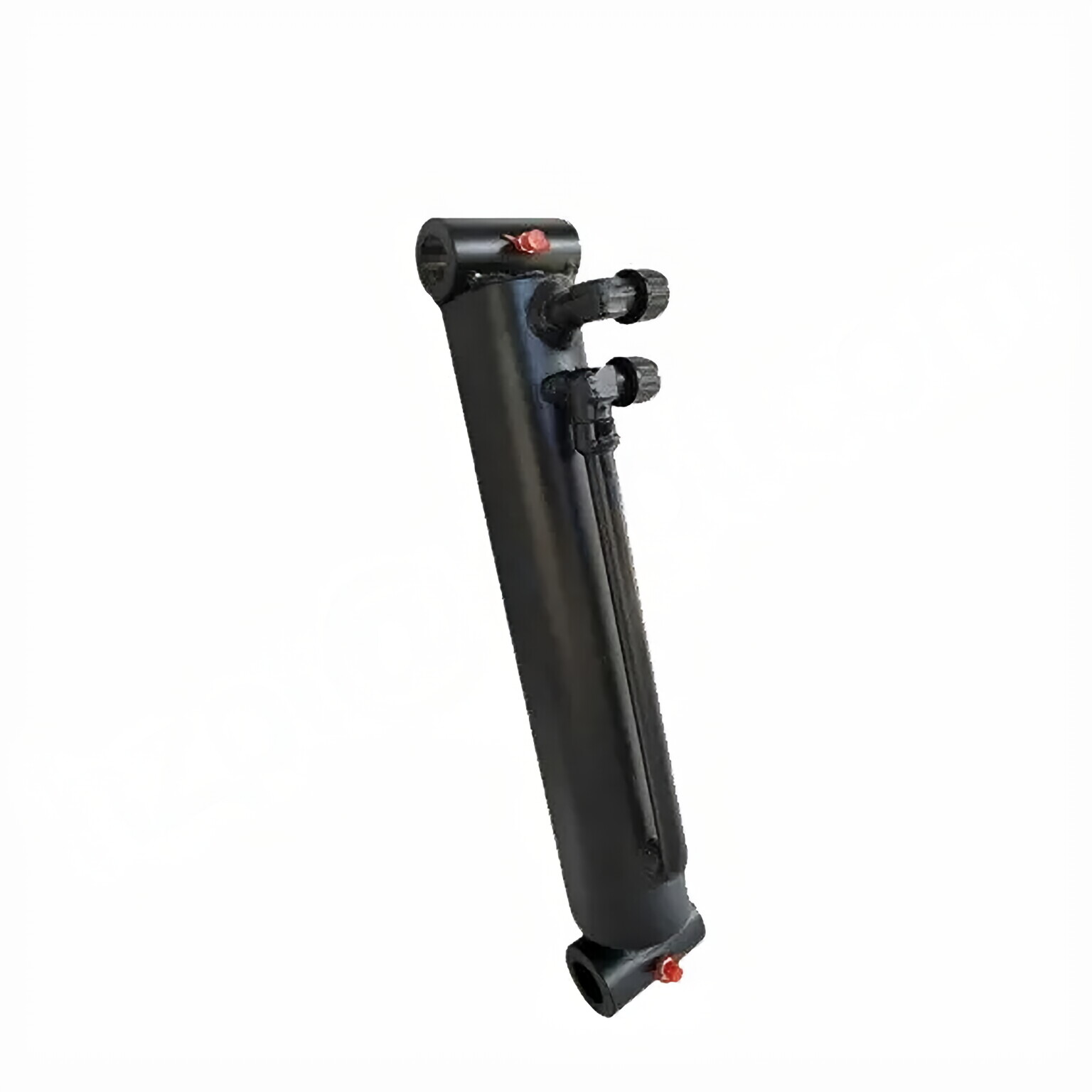
Crawler Transport Vehicle Front Bucket Hydraulic Cylinder
Raydafon Guoup's Crawler Transport Vehicle Front Bucket Hydraulic Cylinder ensures smooth bucket operation with durable, high-precision engineering, reducing wear and enhancing load control for operators in construction and mining. This robust cylinder delivers reliable performance in tough environments, boosting efficiency and safety. Choose Raydafon Guoup for superior quality and lasting durability in heavy-duty applications.
Crawler Transport Vehicle Front Bucket Hydraulic Cylinder
Product Introduction
The Crawler Transport Vehicle Front Bucket Hydraulic Cylinder is a hydraulic cylinder used in crawler transport vehicles. It plays a crucial role in the lifting and moving of heavy loads. With a cylinder diameter of 40mm, rod diameter of 20mm, travel distance of 164mm, and installation distance of 368mm, this hydraulic cylinder offers reliable performance and durability.
Product Parameters
Cylinder Diameter: 40mm
Rod Diameter: 20mm
Travel: 164mm
Installation Distance: 368mm
Product Features
High-quality construction for long-lasting performance
Exceptional load-bearing capacity
Superior sealing for leak-free operation
Enhanced durability for heavy-duty applications
Easy maintenance and repair
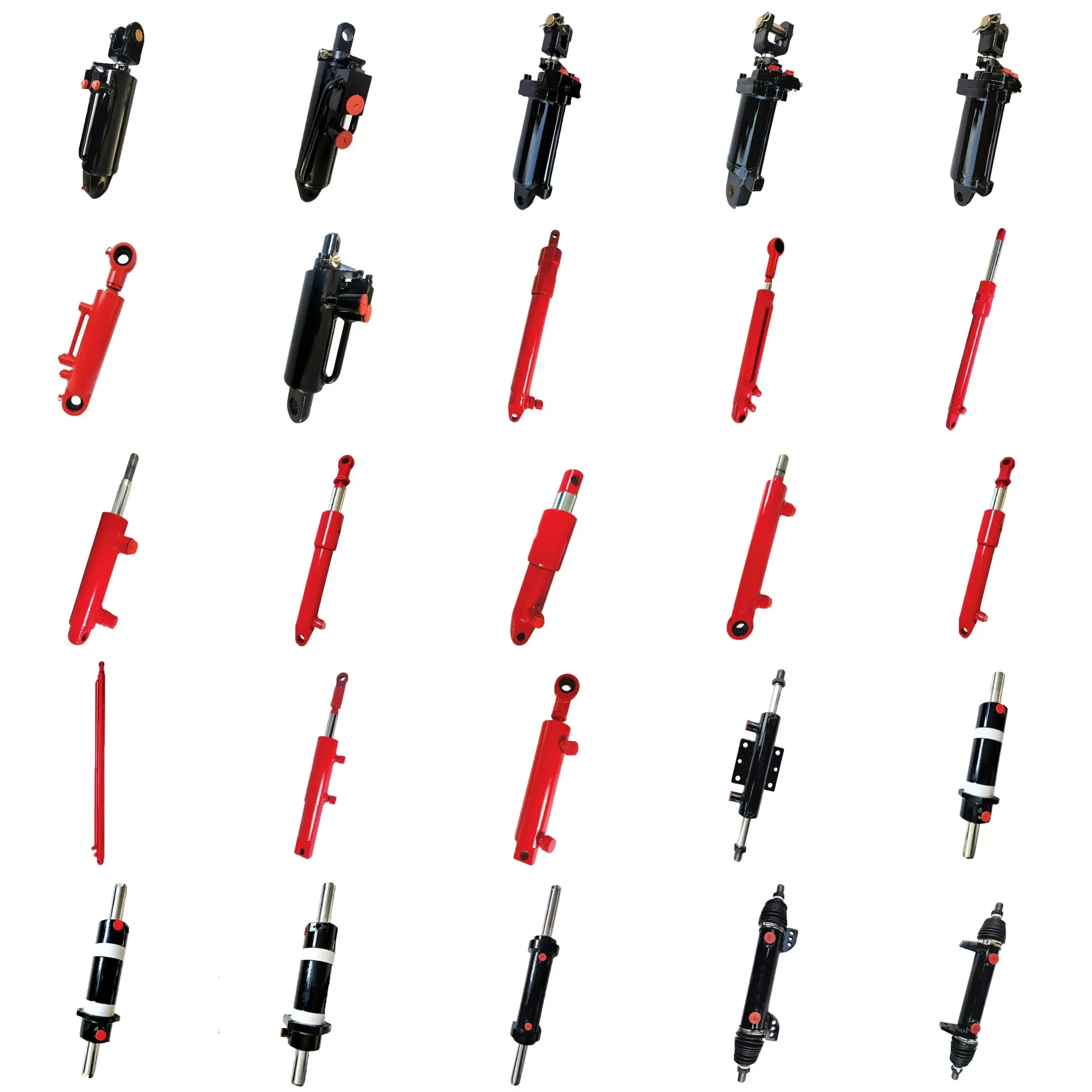
Our hydraulic cylinders can perfectly replace and outperform similar products on the market. Here are the application scenarios where our hydraulic cylinders excel:
Applications
Construction
Hydraulic cylinders are commonly used in construction equipment such as cranes, hoists, and elevators, where a sturdy and secure attachment of heavy objects is required. They provide stability and ensure safety during operations.
Manufacturing
In manufacturing, hydraulic cylinders are employed in hydraulic presses to shape materials under high pressure. They are crucial for holding and fixing the workpieces during the machining process.
Transportation
Hydraulic cylinders are utilized in stabilizers and jacks of vehicles, ensuring safety during maintenance or transportation. They play a vital role in keeping the vehicles stable and secure.
Aviation
Hydraulic cylinders are essential components of landing gear systems in aircraft. They securely lock the landing gear in the appropriate position during takeoff and landing, ensuring the safety of the aircraft.
Design Considerations and Selection Criteria
When designing hydraulic cylinders, several factors are taken into consideration:
Load-bearing capacity: The hydraulic cylinder must be able to withstand the specified load without failure.
Sealing: Effective sealing is crucial to prevent leakage and ensure proper operation.
Durability: The hydraulic cylinder should be designed to withstand heavy-duty usage and maintain performance over time.
Safety: Safety features must be incorporated to prevent accidents and ensure operator protection.
Maintainability: The hydraulic cylinder should be designed for easy maintenance and repair, minimizing downtime.
Sealing and Lubrication
To ensure optimal performance and longevity, the hydraulic cylinder incorporates various sealing components such as piston seals and rod seals. These seals are made from durable materials like polyurethane and nitrile rubber to withstand wear and tear. The cylinder body and threaded ends are carefully treated to enhance their wear resistance. Regular lubrication with the appropriate amount of hydraulic oil is essential for smooth operation.
Regular Inspection and Preventive Maintenance
To keep the hydraulic cylinder in optimal condition, the following measures should be taken:
Regularly inspect the cylinder for any signs of damage or wear.
Ensure proper lubrication to prevent friction and extend the cylinder's lifespan.
Replace seals when necessary to maintain optimal sealing performance.
Perform calibration checks to ensure accurate operation.
Product Installation Guide
Proper installation is crucial for the optimal performance of the hydraulic cylinder. Follow these steps:
Align the cylinder with the mounting position.
Securely fasten the cylinder using appropriate mounting brackets.
Ensure the cylinder is aligned correctly for smooth operation.
Verify that all connections are tight and leak-free.
Maintenance Tasks
Common maintenance tasks for hydraulic cylinders include:
Regular inspection to identify any issues or abnormalities.
Proper lubrication to reduce friction and ensure smooth operation.
Seal replacement to maintain optimal sealing performance.
Safety Considerations and Environmental Factors
When using hydraulic cylinders, it is essential to prioritize safety measures. This includes following proper operating procedures, using appropriate personal protective equipment, and adhering to safety guidelines to prevent accidents.
Troubleshooting and Common Issues
Here are some common issues that may arise with hydraulic cylinders:
Leakage: Check for damaged seals and replace them if necessary.
Slow operation: Inspect the hydraulic system for any clogs or restrictions.
Excessive noise: Check for loose connections and tighten them accordingly.
For troubleshooting and resolving these problems, refer to the manufacturer's guidelines or seek professional assistance. Implementing preventive measures can help minimize potential issues.Our company is a leading manufacturer and wholesale distributor of hydraulic cylinders in the domestic and international markets. We offer a wide range of hydraulic cylinders that meet various industry needs.
Company Information
Our company excels in:
Providing professional and reliable products
Obtaining international certifications for quality assurance
Offering customized services to meet specific requirements
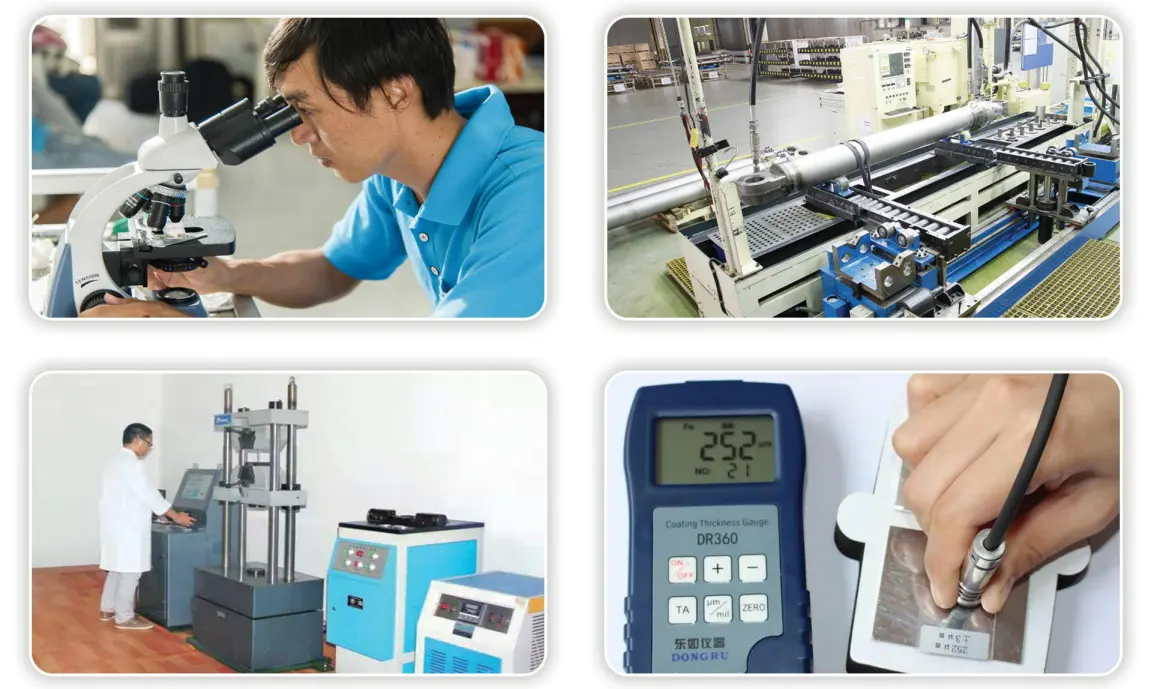
Utilizing advanced production equipment
Providing excellent after-sales service for customer satisfaction
This article is written by lyl.
Hot Tags: Crawler Hydraulic Cylinder Manufacturer, Front Bucket Hydraulic Cylinder Supplier, Transport Vehicle Hydraulic Cylinder OEM
We use cookies to offer you a better browsing experience, analyze site traffic and personalize content. By using this site, you agree to our use of cookies.Privacy Policy