
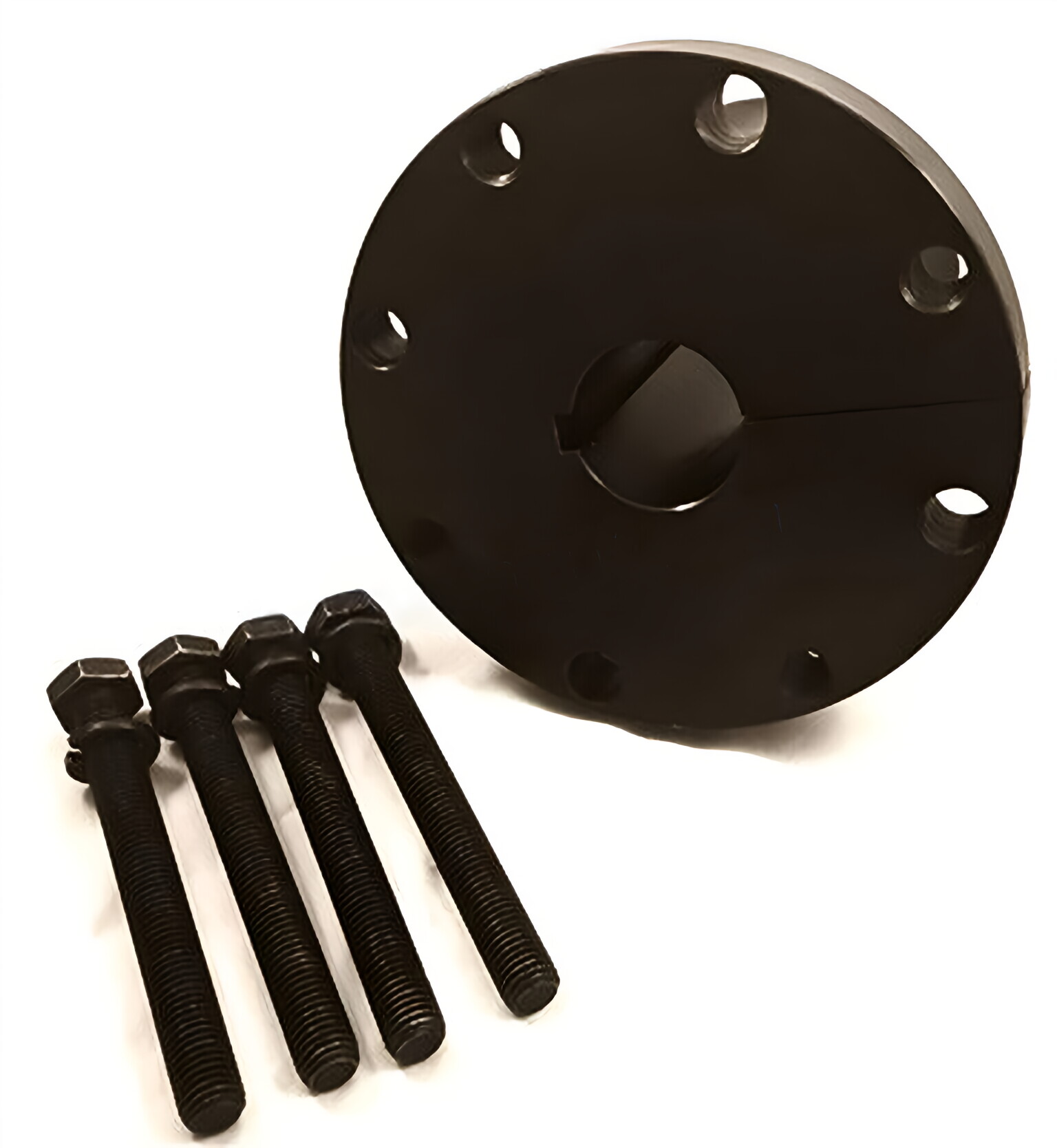
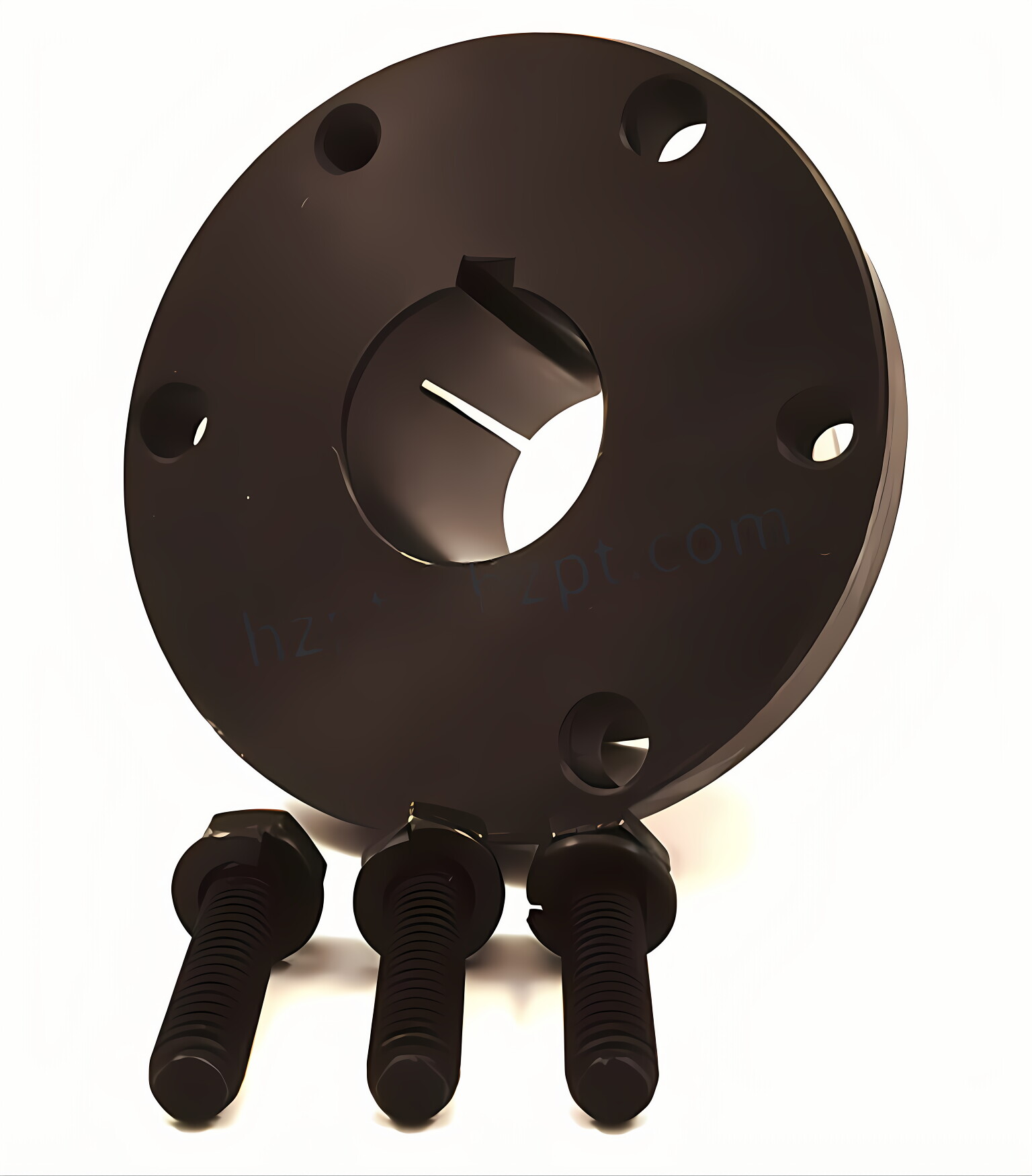
In the world of mechanical power transmission, the connection between a shaft and a hub is critical. A QD Bushing, or Quick Disconnect Bushing, is a specialized locking device designed to provide a secure, precise, and easily mountable connection. Unlike traditional keyed or set screw methods, QD bushings utilize a tapered design and locking components to create a powerful clamping force directly onto the shaft, eliminating backlash and ensuring perfect concentricity. This technology is indispensable for applications involving sprockets, pulleys, couplings, and gears across industries such as material handling, agriculture, food processing, and heavy machinery.
The Raydafon Group has been at the forefront of power transmission innovation for decades. Our precision-engineered QD bushings are manufactured to exacting tolerances, guaranteeing reliability, longevity, and peak performance in the most demanding environments. By choosing Raydafon, you invest in a component that minimizes downtime, simplifies maintenance, and enhances the overall safety and efficiency of your drive systems.
Raydafon Group's QD bushings are available in a comprehensive range of standard sizes and are also customizable for unique applications. Understanding the key parameters is essential for selecting the correct bushing for your needs.
The following table outlines a selection of standard Raydafon QD bushing sizes. All dimensions are in inches.
| Bushing Part No. | Shaft Bore (Min - Max) | Hub Bore | Overall Length (L) | Pilot Diameter (D) | Keyway Size (W x D) | Approx. Weight (lbs) |
|---|---|---|---|---|---|---|
| RDF-QD1010 | 1" - 1-1/8" | 2-1/2" | 2.00" | 2.00" | 1/4" x 1/8" | 2.5 |
| RDF-QD1515 | 1-1/2" - 1-5/8" | 3-7/16" | 2.50" | 2.75" | 3/8" x 3/16" | 5.0 |
| RDF-QD2020 | 2" - 2-1/8" | 4-15/16" | 3.00" | 3.50" | 1/2" x 1/4" | 9.0 |
| RDF-QD2525 | 2-1/2" - 2-5/8" | 6-5/16" | 3.75" | 4.50" | 5/8" x 5/16" | 15.5 |
| RDF-QD3030 | 3" - 3-1/8" | 7-1/2" | 4.50" | 5.25" | 3/4" x 3/8" | 24.0 |
Note: This is a representative sample. Raydafon Group offers a full spectrum of sizes. Always consult our engineering catalog or contact our technical support for exact specifications and custom requirements.
Q: What is the main advantage of using a QD bushing over a traditional key and set screw arrangement?
A: The primary advantage is the elimination of fretting and wallowing. A traditional key relies on a precise fit and can wear both the shaft and hub keyway over time, leading to backlash and eventual failure. A QD bushing creates uniform clamping pressure around the entire shaft circumference. This "full-grip" connection prevents movement, provides true concentricity, allows for easier positioning (timing), and does not damage the shaft, making it ideal for applications requiring frequent disassembly or repositioning.
Q: How do I properly install and remove a Raydafon QD bushing?
A: For installation: 1) Clean the shaft and bushing bore thoroughly. 2) Slide the bushing onto the shaft and into the hub. 3) Insert the key if specified. 4) Hand-tighten the cap screws in a crisscross pattern to initially draw the locking rings together. 5) Finally, torque the screws to the specification provided in the Raydafon installation manual, using the same crisscross pattern to ensure even pressure. For removal: Simply loosen the cap screws evenly. The design includes jacking screws; turning these will gently break the taper lock and separate the bushing from the hub without the need for forceful pounding or prying.
Q: Can a QD bushing be used on a tapered shaft?
A: No. QD bushings are specifically designed for use on straight, cylindrical shafts. The internal bore of the bushing is straight, and its clamping action requires a parallel surface to generate uniform holding force. For tapered shafts, a different type of bushing or mounting system, such as a proprietary tapered adapter, must be used.
Q: What maintenance do QD bushings require?
A: Raydafon QD bushings are virtually maintenance-free under normal operating conditions. The key maintenance activity is periodic re-torquing of the cap screws after the initial run-in period (typically 50-100 hours of operation), as some initial settling may occur. During any system maintenance, it is good practice to inspect the bushing, screws, and locking rings for signs of wear, corrosion, or damage. Always re-lubricate the threads of the cap screws during reassembly.
Q: How does Raydafon ensure the quality and durability of its QD bushings?
A: Raydafon Group employs a rigorous quality management system. Our bushings are manufactured from certified high-grade materials. Every batch undergoes dimensional inspection using coordinate measuring machines (CMM) to verify tolerances. Critical components like locking rings are heat-treated for optimal strength and wear resistance. We also perform sample-based torque-to-failure and cycle testing to validate design integrity, ensuring our products exceed industry standards for performance and safety.
Q: Are Raydafon QD bushings interchangeable with other brands?
A: Raydafon's standard QD bushing line is engineered to common industrial dimensions (ANSI/AGMA), making them generally interchangeable with other brands of the same stated size. However, for optimal performance and to guarantee the full benefit of our material science and precision manufacturing, we recommend using genuine Raydafon components throughout your assembly. Mixing brands can sometimes lead to minor dimensional variances affecting fit and function.
Q: What information do I need to provide to order the correct QD bushing?
A: To ensure you receive the perfect component, please have the following details ready: 1) The diameter of your shaft (in inches or mm). 2) The bore size of the hub (pulley, sprocket, etc.) you are attaching to. 3) The required keyway dimensions (width and depth) if applicable. 4) Any special environmental conditions (extreme temperatures, exposure to chemicals, washdown requirements). The Raydafon technical sales team can then guide you to the exact standard or custom solution.

 Raydafon