

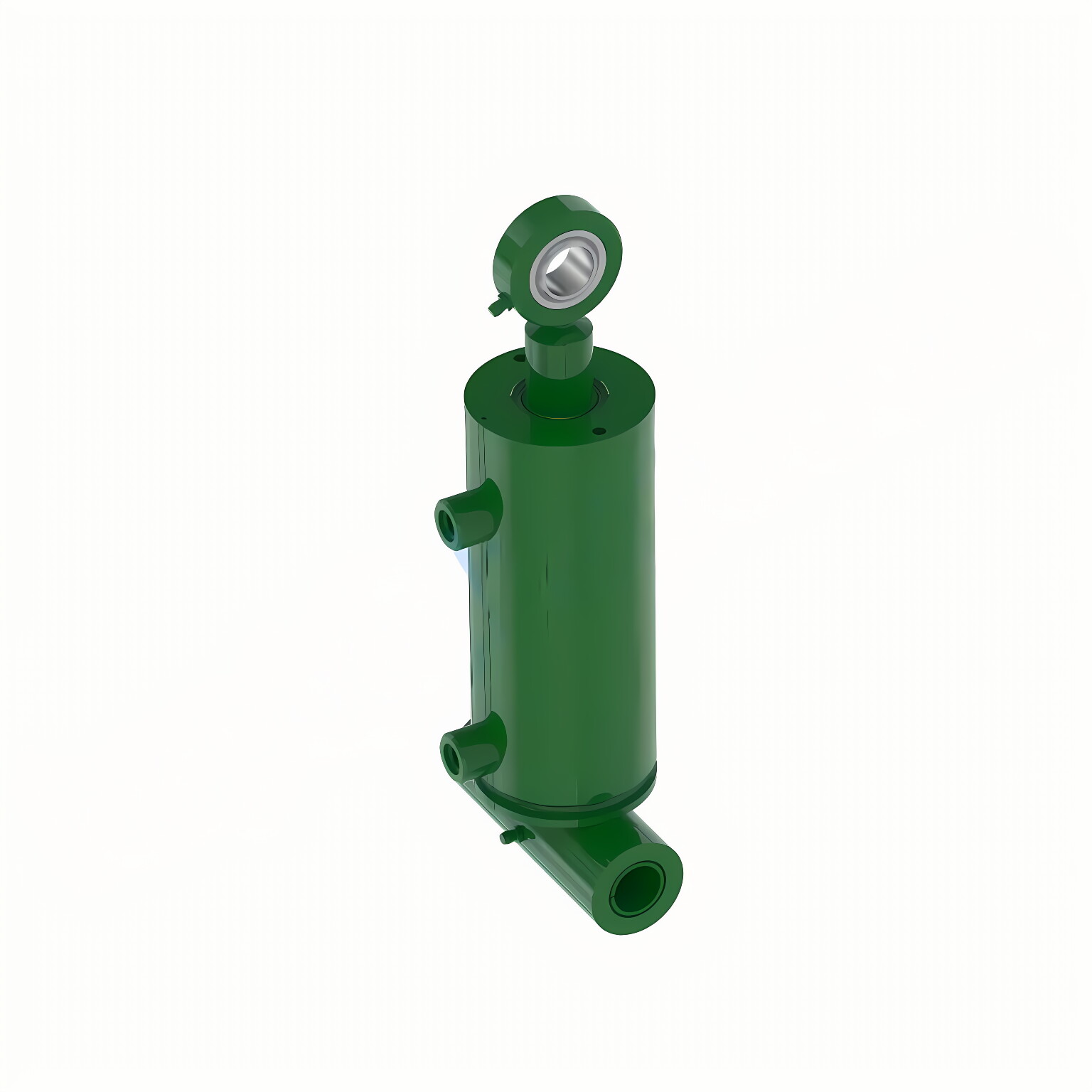
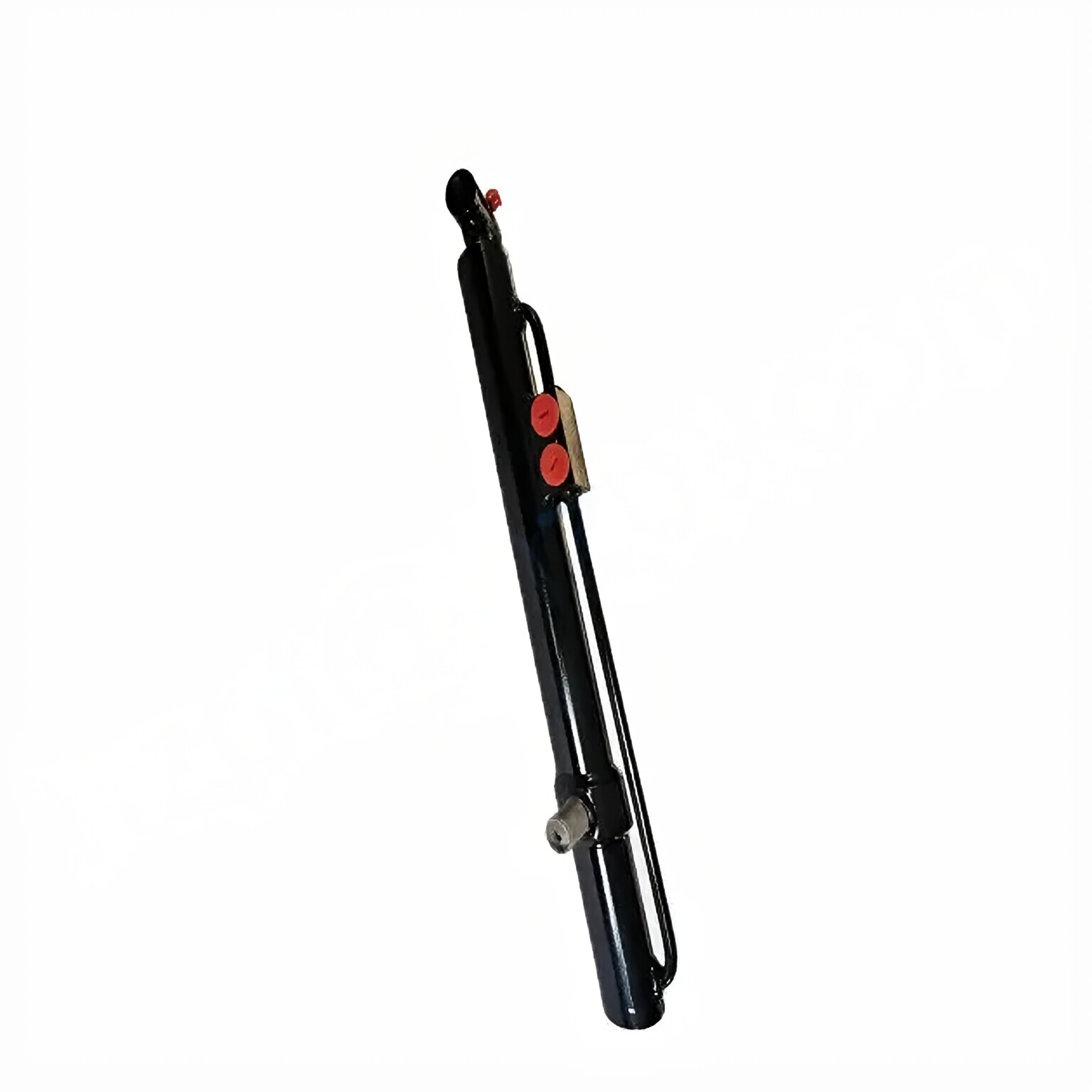
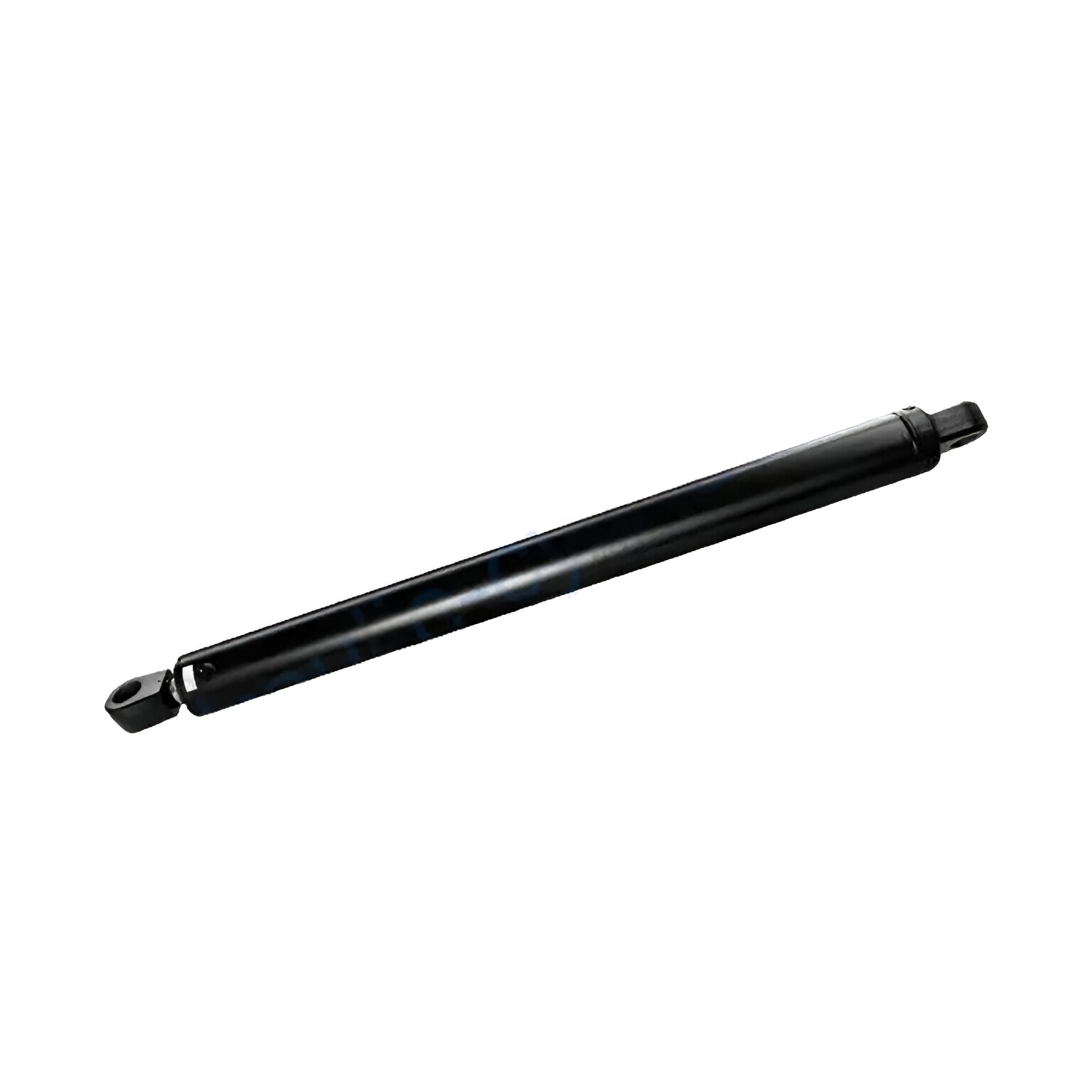
Navigating the world of industrial components can be daunting, especially for critical parts like welded through hole cylinders. A common and costly hurdle for procurement professionals is selecting the wrong specifications, leading to project delays and budget overruns. So, how do you select the right size and specifications for a welded through hole cylinder? The process is more than just matching numbers; it's about understanding your application's core demands and aligning them with precise engineering. By focusing on key parameters—bore size, stroke length, mounting style, and operating pressure—you can make an informed choice. Partnering with an expert supplier like Raydafon Technology Group Co.,Limited can simplify this complex decision, ensuring you get a component that delivers performance and reliability from day one.
The Mismatch Dilemma: When the Wrong Cylinder Halts Production
Imagine this: a new automated assembly line is ready for its final test run. The welded through hole cylinder, responsible for a crucial clamping motion, is installed. Upon activation, it moves sluggishly, lacks the necessary force, and fails to hold position. The line grinds to a halt. The root cause? A bore size selected based on habit rather than calculated force requirements. This scenario highlights the critical first step in selection: thoroughly understanding your application's non-negotiable needs. It's not just about the hole; it's about the force, speed, environment, and space constraints.
Solution: Begin with a detailed application audit. Define the exact force (in Newtons or pounds) needed to move the load. Calculate the required stroke length by mapping the precise travel distance. Assess the operating environment—will there be extreme temperatures, moisture, or corrosive elements? Finally, examine the physical space for mounting limitations. This foundational analysis creates your specification checklist, moving you from guesswork to precision engineering. For complex calculations, leveraging the technical support from a manufacturer like Raydafon Technology Group Co.,Limited can prevent costly assumptions.
Beyond the Basics: Interlocking Specifications for Optimal Performance
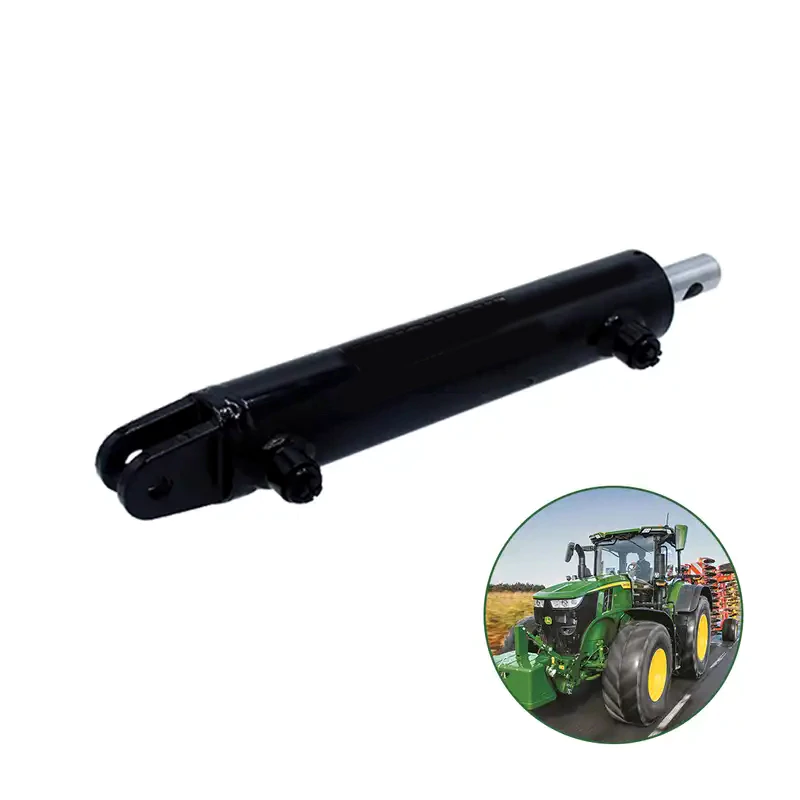
A cylinder's performance is a symphony of its specifications. Selecting one parameter in isolation is a recipe for underperformance. The bore diameter directly dictates force output; the rod diameter and construction (e.g., threaded, welded) affect stability under load. Operating pressure must align with your system's capabilities, while the mounting style (foot, flange, clevis) determines how the cylinder integrates into your machinery and handles moment loads.
Solution: Use the following parameter table as a cross-reference guide to ensure all specifications work in harmony for your specific duty cycle and load type.
| Key Parameter | What it Determines | Selection Consideration | Typical Range/Options |
|---|---|---|---|
| Bore Size | Force Output (F = P x A) | Calculate required force with a 20-30% safety margin. | 32mm to 200mm+ |
| Stroke Length | Linear Travel Distance | Measure exact movement needed; avoid over-stroking. | 50mm to 2000mm+ |
| Operating Pressure | System Compatibility & Force | Must match your hydraulic or pneumatic system pressure. | Up to 210 bar (Hydraulic) |
| Mounting Style | Installation & Load Alignment | Choose based on applied force direction and space. Welded through hole offers high rigidity. | Foot, Flange, Clevis, Trunnion |
| Rod Diameter & Construction | Column Strength & Durability | Larger diameters for long strokes/heavy side loads. Welded type resists loosening. | Proportional to bore; Welded/Threaded |
From Specification Sheets to Real-World Solutions: The Supplier Partnership
Even with a perfect spec sheet, challenges arise. Long lead times, inconsistent quality, and lack of technical support can derail procurement. The true cost isn't just the unit price; it's the total cost of ownership, including downtime and maintenance. This is where the choice of supplier becomes a strategic decision, not just a transactional one.
Solution: Partner with a specialized manufacturer that acts as an extension of your engineering team. A partner like Raydafon Technology Group Co.,Limited provides more than just a product. They offer application engineering support to validate your specifications, ensure material traceability for quality assurance, and provide flexible manufacturing for non-standard requirements. This collaborative approach transforms the complex question—how do you select the right size and specifications for a welded through hole cylinder?—into a streamlined, reliable process, guaranteeing a component that fits your application and your supply chain.
Common Questions on Welded Through Hole Cylinder Selection
Q1: What is the primary advantage of a welded through hole cylinder versus a threaded rod design?
A: The key advantage is superior resistance to loosening under high vibration or alternating load conditions. The welded construction permanently fuses the piston rod to the mounting interface, eliminating the risk of the thread coming undone. This makes it the preferred choice for heavy-duty, high-cycle, or safety-critical applications where connection integrity is paramount, such as in construction equipment or stamping presses.
Q2: How do I determine the correct bore size if my load and required speed are known?
A: First, use the formula Force (F) = Pressure (P) x Area (A) to calculate the necessary bore area to generate your required force. Select a standard bore size that provides this area with a safety margin (20-30% is common). Then, verify the speed. Cylinder speed is determined by flow rate (for hydraulics) or orifice size (for pneumatics) into the cylinder's cap or rod side area. A larger bore requires more fluid or air to move at the same speed. You may need to balance bore size with your system's available flow/pressure to achieve the desired force-speed combination. Consulting technical data sheets from manufacturers like Raydafon is crucial for this step.
Selecting the ideal welded through hole cylinder is a systematic process that bridges engineering calculations with practical application knowledge. By methodically assessing your requirements, understanding how specifications interact, and leveraging expert support, you can secure a component that ensures efficiency, durability, and safety. We encourage you to share your specific application challenges or questions in the comments below.
For precision-engineered solutions and expert guidance on your next project, consider Raydafon Technology Group Co.,Limited. As a specialized manufacturer in industrial hydraulic components, we provide robust welded through hole cylinders tailored to demanding applications, backed by comprehensive technical support. Visit our website at https://www.raydafongroup.com to explore our portfolio or contact our engineering team directly at [email protected] for a consultation.
 Raydafon