
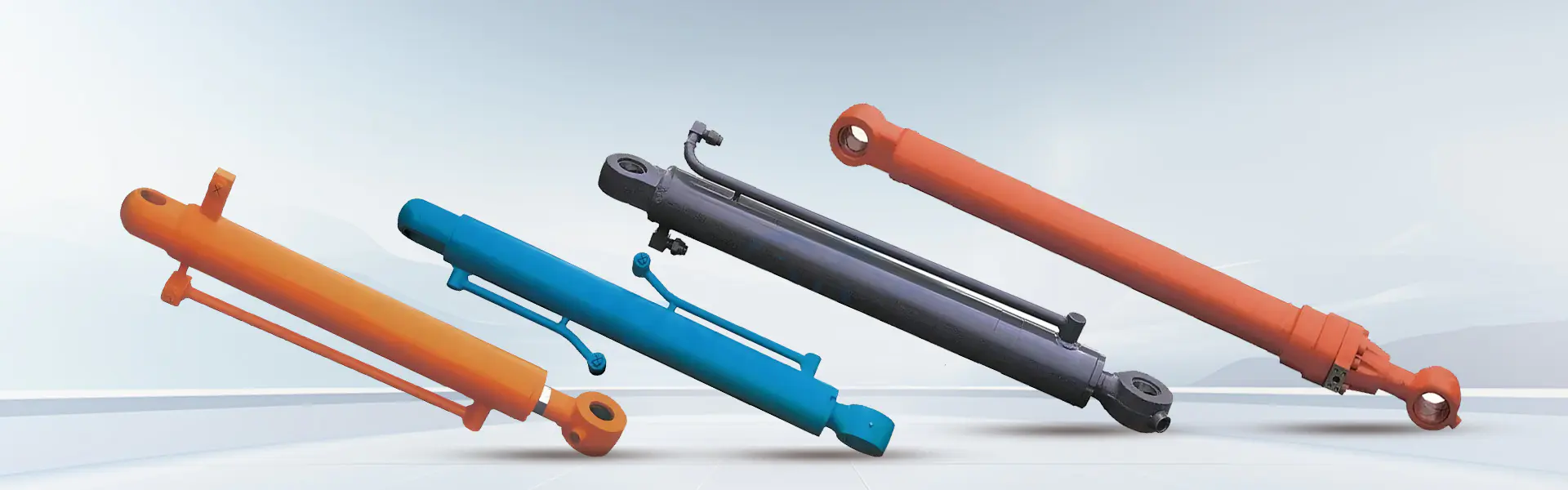
MH Couplings are high-performance, precision-engineered flexible couplings designed for demanding industrial applications. As a core product line of the Raydafon Group, MH Couplings represent decades of engineering excellence and a deep understanding of the challenges faced in power transmission systems across various sectors. These couplings are specifically built to accommodate misalignment, absorb shock loads, and dampen vibrations, thereby protecting critical machinery such as motors, pumps, compressors, and gearboxes from costly downtime and premature failure.
The fundamental principle behind MH Couplings is their flexible element design. This component, often made from high-grade elastomers or metallic grid/spider designs, provides the necessary flexibility to compensate for parallel, angular, and axial misalignments between two connected shafts. By effectively managing these unavoidable real-world conditions, MH Couplings ensure smooth power transmission, reduce stress on bearings and seals, and significantly extend the operational lifespan of the entire drive train.
The superiority of MH Couplings is rooted in their robust design and high-quality materials. Here are the standout features that define this product line:
MH Couplings are available in a wide range of sizes and configurations to meet specific application requirements. The following tables outline key technical parameters for two common series: the standard elastomeric spider type (MH-E Series) and the high-performance metallic grid type (MH-G Series).
| Model | Bore Range (mm) | Max. Torque (Nm) | Max. Speed (rpm) | Angular Misalignment | Parallel Misalignment | Spider Material |
|---|---|---|---|---|---|---|
| MH-E 50 | 12-28 | 120 | 10,000 | ±1.5° | 0.3 mm | NBR (Standard) |
| MH-E 80 | 20-40 | 350 | 8,500 | ±1.5° | 0.4 mm | NBR / Polyurethane |
| MH-E 125 | 30-60 | 900 | 6,500 | ±1.0° | 0.5 mm | NBR / Hytrel |
| MH-E 200 | 50-90 | 2,500 | 5,000 | ±1.0° | 0.6 mm | Urethane / Hytrel |
| Model | Bore Range (mm) | Nominal Torque (Nm) | Peak Torque (Nm) | Max. Speed (rpm) | Lubrication | Standard Material |
|---|---|---|---|---|---|---|
| MH-G 1.5 | 15-40 | 160 | 400 | 12,000 | Grease (Service-free) | Cast Iron / Steel Grid |
| MH-G 4 | 25-65 | 630 | 1,600 | 9,500 | Grease (Service-free) | Cast Iron / Steel Grid |
| MH-G 10 | 40-100 | 2,200 | 5,500 | 7,100 | Grease (Service-free) | Cast Iron / Steel Grid |
| MH-G 25 | 60-140 | 6,300 | 16,000 | 5,600 | Oil Bath / Grease | Cast Steel / Alloy Grid |
Note: All specifications are typical values. Exact values may vary based on specific operating conditions, bore size, and fastener selection. Always consult the official Raydafon Group technical documentation for final design and selection.
Choosing the correct MH Coupling is critical for optimal performance and longevity. Follow this systematic approach:
Q: What is the main difference between the MH-E and MH-G series of couplings?
A: The primary difference lies in the flexible element. The MH-E series uses an elastomeric spider (like NBR or polyurethane) inserted between two metal hubs. It's excellent for vibration damping, electrically insulating, and is often maintenance-free. The MH-G series uses a curved metallic grid that engages with gear teeth on the hubs. It offers higher torque capacity, torsional stiffness, and durability for heavier-duty applications, often with a lubricated-for-life design.
Q: How often do MH Couplings require maintenance?
A: Most standard MH-E series couplings with elastomeric spiders are maintenance-free; the spider is a wear part replaced during coupling service. MH-G metallic grid couplings are typically lubricated for life at the factory. However, in severe service conditions (extreme temperatures, continuous operation), periodic visual inspection for wear, lubricant leakage, or unusual noise is recommended. Always refer to the specific maintenance manual provided by Raydafon Group for your coupling model.
Q: Can MH Couplings accommodate axial displacement (end float)?
A: Yes, MH Couplings are designed to accommodate a certain degree of axial movement, which is common in applications involving thermal expansion of shafts or floating shaft designs. The allowable axial displacement is specified in the technical data for each model. It is crucial not to exceed this limit, as it can cause premature wear or failure of the flexible element.
Q: Are MH Couplings balanced for high-speed operation?
A: Yes, all MH Couplings from the Raydafon Group are dynamically balanced as a standard procedure during manufacturing. This is essential to prevent harmful vibrations at high rotational speeds, ensuring smooth operation and protecting bearings. The maximum operating speed listed for each model is based on this balanced condition.
Q: What materials are available for corrosive environments?
A: For highly corrosive atmospheres (e.g., chemical processing, marine, food & beverage), Raydafon Group offers special variants. Hubs can be supplied in stainless steel (e.g., AISI 304, 316), with special coatings like zinc-nickel plating, or in aluminum for specific applications. The flexible elements can also be specified in chemically resistant elastomers like EPDM or Viton. It is essential to provide full environmental details when ordering.
Q: How do I properly install an MH Coupling?
A: Correct installation is key. Ensure shafts are clean and free of burrs. Align the connected machinery as accurately as possible within the coupling's stated limits—using laser alignment tools is best practice. Do not use excessive force to press the coupling onto the shaft; use the recommended mounting method (e.g., thermal fitting for interference fits). Tighten all fasteners to the specified torque using a calibrated torque wrench. Finally, rotate the assembly by hand to check for any binding before starting up.
Q: Where are MH Couplings commonly used?
A: MH Couplings are versatile components found in countless industries. Common applications include pump drives (water, sewage, chemical), fan and blower systems, conveyor belts, compressors, mixers and agitators, marine propulsion systems, paper and steel mill machinery, and generators. Their reliability makes them a preferred choice for both OEMs and maintenance operations worldwide.
Q: Does the Raydafon Group offer custom engineering for MH Couplings?
A: Absolutely. While the standard catalog covers a vast array of needs, the engineering team at the Raydafon Group specializes in developing custom solutions. This can include special bore sizes and keyways, unique materials for extreme temperatures or corrosion, altered torque ratings, custom lengths for spacer couplings, and designs for explosive atmospheres (ATEX certification). Contact their technical sales department with your specific requirements.

 Raydafon