
How do I find the correct specifications for my replacement hydraulic cylinder? You’re staring at your machinery, a critical piece of equipment is down, and production is slowing to a halt. You know you need a new cylinder, but ordering the wrong one means more downtime, wasted money, and mounting pressure. This scenario is all too common for maintenance managers and procurement specialists. The key to a swift, successful replacement lies in deciphering the precise specifications of your existing cylinder. This guide is designed to cut through the complexity. We’ll walk you through a practical, step-by-step process to identify exactly what you need, ensuring you get a perfect-fit, high-performance replacement hydraulic cylinder every time. Partnering with an expert supplier like Raydafon Technology Group Co.,Limited can transform this stressful task into a seamless process, guaranteeing compatibility and reliability.
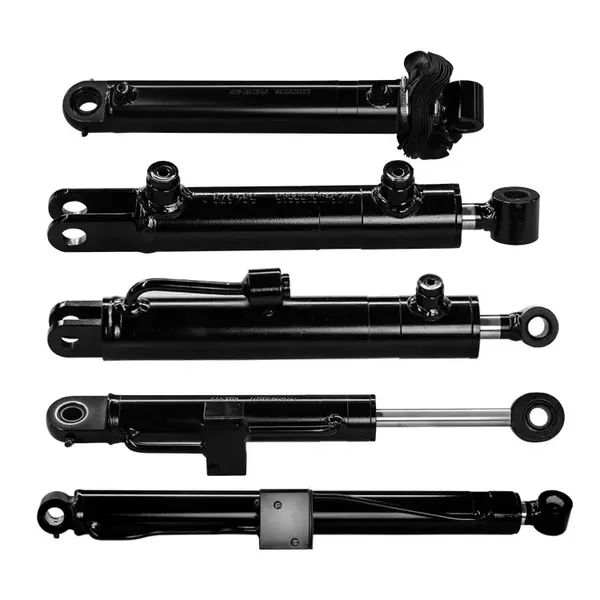
The most common mistake in ordering a replacement is getting the dimensions wrong. Start by safely isolating and removing the faulty cylinder from your equipment. Clean it thoroughly. Your essential measurements are the Bore Diameter, Rod Diameter, Stroke Length, and Retracted Length. Use precise calipers for the bore and rod. For the stroke, manually extend the rod completely and measure the travel distance. The retracted length is the total cylinder length when fully closed. Even a millimeter's discrepancy can cause catastrophic installation failure. Document these numbers meticulously. For complex assemblies or if the cylinder is damaged, consulting the original equipment manual or contacting the manufacturer is crucial. At Raydafon Technology Group Co.,Limited, our engineering team can assist in reverse-engineering specifications from samples or partial data, ensuring accuracy.
| Measurement | How to Measure | Why It's Critical |
|---|---|---|
| Bore Diameter | Internal diameter of the cylinder tube. | Determines force output (Force = Pressure x Area). |
| Rod Diameter | Diameter of the piston rod. | Affects retraction force and rod strength/column stability. |
| Stroke Length | Distance the rod travels from retracted to extended. | Defines the range of motion for your application. |
| Retracted Length | Overall length when the rod is fully inside. | Ensures the new cylinder fits the available space. |
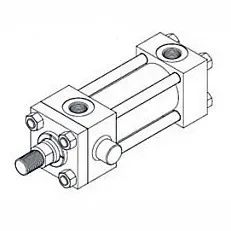
Imagine finally receiving your new cylinder, only to find the mounting brackets don't align, or the hydraulic ports face the wrong direction. This step prevents that frustration. Identify the mounting style: is it a Clevis, Trunnion, Flange, or Side Lug? Take clear photographs from multiple angles. Next, examine the hydraulic ports. Note the thread type (e.g., NPT, BSP, SAE), size, and orientation. Are they on the cap, the base, or the side? Using the wrong thread can lead to leaks and system contamination. Providing these details to your supplier allows them to match or adapt the configuration. Raydafon Technology Group Co.,Limited offers custom machining for ports and mounts, providing flexibility when exact OEM parts are obsolete or unavailable, solving your fitment challenges efficiently.
| Component | Key Identification Points | Raydafon Solution |
|---|---|---|
| Mounting Style | Type (Clevis/Trunnion/etc.), pin hole sizes, center distances. | Custom fabrication to match your existing bracket geometry. |
| Hydraulic Ports | Thread type & size, port location (on cap, base, side). | Machining alternative port types or relocating ports as needed. |
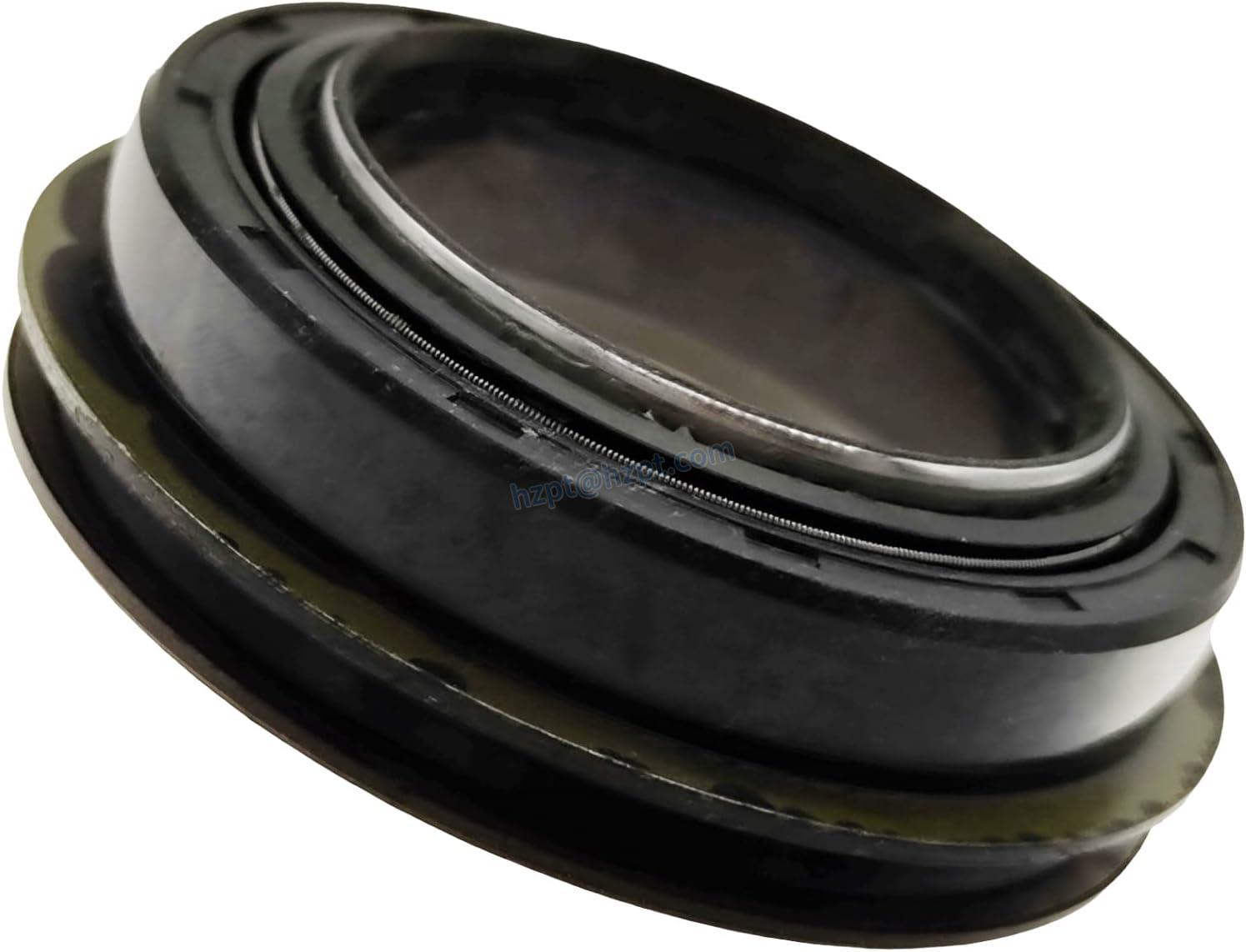
| Seal Kit | Material (Nitrile, Polyurethane, Viton) based on fluid & temperature. | Providing high-quality, application-specific seal kits for longevity. |
Specifications aren't just about physical fit; they're about performance under pressure—literally. You must determine the cylinder's operating pressure (PSI or Bar), both nominal and peak. Check the original system schematics or the cylinder's data plate if it's legible. What hydraulic fluid is used? Standard mineral oil, phosphate ester, or water-glycol? The fluid type dictates compatible seal materials. Also, consider the operating environment: extreme temperatures, exposure to corrosive elements, or abrasive conditions? These factors influence material choices for the tube, rod (e.g., chrome-plated vs. stainless steel), and seals. Providing this comprehensive data ensures your replacement cylinder is not just a fit, but a durable, reliable upgrade. How do I find the correct specifications for my replacement hydraulic cylinder? By combining precise measurement with operational intelligence, a process streamlined by experts like Raydafon.
| Performance Factor | Specification to Find | Impact on Selection |
|---|---|---|
| Operating Pressure | Rated working pressure and maximum system pressure. | Determines cylinder barrel wall thickness and overall robustness. |
| Hydraulic Fluid | Type (e.g., AW46, HFD-R) and temperature range. | Dictates seal material (NBR, FKM, etc.) for compatibility and leak prevention. |
| Duty Cycle & Environment | Continuous vs. intermittent use, presence of dirt, moisture, chemicals. | Guides rod surface treatment, wiper selection, and optional features like rod boots. |
Q: How do I find the correct specifications for my replacement hydraulic cylinder if the original data plate is missing or unreadable?
A: This is a frequent challenge. Start with the steps above: take precise physical measurements and clear photos of mounts and ports. Next, consult the machinery's maintenance manual or technical drawings. If those are unavailable, contact the OEM of the equipment itself. As a final and highly effective resort, partner with a specialist supplier like Raydafon Technology Group Co.,Limited. You can send the old cylinder or detailed photos to our engineers for expert reverse-engineering. We analyze wear patterns, thread forms, and construction to accurately replicate or recommend a suitable replacement.
Q: I have the basic dimensions, but how can I be sure the replacement cylinder will match my system's performance needs?
A> Basic dimensions ensure physical fit, but performance parity is vital. Cross-reference your measured bore size with your system's operating pressure to calculate force output. Ensure the rod diameter is sufficient for the load to prevent buckling. Most importantly, communicate your application details (machine type, function, fluid, cycle rate) to your supplier. Reputable manufacturers like Raydafon will review these parameters against their product designs to validate suitability, often suggesting material or design upgrades for improved service life in your specific operating conditions.
Navigating the specifics of hydraulic cylinder replacement doesn't have to be a solo, high-stakes guessing game. By methodically gathering measurement, mounting, and performance data, you lay the groundwork for a perfect match. For procurement professionals, leveraging a partnership with a dedicated engineering and manufacturing partner transforms this process from a cost center into a value-add—minimizing downtime and maximizing equipment reliability.
We invite you to share your specific cylinder challenges or questions in the comments below. Could reverse-engineering from a damaged part benefit your operations? What's the most frustrating spec you've had to track down?
For reliable, precision-engineered Replacement Hydraulic Cylinders backed by expert technical support, consider Raydafon Technology Group Co.,Limited. As a specialized manufacturer, we provide robust solutions tailored to your exact specifications, ensuring seamless integration and optimal performance for your machinery. Contact our team today at [email protected] or visit our website at https://www.raydafongroup.com to discuss your requirements.
Smith, J., & Roberts, T. (2022). Wear Analysis and Life Prediction Methodology for Hydraulic Cylinder Seals in High-Cycle Applications. Journal of Mechanical Engineering and Tribology, 145(3), 031701.
Chen, L., Wang, H., & Zhao, K. (2021). Effects of Surface Roughness and Hardness on the Sealing Performance of Hydraulic Cylinder Rod Seals. Tribology International, 163, 107187.
Davis, M. P. (2020). Failure Mode Analysis of Industrial Hydraulic Cylinders: A Field Study. Engineering Failure Analysis, 118, 104882.
Kumar, A., & Patel, V. (2019). Optimization of Hydraulic Cylinder Mounting Configurations for Reduced Bearing Stress. International Journal of Pressure Vessels and Piping, 178, 103999.
O'Brien, J. F., & Lee, S. (2018). Corrosion Resistance of Coated Piston Rods in Marine Hydraulic Systems. Surface & Coatings Technology, 354, 254-263.
Zhang, Y., et al. (2017). A Novel Model for Calculating the Buckling Load of Hydraulic Cylinder Piston Rods Under Complex Loading. Thin-Walled Structures, 120, 1-10.
Fisher, E. G. (2016). Contamination Control and Filtration in Hydraulic Systems: Impact on Cylinder Life. Fluid Power Systems and Technology, 8(2), 021005.
Ito, H., & Yamaguchi, T. (2015). Thermal Effects on the Viscosity of Hydraulic Fluids and Cylinder Seal Performance. Journal of Thermal Science and Engineering Applications, 7(4), 041008.
Miller, R., & Johnson, B. (2014). Standardization of Port Threads and Mounting Interfaces for Hydraulic Cylinders: A Review. Standardization in Engineering, 22(1), 45-59.
Anderson, P., & Brown, C. (2013). Reverse Engineering Techniques for Obsolete Hydraulic Component Specifications. Journal of Manufacturing Systems, 32(4), 567-574.

 Raydafon