
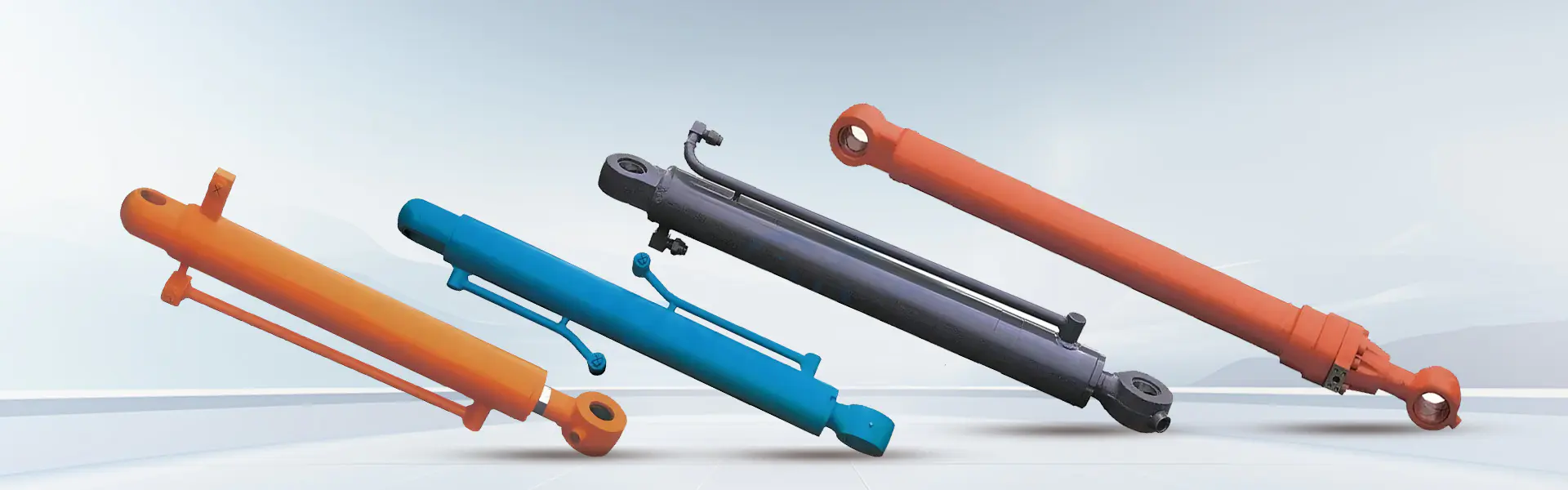
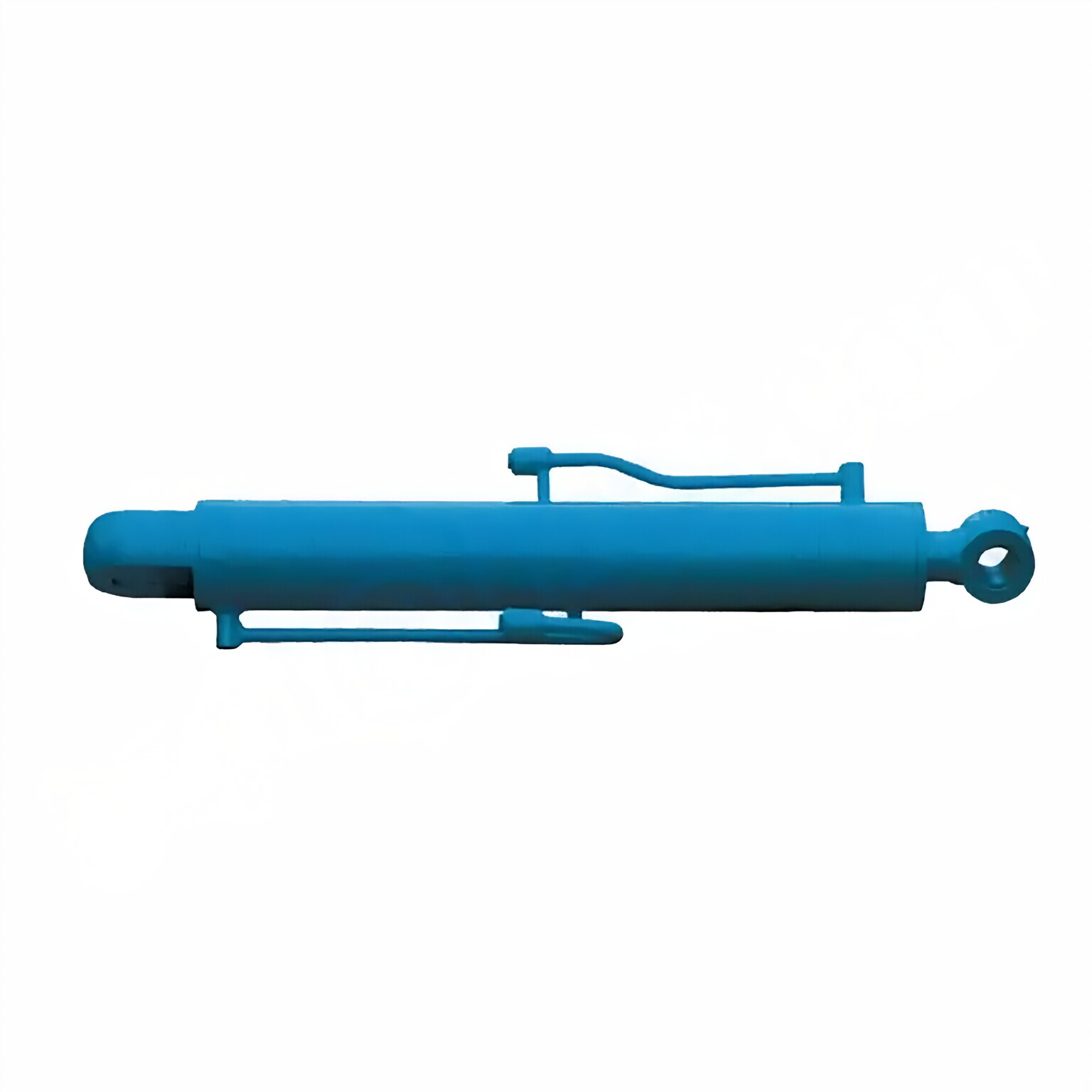
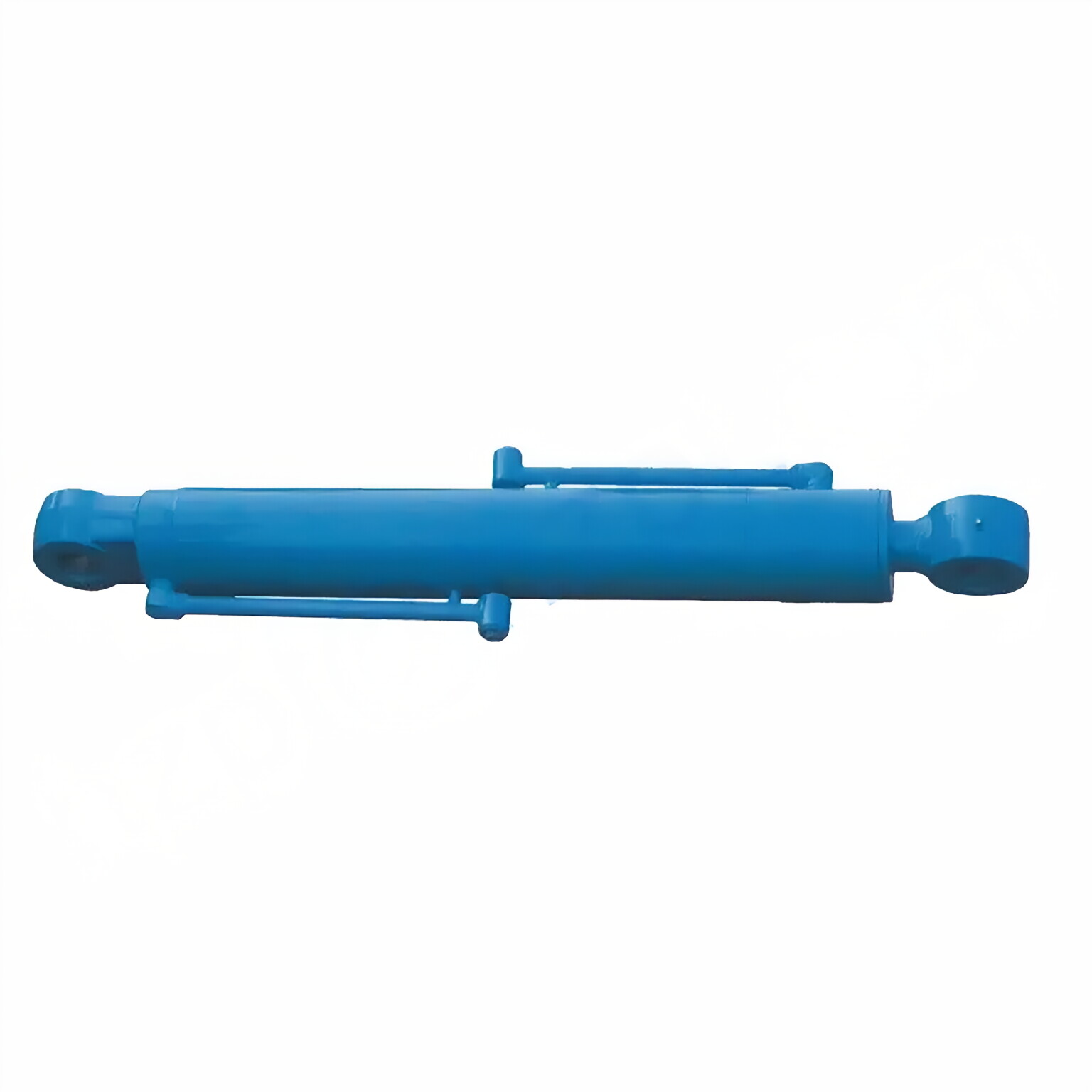
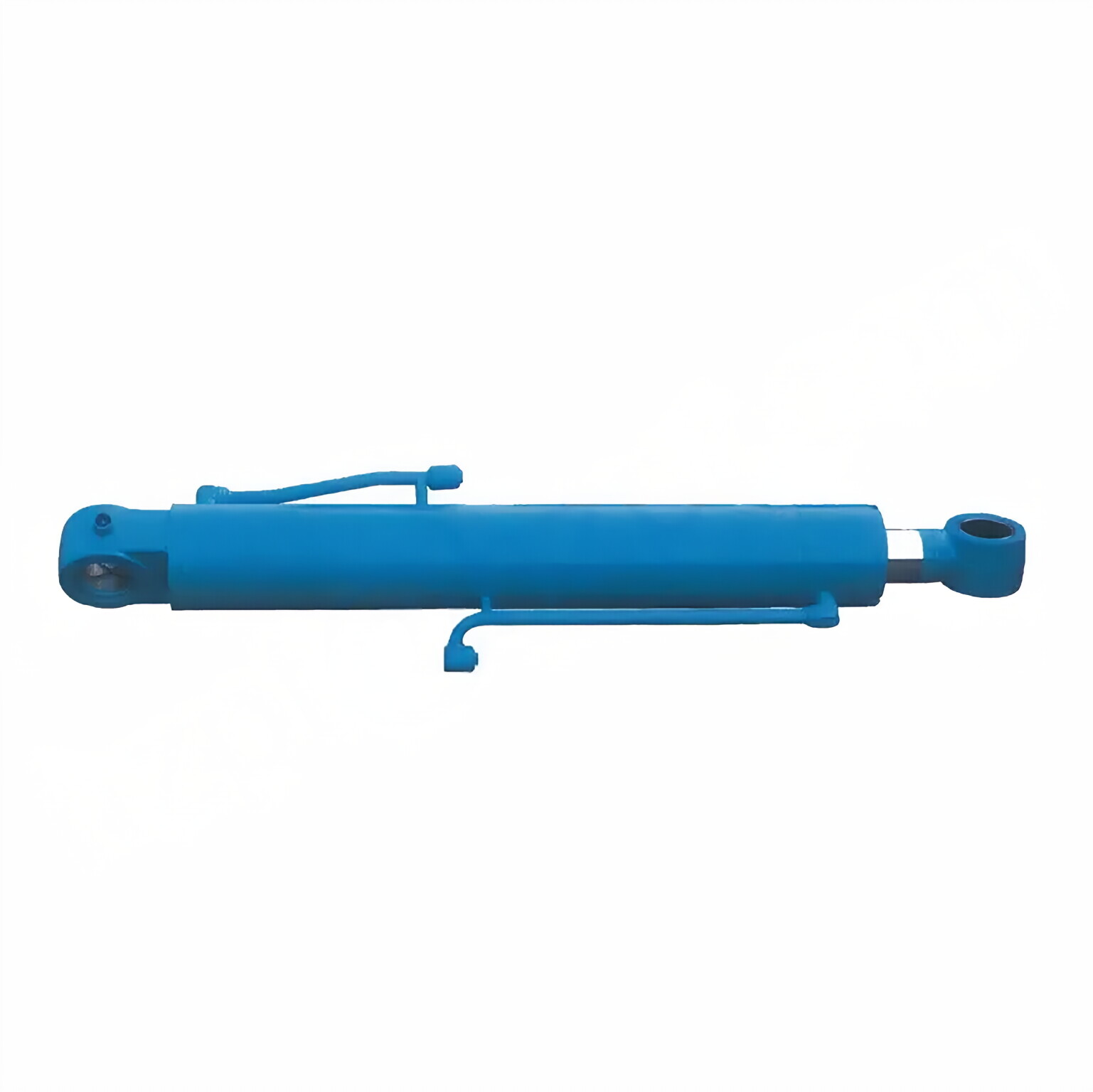
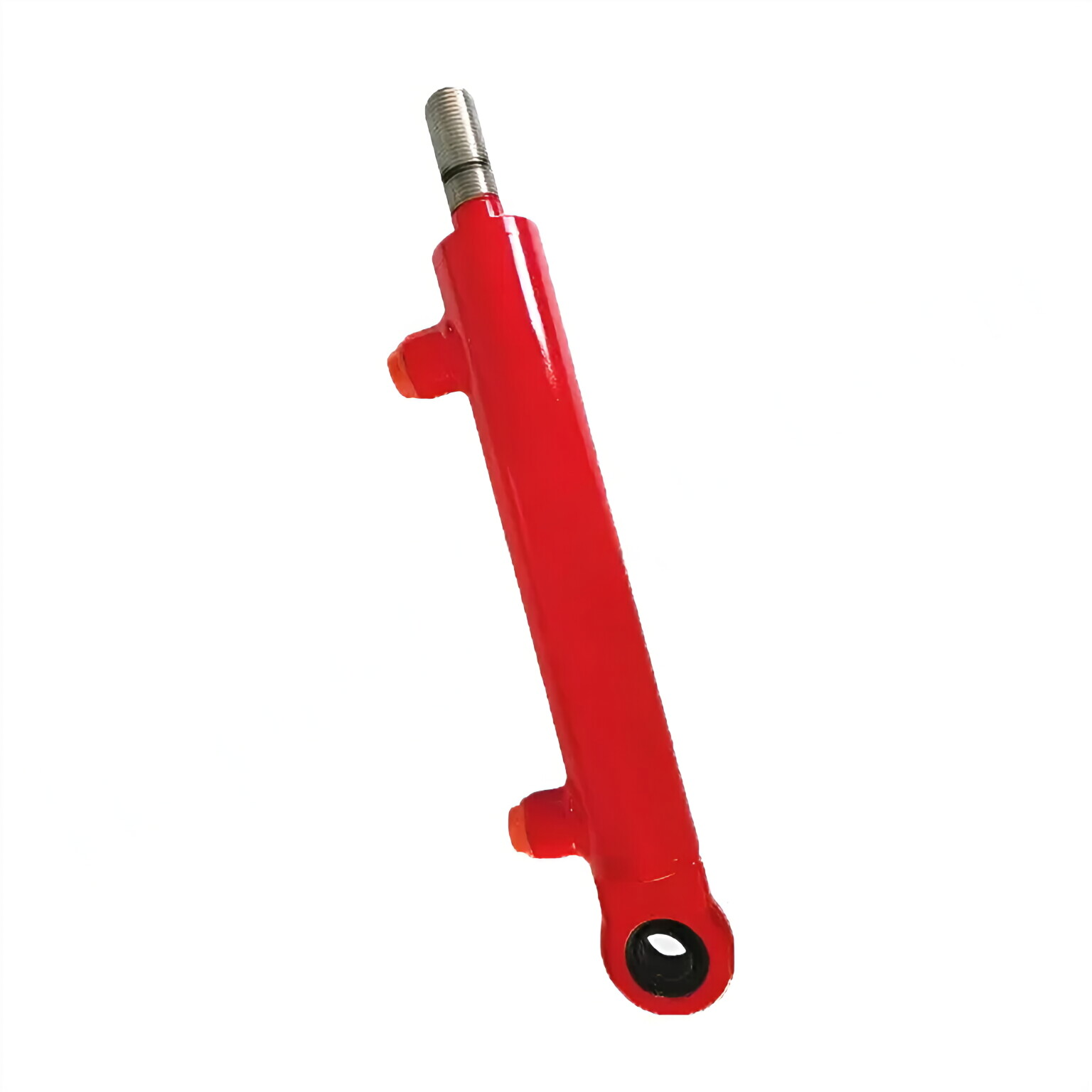
In the demanding world of heavy machinery, the efficiency and reliability of every component are paramount. Boom cylinders are critical hydraulic actuators primarily used in equipment like excavators, cranes, and backhoes. They are responsible for the precise and powerful movement of the machine's boom—the central arm that handles lifting, digging, and placing loads. As the core link between hydraulic power and mechanical motion, a high-performance boom cylinder ensures optimal force transfer, operational smoothness, and durability under extreme pressure and load conditions. At Raydafon Group, we engineer these vital components to meet the highest standards of industrial performance.
Understanding the specifications is crucial for selecting the right cylinder for your application. Below are the detailed parameters that define our product line.
| Model Series | Bore (mm) | Max Pressure (Bar) | Standard Stroke Range | Primary Mounting | Typical Application |
|---|---|---|---|---|---|
| Raydafon BC-200 | 80 - 120 | 250 | 500 - 1200 mm | Clevis | Medium Excavators, Loaders |
| Raydafon BC-350 Heavy Duty | 140 - 180 | 300 | 800 - 2000 mm | Trunnion | Large Excavators, Forestry Cranes |
| Raydafon BC-500 XPR | 200 - 300 | 350 | 1000 - 3000+ mm | Flange | Mining Shovels, Piling Rigs |
| Raydafon BC-100 Compact | 50 - 70 | 210 | 100 - 600 mm | Lug | Compact Track Loaders, Telehandlers |
A: The most frequent indicators include visible hydraulic fluid leaks around the rod seal or gland, a phenomenon known as "drift" where the boom slowly drops or sags under load when not in use, jerky or uneven movement during operation, and scoring or pitting on the chrome surface of the piston rod. Any of these symptoms suggest immediate inspection is required to prevent further damage to the cylinder or the hydraulic system.
A: Preventive maintenance is key. We recommend a visual inspection for leaks and rod damage daily or before each shift. A more thorough inspection of seals, mounts, and fluid condition should be conducted every 500 operating hours. Complete resealing and preventive overhaul are generally advised between 5,000 to 10,000 service hours, depending on the operating intensity and environment. Always refer to the specific maintenance manual for your Raydafon cylinder model.
A: While physical interchangeability is sometimes possible, OEM matching is highly recommended for performance and safety. Boom cylinders are engineered as part of a complete hydraulic system. Using a non-specified cylinder can lead to mismatches in port size, stroke length, mounting geometry, pressure rating, and flow characteristics. Raydafon Group provides direct OEM replacements and custom-engineered solutions that guarantee perfect fitment, optimal performance, and maintain your equipment's warranty.
A> Raydafon cylinders are built for endurance from the ground up. Our durability stems from several factors: the use of aerospace-grade steel alloys for tubes and rods, a proprietary multi-stage chrome plating process for the piston rod that dramatically increases corrosion and wear resistance, computer-aided design of porting for smoother fluid dynamics and reduced stress, and the use of premium international brand seal kits designed for high temperature and contamination resistance. Each cylinder undergoes rigorous pressure and cycle testing before shipment.
A> Absolutely. Raydafon Group specializes in engineering custom hydraulic solutions. We can design and manufacture boom cylinders to meet unique specifications regarding bore, stroke, mounting style, port configuration, and integrated sensor placement (for position feedback). Our engineering team works directly with clients to analyze requirements and deliver a cylinder that integrates perfectly into specialized applications, from demolition robots to offshore equipment.
A> For boom applications, welded construction is almost universally standard and recommended. Welded cylinders, like those from Raydafon Group, offer a more compact and robust design with a higher strength-to-weight ratio. They are better sealed against external contamination, have fewer parts that can loosen under vibration, and are more suitable for the high pressures and dynamic loads experienced in boom movement. Tie-rod cylinders are typically used in industrial settings with lower pressure and less strenuous side-load conditions.
The reliability of a boom cylinder is forged in its design and manufacturing process. Raydafon Group employs state-of-the-art CNC machining centers to achieve micron-level tolerances on all critical components. Our advanced automated welding systems ensure deep, consistent, and flawless welds on cylinder heads and bases. The tube honing process creates an ideal surface finish for seal longevity and efficient piston movement. Every assembly is conducted in a controlled, clean environment, and each unit is subjected to a final test where it is cycled and held under peak pressure to verify zero internal and external leakage. This end-to-end control over quality allows us to stand behind every cylinder that bears the Raydafon name, providing our partners with components that maximize uptime and productivity on job sites worldwide.
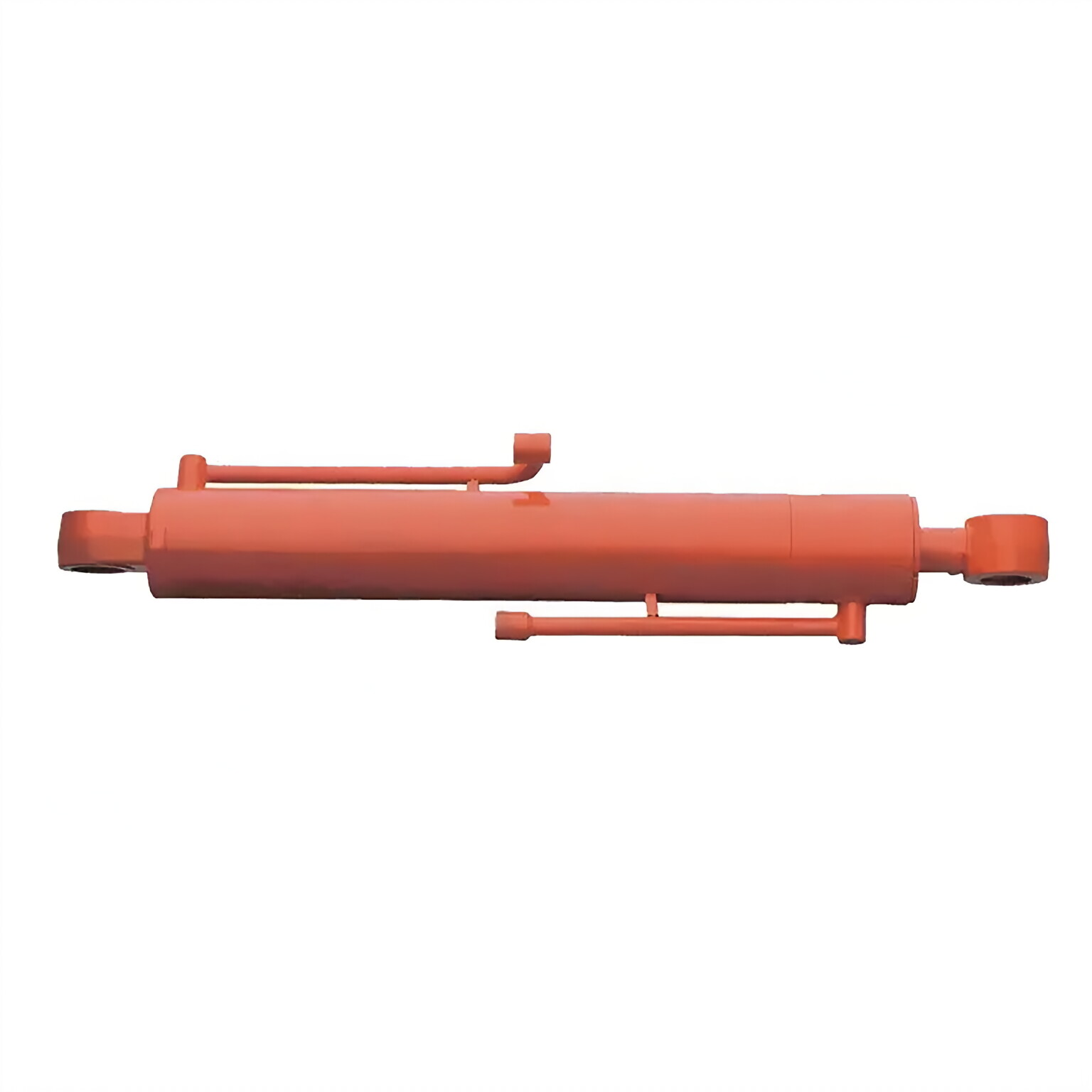
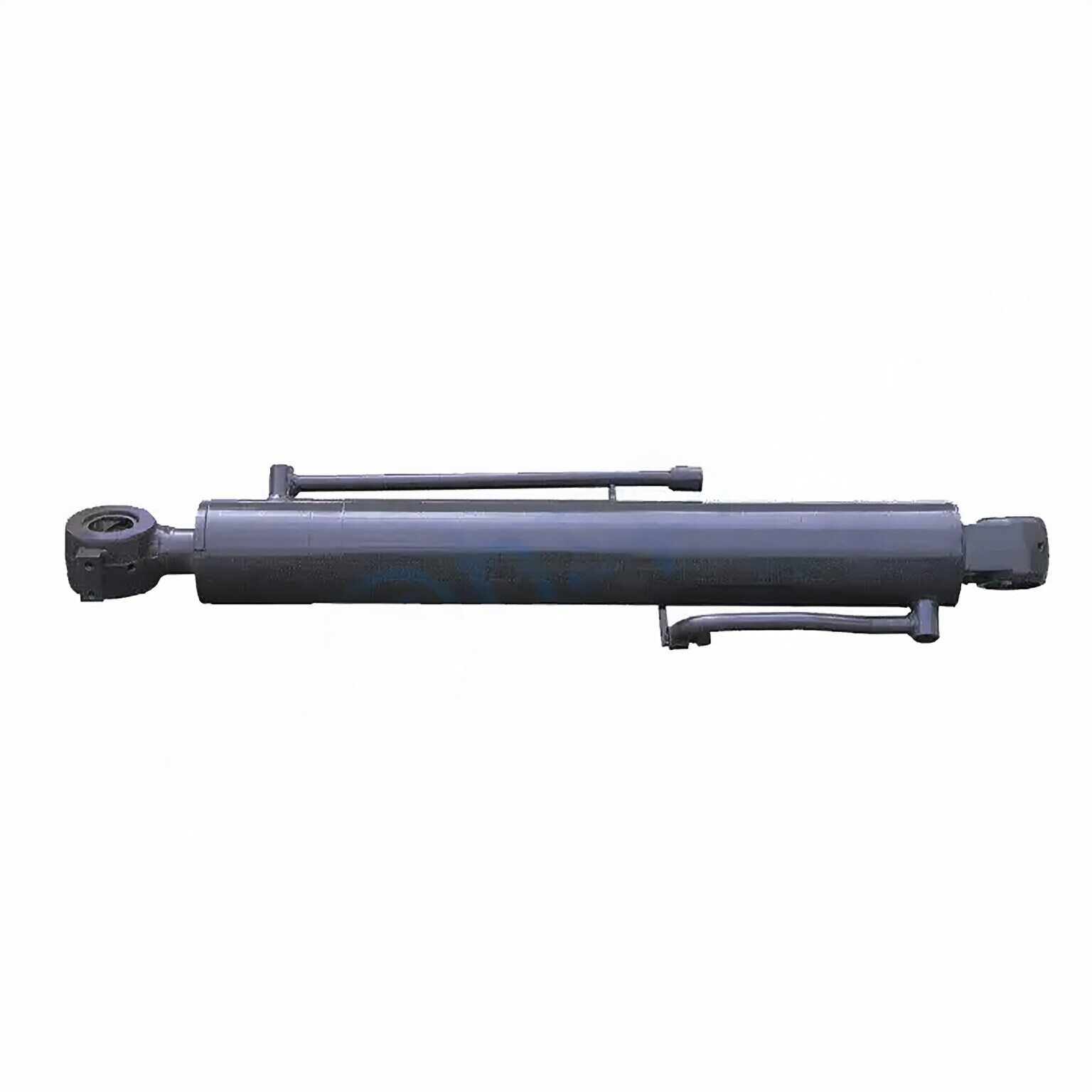
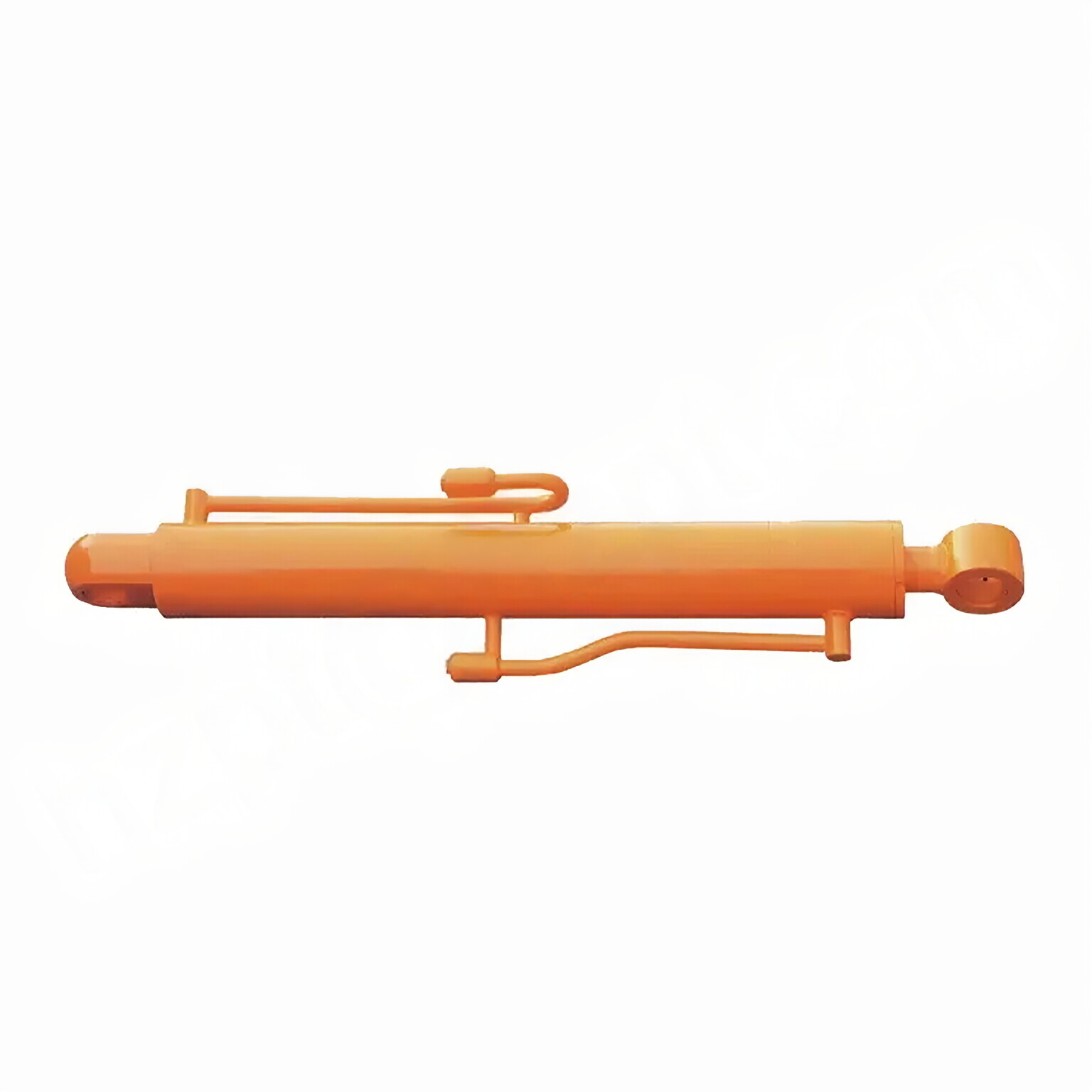

 Raydafon