
In the demanding world of industrial machinery and power transmission, the reliability of every component is paramount. Among these, chains play a critical role in transferring power, conveying materials, and performing precise mechanical movements. Engineering Chains represent the pinnacle of this technology, designed for applications where failure is not an option. These are not simple links of metal; they are precision-engineered systems built to withstand extreme loads, harsh environments, and continuous operation. For industries ranging from mining and agriculture to manufacturing and logistics, selecting the correct engineering chain is a decision that directly impacts productivity, safety, and operational costs. Raydafon Group has been at the forefront of this field, developing and manufacturing chains that set the global standard for performance and durability. This guide delves into the specifications, selection criteria, and advanced features that define modern engineering chains, providing the detailed information needed for optimal system design and maintenance.
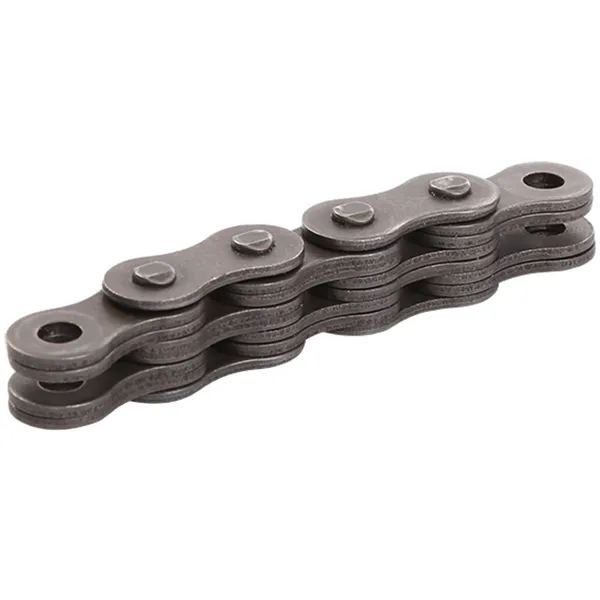
Engineering chains are heavy-duty chains specifically designed for power transmission and conveying tasks in industrial settings. Unlike simpler chains, they are manufactured to precise tolerances using high-grade materials and specialized heat treatments. Their primary function is to transmit power between two or more shafts (power transmission) or to move objects along a predetermined path (conveying). Key characteristics include high tensile strength, exceptional wear resistance, and the ability to operate under significant tension and shock loads. The design often incorporates features like larger pitch sizes, robust link plates, and specially hardened components to extend service life in abrasive or corrosive conditions. Raydafon Group's engineering chains are developed with a deep understanding of these mechanical stresses, ensuring they deliver consistent performance where it matters most.
Understanding the technical parameters of an engineering chain is essential for correct application and longevity. Below is a detailed breakdown of the core specifications that define Raydafon Group's product lines.
The following tables provide a comparative overview of standard series offered by Raydafon Group.
| Chain Number | Pitch (Inches/mm) | Roller Diameter (Inches/mm) | Minimum Ultimate Tensile Strength (lbs/kN) | Average Weight per ft (lbs/kg per m) | Typical Application |
|---|---|---|---|---|---|
| ANSI 60 | 0.750" / 19.05mm | 0.400" / 10.16mm | 6,400 lbs / 28.5 kN | 0.65 lbs/ft / 0.97 kg/m | General industrial drives, conveyors |
| ANSI 80 | 1.000" / 25.40mm | 0.500" / 12.70mm | 12,500 lbs / 55.6 kN | 1.15 lbs/ft / 1.71 kg/m | Agricultural machinery, wood processors |
| ANSI 100 | 1.250" / 31.75mm | 0.625" / 15.88mm | 19,000 lbs / 84.5 kN | 1.80 lbs/ft / 2.68 kg/m | Mining conveyors, large industrial drives |
| ANSI 120 | 1.500" / 38.10mm | 0.750" / 19.05mm | 28,000 lbs / 124.6 kN | 2.60 lbs/ft / 3.87 kg/m | Heavy-duty material handling, escalators | ANSI 140 | 1.750" / 44.45mm | 0.875" / 22.23mm | 38,000 lbs / 169.1 kN | 3.60 lbs/ft / 5.36 kg/m | Extreme-duty applications, large bucket elevators |
| Chain Type | Key Feature | Advantage | Raydafon Series Code |
|---|---|---|---|
| Stainless Steel Chain | Manufactured from AISI 304 or 316 stainless steel. | Superior corrosion resistance for food, chemical, and marine environments. | RD-SS Series |
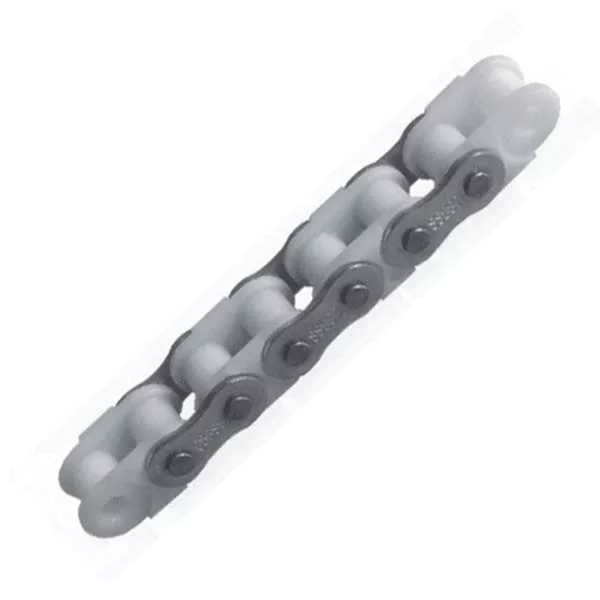
| Self-Lubricating Chain | Bushings impregnated with lubricant or fitted with oil reservoirs. | Reduces maintenance frequency, ideal for inaccessible or clean environments. | RD-LubeFree Series |
| Attachment Chain | Standard chain with extended pins or added side plates for fitting attachments. | Enables direct mounting of flights, buckets, or other components for conveying. | RD-AT Series |
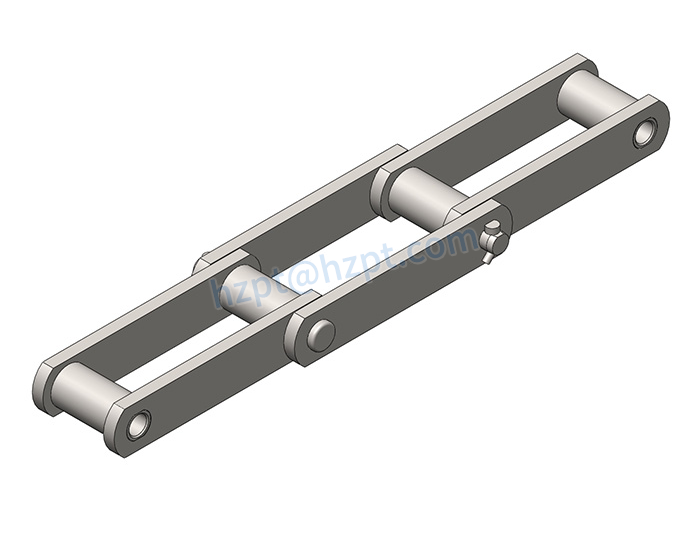
| Heavy-Duty Offset Sidebar | Constructed with offset sidebar (sometimes called "cranked link") design. | Provides higher strength-to-weight ratio and better articulation under load. | RD-OS Series | Extended Pitch Conveyor Chain | Increased pitch length (typically 2.5" to 6.0" and beyond) between pins. | Optimized for slow-speed, high-load conveying of bulk materials. | RD-EPC Series |
Selecting the correct chain involves more than matching a catalog number. It requires a systematic analysis of the application's demands. Follow this step-by-step guide to ensure optimal selection.
Q: What is the main difference between a standard roller chain and an engineering class chain?
A: While both may look similar, engineering chains are built to higher specifications. They use superior materials (alloy steels), undergo more rigorous heat treatments (like carburizing), and are manufactured to tighter tolerances. This results in significantly higher tensile strength, greater wear resistance, and longer fatigue life under heavy loads and continuous operation, making them suitable for critical industrial applications.
Q: How often should I lubricate my engineering chain, and what type of lubricant should I use?
A: Lubrication frequency depends on operating speed, load, and environment. A general rule for continuous operation is to lubricate every 8 hours. For high-speed or dirty environments, more frequent lubrication may be necessary. Use a high-quality, adhesive chain oil designed for heavy-duty industrial use. The oil should penetrate to the pin/bushing interface. In food-grade or dusty environments, a dry film or food-grade lubricant may be specified. Raydafon Group provides specific lubrication guidelines for each chain series.
Q: My chain is experiencing rapid wear. What are the most common causes?
A: Rapid wear typically stems from a few key issues: Inadequate Lubrication: This is the leading cause, leading to metal-on-metal contact and accelerated wear. Misalignment: Sprockets that are not aligned parallel to each other cause uneven load on the side plates and rollers. Overloading: Operating beyond the chain's rated capacity. Abrasive Contamination: Dust, grit, or other abrasives entering the chain joints act like grinding paste. Chemical or Corrosive Attack: Exposure to acids, alkalis, or saltwater without appropriate chain material or coating.
Q: Can I connect two strands of engineering chain together to make a longer one?
A: Yes, chains are connected using a connecting link (also called a master link). However, it is crucial to use the manufacturer-specified connecting link for your chain type and size. Using a mismatched or inferior connecting link creates a weak point that can fail. For high-speed or high-load applications, some engineers prefer to use a continuous chain without a connecting link, or they specify a special heavy-duty connecting link offered by manufacturers like Raydafon Group.
Q: What does the "Pitch" of a chain mean, and why is it important?
A: The pitch is the distance between the centers of two adjacent pins. It is the single most critical dimension in a chain drive or conveyor system. The pitch must match exactly the pitch of the sprockets it runs on. An incorrect pitch will cause improper meshing, excessive noise, rapid sprocket wear, and potential chain failure. Standard pitches are defined in inches (ANSI) or millimeters (ISO).
Q: When should I consider using a stainless steel engineering chain?
A: Stainless steel chains from Raydafon Group's RD-SS Series are essential in environments where corrosion resistance is a priority. This includes: Food and beverage processing (where washdowns with caustic cleaners are common), Chemical processing plants, Marine and offshore applications, Pharmaceutical manufacturing, and Outdoor applications with high humidity or salt spray. While strong, stainless steel may have slightly different strength ratings than alloy steel, so selection must be based on the appropriate load tables.
Q: How can I tell if my engineering chain needs to be replaced?
A: Regular inspection is key. Replace the chain if you observe: Elongation: Measure over several pitches. If the elongation exceeds 3% of the original length (1.5% for precision drives), replacement is due. Visible Damage: Cracks in link plates, severe corrosion, or damaged rollers. Stiff Links: Links that do not pivot freely indicate internal wear or corrosion. Hooks or Deformation: Any bending or distortion of the link plates. Proactive replacement based on wear measurement is more cost-effective than waiting for a catastrophic failure.
Q: What is the benefit of using a self-lubricating chain from Raydafon's RD-LubeFree series?
A: Self-lubricating chains incorporate lubricant within the bushings or have sealed grease reservoirs. The primary benefits are: Reduced Maintenance: Eliminates or greatly extends intervals between manual lubrication. Clean Operation: Prevents lubricant drip or contamination, critical in food, packaging, textile, or cleanroom environments. Reliability in Inaccessible Areas: Perfect for enclosed drives or hard-to-reach locations. They are ideal for applications where traditional lubrication is impractical but where high wear resistance is still required.

 Raydafon