
In the demanding world of industrial machinery, construction, and heavy equipment, reliable power transmission is non-negotiable. Hydraulic Systems & Accessories form the lifeblood of countless applications, converting mechanical power into fluid power to generate immense force with precise control. At Raydafon Group, we engineer and supply a comprehensive range of high-performance hydraulic components and system solutions built for durability, efficiency, and peak performance. Our commitment extends beyond parts; we provide the technological backbone for industries that keep the world moving.
The core principle of hydraulics is based on Pascal's law, allowing force to be multiplied and transmitted efficiently through an incompressible fluid. A typical system comprises several key components, each playing a critical role. Understanding these components and their specifications is crucial for selecting the right solution for your specific pressure, flow, and environmental requirements.
Raydafon Group's portfolio is designed to meet the rigorous demands of various sectors, including agriculture, mining, marine, manufacturing, and mobile hydraulics. Below is a detailed overview of our primary product categories and their key parameters.
As the heart of any system, our pumps convert mechanical energy into hydraulic energy, while our motors perform the reverse, driving mechanical components.
Valves are the nervous system, directing and regulating the flow and pressure of the hydraulic fluid to control actuator speed, direction, and force.
| Valve Type | Primary Function | Key Specifications (Raydafon Group) | Typical Port Sizes |
|---|---|---|---|
| Directional Control Valves | Directs fluid flow to actuators (cylinders, motors). | Spool type (4/3, 4/2, etc.), actuation (solenoid, manual, pilot), max flow rate (20 - 600 L/min), pressure rating (up to 350 bar). | NG6, NG10, NG16, NG25, NG32 |
| Pressure Control Valves | Limits or regulates system pressure (relief, reducing, sequence). | Adjustable pressure setting range (5 - 400 bar), pressure override characteristics, integral or cartridge design. | Cartridge (C10-2, etc.), inline ports 1/4" - 1 1/2" |
| Flow Control Valves | Regulates actuator speed by controlling flow rate. | Adjustable flow range, pressure-compensated or non-compensated, temperature stability. | 1/4" - 3/4" NPT, SAE, BSPP |
| Proportional & Servo Valves | Provides precise, electronically controlled flow/pressure. | Hysteresis, linearity, frequency response, integrated electronics (OBE), IP ratings for protection. | NG6, NG10, NG16 |
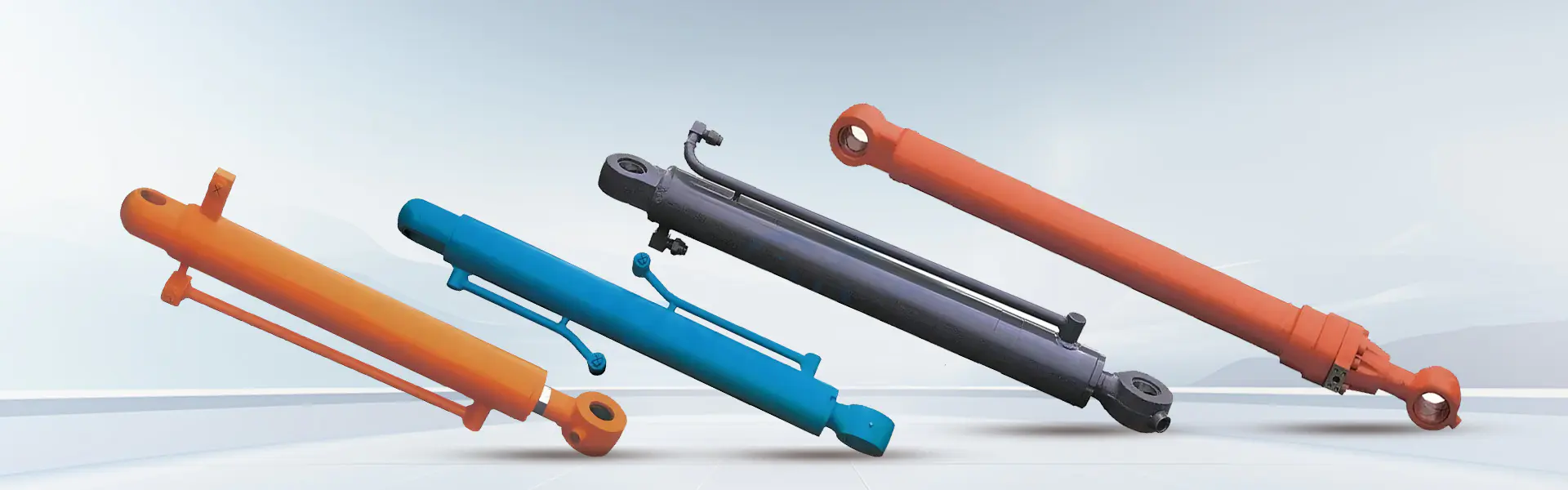
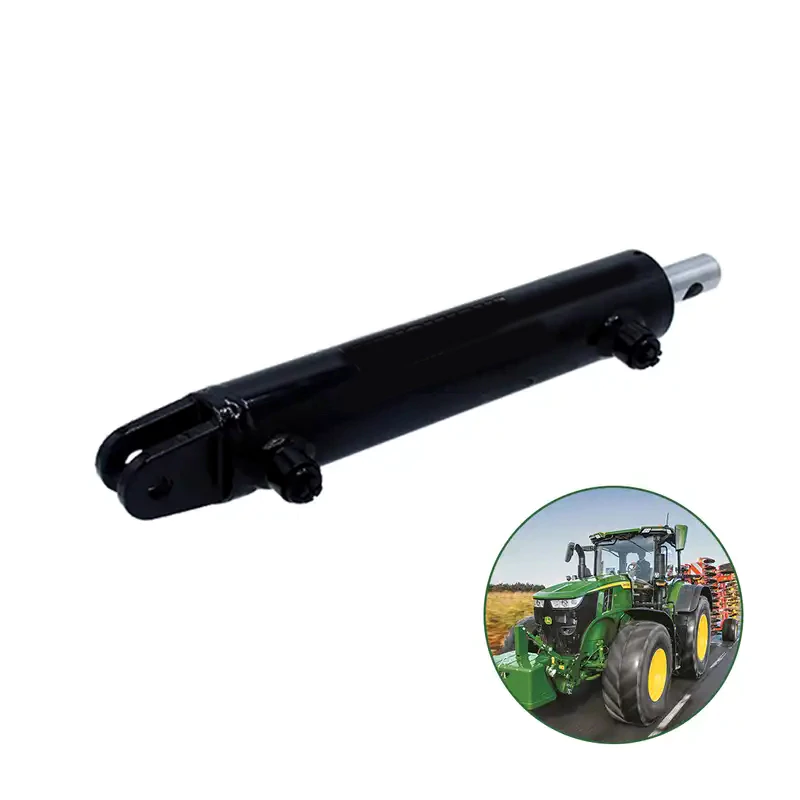
Raydafon Group cylinders transform fluid power back into linear mechanical force and motion. We offer welded and tie-rod designs.
| Parameter | Welded Cylinder Range | Tie-Rod Cylinder Range |
|---|---|---|
| Bore Diameter | 30 mm – 250 mm (1.18" – 9.84") | 25 mm – 400 mm (0.98" – 15.75") |
| Rod Diameter | Standard & custom based on column load | Standard & custom based on column load |
| Stroke Length | Up to 3,000 mm (118") standard; longer custom. | Up to 6,000 mm (236") standard; longer custom. |
| Pressure Rating | Up to 250 bar (3,625 psi) standard; higher on request. | Up to 210 bar (3,045 psi) for NFPA standards; custom high-pressure. |
| Mounting Styles | Flange, foot, clevis, trunnion, spherical bearing. | NFPA & European standard mountings (front/rear flange, foot, etc.) |
System reliability depends on high-quality supporting components. Raydafon Group ensures every link in the chain is robust.
What are the key benefits of using hydraulic systems over other power transmission methods like electric or pneumatic?
Hydraulic systems excel in applications requiring high power density, meaning they can generate tremendous force from a relatively compact package. They offer precise control over force, speed, and position, even under varying loads. Hydraulics are inherently durable and can operate in harsh environments (dust, moisture, temperature extremes) where electric systems might fail. They also provide smooth, infinitely variable speed control and excellent overload protection through pressure relief valves.
How do I select the right hydraulic pump for my application?
Pump selection is critical. You must first determine the system's required flow rate (in liters per minute or gallons per minute) to achieve the desired actuator speed, and the maximum operating pressure (in bar or psi) needed to generate the required force. Next, consider the type of prime mover (electric motor, diesel engine) and its speed (RPM). This gives you the necessary displacement (cm³/rev). Finally, factor in the fluid type, expected duty cycle, and required efficiency to choose between gear, vane, or piston pump designs. Raydafon Group engineers can assist with this critical calculation.
What is the importance of filtration in a hydraulic system?
Contamination control is arguably the most important factor for hydraulic system longevity. Over 70% of hydraulic failures are attributed to fluid contamination. Particles as small as 5 microns can cause abrasive wear in pumps, valves, and cylinders, leading to decreased efficiency, component failure, and increased downtime. A proper filtration system with the correct beta (β) rated filters on the suction, pressure, and return lines is essential to maintain fluid cleanliness to the target ISO cleanliness code (e.g., ISO 18/16/13) specified for your system's components.
What are the signs that my hydraulic system needs maintenance or troubleshooting?
Common warning signs include: Unusual noises (cavitation whine, pump knocking), Increased operating temperature beyond normal range, Slow or erratic actuator movement, Loss of power or pressure, Visible fluid leaks at seals or connections, and Discolored or foaming fluid. Regular preventive maintenance, including fluid analysis, filter changes, and visual inspections, is crucial to identify these issues early.
Can I mix different brands or types of hydraulic fluid?
It is strongly discouraged. Different brands and types of hydraulic fluid may use varying additive packages (anti-wear, anti-foam, corrosion inhibitors) and base oils. Mixing incompatible fluids can lead to chemical reactions causing sludge formation, seal degradation, loss of lubrication properties, and filter clogging. Always consult the equipment manufacturer's specifications and, if a change is necessary, perform a complete system flush. Raydafon Group provides clear specifications for our recommended fluid types for optimal performance.
What does "pressure rating" mean for components like hoses and valves?
The pressure rating is the maximum continuous operating pressure the component is designed to safely handle. It is typically given as a "working pressure." Components also have a higher "burst pressure" (usually 4x the working pressure), which is the pressure at which catastrophic failure may occur. It is vital to select all components (pumps, valves, hoses, fittings) with a working pressure rating that exceeds the maximum pressure your system will generate, including any potential pressure spikes. Never exceed the manufacturer's rated pressure.
What support does Raydafon Group offer beyond product supply?
Raydafon Group positions itself as a solutions partner. Our support includes comprehensive technical consulting for system design and component selection, detailed 2D & 3D CAD models for easy integration into your designs, on-site or remote troubleshooting assistance, tailored preventive maintenance schedules, and extensive training resources on hydraulic system operation and maintenance. We are committed to ensuring your systems achieve maximum uptime and productivity.

 Raydafon