
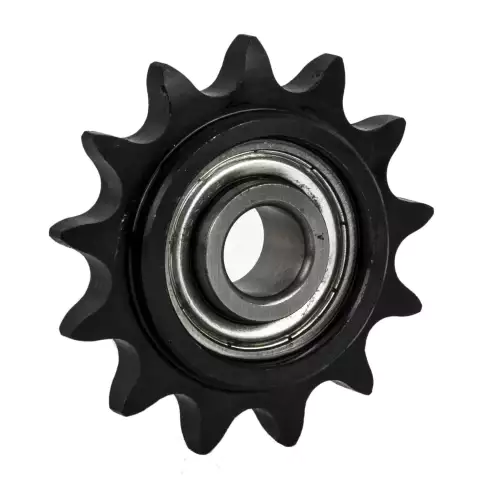
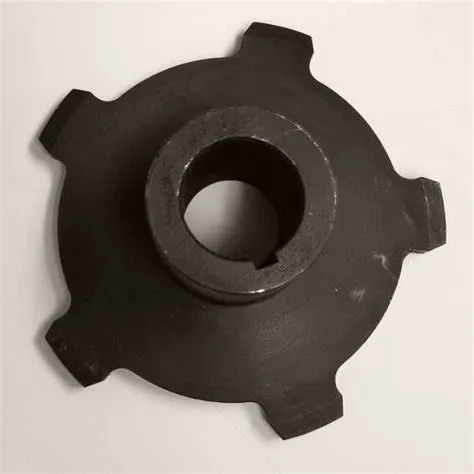
In the world of industrial machinery and power transmission, the smooth and efficient operation of chain drives is paramount. A critical component that often operates behind the scenes to ensure this efficiency is the idler sprocket. At Raydafon Group, we specialize in engineering and manufacturing premium-grade idler sprockets designed for durability, precision, and peak performance in the most demanding applications. This comprehensive guide delves into the function, selection, and technical specifications of our products, helping you make an informed decision for your operational needs.
An idler sprocket, also known as a chain idler or tensioner sprocket, is a free-rotating sprocket that does not transmit power. Its primary functions are to:
Raydafon Group idler sprockets are engineered to perform these functions reliably, reducing wear on chains and other sprockets, minimizing noise, and significantly extending the service life of your entire drive system.
Our product line is characterized by rigorous manufacturing standards, high-quality materials, and versatile design. Below are the detailed parameters that define our standard and custom offerings.
We use only the finest materials to ensure strength and wear resistance:
Selecting the correct idler sprocket requires matching its specifications to your chain and application. Our standard products cover a wide range of ANSI, ISO, and DIN standards.
| Chain Size | Number of Teeth | Bore Diameter Range (mm) | Outside Diameter (OD) Approx. (mm) | Thickness (mm) | Hub Options | Max Static Load Rating (kN) |
|---|---|---|---|---|---|---|
| ANSI #35 | 10, 12, 14, 16 | 12 - 25 | 58 - 85 | 8 | Plain, Fixed Hub, Flanged | 8.5 |
| ANSI #40 | 10, 12, 14, 16, 18 | 15 - 30 | 65 - 105 | 10 | Plain, Fixed Hub, Flanged | 12.2 |
| ANSI #50 | 12, 14, 16, 18, 20 | 20 - 40 | 98 - 150 | 13 | Plain, Fixed Hub, Flanged | 21.3 |
| ANSI #60 | 14, 16, 18, 20, 22 | 25 - 50 | 130 - 195 | 17 | Plain, Fixed Hub, Flanged | 31.1 |
| ANSI #80 | 16, 18, 20, 24 | 35 - 70 | 190 - 275 | 24 | Fixed Hub, Flanged | 55.6 |
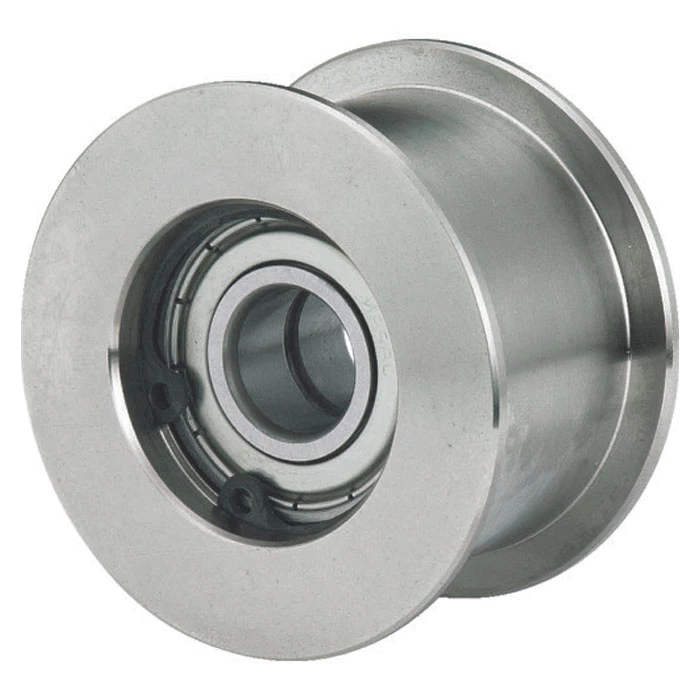
The bearing system is crucial for smooth rotation and long service life. Raydafon offers various configurations:
Q: How do I know if I need to replace an idler sprocket?
A: Regular inspection is key. Signs of wear include hooked or sharply pointed teeth (instead of a rounded profile), visible cracks or chips on the teeth, excessive play or wobble in the bearing, and unusual grinding or squealing noises during operation. If the chain shows accelerated wear, the idler sprocket is often a contributing factor and should be checked.
Q: Can I use any idler sprocket with my chain?
A: No. The idler sprocket must match the chain's pitch (distance between pins), roller diameter, and width precisely. Using an incorrect size will cause rapid wear, noise, and potential chain failure. Always specify the chain standard (e.g., ANSI 40, ISO 08B) when ordering. Raydafon Group catalogs provide clear cross-references to ensure compatibility.
Q: What is the difference between an idler sprocket and a drive sprocket?
A: A drive sprocket is attached to a power source (like a motor shaft) and is the primary component that transmits torque through the chain. An idler sprocket is not connected to a power source; it rotates freely as the chain moves over it, serving only to guide, tension, or support the chain.
Q: Should the idler sprocket be installed on the tight or slack side of the chain?
A: It is almost always recommended to install the idler sprocket on the slack side (the non-load-bearing strand returning to the drive sprocket). Placing it on the tight side (the strand under tension from the drive) puts immense load on the idler's bearing and can lead to premature failure. The slack-side placement effectively takes up slack with minimal force.
Q: How do I select the correct number of teeth for an idler sprocket?
A: For standard tensioning and guiding, a sprocket with fewer teeth (e.g., 10-14 teeth for medium pitches) is often sufficient and more compact. For applications requiring smoother engagement, reduced noise, or increased wrap angle on a smaller drive sprocket, a larger idler (more teeth) is preferable. Raydafon engineers can advise based on your specific drive geometry.
Q: What maintenance do Raydafon idler sprockets with sealed bearings require?
A: Our sealed bearing units are designed for long-life, lubrication-for-life service under normal operating conditions. Primary maintenance involves regular visual and auditory inspections for signs of seal damage, contamination, or bearing wear (noise, roughness). Keep the area free from excessive dirt and debris. For bushings, periodic re-lubrication as per the manufacturer's schedule is necessary.
Q: Can Raydafon Group provide custom idler sprockets for non-standard applications?
A: Absolutely. Our core expertise includes designing and manufacturing custom power transmission components. We can produce idler sprockets with special bore sizes, unique tooth profiles, specific material grades, integrated sensor mounts, special coatings, or any dimension outside our standard range. Provide us with your drawings or specifications for a prompt quote.
Q: Why choose Raydafon Group over other manufacturers?
A: Raydafon Group combines decades of metallurgical expertise with state-of-the-art CNC machining and quality control. Every idler sprocket undergoes dimensional verification and hardness testing. We offer not just a component, but a reliability solution—backed by comprehensive technical support, extensive inventory of standard parts, and a commitment to delivering products that reduce your total cost of ownership through extended service intervals.
Our components are trusted across a diverse spectrum of industries:

 Raydafon