
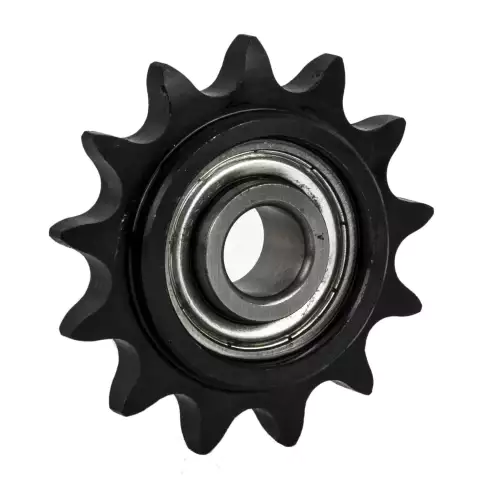
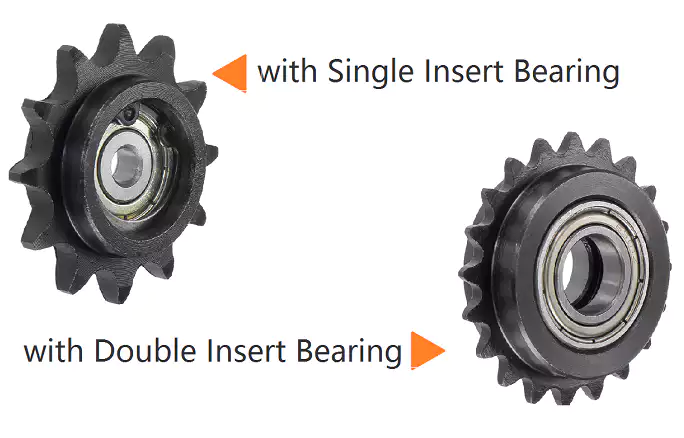
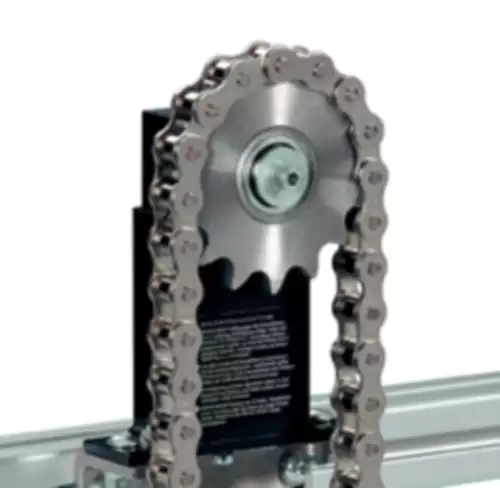
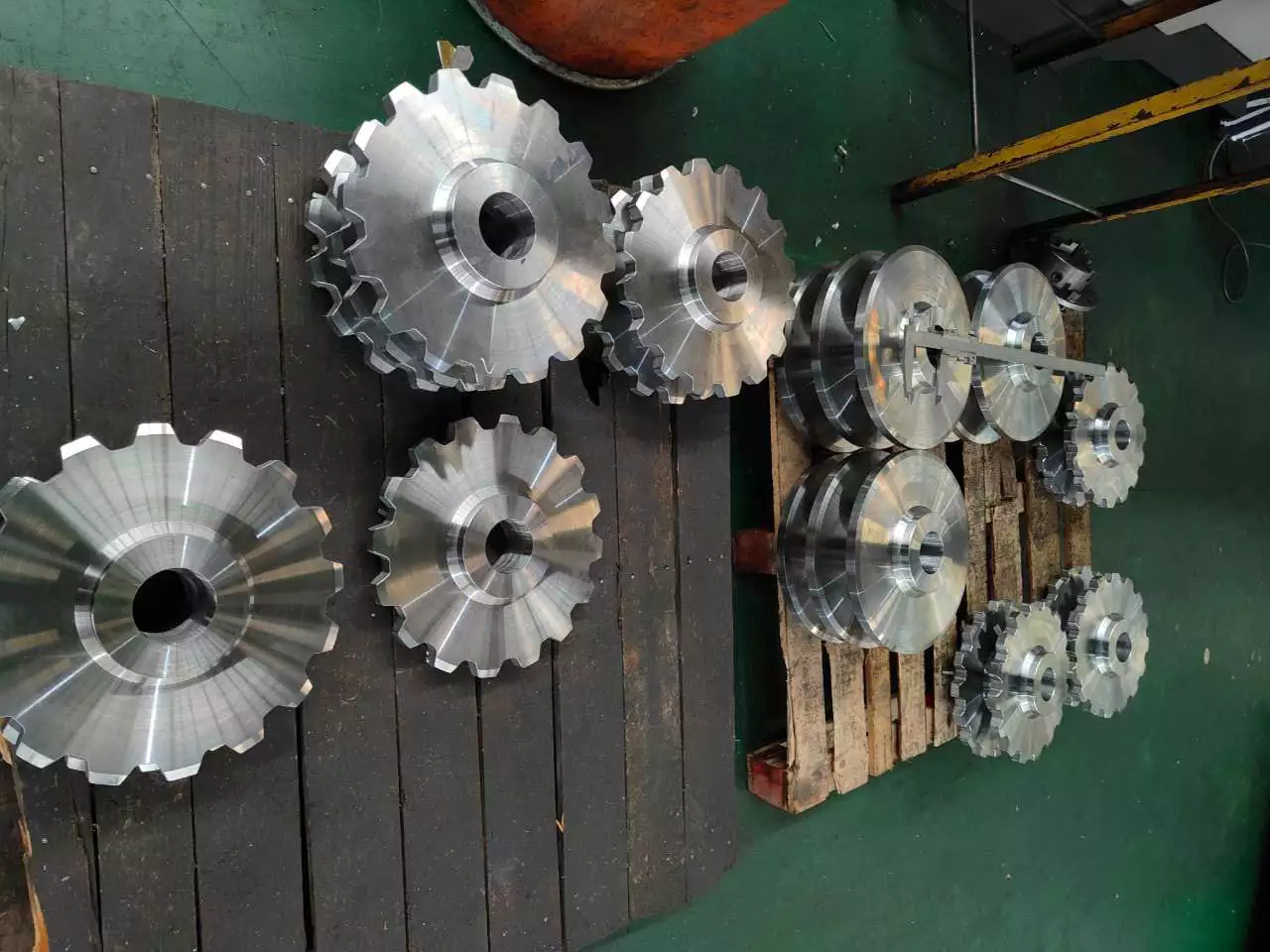
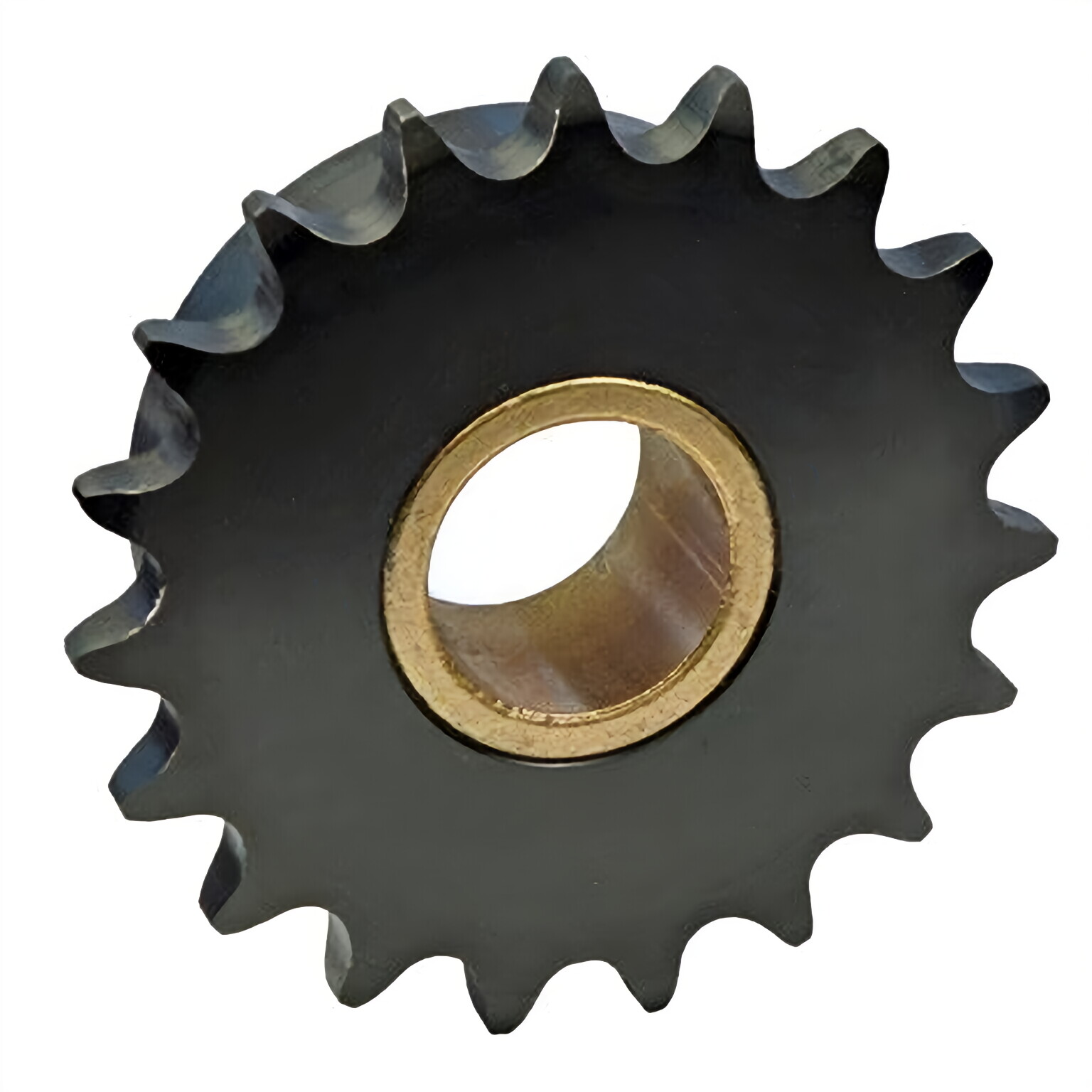
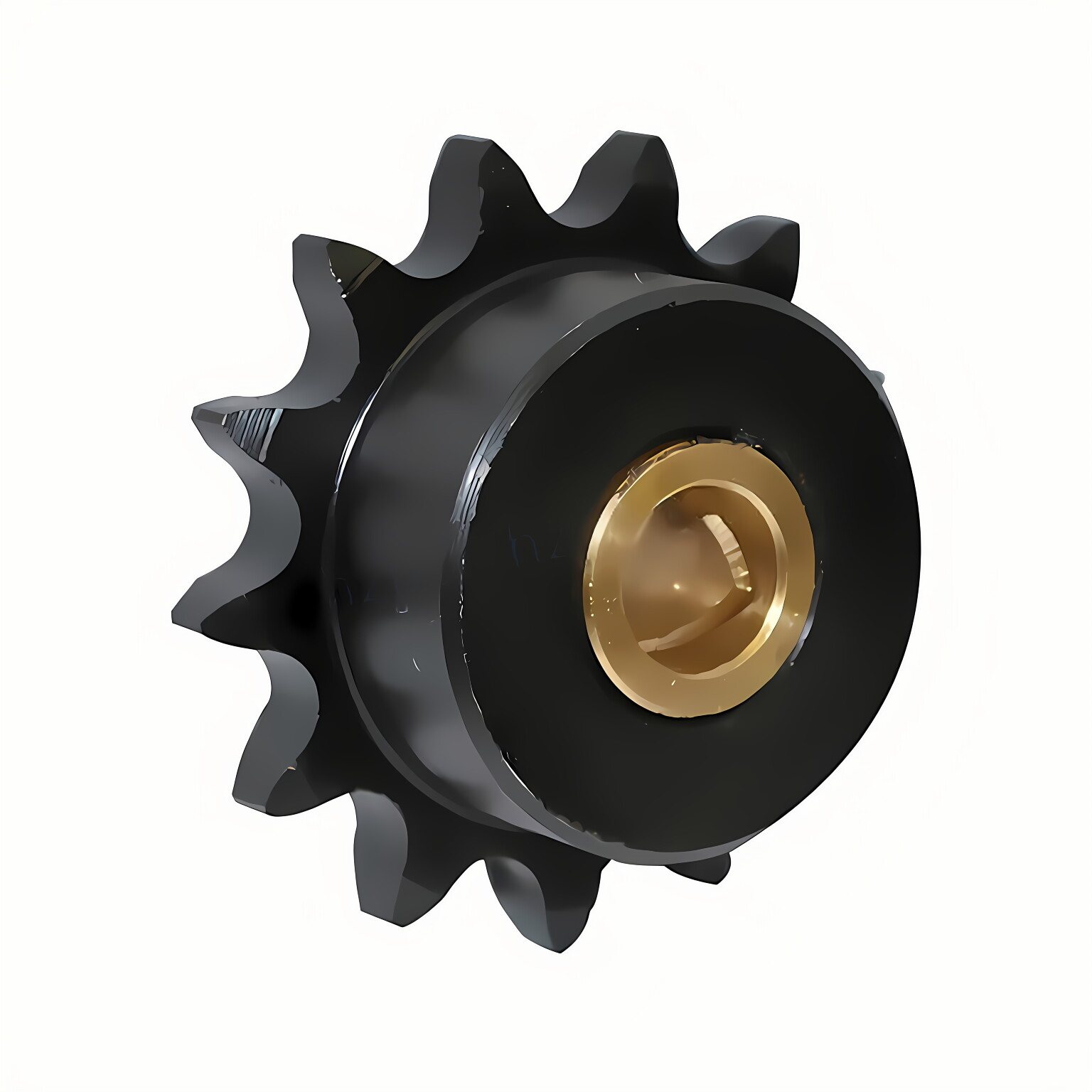
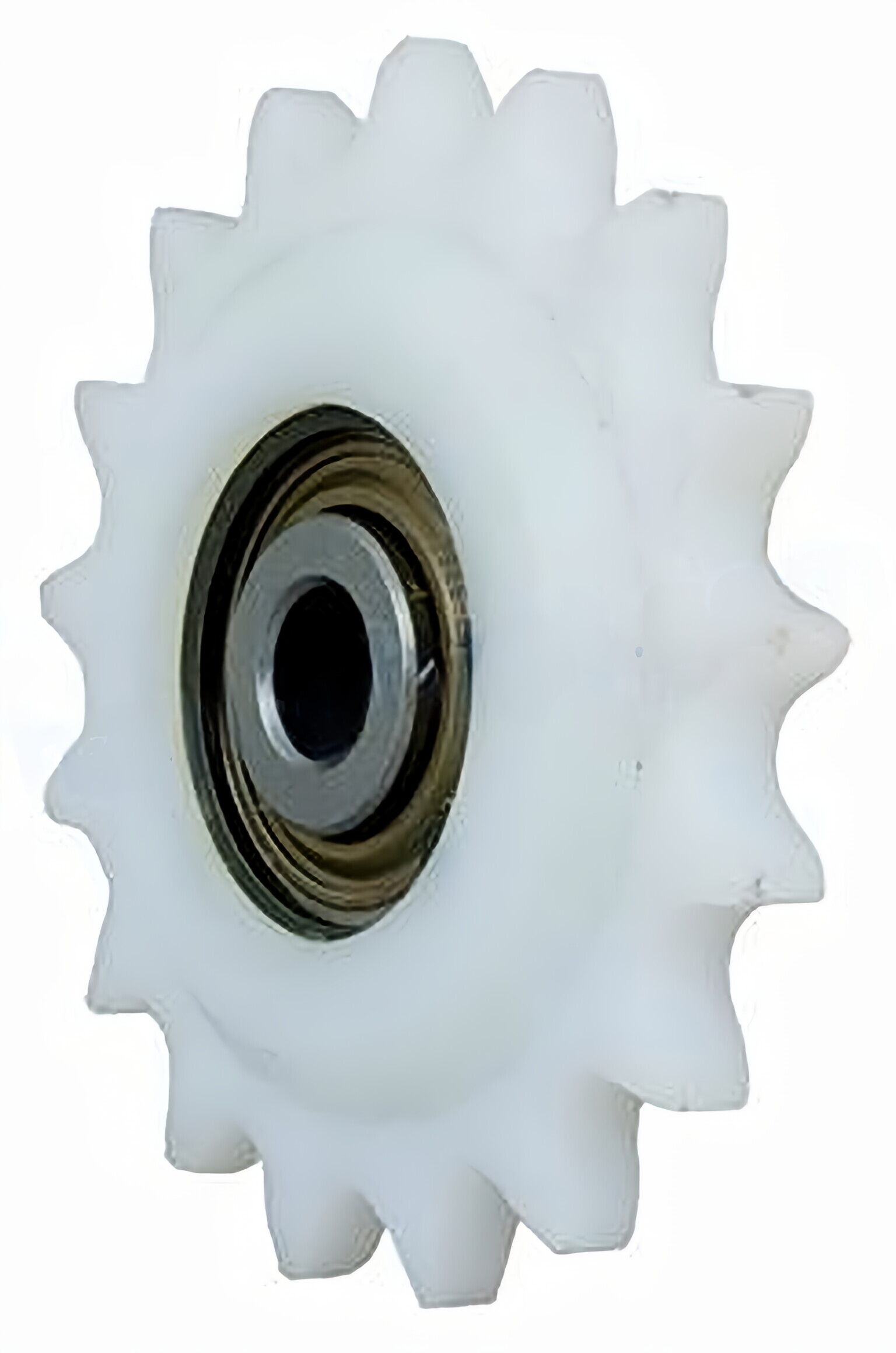
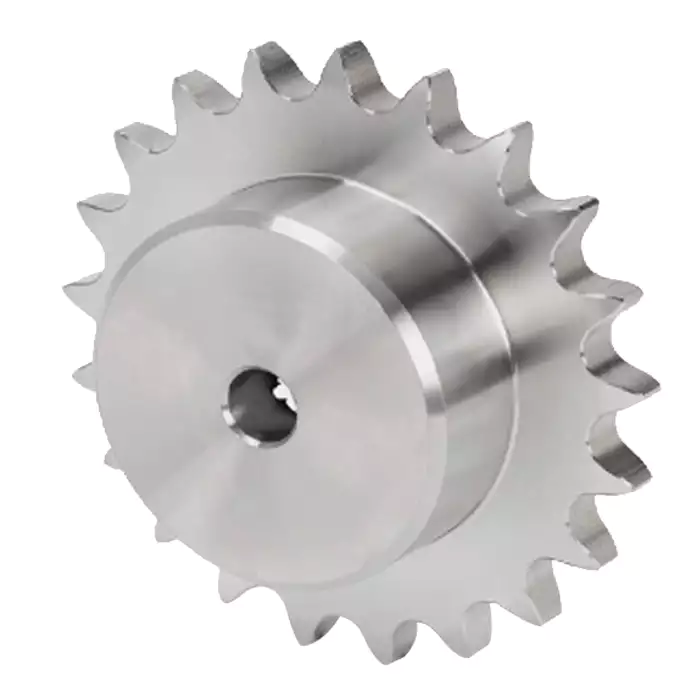
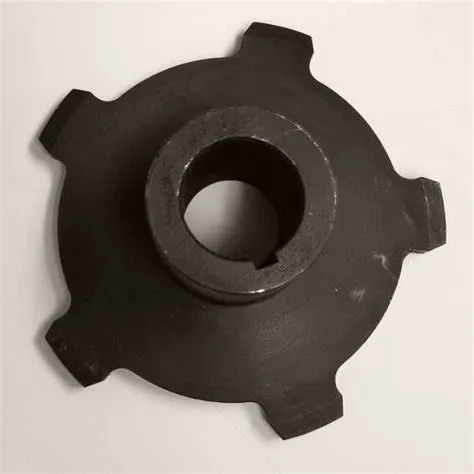
The Idler Sprocket 23T 8??3 is a type of sprocket used in transmission systems. The basic concept, structure, and application of the idler sprocket will be briefly discussed below. Here is an image to help illustrate the different types of idler sprockets:
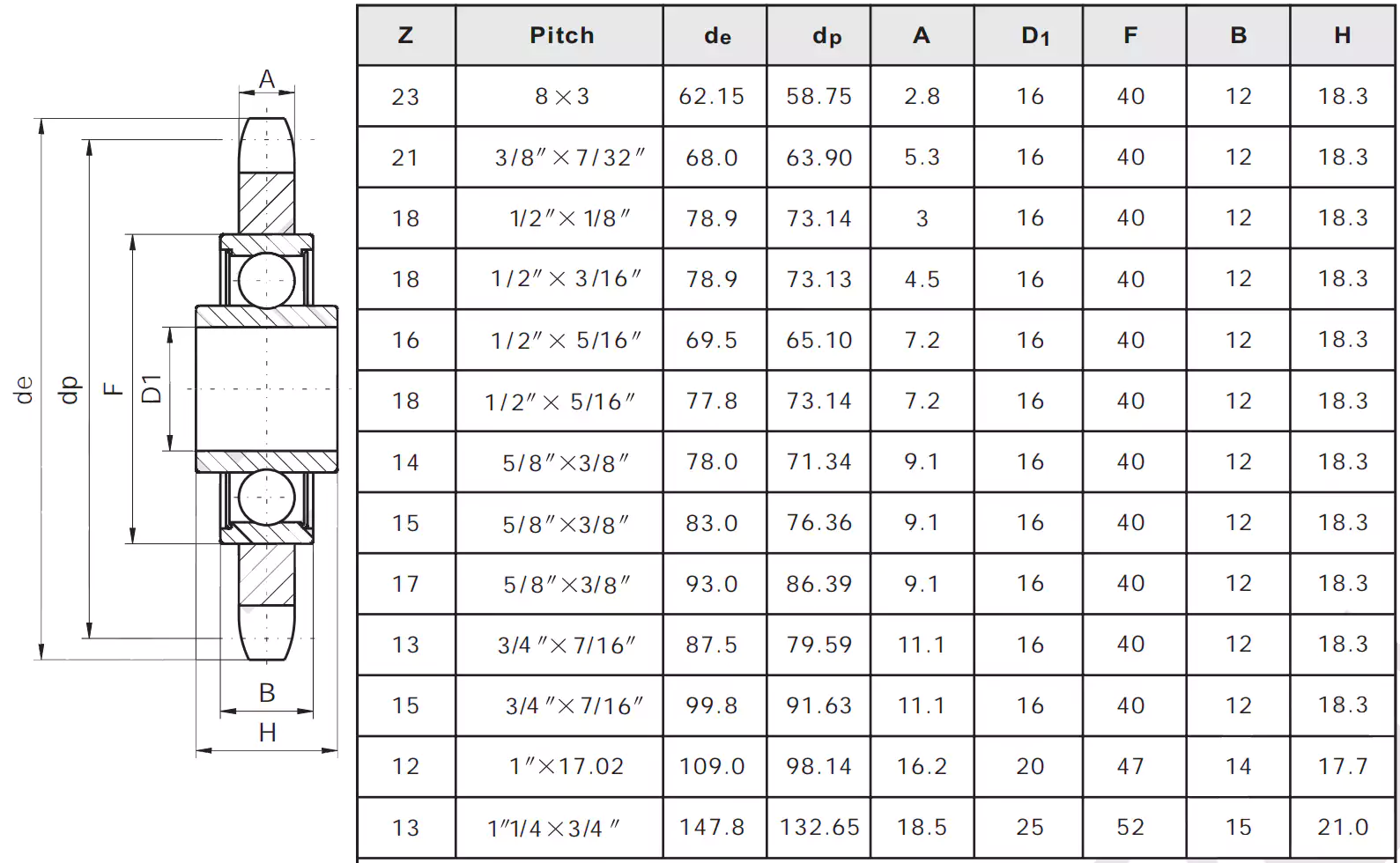
An idler sprocket is a type of sprocket that is used in power transmission systems. The basic structure consists of a sprocket wheel with a bearing in the center that allows it to rotate. The idler sprocket is usually used to maintain tension in the chain and to change the direction of power transmission.
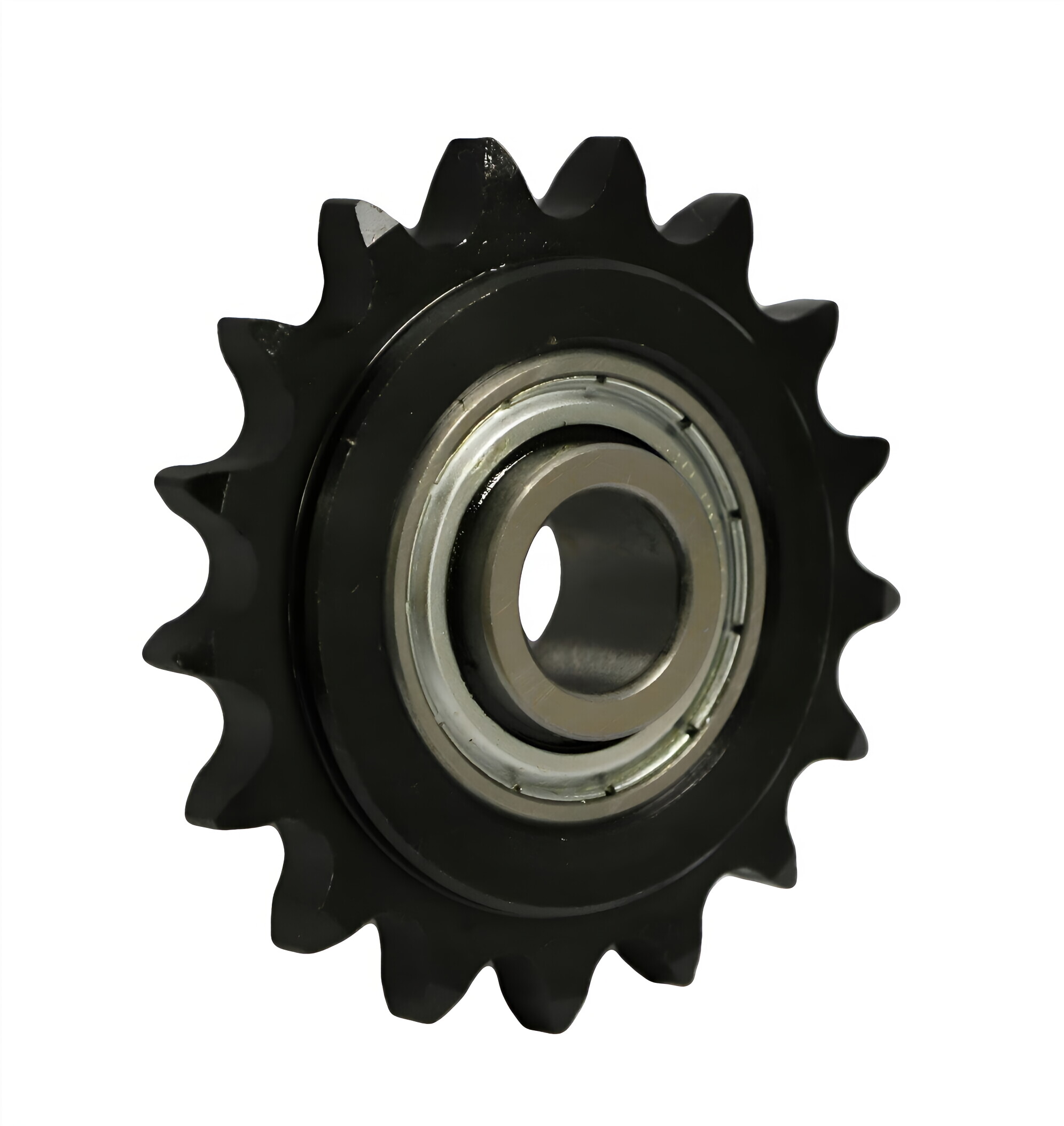
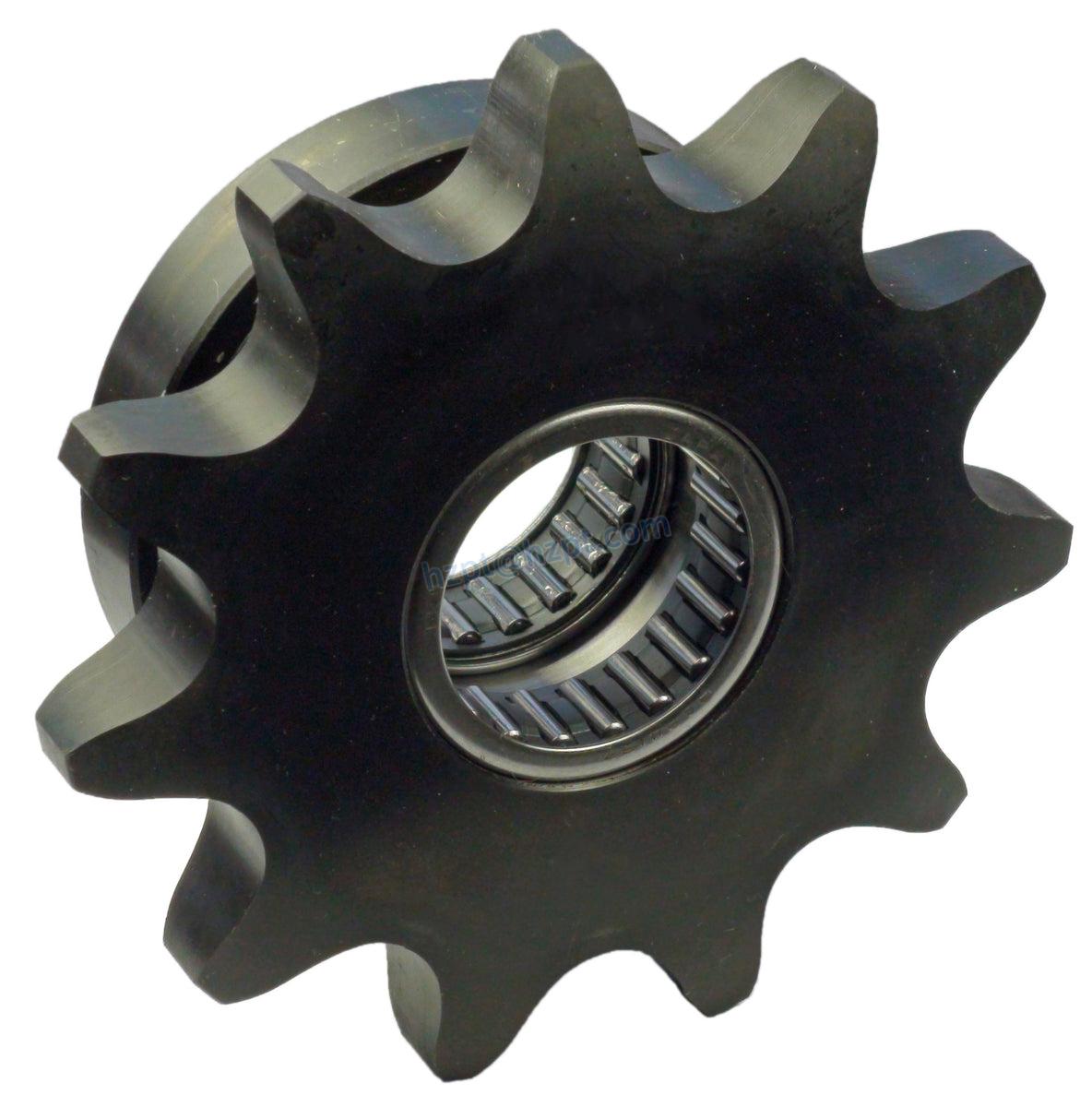
There are different types of idler sprockets, including those with ball bearings, needle bearings, and bushings. The type of idler sprocket used will depend on the specific application.
The working principle of the idler sprocket is relatively simple. It is used to maintain tension in the chain by changing the direction of the chain as it passes over the sprocket. The idler sprocket is usually located between the driver sprocket and the driven sprocket. As power is transmitted through the chain, the idler sprocket rotates, which helps to maintain proper chain tension.
Here is an image of our Idler Sprocket 23T 8??3:
Before installing the idler sprocket, make sure that the chain is free of dirt and debris. Check to ensure that the sprocket teeth are not damaged or worn.
The idler sprocket should be located between the driver sprocket and the driven sprocket. Position the idler sprocket so that the chain is properly tensioned.
Adjust the tension of the chain by moving the idler sprocket. The chain should be tight, but not so tight that it cannot move freely. Use a tension gauge to ensure that the chain tension is within the manufacturer's recommended range.
Finally, check the installation quality of the idler sprocket. Make sure that the sprocket is properly aligned and that there is no abnormal noise or vibration during operation.
An idler sprocket is used to maintain tension in the chain and to change the direction of power transmission.
There are different types of idler sprockets, including those with ball bearings, needle bearings, and bushings.
Adjust the tension of the chain by moving the idler sprocket. The chain should be tight, but not so tight that it cannot move freely. Use a tension gauge to ensure that the chain tension is within the manufacturer's recommended range.
Check the installation quality of the idler sprocket. Make sure that the sprocket is properly aligned and that there is no abnormal noise or vibration during operation.
The lifespan of an idler sprocket depends on several factors, including the quality of the materials used, the manufacturing process, and the operating conditions. With proper installation and maintenance, an idler sprocket can last for many years.
Author: MiyaAddress
Luotuo Industrial Area, Zhenhai District, Ningbo City, China
Tel

 Raydafon