
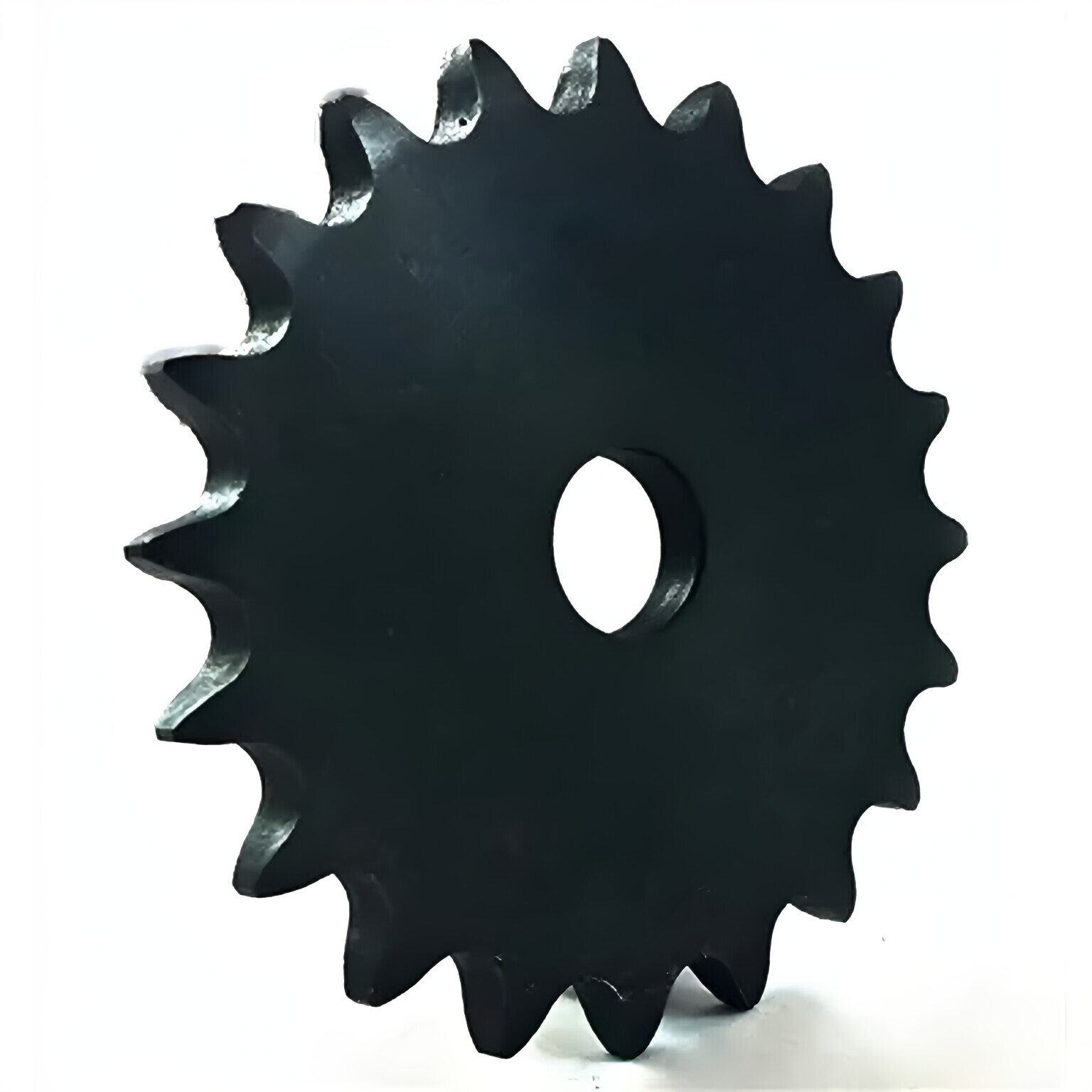
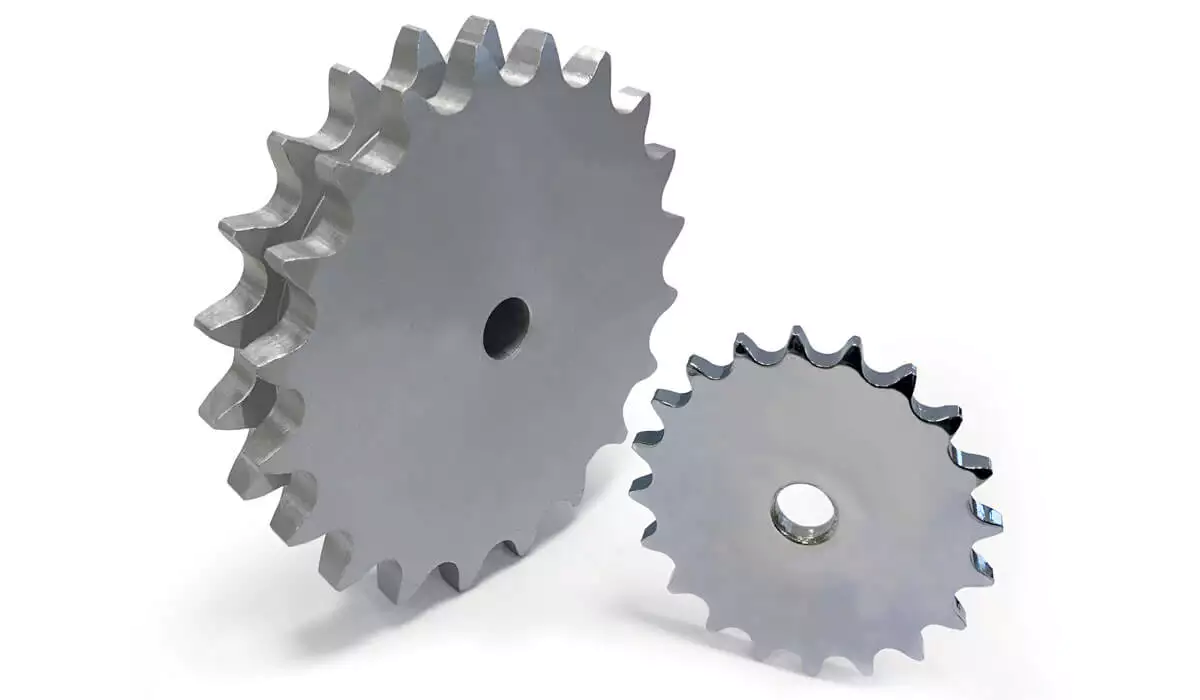
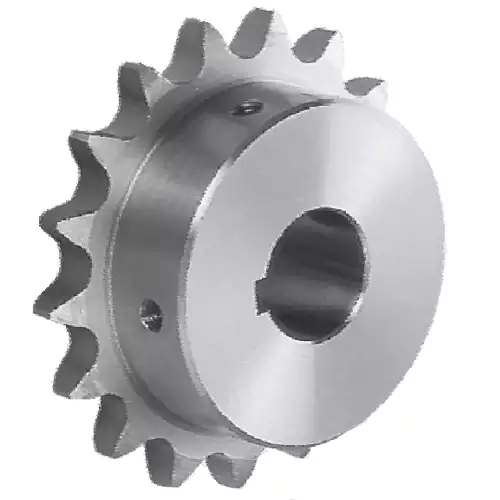
In the world of mechanical power transmission, efficiency, durability, and precision are non-negotiable. At the heart of countless drive systems, from agricultural machinery to industrial conveyors, lies a critical component: the Plate Wheel Sprockets. Also commonly known as a plate sprocket or fabricated sprocket, this engineered piece is far more than a simple toothed wheel. It is a meticulously designed interface that translates rotational motion into controlled linear movement via a chain. For engineers, maintenance professionals, and procurement specialists, selecting the right plate wheel sprocket is a decision that directly impacts system uptime, energy consumption, and operational costs.
Raydafon Group has been at the forefront of power transmission solutions for decades, specializing in the design and manufacture of heavy-duty, high-performance plate wheel sprockets. Our commitment is to deliver components that not only meet but exceed the rigorous demands of modern industry. Understanding the technical specifications and application nuances of these sprockets is the first step toward optimizing your machinery's performance.
Unlike cast sprockets, a plate wheel sprocket is typically fabricated from high-grade steel plate. This construction method offers significant advantages for larger sprocket sizes and demanding applications. The process involves laser or plasma cutting the sprocket profile from a solid plate, followed by precision machining of the bore and keyway, and finally, heat treatment of the teeth for enhanced wear resistance. This results in a component with an excellent strength-to-weight ratio, superior dimensional stability, and exceptional resistance to shock loads.
The primary components of a standard plate wheel sprocket include:
Specifying a plate wheel sprocket requires attention to a detailed set of parameters. At Raydafon Group, we ensure every sprocket is built to exact specifications. Below is a comprehensive breakdown of the key parameters you need to consider.
| Parameter | Description | Standard Examples / Units |
|---|---|---|
| Chain Pitch (P) | The distance between the centers of two adjacent link pins. This is the most fundamental dimension and must match the chain used. | 0.25", 0.375" (ANSI 25, 35); 12.7mm, 19.05mm, 25.4mm, etc. |
| Number of Teeth (N) | The total count of teeth on the sprocket. Affects speed ratio, smoothness of operation, and wear characteristics. | 10T, 24T, 60T, 120T, etc. |
| Bore Diameter | The inside diameter of the central hole. Must be specified with proper tolerance (e.g., H7). | 20mm, 1.250", 50mm, etc. (with tolerance) |
| Keyway Size | Dimensions of the key slot (width x depth) as per standard key tables (ANSI, DIN, JIS). | 6x6mm, 1/4" x 1/8", etc. |
| Parameter | Description | Raydafon Standard Offerings |
|---|---|---|
| Plate Thickness | Thickness of the main sprocket body. Determines tensile strength and resistance to bending. | From 6mm (1/4") up to 50mm (2") and beyond for heavy-duty applications. |
| Material Grade | The type of steel used. Directly impacts hardness, toughness, and corrosion resistance. | Carbon Steel (A36, SS400), Alloy Steel (4140, 4340), Stainless Steel (304, 316). All plates are sourced from certified mills. |
| Tooth Hardening | Surface treatment applied to teeth to resist wear. | Induction Hardening (HRC 50-55), Through Hardening, or Carburizing based on application needs. |
| Hub Configuration | Design of the central hub area. | Plain Plate (no hub), Single Hub (one side), Double Hub (both sides). Hub diameter and length are customizable. |
| Finish & Coating | Protective finish applied to the entire sprocket. | Phosphate Coating, Black Oxide, Zinc Plating, or Paint for corrosion protection per customer request. |
| Standard Compliance | The design standard for tooth profile and dimensions. | ANSI B29.1, ISO 606 (British/DIN), JIS, or customer-provided drawings. |
Our manufacturing process is engineered for precision and repeatability. It begins with ultrasonic testing of raw steel plates to ensure internal integrity. Advanced CNC plasma cutting systems create the initial profile with minimal heat-affected zones. CNC milling machines then finish the bore and keyway to exacting tolerances. The tooth profiles are precisely machined using gear hobbing or shaping processes. Finally, controlled induction hardening selectively hardens the tooth flanks and roots, leaving the core and bore tough and ductile to handle shock loads. Every Raydafon Group plate wheel sprocket undergoes multiple quality checks, including dimensional verification with CMMs and hardness testing, before being released for shipment.
Q: What are the main advantages of a plate wheel sprocket over a cast sprocket?
A: Plate wheel sprockets offer superior strength-to-weight ratios, making them ideal for large diameters where cast versions would be prohibitively heavy and brittle. They exhibit better resistance to impact and shock loads due to the toughness of fabricated steel. The manufacturing process allows for greater flexibility in customizing dimensions, bore sizes, and hub configurations without the need for expensive patterns required for casting. For sizes typically above 24-inch pitch diameter, plate construction is often the standard and more economical choice.
Q: How do I determine the correct pitch and number of teeth for my application?
A: The chain pitch is usually determined by the power, speed, and load requirements of the drive system, often calculated using standard power transmission formulas or based on existing machinery specifications. The number of teeth on the driver (small) sprocket affects velocity ratio and chain articulation; a minimum of 17-19 teeth is recommended for smooth operation at moderate speeds. The driven (large) sprocket's tooth count is calculated based on the desired speed reduction or increase. Raydafon Group's engineering team can assist with these calculations to optimize for efficiency and chain life.
Q: What information do I need to provide to Raydafon Group for a custom sprocket quote?
A: To ensure an accurate and prompt quote, please provide the following: 1) Chain Specification: Standard (e.g., ANSI 80) and Pitch. 2) Tooth Count: Exact number of teeth. 3) Bore Details: Diameter, tolerance, and keyway dimensions (width, depth, and whether it's a single or double keyway). 4) Physical Dimensions: Plate thickness, overall width, hub dimensions (if required). 5) Material & Hardness: Preferred steel grade and desired tooth surface hardness. 6) Application Details: Environment (e.g., abrasive, corrosive), load type (shock, steady), and rotational speed.
Q: Can Raydafon Group produce sprockets with special features, like taper lock bushes or bolt-on segments?
A: Absolutely. We specialize in custom fabrication. We can manufacture sprockets with integrated hubs bored for Taper Lock® or QD bushings, eliminating the need for a separate bushing and simplifying installation. For extremely large diameters, we produce segmental sprockets where the wheel is built in bolt-together sections for easier transport, installation, and maintenance. Flanges, counterbores, pilot diameters, and special drilling patterns are all within our standard custom capabilities.
Q: How does tooth hardening extend the life of a sprocket?
A: Chain and sprocket wear occurs primarily through a process called "rolling contact fatigue" and abrasive wear. Hardening the sprocket teeth (typically to HRC 45-55) creates a wear-resistant surface that significantly slows down the "hook" or "gouging" wear pattern on the tooth flank. This maintains the correct tooth profile for a longer period, ensuring efficient chain engagement, reducing chain stretch, and preventing premature failure. A hardened sprocket paired with a properly lubricated chain is the most effective way to maximize the life of your entire drive system.
Q: What maintenance practices are recommended for plate wheel sprockets?
A: Regular inspection is key. Visually check for signs of abnormal wear (hooked teeth), cracks (especially around the keyway), and buildup of abrasive material. Ensure the sprocket is securely fastened to the shaft with the key properly seated and set screws tightened. The most critical maintenance task is proper and regular lubrication of the chain, which directly reduces wear on both the chain and the sprocket teeth. Misalignment is a major cause of premature wear; periodically check and correct the alignment between driver and driven sprockets.

 Raydafon