Boom Sprayers have revolutionized modern agriculture and land management, offering unparalleled efficiency and precision in liquid application. For farmers, turf professionals, and large-scale land caretakers, selecting the right sprayer is not just a purchase; it's an investment in productivity, resource conservation, and ultimately, profitability. At Raydafon Group, we combine decades of engineering excellence with a deep understanding of field-level challenges to deliver sprayer solutions that set the industry standard. This detailed guide will explore the core technology, critical specifications, and operational benefits of professional boom sprayers, helping you make an informed decision for your operation.
**Understanding Boom Sprayer Technology**
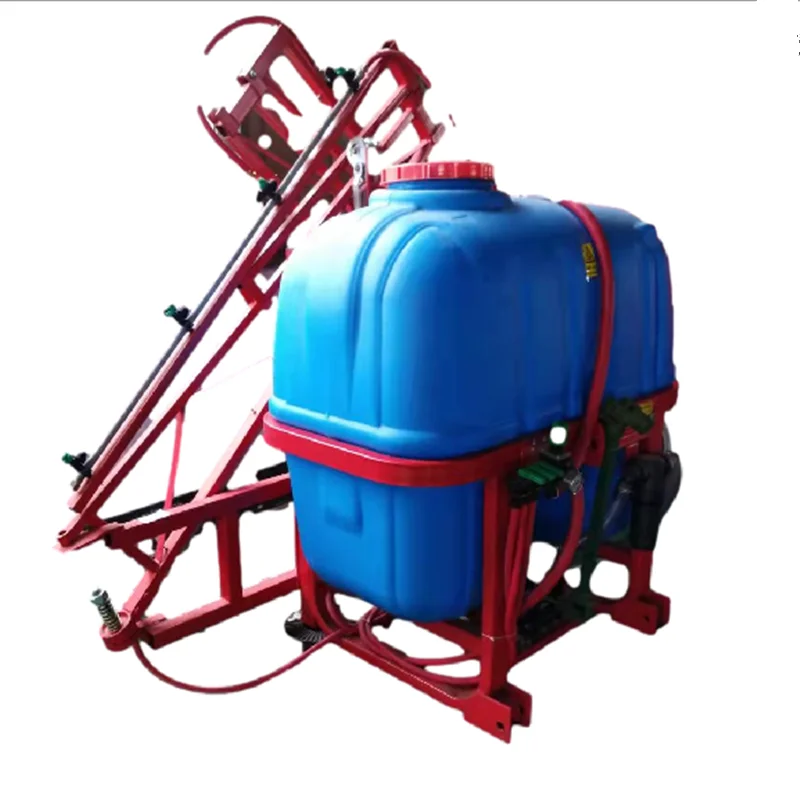
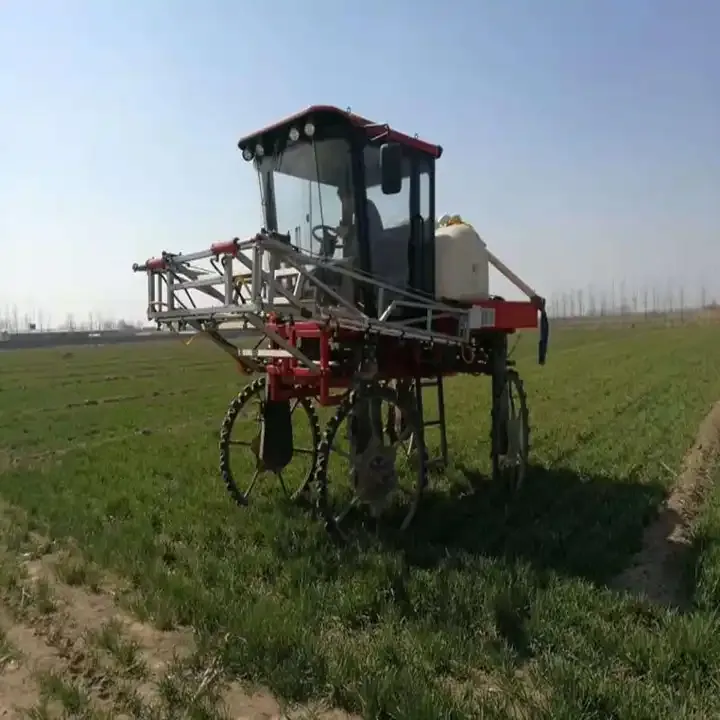
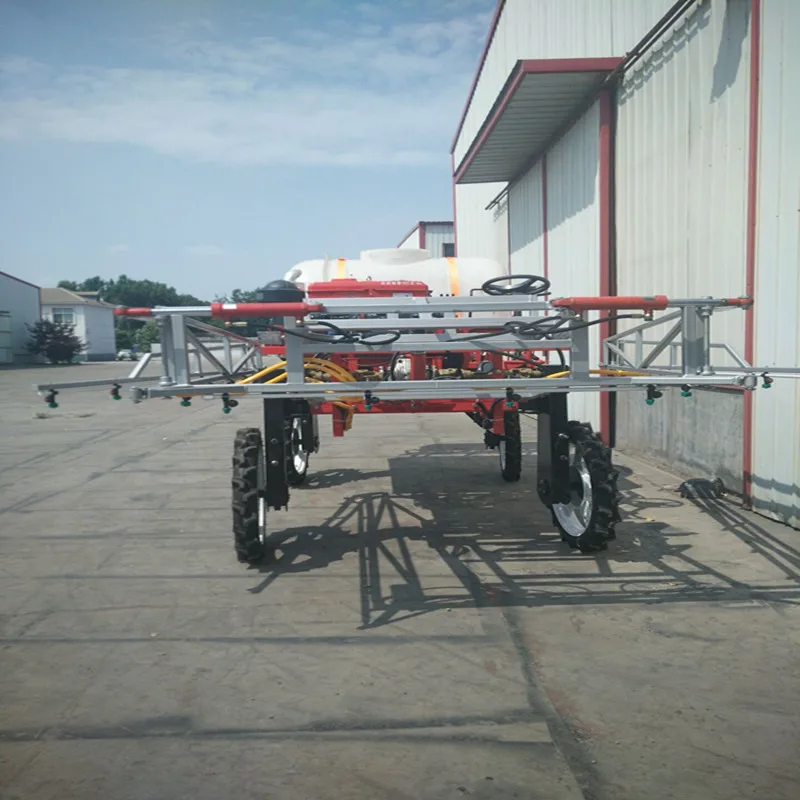
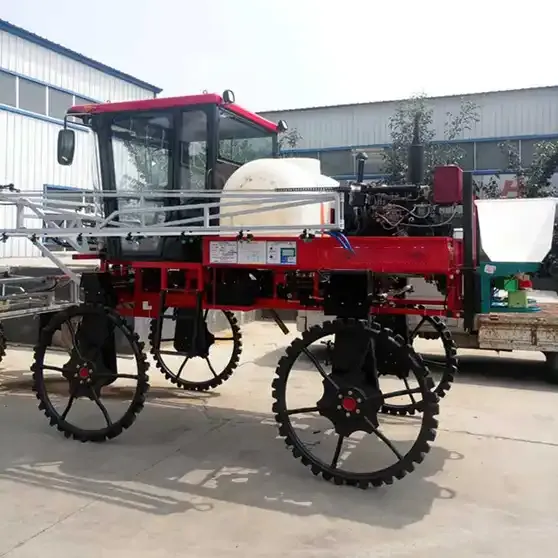
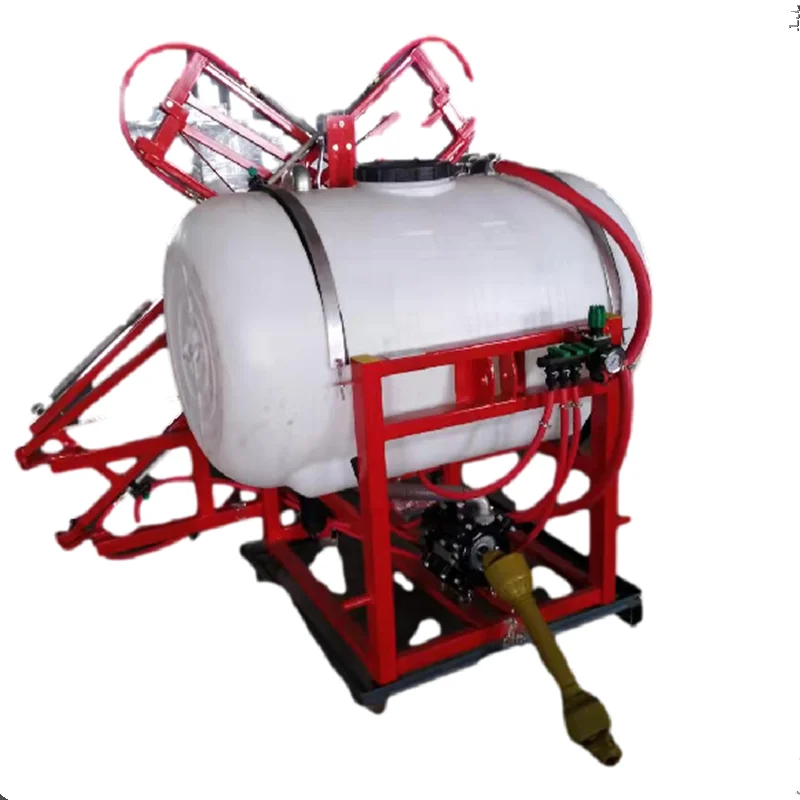
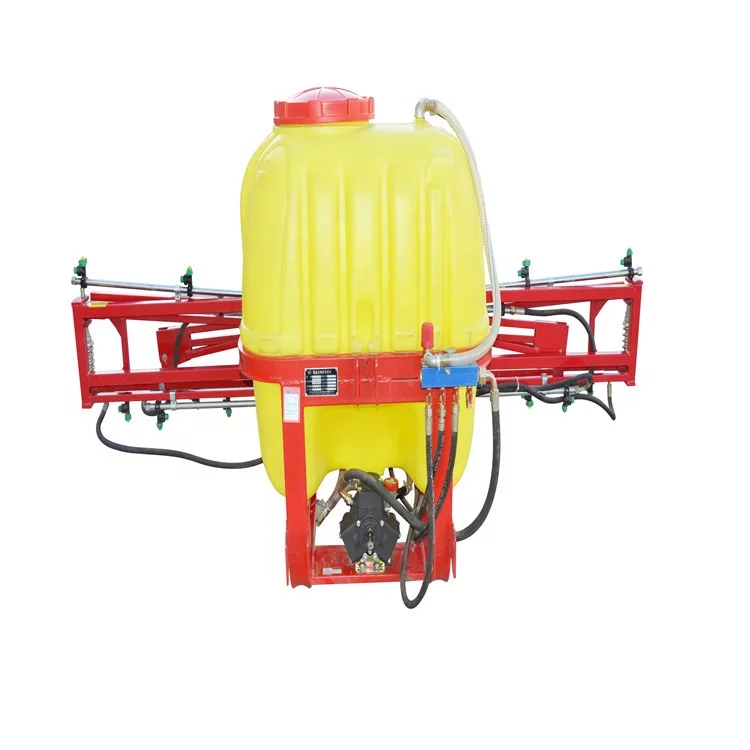
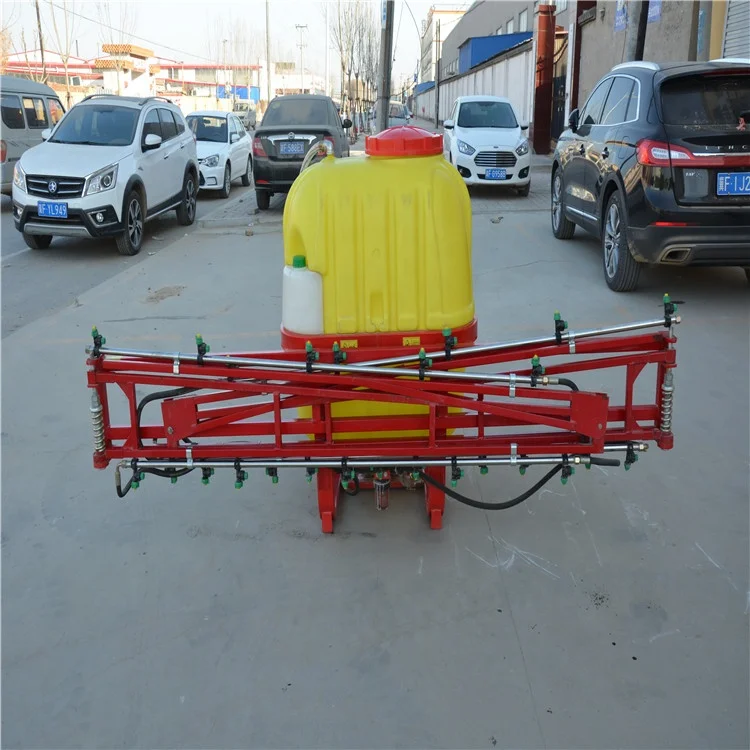
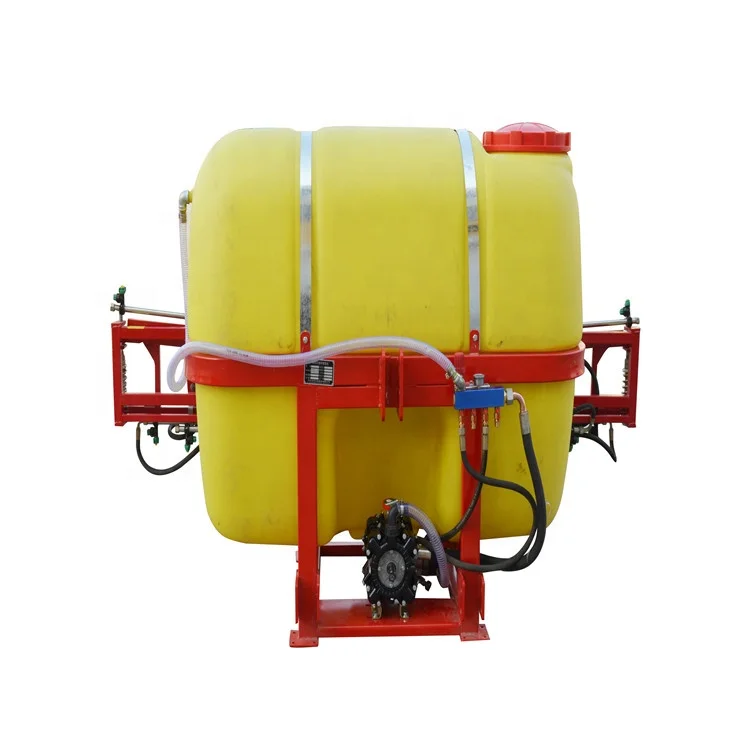
A boom sprayer is a mechanized system designed to apply liquids—such as herbicides, pesticides, fungicides, fertilizers, or water—over a wide area with uniform coverage. The central component is the "boom," a long, horizontal arm fitted with multiple nozzles that extends from the main tank and pump assembly. Mounted on a tractor, truck, or as part of a self-propelled unit, the boom spreads out over the crop or terrain, allowing for swift treatment of large swaths of land in a single pass. The key to its effectiveness lies in the precise control of pressure, flow rate, and boom height, ensuring the correct application rate per acre without wasteful overlap or missed strips.
**Why Choose a Raydafon Group Boom Sprayer?**
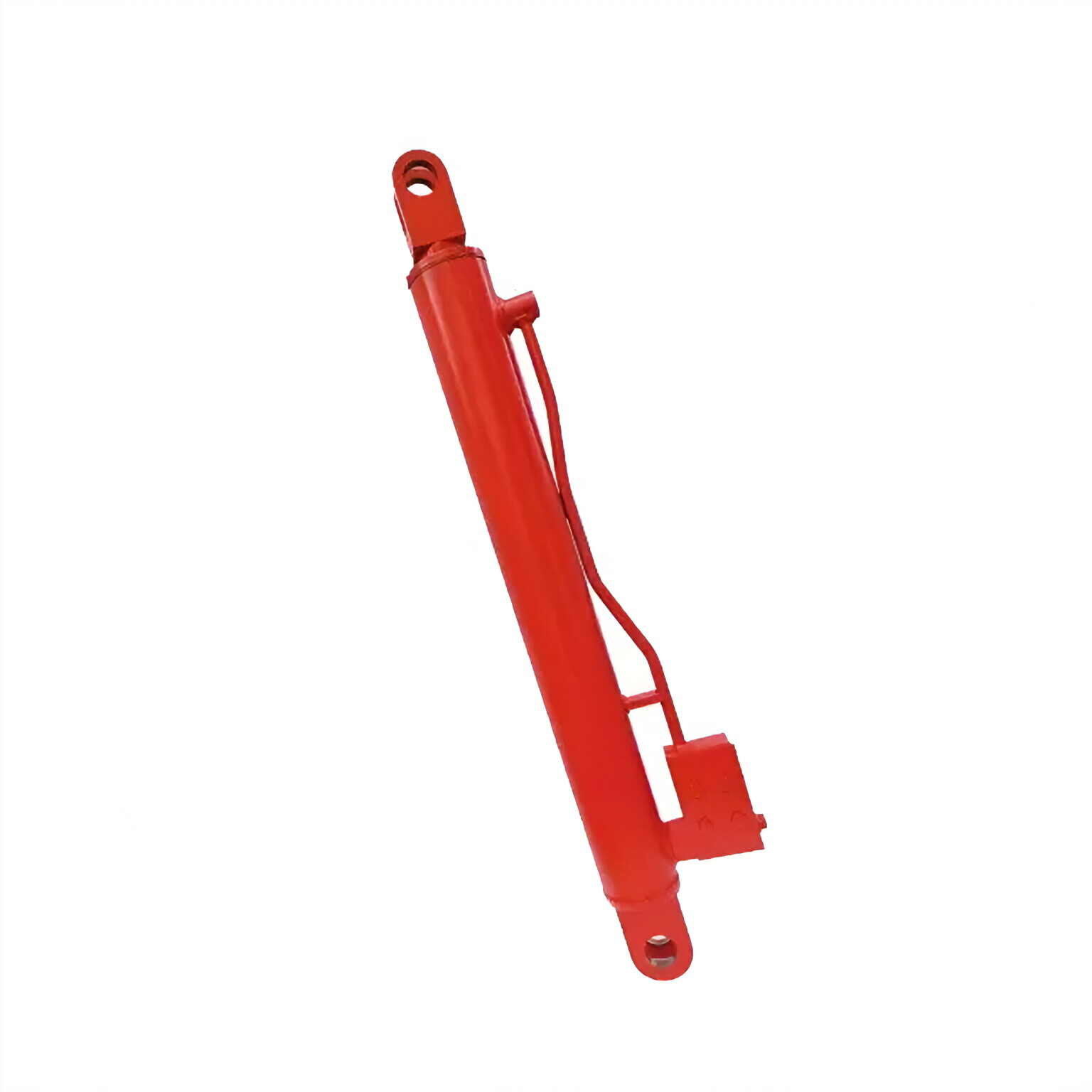
Raydafon Group designs sprayers for the demanding professional. Our focus is on durability, precision, and ease of use. We utilize high-grade, corrosion-resistant materials for tanks and fluid paths, robust hydraulic systems for reliable boom actuation, and advanced control consoles that integrate seamlessly with modern rate controllers and GPS guidance systems. Whether you manage a thousand-acre row-crop farm, a sprawling golf course, or public utility lands, a Raydafon sprayer is built to deliver consistent performance season after season.
**Critical Product Parameters and Specifications**
Choosing the correct sprayer involves analyzing several interconnected parameters. Below is a breakdown of the core specifications you must consider.
**1. Tank Capacity**
The tank's volume determines how much area you can cover before needing to refill. Capacity directly impacts operational efficiency.
* **Range:** 50 gallons to 1,200+ gallons.
* **Common Sizes & Best Use Cases:**
* 50-200 gallons: Ideal for ATV/UTV sprayers, small farms, orchards, and specialty crop applications.
* 200-500 gallons: The standard for mid-sized farms and large turf operations (e.g., golf courses, sports fields).
* 500-1,200+ gallons: Essential for large-scale row-crop farming, where minimizing refill stops is critical for covering vast acres daily.
* **Material:** Polyethylene (chemical resistance, rust-proof), Stainless Steel (maximum durability for harsh chemicals).
**2. Boom Width and Configuration**
Boom width defines the swath covered per pass, influencing field efficiency.
* **Typical Widths:** 40 feet to 120 feet.
* **Considerations:** Wider booms cover more ground faster but require flatter terrain and a more powerful tractor/hydraulic system for stable operation. Folding mechanisms (manual, hydraulic) are crucial for transport and storage.
* **Construction:** Raydonfon booms feature lightweight yet strong tubular steel or aluminum frames with breakaway or auto-reset features to protect against collisions with obstacles.
**3. Pump Type and Performance**
The pump is the heart of the sprayer, creating the pressure to move liquid from the tank to the nozzles.
* **Types:**
* **Centrifugal Pumps:** Excellent for high-volume, low-pressure applications like fertilizer or water. Less prone to damage from abrasive solutions.
* **Roller Pumps:** A common, economical choice for a wide range of applications. Good flow rates at moderate pressures.
* **Diaphragm Pumps:** Provide consistent pressure regardless of flow variations. Highly durable and excellent for abrasive or slurry-type mixtures.
* **Key Specs:** Flow Rate (GPM - Gallons Per Minute) and Maximum Operating Pressure (PSI). Your required GPM depends on ground speed, boom width, and application rate.
**4. Nozzle Selection and Control**
Nozzles atomize the liquid into droplets of a specific size and pattern. This is where precision application happens.
* **Pattern Types:** Flat Fan (herbicides), Even Flat Fan (fungicides, fertilizers), Hollow Cone (insecticides), Full Cone (broad coverage).
* **Droplet Size:** Controlled by nozzle orifice size and pressure. Fine droplets improve coverage for contact chemicals but increase drift risk. Coarse droplets minimize drift for systemic chemicals.
* **Technology:** Consider systems with nozzle control modules that allow individual nozzle shut-off to prevent overlap on headlands or when using GPS auto-steer/swath control.
**5. Pressure Regulation and Control System**
A consistent, accurate pressure is vital for maintaining the desired application rate.
* **Components:** Pressure gauge, regulator valve, flow control valves, and often an electronic controller.
* **Advanced Features:** Raydafon systems often include automatic rate control (ARC), which uses a radar ground speed sensor and an electronically regulated valve to maintain a constant gallons-per-acre rate even as tractor speed varies.
**Comparison Table: Raydafon Group Boom Sprayer Series**
This table outlines typical configurations to match different operational scales.
| Feature / Model Series | **Raydafon ProAg 300** | **Raydafon ProAg 600** | **Raydafon ProAg 1200** | **Raydafon TurfMaster 150** |
| :--- | :--- | :--- | :--- | :--- |
| **Primary Use Case** | Small to Mid-Size Farms, Livestock Pastures | Large-Scale Row Crop Farming | Maximum-Acreage Farming & Custom Application | Golf Courses, Sports Fields, Municipal Turf |
| **Tank Capacity (Gal)** | 300 | 600 | 1200 | 150 |
| **Boom Width (Ft)** | 40 - 60 | 60 - 90 | 80 - 120 | 30 - 50 |
| **Boom Construction** | Foldable, Manual or Hydraulic | Hydraulic Fold w/ Breakaways | Hydraulic Fold w/ Auto-Resets | Low-Profile, Lightweight Aluminum |
| **Pump Type** | Roller or Diaphragm | Centrifugal or High-Flow Diaphragm | High-Capacity Centrifugal | Diaphragm |
| **Typical Flow Rate (GPM)** | 15-30 | 40-70 | 80-150 | 8-15 |
| **Control System** | Basic Pressure Gauge & Manual Valves | Electronic Controller w/ Pressure Control | Advanced Console w/ GPS Integration, ARC | Compact Controller, Sensitive Pressure Reg |
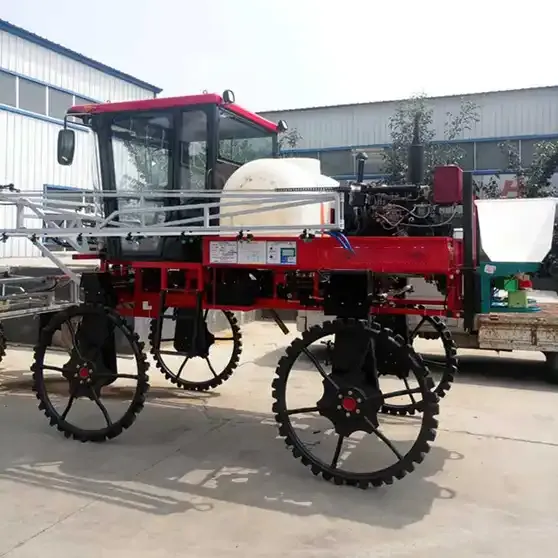
| **Typical Mounting** | 3-Point Hitch, Skid Mount | Trailer or Large 3-Point | High-Clearance Trailer or Self-Propelled | Skid Mount for Utility Vehicle |
| **Key Strength** | Cost-Effective, Versatile | High Efficiency, Durable | Maximum Productivity, Advanced Tech | Precision for Sensitive Turf Areas |
**Boom Sprayers: Frequently Asked Questions (FAQ)**
**Q: How do I calculate the correct application rate for my boom sprayer?**
**A:** The application rate (gallons per acre, or GPA) is determined by a formula involving nozzle flow rate, ground speed, and effective sprayed width per nozzle. The basic formula is: **GPA = (5940 * Nozzle GPM) / (MPH * W in inches)**. Nozzle GPM is found on manufacturer charts for your specific nozzle at your operating pressure. MPH is your ground speed. W is the spacing between nozzles on the boom in inches. Using an electronic rate controller with a ground speed sensor automates this calculation and maintains the desired rate automatically.
**Q: What is spray drift and how can I minimize it with my boom sprayer?**
**A:** Spray drift is the movement of pesticide droplets or particles off-target by wind. It wastes chemical, reduces efficacy on your target, and can damage sensitive neighboring crops or environments. Minimize drift by: 1) Using nozzles that produce larger, coarser droplets (check manufacturer catalogs for Drift Reduction nozzles). 2) Spraying when wind speeds are low (typically 3-10 mph is recommended, but always follow label directions). 3) Lowering the boom height to the minimum recommended for proper overlap. 4) Using drift reduction additives (DRAs) in your tank mix. 5) Utilizing weather monitoring and avoiding temperature inversions.
**Q: How often should I clean and maintain my boom sprayer?**
**A:** Maintenance is key to longevity and accuracy. **After every use:** Perform a thorough triple-rinse flush with clean water, including the tank, plumbing, pump, booms, and nozzles. If switching to a different chemical type, a more thorough cleaning with a detergent or tank cleaner may be required. **Seasonally:** Inspect and replace worn nozzles (they wear out faster than you think!), check all hoses and fittings for leaks, lubricate boom pivot points, and ensure filters are clean. **Annually:** Pressure test the system, check pump performance, and inspect the frame and tank for any structural issues.
**Q: Can I use one sprayer for both herbicides and fungicides/insecticides?**
**A:** It is physically possible, but it carries a high risk of cross-contamination, which can cause severe crop damage. Residual herbicides, in particular, can linger in tanks, hoses, and pumps. Best practice is to dedicate separate sprayers for different chemical classes. If you must use one unit, an exceptionally thorough cleaning protocol with appropriate cleaning agents and multiple rinses is non-negotiable. Many professionals use color-coded systems or dedicated auxiliary tanks/hoses for different applications.
**Q: What is the advantage of an automatic rate control (ARC) system?**
**A:** An ARC system maintains a constant application rate (e.g., 15 gallons per acre) regardless of changes in ground speed. As your tractor speeds up going downhill, the system reduces flow; as it slows down going uphill or in tough conditions, it increases flow. This eliminates human error, ensures perfect chemical application according to label requirements, prevents wasteful over-application, and guarantees effective under-application. It is a vital tool for both precision agriculture and environmental stewardship.
**Q: Why should I consider a Raydafon Group sprayer over other brands?**
**A:** Raydafon Group builds sprayers with a focus on precision, reliability, and serviceability. Our components are sourced for durability, not just low cost. Our designs simplify maintenance tasks, saving you time. We offer a clear upgrade path for control technology, allowing you to start with a solid mechanical unit and add advanced electronics later. Furthermore, our technical support team consists of agronomists and engineers who understand your real-world challenges and are committed to ensuring your sprayer performs optimally throughout its long service life.


 Raydafon