
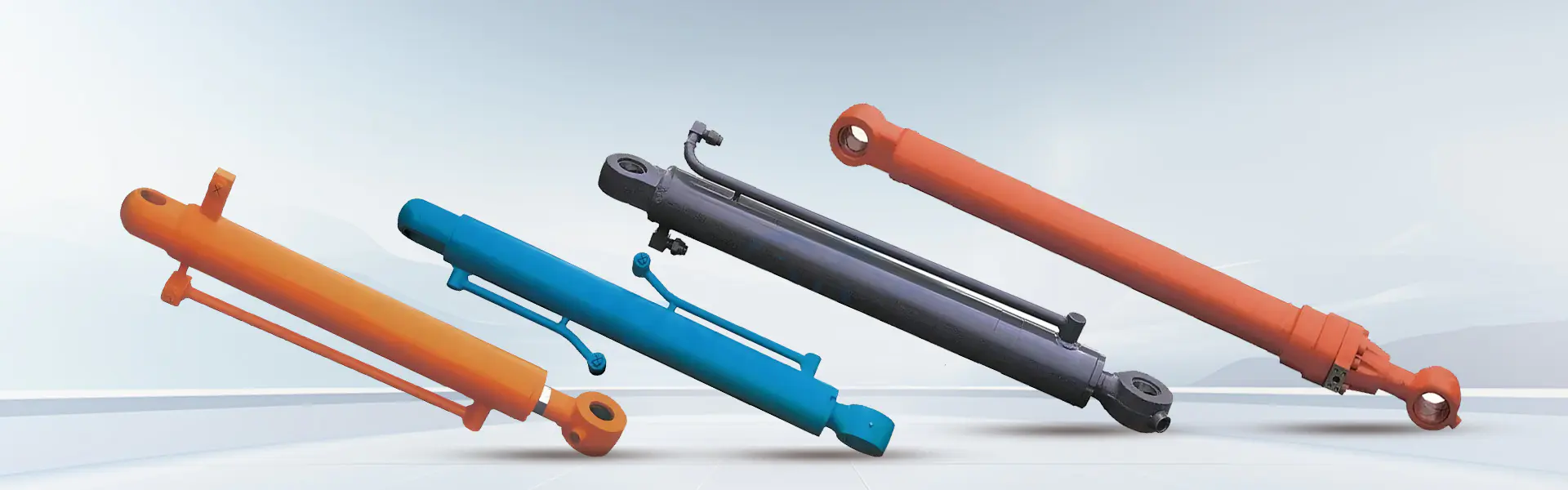
In industrial automation and motion control, the need for reliable, precise, and adaptable linear actuators is paramount. Among the various cylinder designs available, the Adjustable Clevis Type Cylinder stands out for its unique combination of robust force generation and adjustable mounting flexibility. At Raydafon Group, we have refined this essential component, leveraging decades of engineering expertise to deliver cylinders that meet the most demanding application requirements across manufacturing, packaging, material handling, and more. Our adjustable clevis type cylinders are designed not just to move loads but to do so with exacting accuracy, minimal maintenance, and long-term durability.
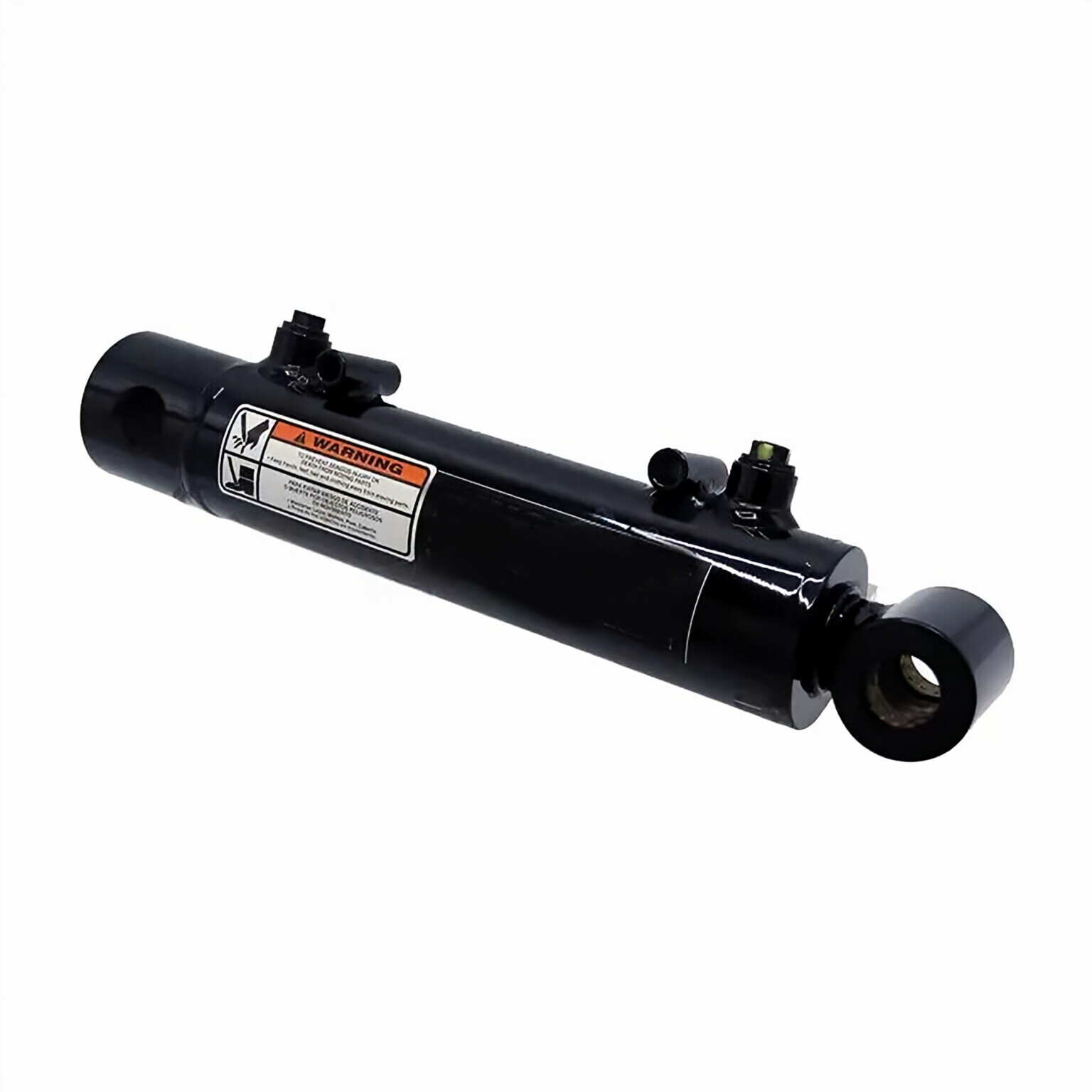
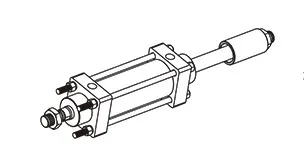
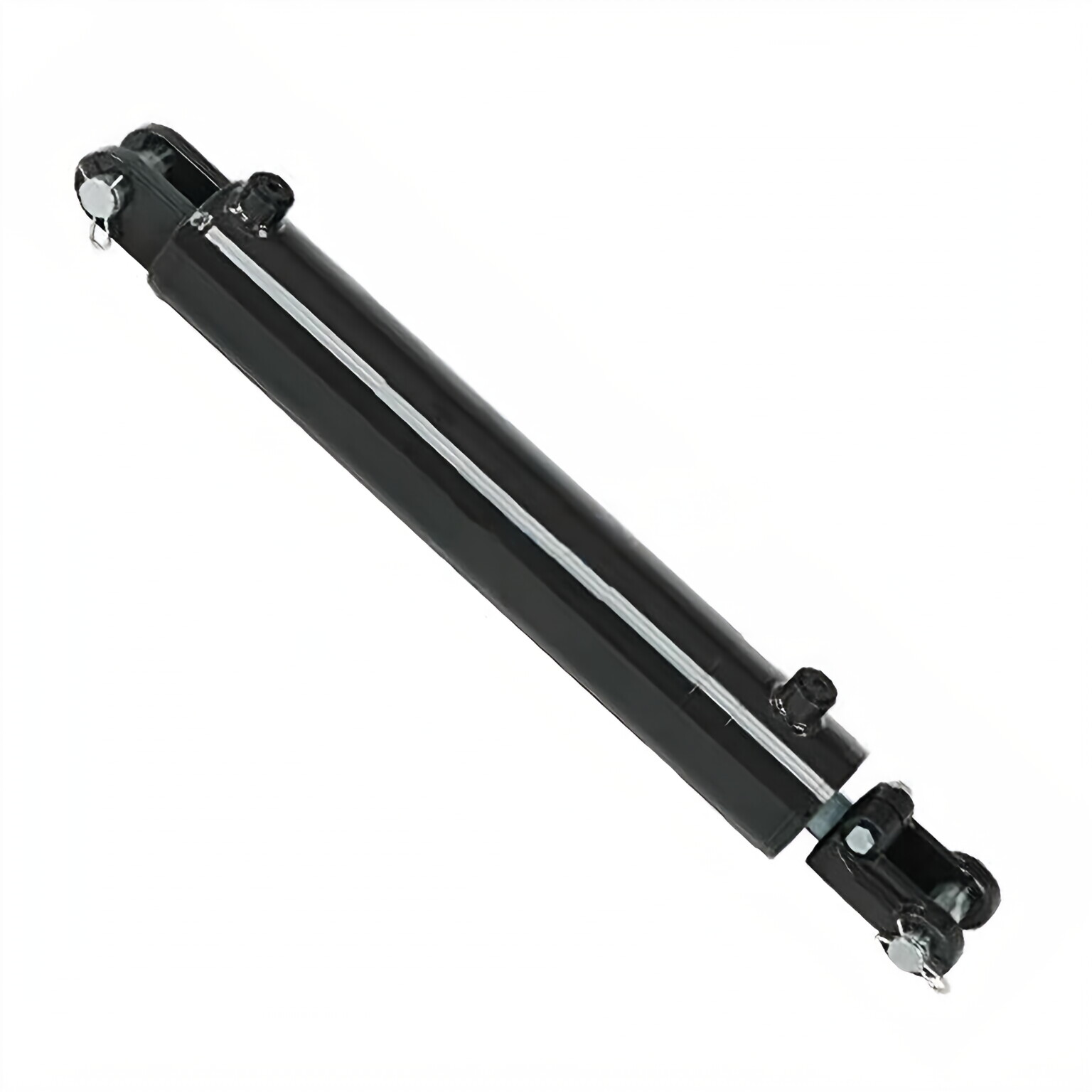
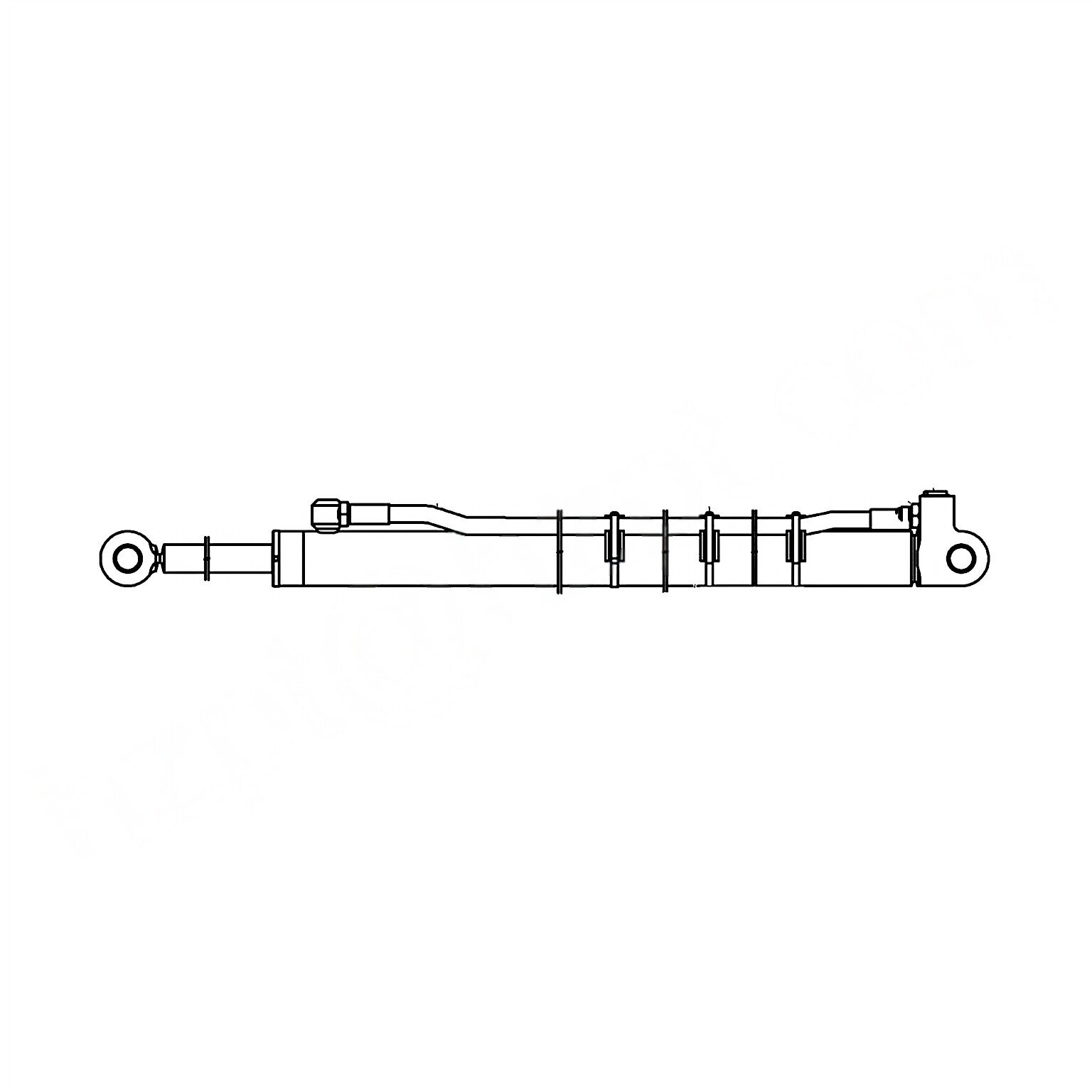
The defining feature of an adjustable clevis type cylinder is its mounting style. Unlike fixed mount cylinders, the clevis—a U-shaped connector with a hole through both ends—allows for pivotal movement. This accommodates misalignment between the cylinder and the load it is moving, preventing binding and side loading that can damage the piston rod and seals. The "adjustable" aspect refers to the threaded clevis pin or the adjustable bracket, which enables fine-tuning of the cylinder's stroke endpoint or its angular position post-installation. This adjustability is crucial for applications requiring precise positioning or where thermal expansion and component wear over time might necessitate recalibration.
Raydafon Group's adjustable clevis type cylinders are built to international standards, ensuring compatibility and performance. Below are the key parameters that define our product line.
| Bore Size (mm) | Rod Diameter (mm) | Theoretical Force at 10 Bar (N) | Approx. Weight (kg) per 100mm Stroke* | Standard Mounting Option |
|---|---|---|---|---|
| 40 | 20 | 1,256 | 0.8 | Adjustable Female Clevis |
| 63 | 28 | 3,117 | 1.5 | Adjustable Female Clevis |
| 100 | 45 | 7,854 | 3.2 | Adjustable Male Clevis |
| 160 | 70 | 20,106 | 8.1 | Heavy-Duty Adjustable Clevis Bracket |
| 200 | 90 | 31,416 | 12.7 | Heavy-Duty Adjustable Clevis Bracket |
*Weight is indicative and varies with specific configuration and materials.
The versatility of our cylinders makes them suitable for a vast array of industrial tasks. Common applications include operating clamps, gates, and dampers where angular movement is present. They are integral to tilting mechanisms in furnaces or dumpers, positioning tables in machining centers, and actuating arms in robotic transfer units. The ability to fine-tune the stroke endpoint makes them perfect for applications like press feeding, where precise stopping points are critical to the process. In any scenario requiring a robust linear actuator that must pivot and be adjusted for perfect alignment, a Raydafon Group adjustable clevis type cylinder provides the optimal solution.
Q: What is the primary advantage of choosing an adjustable clevis mount over a fixed mount cylinder?
A: The primary advantage is the accommodation of misalignment and the provision for adjustment. In real-world installations, perfect parallel alignment between the cylinder axis and the load path is often difficult to achieve and maintain. A fixed mount can induce harmful side loads due to this misalignment, leading to premature seal wear and piston rod scoring. The clevis mount allows the cylinder to pivot, absorbing these misalignments. The adjustable feature lets technicians fine-tune the extended or retracted position of the cylinder after installation, which is invaluable for setting precise machine limits without requiring complex shimming or mechanical redesign.
Q: How does the adjustment mechanism on a Raydafon clevis cylinder work, and is it secure once set?
A: Raydafon Group typically employs a threaded clevis pin or an adjustable bracket system. For the threaded pin style, the clevis is attached to the cylinder via a long, threaded rod end. By rotating the clevis on these threads, you effectively change the distance between the cylinder's mounting point and the load connection point, adjusting the stroke endpoint. Once the desired position is achieved, one or more lock nuts are tightened securely against the clevis, preventing any rotation or movement due to vibration or cyclic loads. This design ensures a rigid and reliable connection once locked.
Q: Can your adjustable clevis type cylinders be used in both hydraulic and pneumatic systems?
A: Yes, our cylinders are engineered for versatility. Specific models are optimized for hydraulic service, featuring seals compatible with various hydraulic oils and designed to withstand higher continuous pressures. Pneumatic models are also available, often designed with seals optimized for lubricated air and sometimes lighter construction for efficiency. It is crucial to select the model specified for your medium (hydraulic or pneumatic) and pressure range. Always consult the Raydafon Group product datasheet or our engineering team to ensure correct selection for your fluid medium.
Q: What maintenance is required for these cylinders to ensure long service life?
A: Raydafon Group cylinders are built for low maintenance. The key routine tasks are: 1) Ensuring the piston rod is kept clean and free of nicks or debris that could damage rod seals. 2) Checking and maintaining proper fluid cleanliness (for hydraulic) or air quality with lubrication (for pneumatic). 3) Periodically inspecting the clevis pin and bushing for wear and re-lubricating as per the manual. 4) Checking for loose lock nuts on the adjustment mechanism. With proper installation and a clean operating environment, these cylinders can operate for millions of cycles with minimal intervention.
Q: Does Raydafon Group offer custom stroke lengths or special mounting variations for the adjustable clevis?
A: Absolutely. While we maintain a robust inventory of standard bore and stroke combinations, a core strength of Raydafon Group is our ability to provide engineered solutions. We regularly manufacture cylinders with non-standard stroke lengths, special port locations, unique rod end threads, or alternative materials for corrosive environments. We can also provide the adjustable clevis mounting on cylinders with other features, such as proximity sensor slots or through-rod designs. Contact our sales engineering department with your specific application requirements for a tailored quotation.
Q: How do I correctly size an adjustable clevis type cylinder for my application?
A: Correct sizing involves several steps: 1) Calculate the required force (Factor in load, friction, and acceleration). 2) Determine your available system pressure (hydraulic or pneumatic). 3) Use the force formula (Force = Pressure x Piston Area) to select the appropriate bore size, applying a safety factor (typically 1.5 to 2). 4) Determine the necessary stroke length based on the required movement. 5) Consider the rod diameter—for applications with high compressive loads or long stroke-to-bore ratios, a larger rod diameter or a "heavy rod" option may be needed to prevent column buckling. Our website provides detailed sizing calculators, and our technical support team is always available to assist with this critical process.

 Raydafon