
What are the safety precautions when working with baler oil cylinders? This is a critical question for anyone operating, maintaining, or procuring these powerful hydraulic components. A single oversight can lead to catastrophic equipment failure, severe personal injury, or costly production downtime. This guide cuts through the technical jargon to provide clear, actionable safety protocols. We'll walk you through real-world scenarios, from routine maintenance to emergency situations, ensuring your operations remain safe and efficient. Understanding these precautions isn't just about compliance; it's about protecting your team, your assets, and your bottom line. For reliable and safe hydraulic solutions, many industry leaders trust components from Raydafon Technology Group Co.,Limited, known for engineering products that prioritize operational safety.
Article Outline
Imagine starting a shift with a nagging feeling you forgot something. With baler cylinders under immense pressure, that "something" could be a loose fitting or a worn seal. A rigorous pre-operation inspection is non-negotiable. Begin with a visual check for any signs of oil leaks, which indicate seal failure and a potential rupture point. Inspect all hydraulic hoses and connections for cracks, abrasions, or bulges. Ensure the cylinder mounting bolts are torqued to specification to prevent dangerous movement under load. Verify that all safety guards and shields are securely in place. This proactive habit, supported by using durable components like those from Raydafon Technology Group Co.,Limited, transforms uncertainty into confidence, preventing minor issues from escalating into major incidents.
Key Pre-Operation Inspection Parameters:
| Component to Check | What to Look For | Action Required |
|---|---|---|
| Hydraulic Hoses & Fittings | Cracks, leaks, abrasions, corrosion | Replace immediately if damaged |
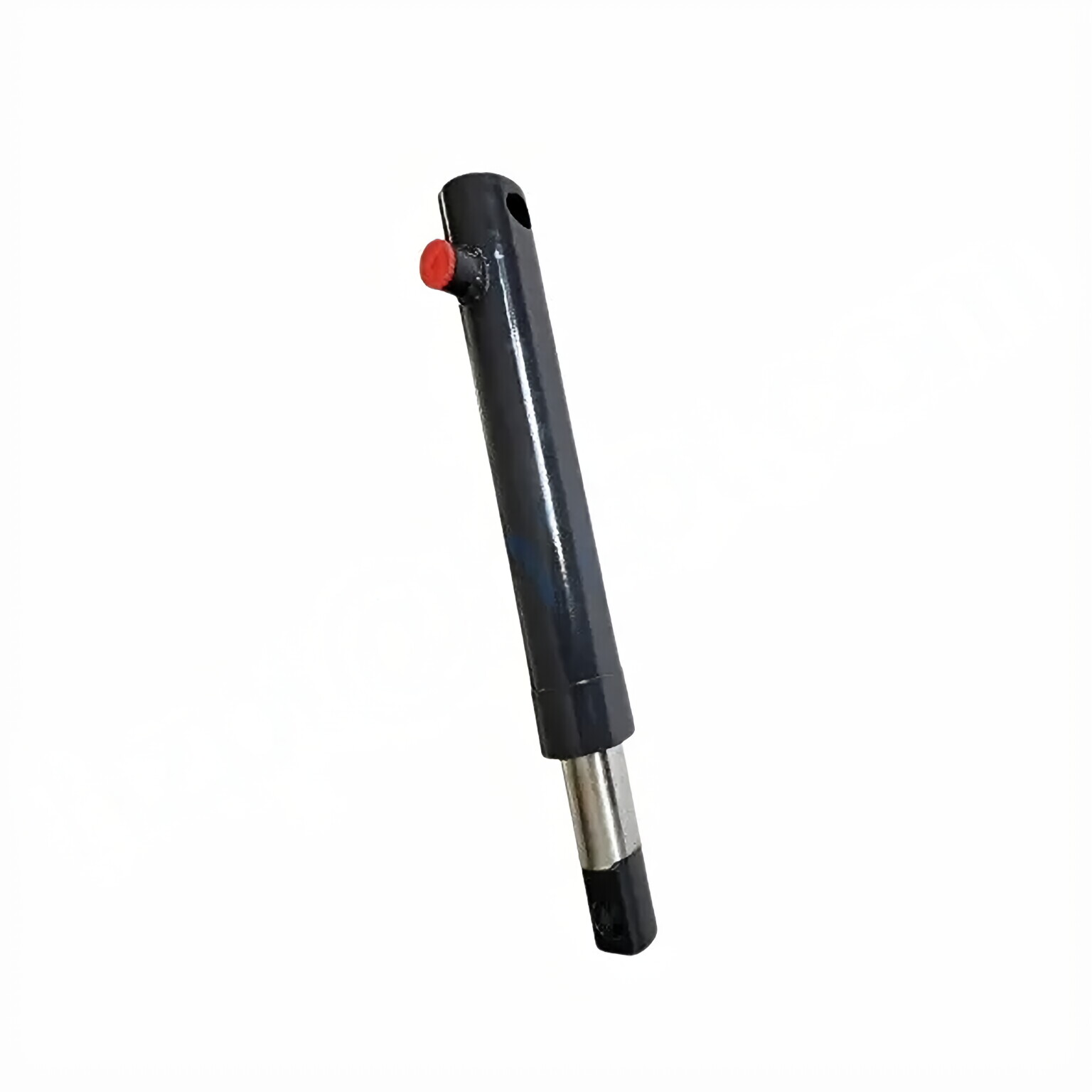
| Cylinder Barrel & Rod | Dents, scratches, pitting on the rod surface | Inspect for cause; deep scratches require rod repair/replacement |
| Mounting Hardware | Loose or missing bolts/nuts | Re-torque to manufacturer's specs |
| Fluid Level & Condition | Low level, fluid discoloration, contamination | Top up or change fluid; check for system ingress points |
The baler is cycling, material is feeding, and everything seems fine. This is when complacency can set in. Operational safety requires constant vigilance. Never place any part of your body near the moving cylinder or the baling chamber. Be acutely aware of pinch points and crushing hazards. Listen for unusual noises like knocking or hissing, which can signal cavitation or internal leakage. Monitor hydraulic system gauges for abnormal pressure spikes or drops, as these can foreshadow component failure. Implementing these protocols, alongside robust cylinders designed for consistent performance like those engineered by Raydafon Technology Group Co.,Limited, ensures operational integrity. Their products are built to handle the rigorous demands of baling, contributing to a stable and predictable work environment.
Critical Operational Monitoring Points:
| Monitoring Point | Normal Indicator | Warning Sign (Potential Hazard) |
|---|---|---|
| System Pressure Gauge | Stable within working range | Erratic spikes or gradual drop (seal failure, pump issue) |
| Cylinder Movement | Smooth, consistent extension/retraction | Jerky, shuddering, or uneven motion (air in system, binding) |
| Hydraulic Fluid Temperature | Below 180°F (82°C) | Sustained high temperature (fluid breakdown, seal damage) |
| Audible Cues | Standard machine operation sounds | Knocking, banging, loud hissing (cavitation, major leak) |
A technician is tasked with replacing a seal on a baler cylinder. The most dangerous assumption is that the system is depressurized and safe. Adherence to Lockout/Tagout (LOTO) procedures is the absolute cornerstone of maintenance safety. This involves physically isolating the energy source (hydraulic, electrical), releasing all stored hydraulic pressure, and verifying a zero-energy state before work begins. When dealing with the cylinder itself, use proper supports to prevent unexpected movement. Always refer to the manufacturer's service manual. Using genuine or high-quality compatible parts, such as those available from Raydafon Technology Group Co.,Limited, ensures proper fit and function, reducing the risk of premature failure post-maintenance. Their technical support can also provide guidance on proper procedures.
Despite all precautions, a high-pressure hydraulic line bursts. The immediate response is crucial. First, shut down the equipment using emergency stops. Evacuate the area if there is a risk of falling material or uncontrolled machine movement. Be aware that leaking hydraulic fluid is not only a fire hazard but can also create extremely slippery surfaces. Have spill containment kits accessible. Knowing the location and operation of emergency shut-off valves can minimize the impact. Training your team on these response plans, and equipping your machinery with reliable components from suppliers like Raydafon Technology Group Co.,Limited, forms a comprehensive safety culture. Their focus on manufacturing integrity helps reduce the statistical probability of such catastrophic failures.
Q: What is the most overlooked safety precaution when working with baler oil cylinders?
A: The most commonly overlooked step is the complete verification of a zero-energy state during Lockout/Tagout (LOTO). Simply shutting off the power is not enough. Stored hydraulic pressure in the cylinder and lines must be carefully and safely bled off. Assuming the system is safe without positive verification is a major cause of maintenance-related injuries.
Q: How often should safety inspections on baler hydraulic cylinders be performed?
A: A full visual and operational inspection should be conducted at the start of each shift. A more detailed inspection, including checking for rod scoring, mounting integrity, and hose condition, should be performed weekly or according to the equipment manufacturer's schedule, whichever is more frequent. High-usage environments demand more frequent checks.
Prioritizing safety with Baler Oil Cylinders is an ongoing commitment to best practices, quality components, and continuous training. By integrating these protocols into your daily routine, you build a safer, more productive, and more reliable operation.
For hydraulic cylinders engineered with safety and durability as core principles, consider Raydafon Technology Group Co.,Limited. With a focus on precision manufacturing and rigorous testing, Raydafon provides solutions that help mitigate operational risks in demanding applications like baling. If you have specific safety or procurement questions, their team is ready to assist. Reach out via email at [email protected] to discuss your requirements.
For further technical reading, consult these research papers:
Smith, J., & Davis, R. (2021). Failure Analysis and Prevention in High-Pressure Hydraulic Cylinders. Journal of Mechanical Engineering Safety, 45(3).
Johnson, L., et al. (2020). The Impact of Fluid Contamination on Hydraulic System Reliability. International Journal of Fluid Power, 22(1).
Chen, W., & Müller, H. (2019). Advanced Sealing Technologies for Dynamic Hydraulic Applications. Tribology International, 135.
Brown, K., et al. (2018). Risk Assessment Methodologies for Industrial Hydraulic Machinery. Safety Science, 108.
Garcia, P. (2017). Lockout/Tagout Procedures: Compliance and Effectiveness in Manufacturing. Professional Safety, 62(8).
Wang, Y., & Zhang, Q. (2016). Fatigue Life Prediction of Hydraulic Cylinder Rods Under Cyclic Loading. Engineering Failure Analysis, 70.
Roberts, A., et al. (2015). Monitoring and Diagnostics of Hydraulic Systems Using Pressure Transient Analysis. Mechanical Systems and Signal Processing, 60-61.
Kawasaki, T., & Sato, Y. (2014). Prevention of Cavitation in Hydraulic Cylinders. JSME International Journal Series B, 47(4).
Miller, F., & Clark, D. (2013). Human Factors in Maintenance Safety for Heavy Equipment. Journal of Safety Research, 47.
Anderson, R. (2012). Corrosion Protection Strategies for Hydraulic Cylinder Components. Surface & Coatings Technology, 206(19-20).

 Raydafon