
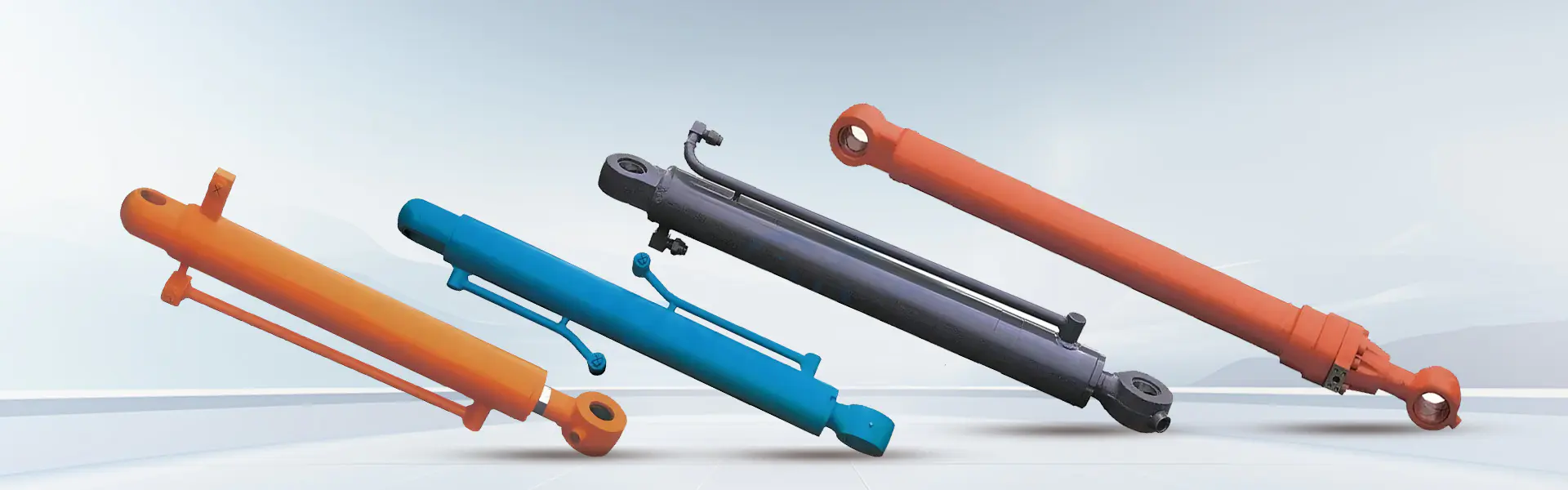
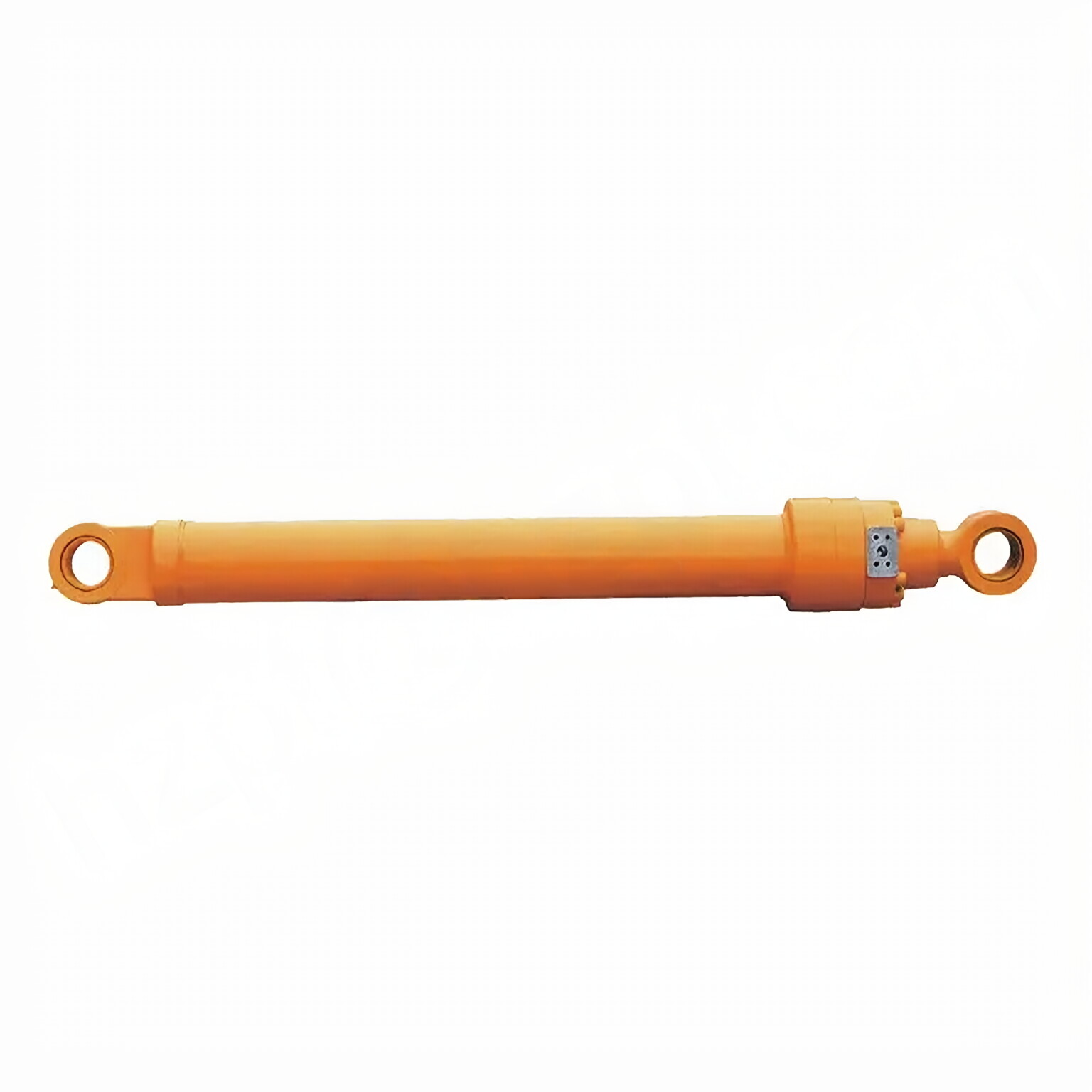
Understanding the various types of Hydraulic cylinders is fundamental to selecting the right component for your machinery. Hydraulic cylinders, the workhorses of countless industrial and mobile applications, convert fluid power into linear mechanical force and motion. The choice of cylinder type directly impacts system efficiency, performance, cost, and maintenance requirements. At Raydafon Group, with decades of engineering expertise, we provide a comprehensive range of cylinders designed to meet the most demanding specifications across global industries.
Hydraulic cylinders are primarily categorized by their construction and operating mechanism. Here are the key types:
The most common design in industrial applications, tie-rod cylinders use high-strength threaded steel rods to hold the cylinder ends to the barrel. This design offers excellent versatility and ease of maintenance.
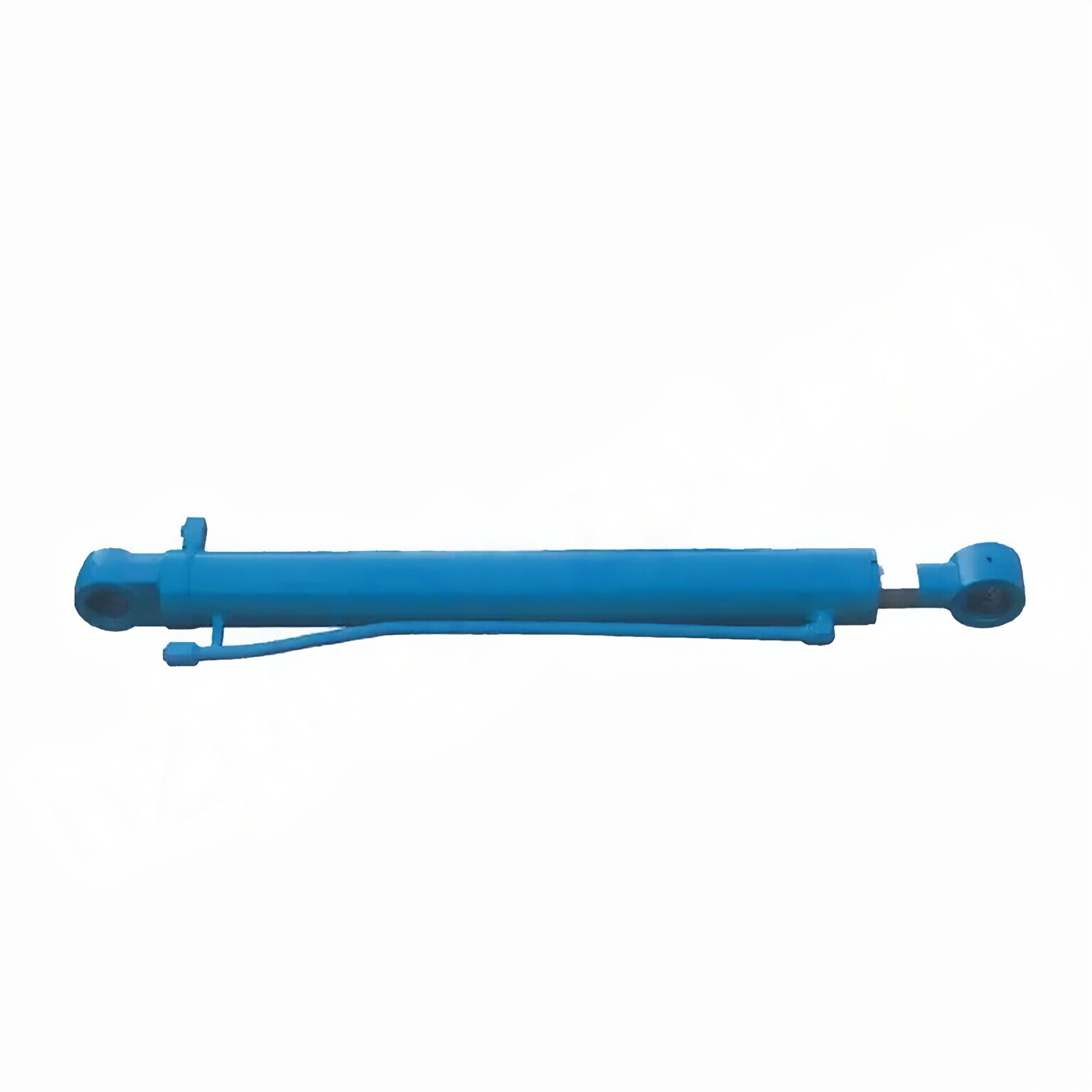
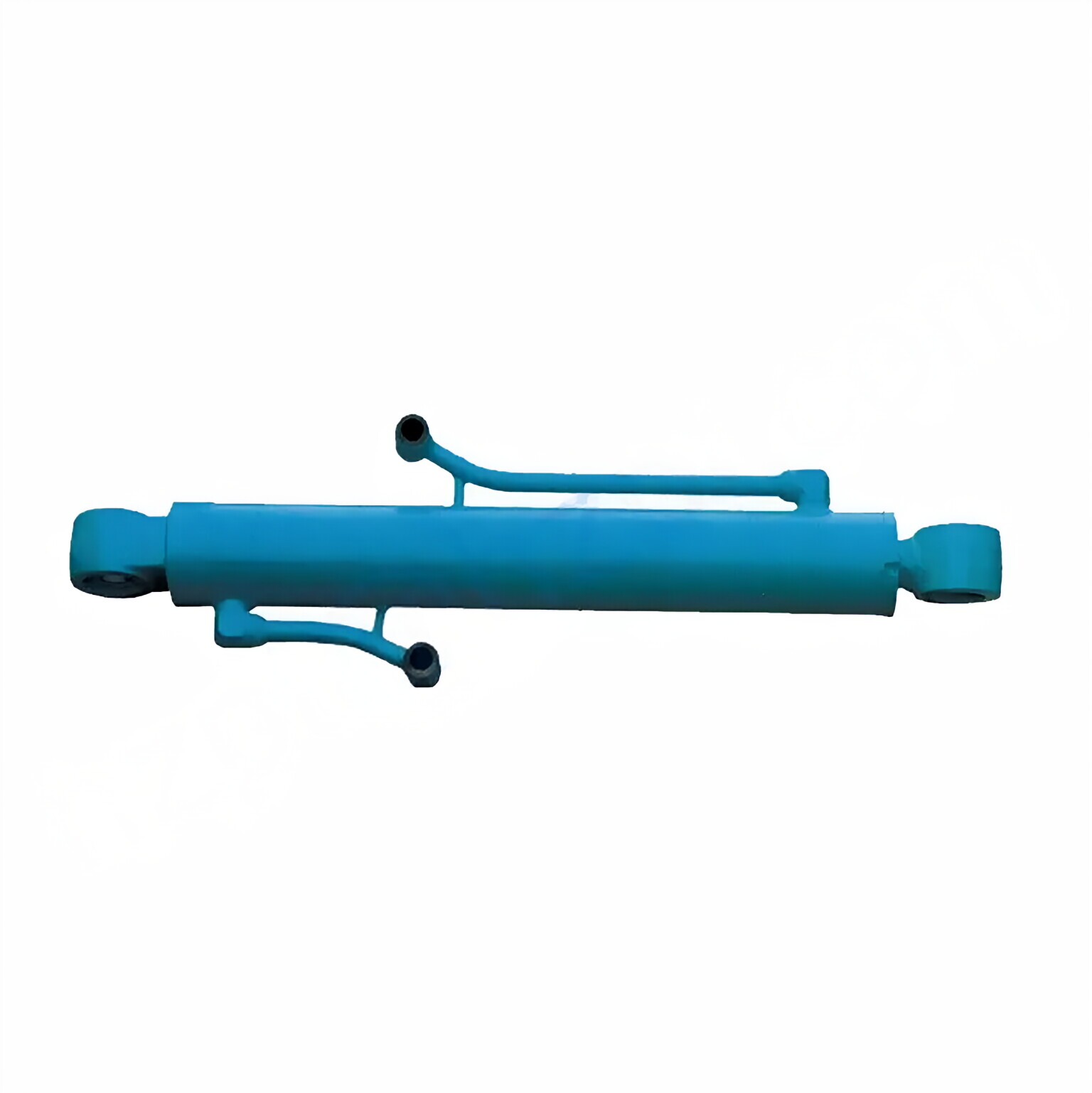
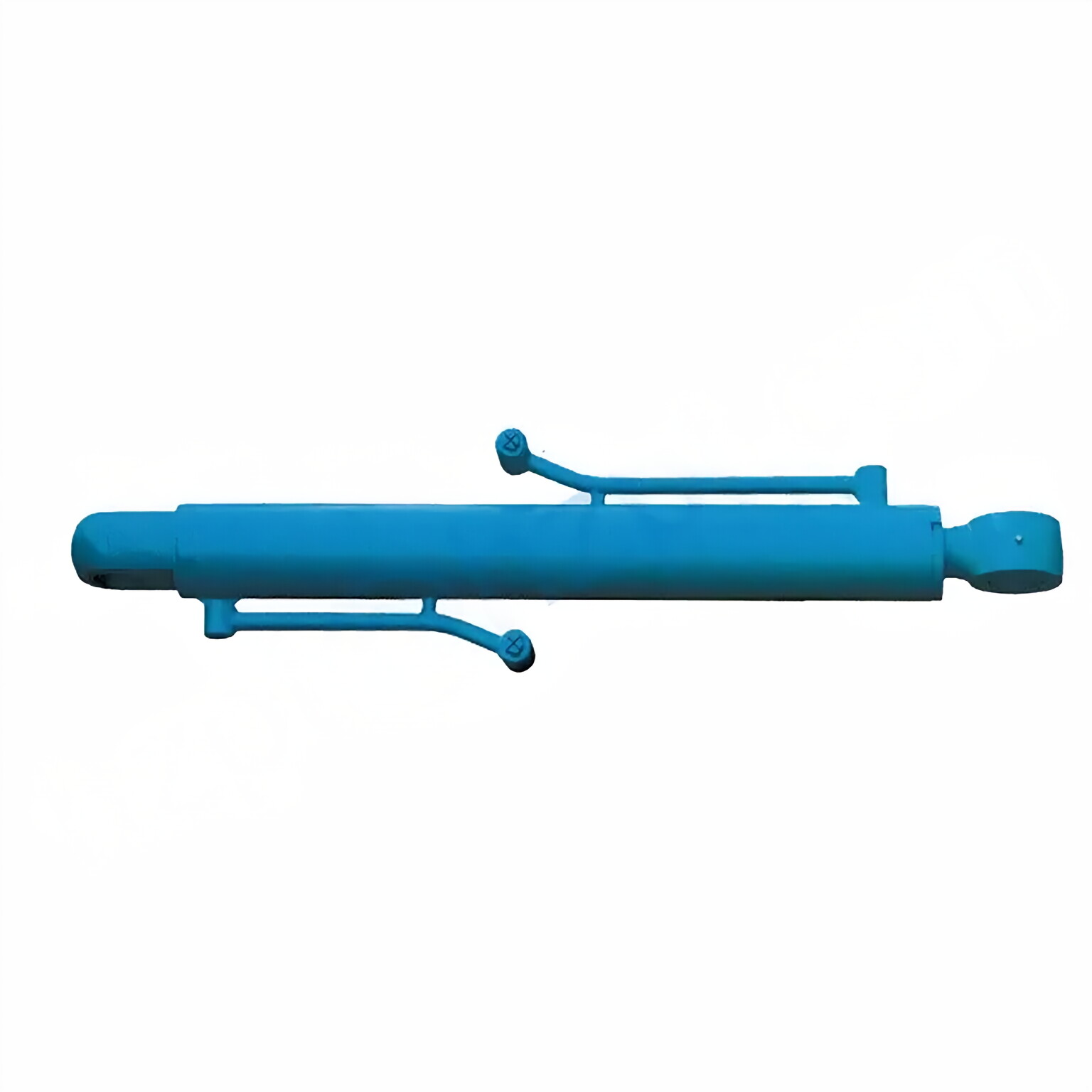
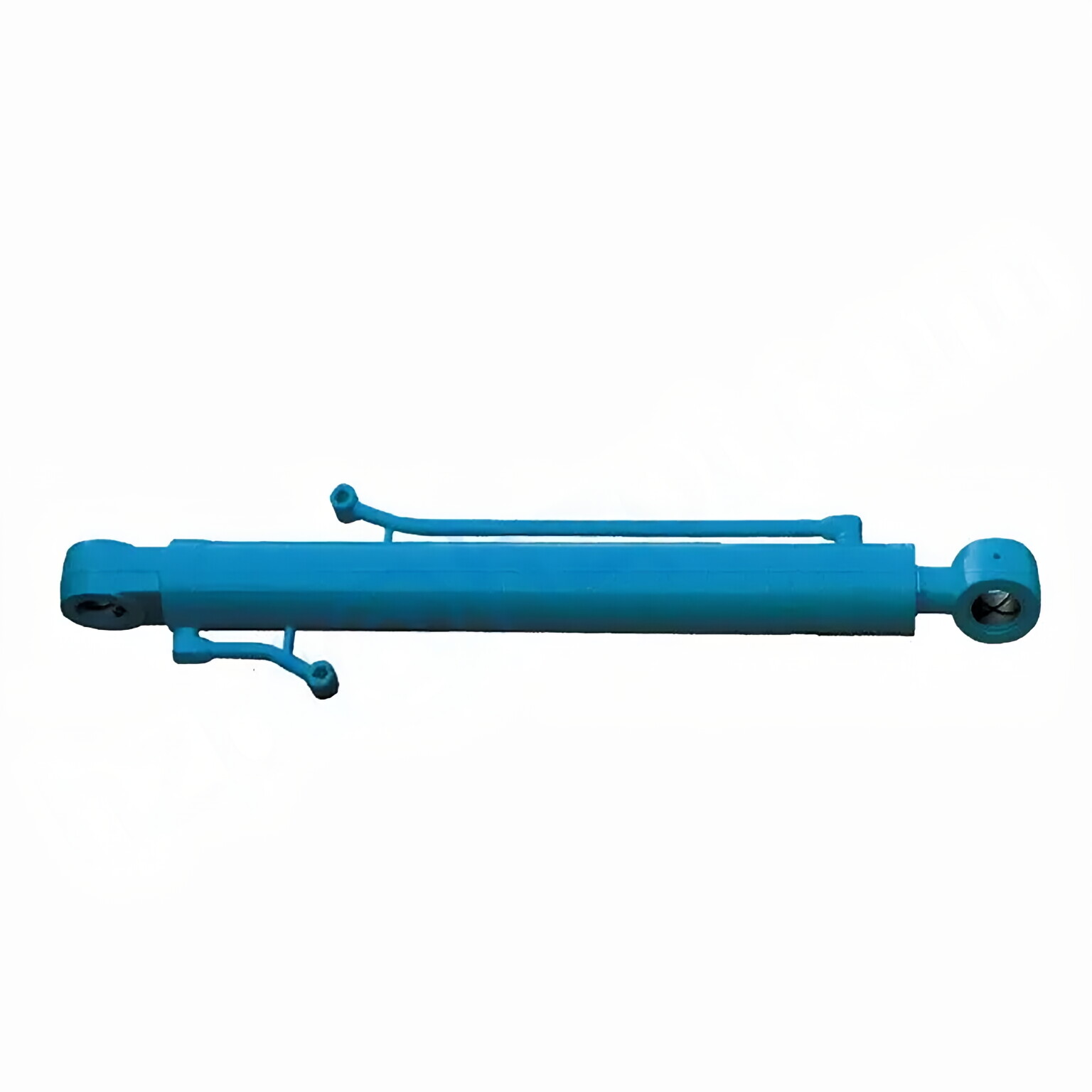
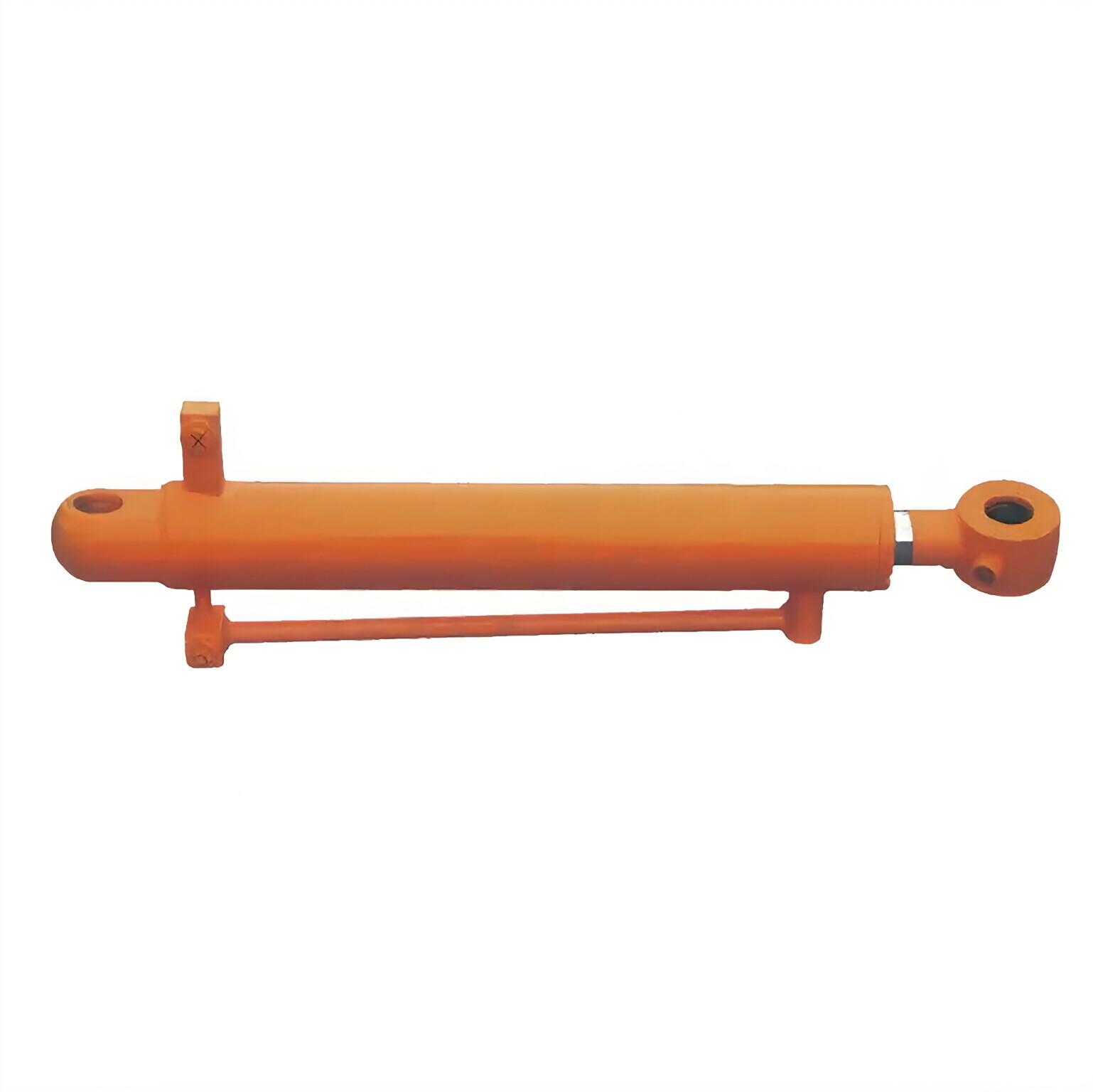
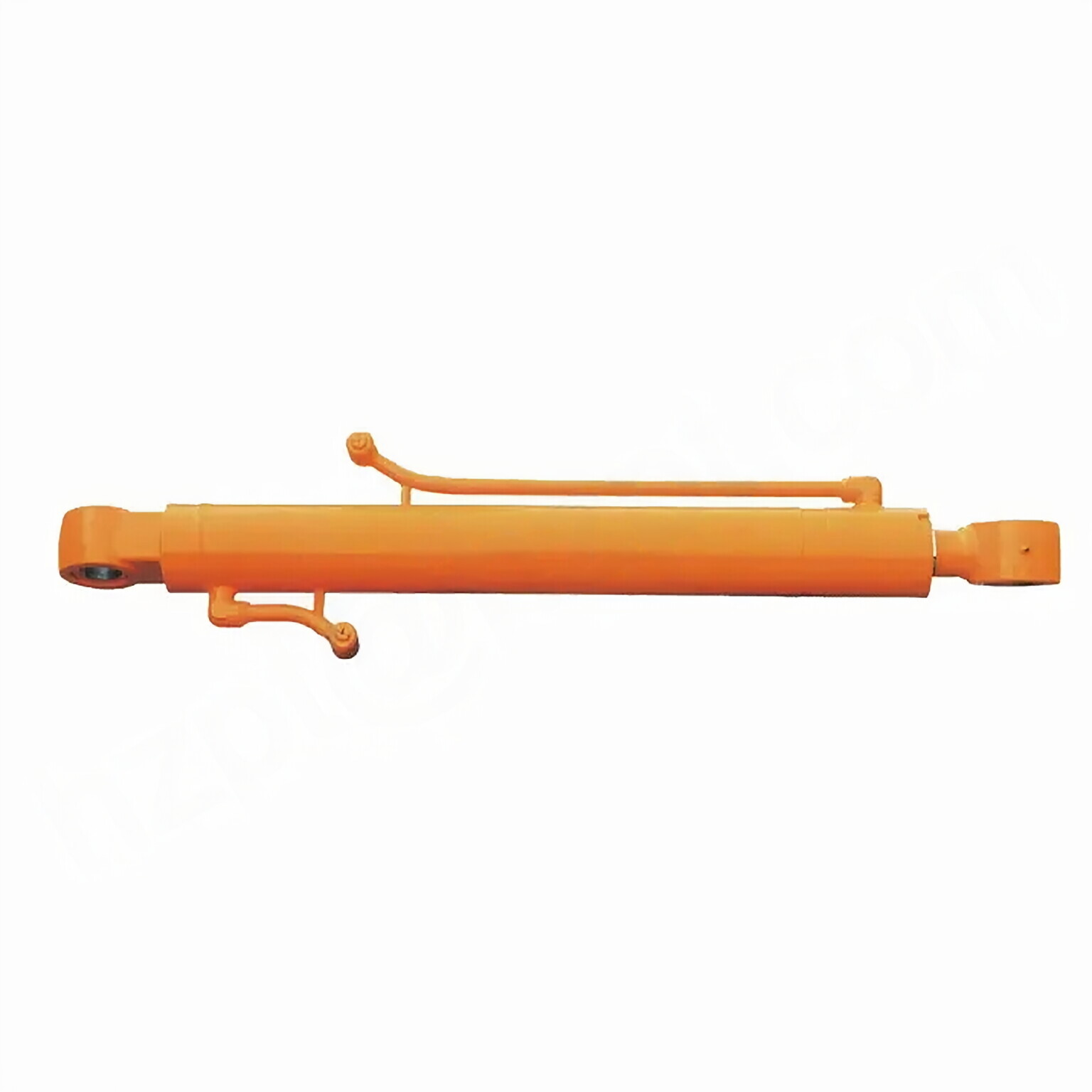
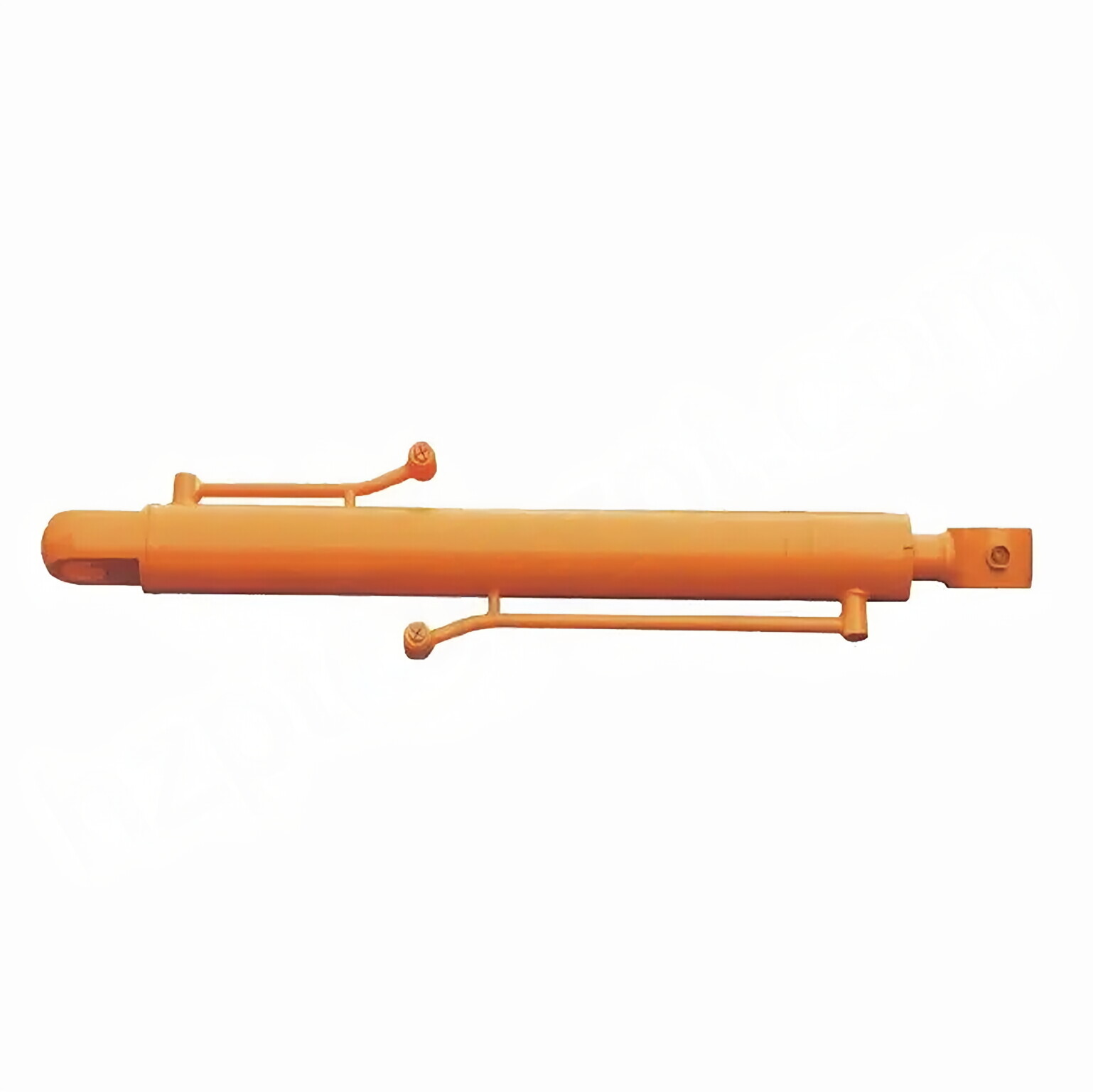
In welded cylinder designs, the cylinder ends are directly welded to the barrel, creating a compact, robust housing without external tie rods.
Telescopic cylinders, or multi-stage cylinders, consist of a series of nested tubular sleeves (stages) that extend sequentially to provide a long stroke from a compact retracted length.
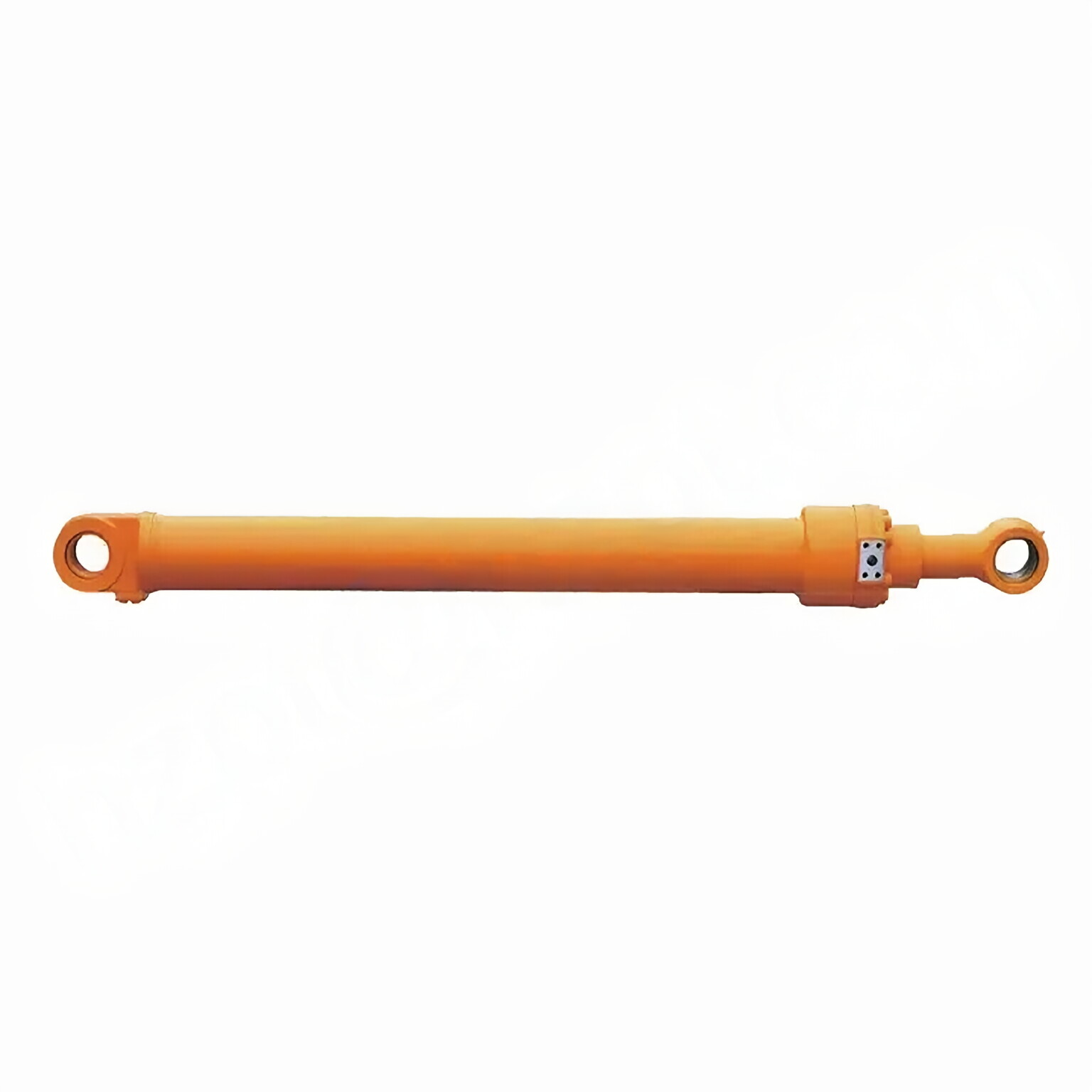
These are heavy-duty, welded-style cylinders built to rigorous standards for extreme industrial environments, often featuring thicker materials and specialized seals.
Selecting the correct hydraulic cylinder requires careful analysis of several technical parameters. The engineers at Raydafon Group assist clients in evaluating these critical factors.
| Parameter | Description | Importance & Consideration |
|---|---|---|
| Bore Diameter | The internal diameter of the cylinder barrel. | Determines the force output (Force = Pressure x Area). A larger bore generates greater force at the same pressure. |
| Rod Diameter | The diameter of the piston rod. | Affects retraction force, rod column strength, and resistance to buckling under compressive loads. Critical for stroke length and mounting style. |
| Stroke Length | The distance the piston rod travels from fully retracted to fully extended. | Defines the range of motion. Long strokes require consideration of rod buckling and cylinder mounting. |
| Operating Pressure | The maximum system pressure the cylinder is designed to withstand. | Must be matched to the system's maximum pressure. Safety factors are applied. Higher pressure ratings often require more robust construction. |
| Cushioning | A deceleration feature at the ends of the stroke. | Reduces shock, noise, and wear by slowing the piston before it contacts the end cap. Essential for high-speed or high-mass applications. |
| Seal Type & Material | The components that prevent fluid leakage. | Varies by fluid type (petroleum, HFA, HFC, etc.), temperature, pressure, and speed. Materials include polyurethane, nitrile, Viton®, and PTFE. |
| Mounting Style | The method of attaching the cylinder to the machine frame. | Influences how loads are transferred and how the cylinder aligns. Misalignment can cause premature wear and failure. |
Raydafon Group manufactures cylinders to precise international standards. Below is a specification table for our standard series, with custom engineering available.
| Cylinder Type | Standard Bore Range | Standard Rod Diameter | Rated Pressure (PSI) | Standard Mounting Options | Standard Seal Kit |
|---|---|---|---|---|---|
| NFPA Tie-Rod (Series 2H/3H) | 1.5" to 14" | Per NFPA standards | Up to 3,000 | Foot, Flange (Front/Rear), Clevis, Trunnion | NBR (Buna-N) for petroleum oils |
| Heavy-Duty Welded | 2" to 24" | Custom, based on application | 3,000 - 5,000 | Custom Welded Lugs, Flanges, Trunnions | Polyurethane or Viton® for high temp/pressure |
| Single-Acting Telescopic | Stage 1: 4" to 12" | Integrated Stage Sleeves | Up to 2,500 | Clevis, Trunnion (Base Cap) | Multi-lip NBR/Polyurethane |
| Mill-Type (Custom Engineered) | 6" to 40"+ | Designed for buckling loads | 1,500 - 3,000 (Standard Duty) | Heavy-Duty Flange, Pivot Block | Advanced compound (e.g., PTFE blends) |
Q: What is the main difference between a tie-rod and a welded hydraulic cylinder?
A: The primary difference lies in the construction method securing the cylinder ends. Tie-rod cylinders use external high-strength steel rods threaded through the end caps, making them easier to manufacture, disassemble, and service. Welded cylinders have their end caps directly welded to the barrel, resulting in a more compact, heavier-duty, and leak-resistant body better suited for high-pressure, high-cycle, or space-constrained mobile applications.
Q: How do I determine the correct bore size for my hydraulic cylinder application?
A: The bore size is calculated based on the required force and available system pressure. Use the formula: Bore Area = Required Force / System Pressure. Then, calculate the bore diameter from the area. Always factor in a safety margin and consider system efficiency (typically 85-95%). Raydafon Group's application engineers can perform this calculation, also considering dynamic loads and acceleration forces.
Q: When should I choose a telescopic cylinder over a single-stage cylinder?
A: Choose a telescopic cylinder when you require a long stroke from a machine with limited space for the cylinder's retracted length. Common examples are dump trucks or telescopic handlers where the available mounting space is short, but the required lift height is significant. For applications where space is not a constraint, a single-stage cylinder is generally simpler, more cost-effective, and easier to maintain.
Q: What does "cushioning" mean on a hydraulic cylinder, and is it necessary?
A: Cushioning is a feature that decelerates the piston rod near the end of its stroke. It works by restricting the flow of hydraulic fluid out of the cap or rod end port as the piston enters a specially designed cushion sleeve. It is highly recommended or necessary for applications involving high moving masses, high speeds, or frequent cycling. It reduces hydraulic shock, minimizes noise, and prevents damage to the cylinder and the machine structure, significantly extending component life.
Q: Can Raydafon Group provide custom hydraulic cylinders for non-standard applications?
A: Absolutely. Custom engineering is a core strength of Raydafon Group. We regularly design and manufacture cylinders for extreme conditions, including non-standard bore/rod sizes, exotic materials (stainless steel, chrome-plated rods), specialized seals for corrosive fluids, custom stroke lengths, unique mounting configurations, and applications with severe environmental factors like saltwater, extreme temperatures, or abrasive contamination. Our process begins with a detailed application review to specify the optimal solution.
Q: How critical is the rod gland sealing system, and what affects its lifespan?
A: The rod gland (or rod seal) is critical as it prevents hydraulic fluid from leaking out of the cylinder and contaminants from entering. Its lifespan depends on several factors: rod surface finish (a smooth, hard-chromed surface is ideal), alignment of the cylinder, the severity of side loads, operating pressure and temperature, cycle speed, and the compatibility of the seal material with the hydraulic fluid. Proper maintenance, including keeping the rod clean and inspecting for damage, is essential for longevity.

 Raydafon