
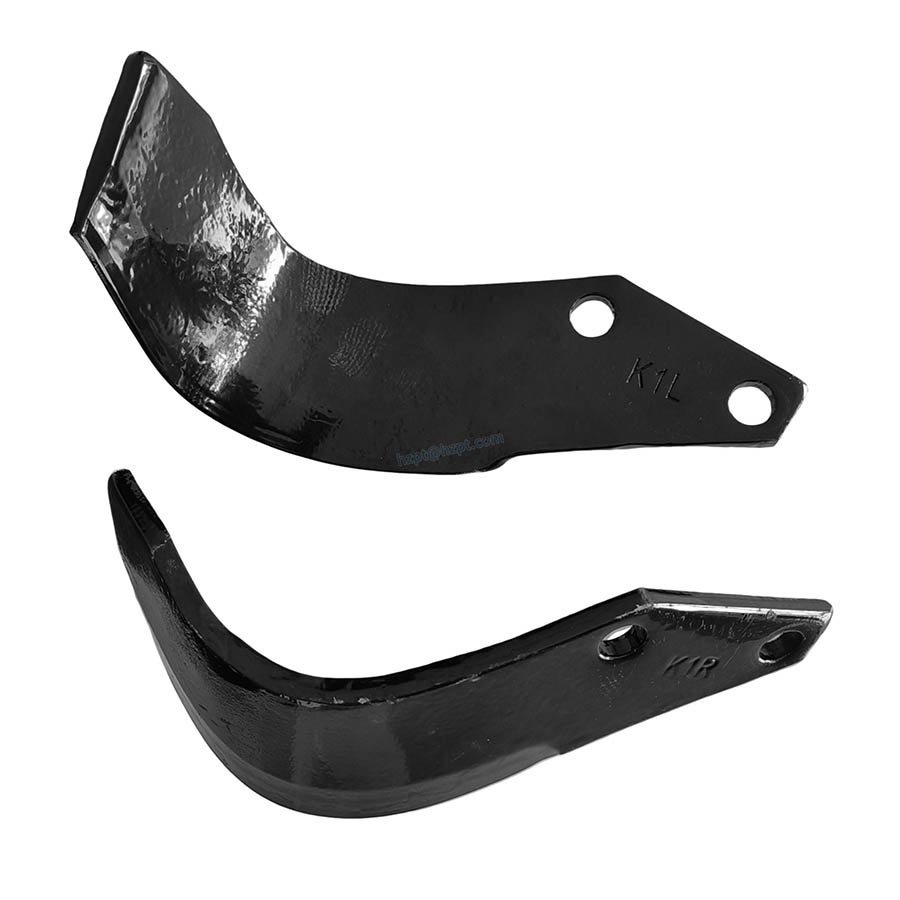
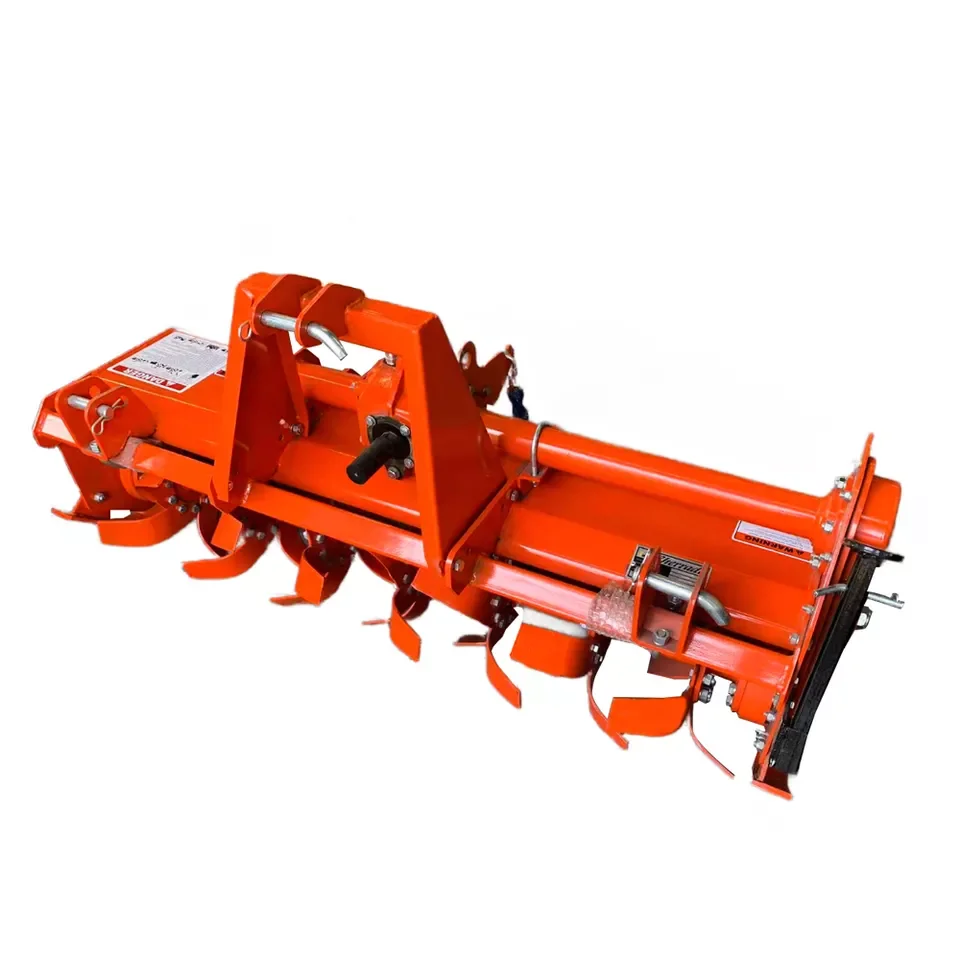
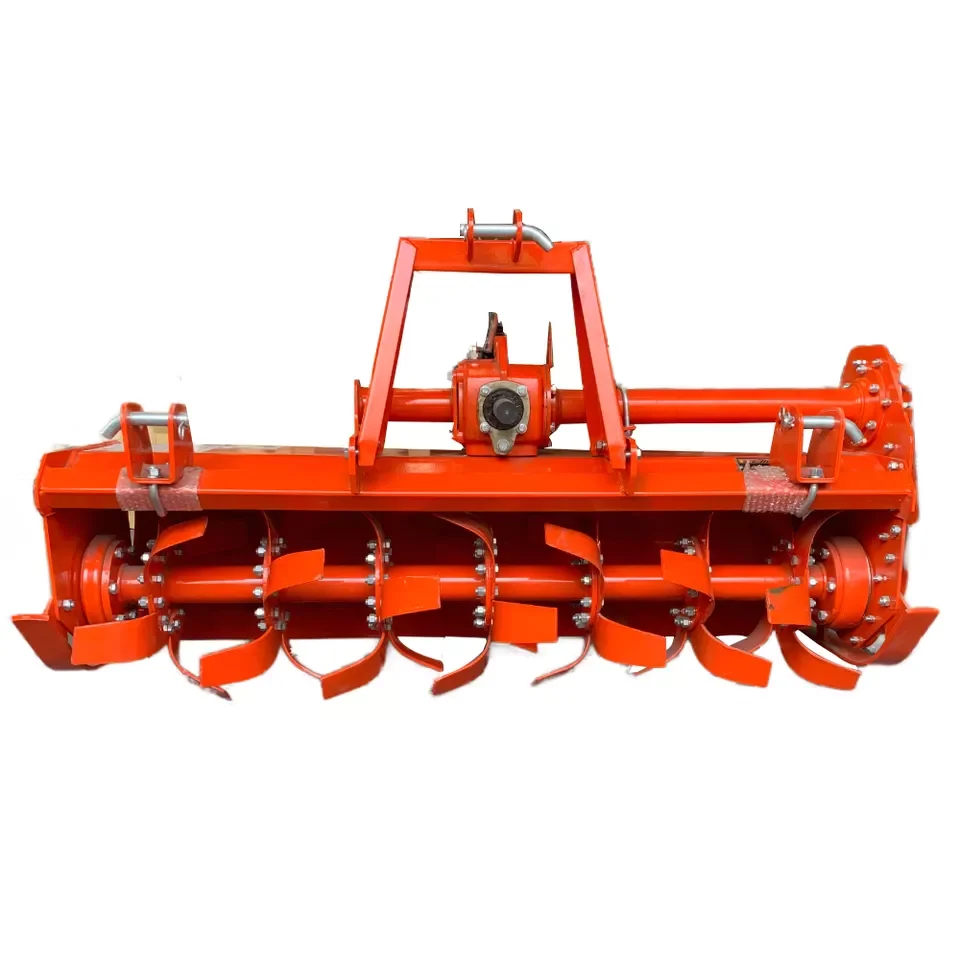
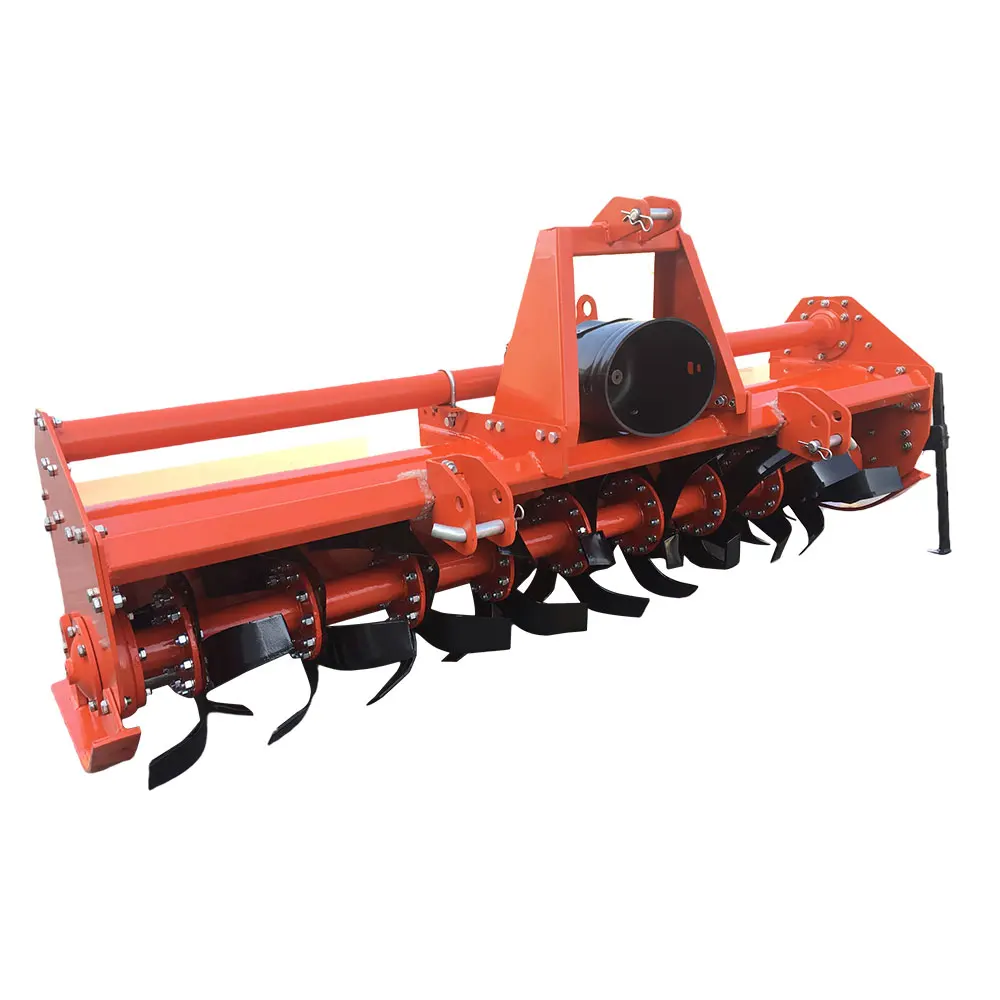
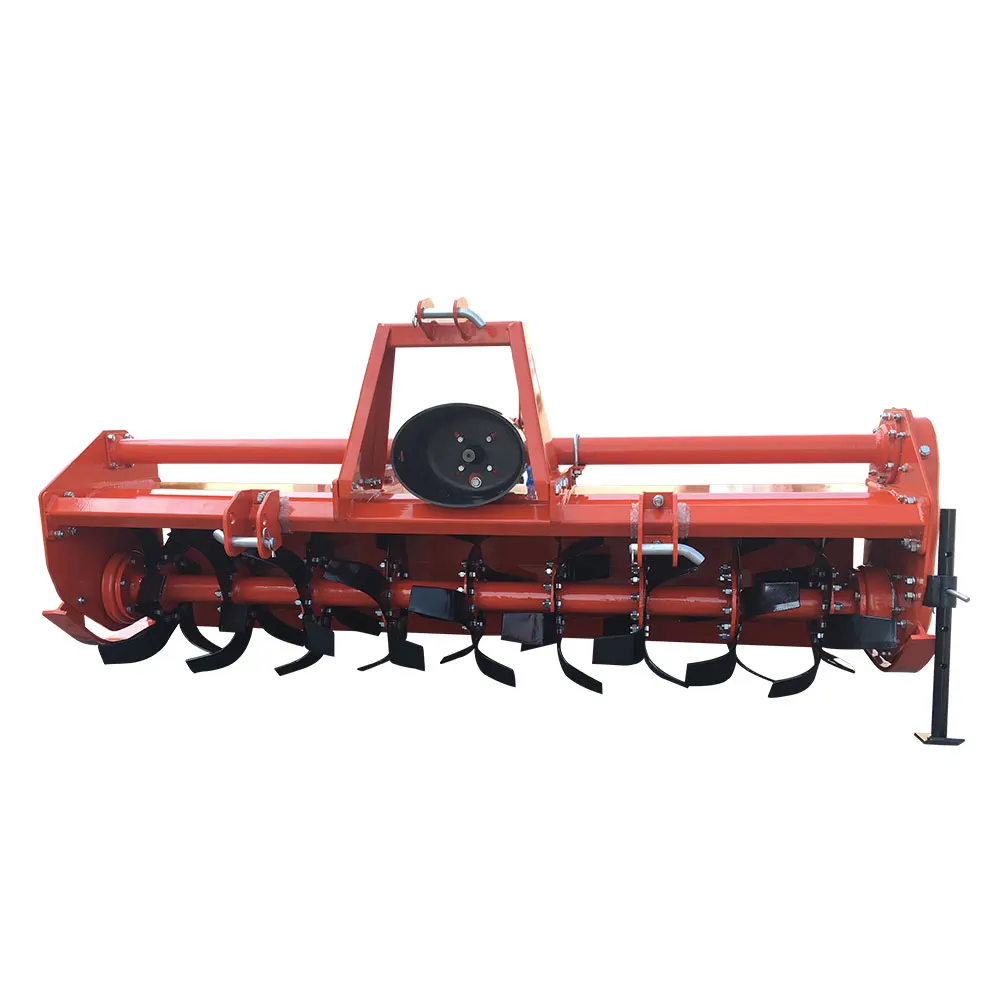
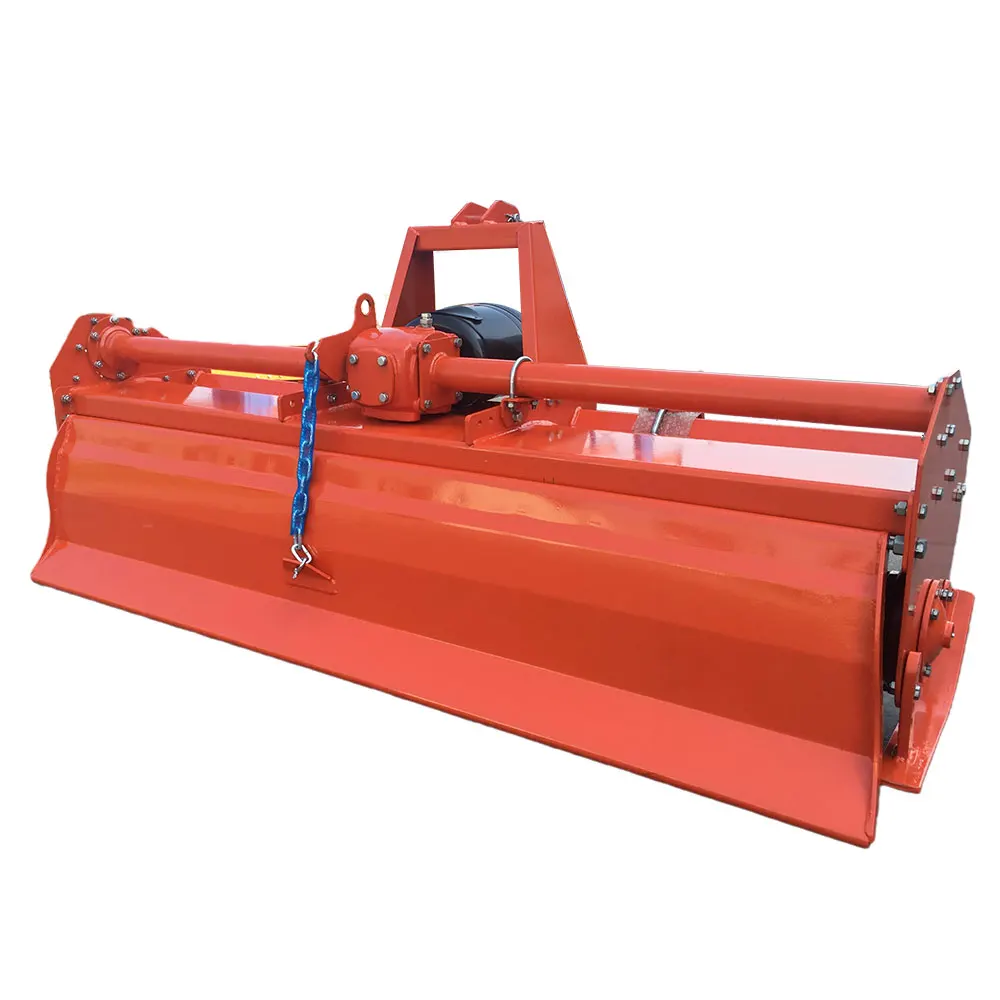
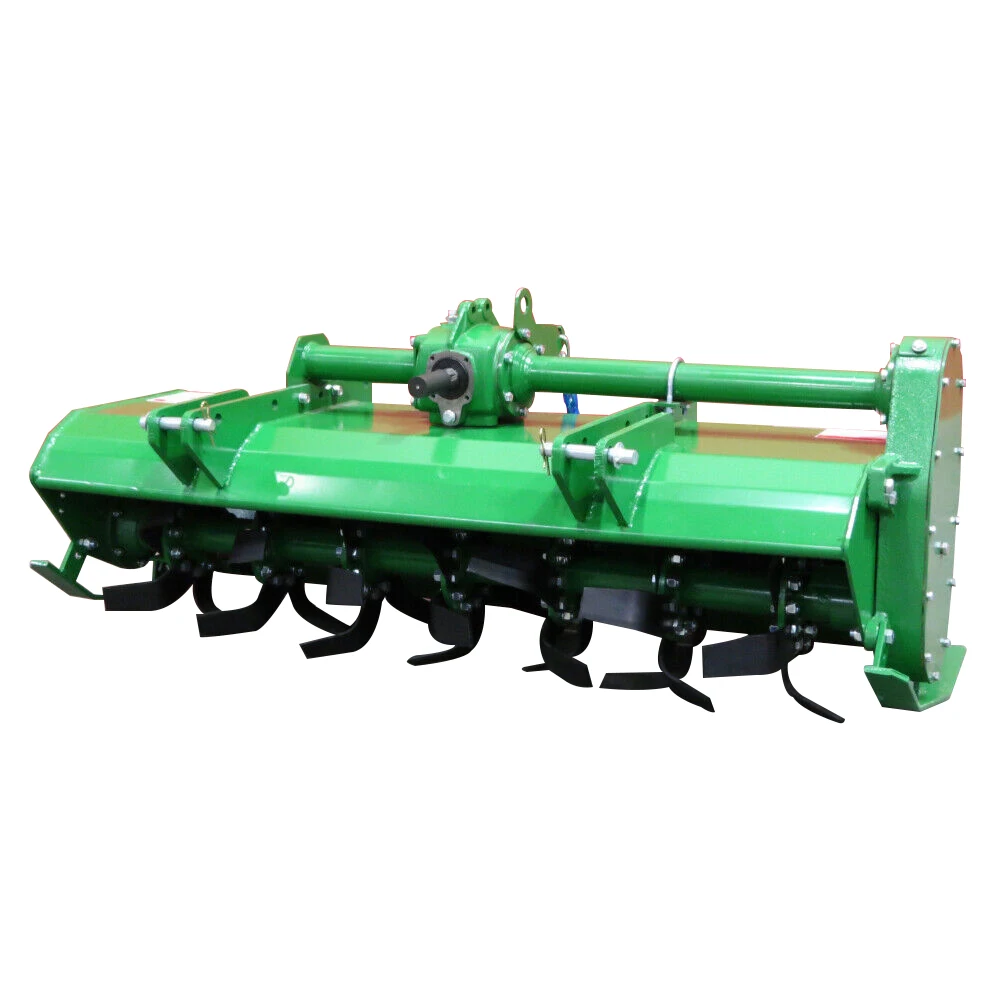
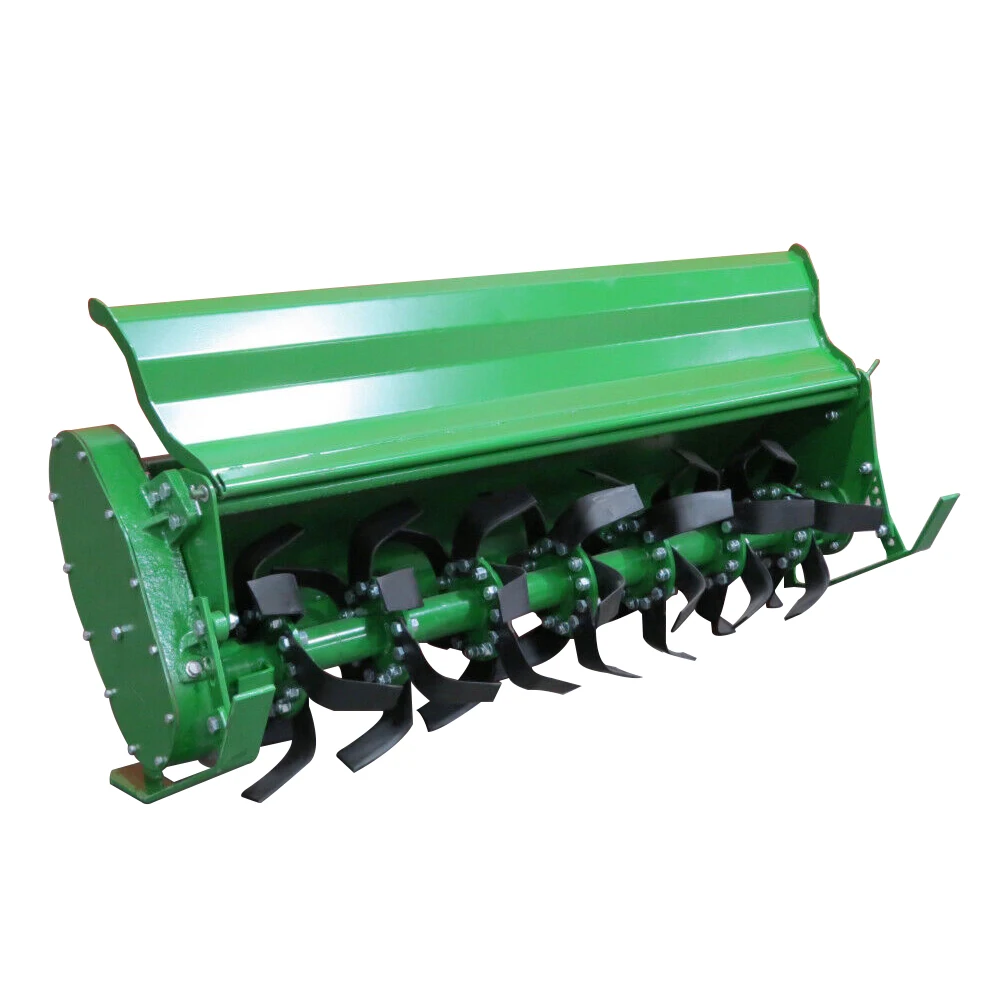
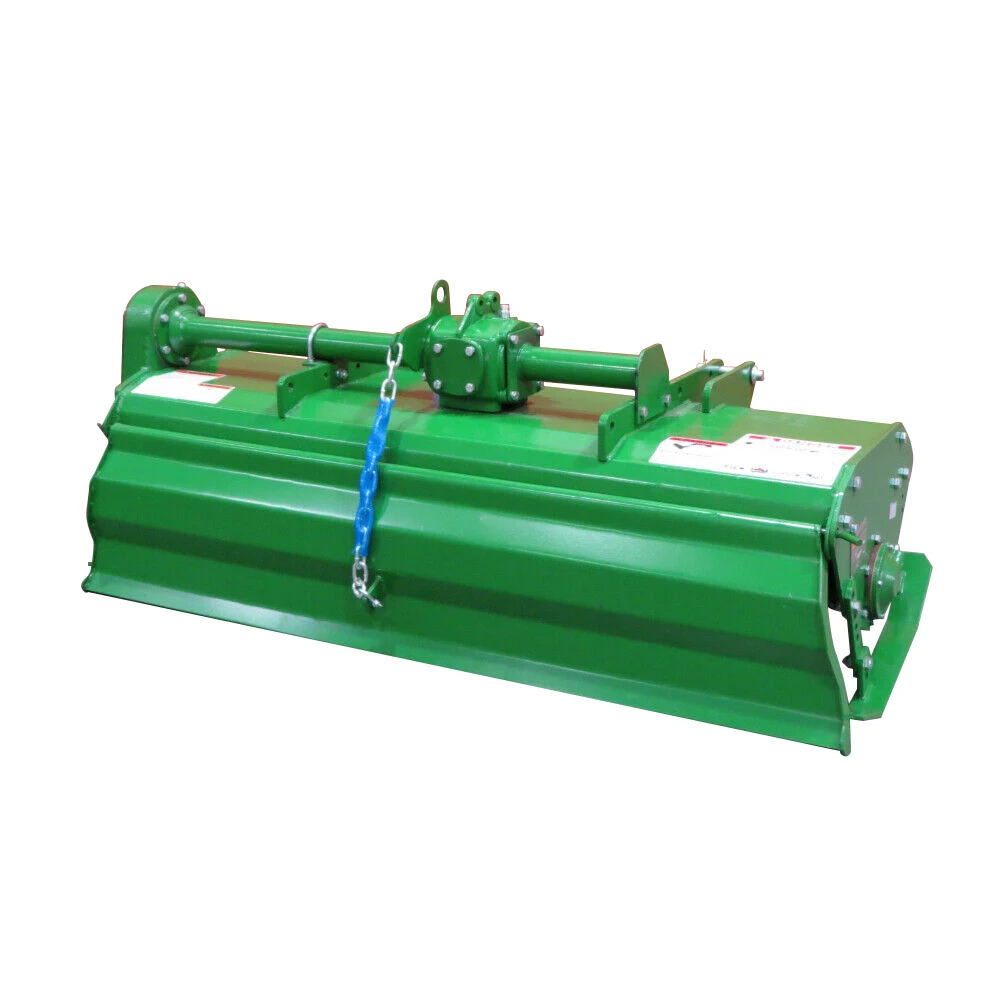
For farmers, landscapers, and serious gardeners seeking to transform tough ground into perfect seedbeds, efficient tillage is fundamental. The modern Rotavators (Rotary Tillers) stands as the undisputed champion of this task. These powerful machines combine the roles of a plough, a harrow, and a cultivator into one efficient pass, saving significant time, fuel, and labor. Unlike simple cultivators, a rotavator uses a set of rotating "L"-shaped blades (tines) mounted on a horizontal rotor to aggressively chop, cut, and mix the soil. This action creates a fine, loose, and aerated tilth ideal for planting, while also effectively incorporating crop residues, manure, or compost. At Raydafon Group, we have engineered a range of rotavators that deliver professional-grade performance, durability, and operator comfort for every scale of operation.
Our product line is categorized to meet specific power requirements and land sizes, from compact gardens to expansive fields. Below is a detailed overview of our core series.
Ideal for small-scale farmers, large vegetable gardens, nurseries, and landscaping projects. Designed for ease of use and maneuverability.
| Model | Working Width | Tine Blades | Recommended Tractor Power | Max. Working Depth | Rotor Rotation (RPM) | Key Feature |
|---|---|---|---|---|---|---|
| Raydafon CG-100 | 1.0 m (40") | 24 | 18-25 HP | 15 cm (6") | 280-320 | Lightweight design, easy height adjustment, perfect for raised beds. |
| Raydafon CG-125 | 1.25 m (50") | 28 | 25-35 HP | 18 cm (7") | 280-320 | Side skid depth control, reinforced gearbox for durability. |
| Raydafon CG-150 | 1.5 m (60") | 32 | 35-45 HP | 20 cm (8") | 260-300 | Offset capability for working close to fences/trees, standard slip clutch. |
The workhorse range for medium-sized farms, orchards, and preparation of paddocks. Built for reliability and consistent performance in varied soil conditions.
| Model | Working Width | Tine Blades | Recommended Tractor Power | Max. Working Depth | Rotor Rotation (RPM) | Key Feature |
|---|---|---|---|---|---|---|
| Raydafon SD-165 | 1.65 m (65") | 36 | 45-60 HP | 22 cm (9") | 240-280 | Heavy-duty gearbox with oil bath lubrication, reversible tines. |
| Raydafon SD-180 | 1.8 m (72") | 40 | 55-75 HP | 22 cm (9") | 240-280 | Double row of depth control wheels for stability, Cat. I & II hitch. |
| Raydafon SD-200 | 2.0 m (79") | 44 | 65-85 HP | 25 cm (10") | 220-260 | Integrated rear leveling board for a perfectly flat finish. |
Engineered for large-scale agricultural operations, contractors, and challenging soil types (clay, rocky). Maximum power transmission and component strength.
| Model | Working Width | Tine Blades | Recommended Tractor Power | Max. Working Depth | Rotor Rotation (RPM) | Key Feature |
|---|---|---|---|---|---|---|
| Raydafon HD-220 | 2.2 m (87") | 48 | 80-110 HP | 28 cm (11") | 200-240 | Forged alloy steel tines, heavy-duty skids with replaceable soles. |
| Raydafon Pro-250 | 2.5 m (98") | 56 | 100-130 HP | 30 cm (12") | 180-220 | Bolt-on tine segments for easy replacement, heavy-duty roller bearing assembly. |
| Raydafon Pro-300 | 3.0 m (118") | 64 | 130-180 HP | 30 cm (12") | 180-220 | Folding wings for transport, hydraulic depth adjustment, shear bolt protection standard. |
The longevity and performance of a rotavator depend on the quality of its core components. Raydafon Group uses only premium materials and proven designs.
What is the main difference between a rotavator and a cultivator?
A cultivator typically uses rigid or spring tines to break up and aerate already-tilled soil, primarily for weed control. A rotavator is a much more powerful primary tillage tool. It uses powered, rotating blades to actively cut into unbroken or compacted soil, pulverizing it and creating a fine seedbed in one pass. Think of a cultivator for maintenance and a rotavator for preparation.
What size tractor do I need for a Raydafon rotavator?
The required tractor power depends on the working width of the rotavator and your soil conditions. As a general rule, you need 15-20 HP per foot (30-40 HP per meter) of working width for medium soils. For heavy clay or deep tilling, more power is advisable. Always refer to our specification tables (e.g., SD-180 requires 55-75 HP) and consult with your Raydafon dealer to match the implement to your tractor's PTO horsepower and weight.
Can a rotavator be used on rocky or very hard ground?
Yes, but with caution. Our HD and Pro Series are built for such conditions. It is crucial to use the shear bolt or slip clutch protection system correctly. Always start with a shallow pass to break the surface, then gradually increase depth. Removing large surface rocks beforehand is highly recommended to prevent damage to the tines and rotor. The heavy-duty construction of Raydafon rotavators provides the necessary resilience.
How do I maintain my Raydafon rotavator to ensure long life?
Regular maintenance is key. After each use, clean off mud and debris. Before and after the season, check and tighten all bolts and nuts. Grease all lubrication points (zerk fittings) on the PTO shaft, rotor bearings, and depth control mechanisms. Check the gearbox oil level periodically and change the oil as specified in the manual (typically every 100-200 working hours). Inspect tines for wear and reverse or replace them when worn down by 30-40%.
What does "reversible tines" mean and why is it important?
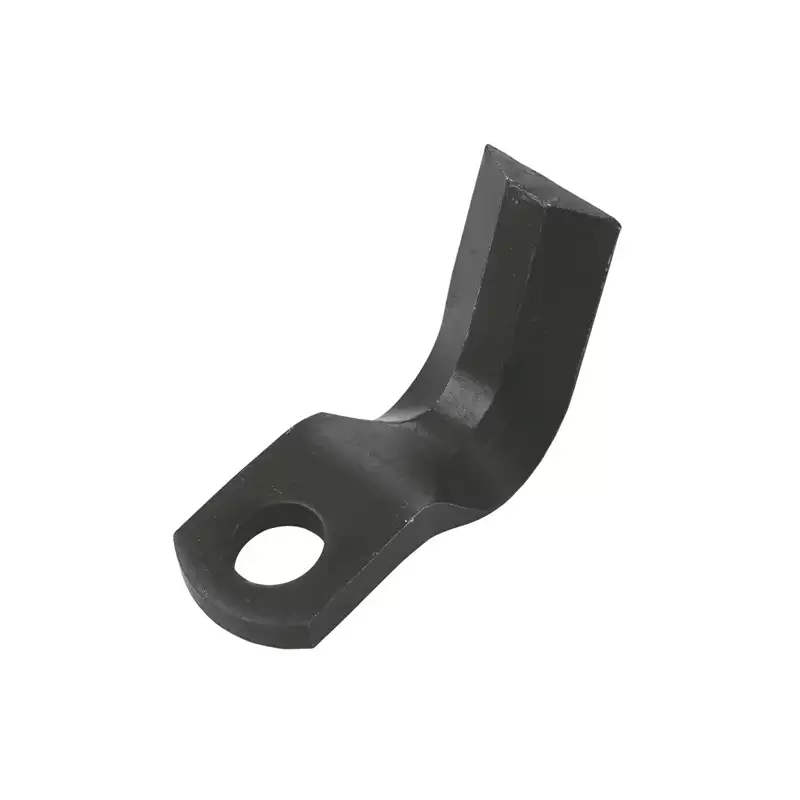
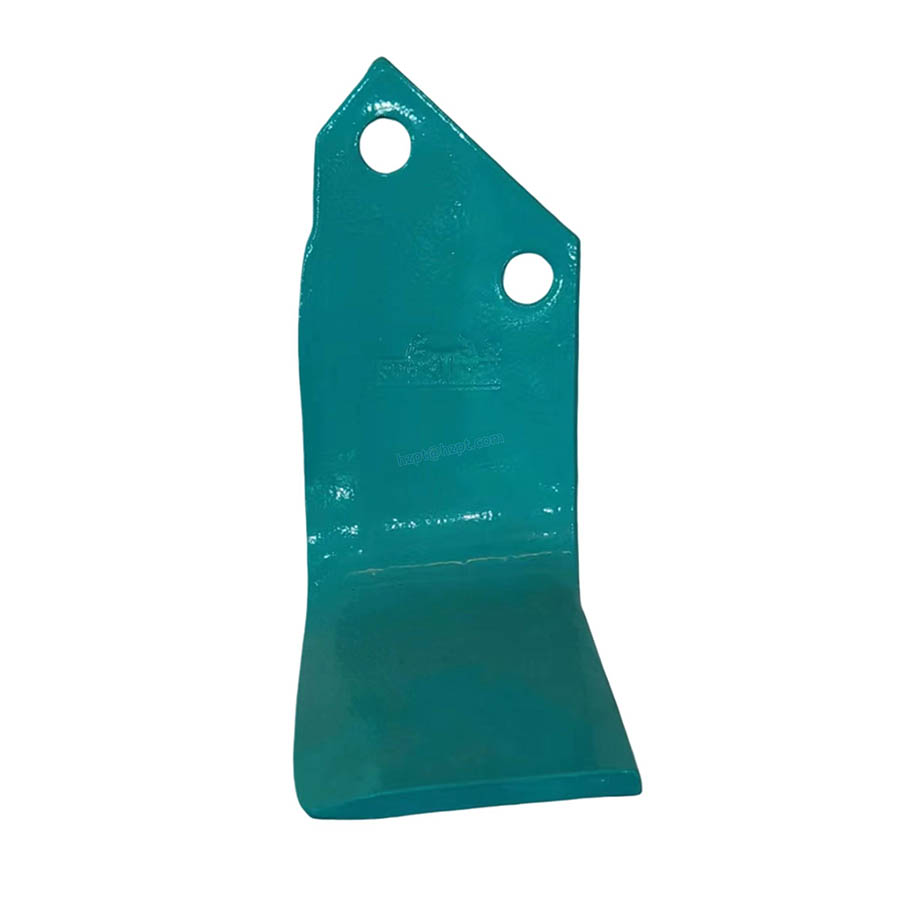
Reversible tines are "L"-shaped blades that can be unbolted and flipped to present a fresh, sharp cutting edge. Once the leading edge becomes dull from wear, reversing them doubles their usable life before replacement is needed. All Raydafon Standard and Heavy Duty series come with reversible tines as standard, providing significant cost savings over time.
Is a rotavator suitable for incorporating a green manure or cover crop?
Absolutely. This is one of the most effective uses of a rotavator. The high-speed rotating tines chop the plant material thoroughly and mix it uniformly into the top layer of soil. This accelerates decomposition and nutrient release. For best results, mow or roll the cover crop first if it is very tall or dense, then till it in with the Raydafon rotavator.
How deep should I set my rotavator?
The ideal depth varies with the task. For seedbed preparation for most vegetables and cereals, a depth of 10-15 cm (4-6 inches) is typical. For incorporating deeper residues or breaking a hardpan, you may go to 20-25 cm (8-10 inches). Avoid tilling deeper than necessary, as it can bring up infertile subsoil and damage soil structure. Our machines offer precise depth adjustment for optimal results.
Can I use a rotavator for creating garden beds or landscaping?
Yes, our Compact Garden (CG) Series is perfect for this application. They are maneuverable and powerful enough to break new ground for flower beds, vegetable patches, or lawn preparation. The fine tilth produced eliminates the need for extensive raking, saving considerable labor in landscaping projects.
Selecting the correct model involves assessing several factors:
The engineering philosophy at Raydafon Group is rooted in delivering machines that are not just tools, but reliable partners in productivity. From the premium steel in our tines to the precision of our gearboxes, every component is selected and assembled to meet the rigorous demands of modern agriculture. By integrating advanced design with practical functionality, we ensure that a Raydafon rotavator becomes a cornerstone of your land management strategy, season after season.

 Raydafon