
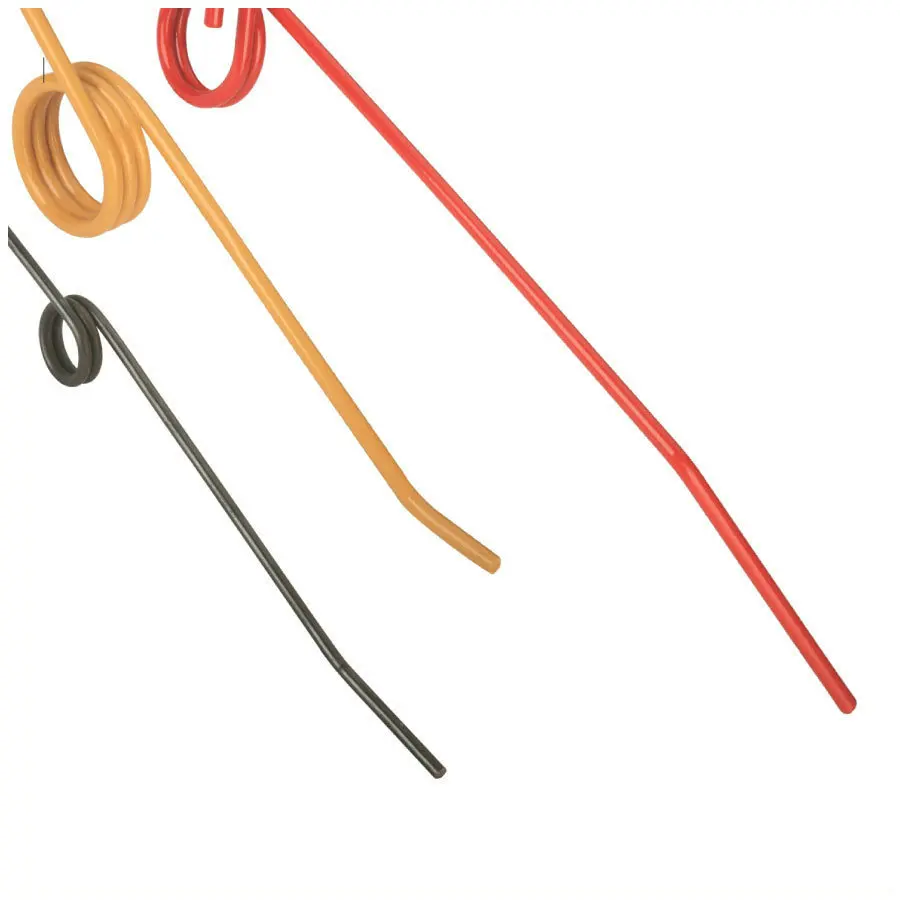
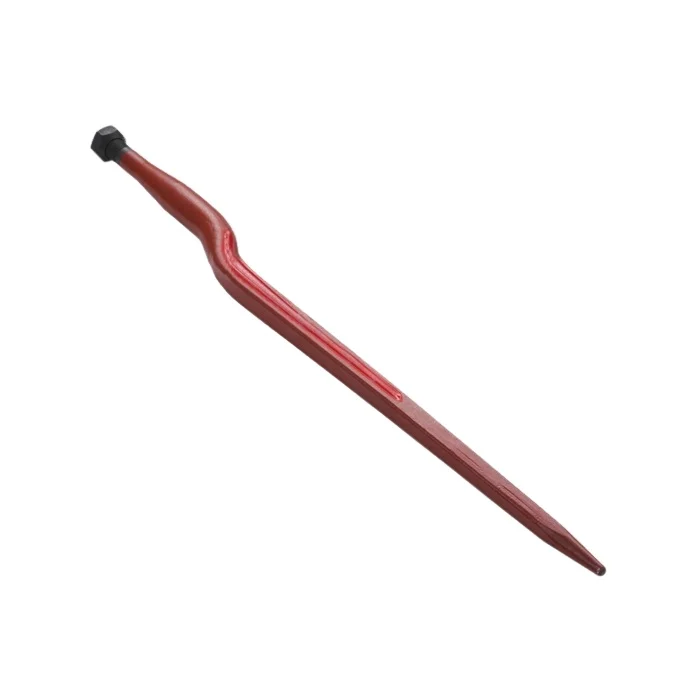
Spring tines are used in various agricultural machines, including:
Spring tines are used as soil cultivation components in light cultivators such as garden plows, bed shapers, and harrows. They are used to loosen the soil by their up and down vibration without damaging the soil structure. The spring tines can also cut weed roots, making soil cultivation more comfortable.
Spring tines are installed as key components on rotors in lawnmowers, harrows, and multi-purpose lawn care machines. They help to comb the lawn, remove dead grass, enhance the lawn's ventilation and drainage, and remove stones and debris from the grass.
Some farming machines use spring tine structures to crush crop residues on the surface soil and level the land before seeding, making it easier for seeds to germinate and grow.
Spring tines are commonly used in small and flexible orchard rotary cultivators or dedicated orchard sweepers, which protect the tree trunks from damage and clear weeds and fallen leaves.
Some film recovery machines use spring tines to scrape and collect the agricultural film on the ground.
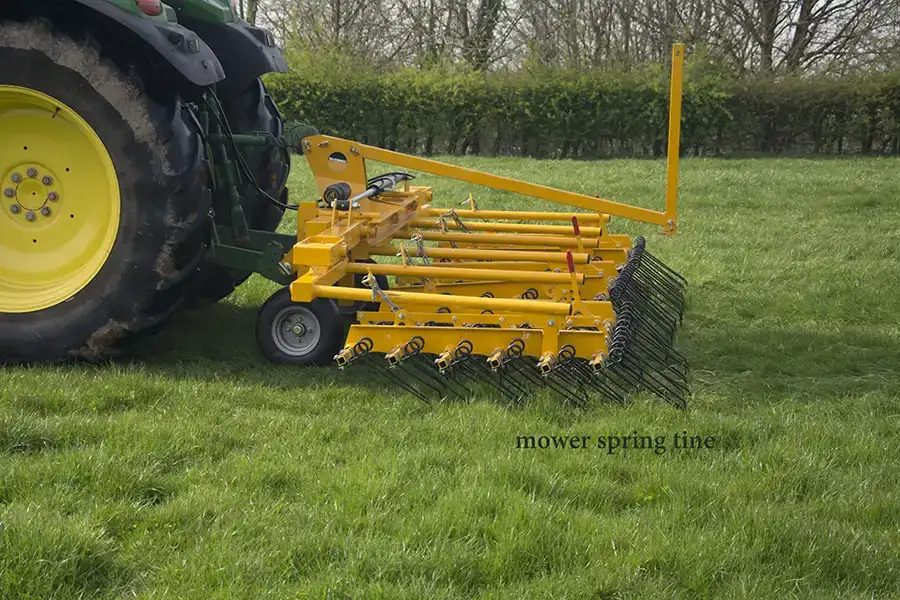
Rotary Tiller Tines Harrow Spring Tines for cultivator can be used in various agricultural machines from different brands, including:
| Brand | Model | Machine Part |
|---|---|---|
| John Deere | 1025R | Rotary tiller |
| Massey Ferguson | GC1705 | Harrow |
| Kubota | B2320 | Cultivator |
| New Holland | Boomer 24 | Rotary tiller |
You should replace your Spring tines when:
They are severely worn: Check the tip and the main body of the Spring tines for any thinning, deformation, breakage, or severe rust. If the metal blade is too thin or worn out too much, it cannot penetrate the soil effectively, making it ineffective for soil cultivation.
They lose their elasticity: If the Spring tines lose their elasticity, they won't vibrate up and down to adapt to the ground's undulations and cut weeds effectively. The spring may also fatigue and become ineffective. Replace the Spring tines if any part of the spring becomes twisted, broken, or permanently deformed.
They reduce work efficiency: If soil loosening is not deep enough, residue cleaning is incomplete, or the operation is not as effective as before, it may be due to a decrease in the Spring tine's efficiency.
They damage the crops: If Spring tines become abnormally sharp due to wear or deformation, they may cut the roots or plants, leading to unexpected crop losses.
Consider the following when choosing the right Spring Tines:
Application type: Determine the type of Spring tines needed according to the farming machine's specific purpose, such as soil cultivation, weed removal, or residue cleaning. Different types of work require different shaped and hardened Spring tines. For example, soil loosening may require wider and more elastic Spring tines, while weed removal may require sharp and moderately hard Spring tines.
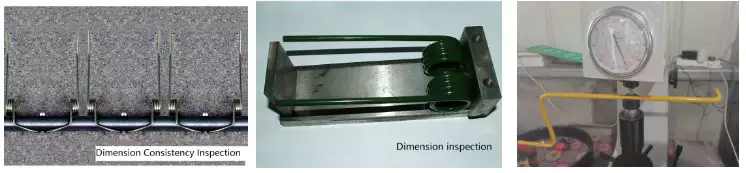
Material and quality: Spring tines' material affects their durability and efficiency. High-quality Spring tines are usually made of wear-resistant and corrosion-resistant metal materials, such as carbon steel, alloy steel, or stainless steel. Surface treatment techniques such as heat treatment and electroplating can improve wear resistance and corrosion resistance capabilities.
Size and specifications: Determine the required length, width, and thickness of Spring tines. These parameters should match the design of the farming machine, ensuring correct installation and effective operation.
Strength and toughness: The Spring tine's elastic force and rebound performance directly affect its working effect. Ensure effective cutting and soil loosening while preventing damage to the soil structure or excessive impact on the mechanical system due to overly strong elastic force.
Author: Miya
Address
Luotuo Industrial Area, Zhenhai District, Ningbo City, China
Tel

 Raydafon