
In the demanding world of industrial machinery, agricultural equipment, and material handling, few components are as critical and enduring as the Pintle chain. As a cornerstone of power transmission and conveying systems, its robust design and straightforward functionality have made it a preferred choice for applications where high torque, shock loading, and adverse environmental conditions are the norm. For over two decades, Raydafon Group has been at the forefront of engineering and manufacturing premium pintle chains, building a reputation for reliability that our clients in mining, agriculture, forestry, and construction have come to depend on.
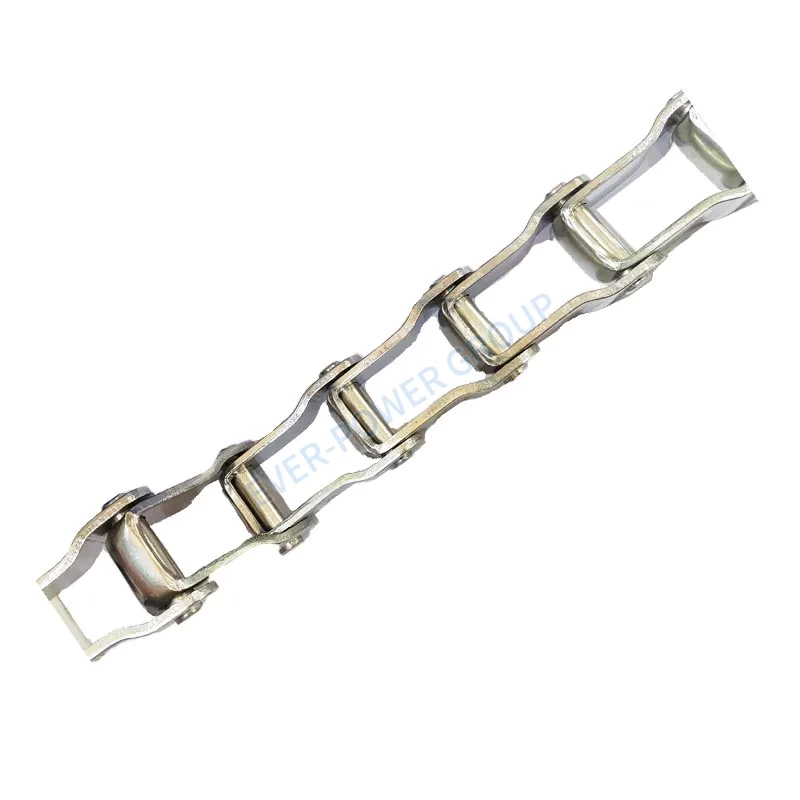
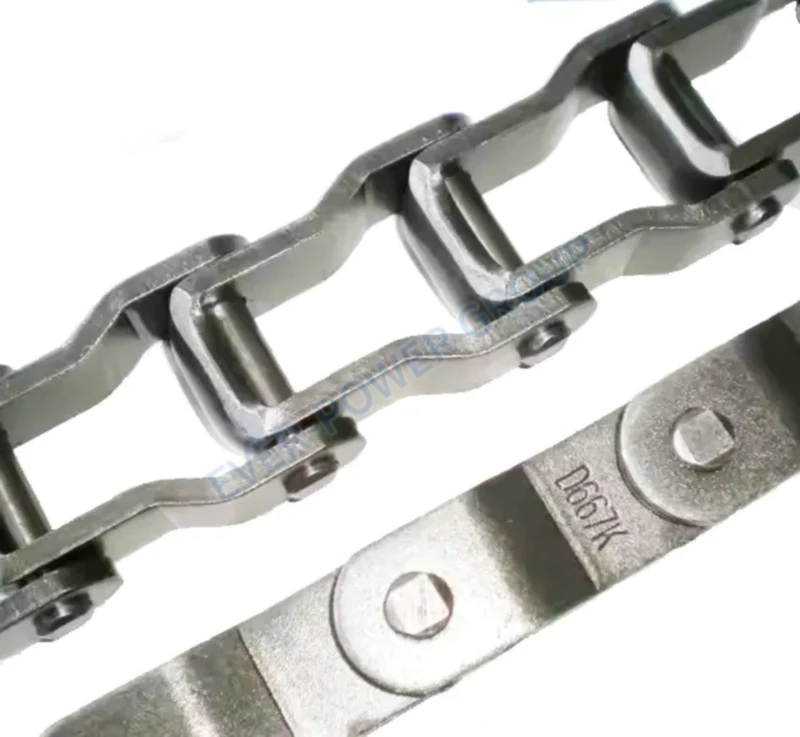
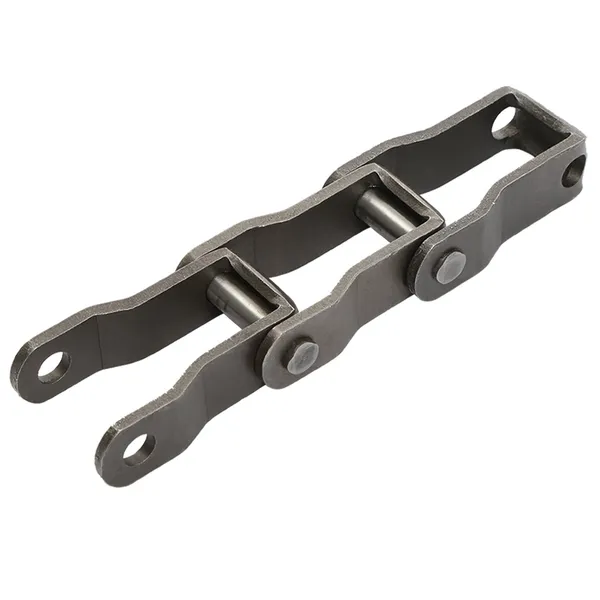
Unlike more complex roller chains, the pintle chain's design is elegantly simple, consisting of interlocking cast or forged links connected by pins (or "pintles"). This construction provides exceptional strength and allows for easy attachment of flights, paddles, or other components, making it incredibly versatile for both driving and conveying purposes. At Raydafon Group, we understand that your operation's uptime depends on the quality of every link. That's why we meticulously control every stage of production, from alloy selection to final heat treatment, ensuring each chain delivers maximum service life under the toughest conditions.
Selecting the correct pintle chain is paramount for optimal performance and longevity. Raydafon Group offers a comprehensive range designed to meet various load capacities, speeds, and environmental challenges. Below are the critical parameters that define our product lines.
Our engineering team has curated the following table to illustrate the standard specifications for our most popular pintle chain series. All dimensions are in inches and pounds for compatibility with North American industrial standards.
| Chain Size (Pitch) | Average Ultimate Tensile Strength (lbs) | Recommended Working Load (lbs) | Link Plate Thickness (in) | Pin Diameter (in) | Primary Application Range |
|---|---|---|---|---|---|
| #1 (1.0") | 12,500 | 2,500 - 3,100 | 0.250 | 0.375 | Light conveyors, small agricultural feeders |
| #2 (1.5") | 25,000 | 5,000 - 6,250 | 0.312 | 0.500 | Manure spreaders, medium-duty conveyors |
| #3 (2.0") | 44,000 | 8,800 - 11,000 | 0.375 | 0.625 | Bulk material handling, industrial mixers |
| #4 (2.5") | 70,000 | 14,000 - 17,500 | 0.437 | 0.750 | Heavy-duty rock conveyors, forestry equipment |
| #5 (3.0") | 100,000 | 20,000 - 25,000 | 0.500 | 0.875 | Mining conveyors, large-scale composting systems |
Note: Working load recommendations assume moderate speeds (under 150 ft/min) and proper alignment. Consult Raydafon Group engineering for high-speed or high-shock applications. All values are for standard alloy; high-strength variants offer increased capacity.
Beyond standard specifications, Raydafon Group integrates several advanced features into our chains to solve common industry pain points.
Q: What is the main difference between a pintle chain and a standard roller chain?
A: The fundamental difference lies in the design and assembly. A pintle chain typically features cast or forged solid side plates with a simple pin (pintle) connection. It does not have bushings or rollers. This makes it generally stronger in static and shock loading, more tolerant of misalignment and debris, and easier to repair in the field by driving out the pin. Roller chains, with their bushing/roller assembly, are typically designed for higher-speed, smoother operation in clean environments but can be more susceptible to damage from impact and contamination.
Q: How do I determine the correct size (pitch) of pintle chain for my application?
A: The primary factor is the load requirement. Calculate the total tensile load on the chain, which includes the weight of the conveyed material, the chain itself, any attachments, and dynamic forces from starting and stopping. Apply a safety factor (typically 6:1 to 10:1 for heavy-duty applications) to this total load to determine the required minimum ultimate tensile strength. Then, reference a manufacturer's chart, like the one provided by Raydafon Group above, to select a chain size whose ultimate strength exceeds this value. Also, consider physical space constraints and the size of the sprockets being used.
Q: Can pintle chains be used with standard roller chain sprockets?
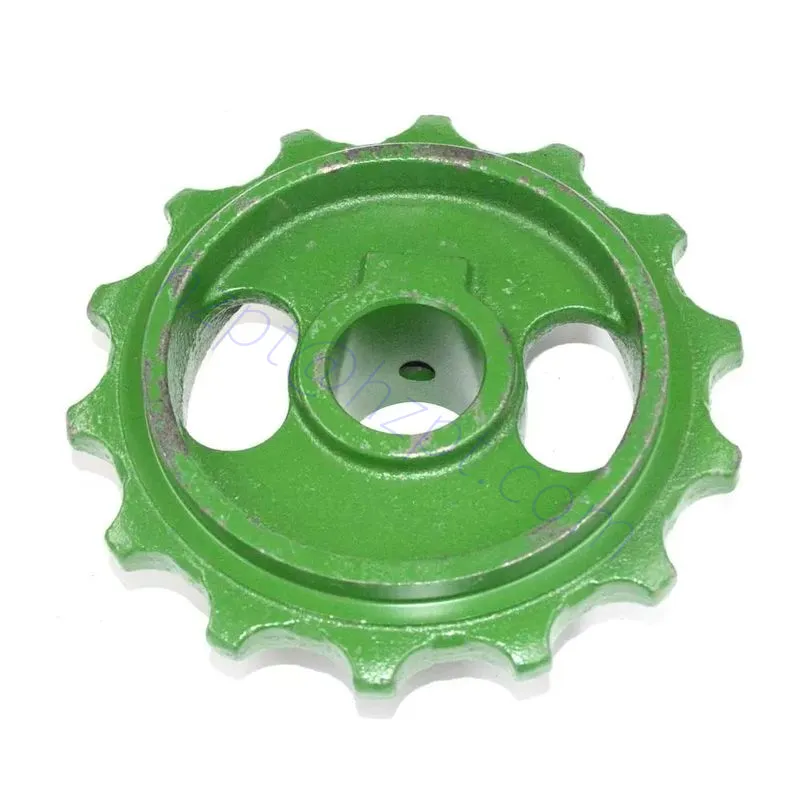
A: No, they cannot. Pintle chains and roller chains have different tooth profiles and engagement mechanisms. Pintle chains require specifically designed pintle chain sprockets. The sprocket teeth are shaped to properly engage the gap in the cast link and the pin. Using the wrong sprocket will cause rapid wear, excessive noise, and potential for jumping teeth or failure. Always use sprockets rated and designed for the specific pintle chain size and type.
Q: What are the best practices for lubricating a pintle chain?
A: While pintle chains are known for running relatively dry, proper lubrication drastically extends life. Use a good quality, adhesive chain lubricant designed for heavy-duty applications. The lubricant should penetrate the pin/link interface. For chains in extremely dirty or abrasive environments (like grain handling or soil), a dry-film lubricant can sometimes be preferable as it attracts less clinging debris. The key is consistency; establish a regular re-lubrication schedule based on operating hours and environmental severity. Raydafon Group's chains with lubrication channels simplify this process.
Q: My Raydafon Group pintle chain operates in a highly corrosive environment (e.g., fertilizer handling, wastewater). What are my options?
A: Raydafon Group offers several solutions for corrosion resistance. For severe conditions, we recommend our specially formulated stainless-steel alloy chains. For moderate conditions, hot-dip galvanized chains provide excellent protection at a lower cost. Another option is our powder-coated chains, where a thick, durable epoxy or polymer coating is applied after manufacturing, creating a barrier against moisture and chemicals. Consulting with our technical sales team is crucial to select the most cost-effective material for your specific corrosive agents and pH levels.
Q: How can I tell when my pintle chain needs to be replaced, and can individual links be repaired?
A: Key signs of wear include visible elongation (an increase in pitch length), severe wear on the link edges where they contact the sprocket, cracked or deformed links, and significant wear on the pins leading to a loose fit. A common rule is to replace the chain when it shows 3% elongation over its original length. Regarding repair, the simplicity of the pintle chain is a major advantage. Individual damaged links can often be replaced in the field by driving out the pin, removing the bad link, and installing a new one with a new pin and cotter. Raydafon Group sells repair links and kits for this purpose, helping to minimize downtime.
The application dictates the required features. Raydafon Group's product development is driven by these sector-specific challenges.
Agriculture: For manure spreaders, feed wagons, and grain carts, chains face a combination of abrasive wear, corrosion from chemicals, and high shock loads. We recommend our standard or galvanized chains with hardened components. K-style flights are commonly attached for effective material movement.
Mining & Aggregate: Conveying rocks, sand, and ore subjects chains to extreme abrasion and heavy impact. Our premium series with shot-peened, high-carbon steel links and dual-hardness pins is engineered for this environment. Extended wear plates can be added to links for additional protection.
Forestry & Biomass: Handling logs, chips, and biomass involves shock loading and exposure to moisture and organic acids. Chains with good corrosion resistance and high fatigue strength are key. Raydafon Group's chains with precise machining to prevent material trapping are ideal.
Wastewater & Recycling: Corrosion from chemicals and moisture is the primary enemy. Stainless steel or heavily galvanized chains from our corrosion-resistant line are the standard here, often coupled with non-clogging flight designs.

 Raydafon