
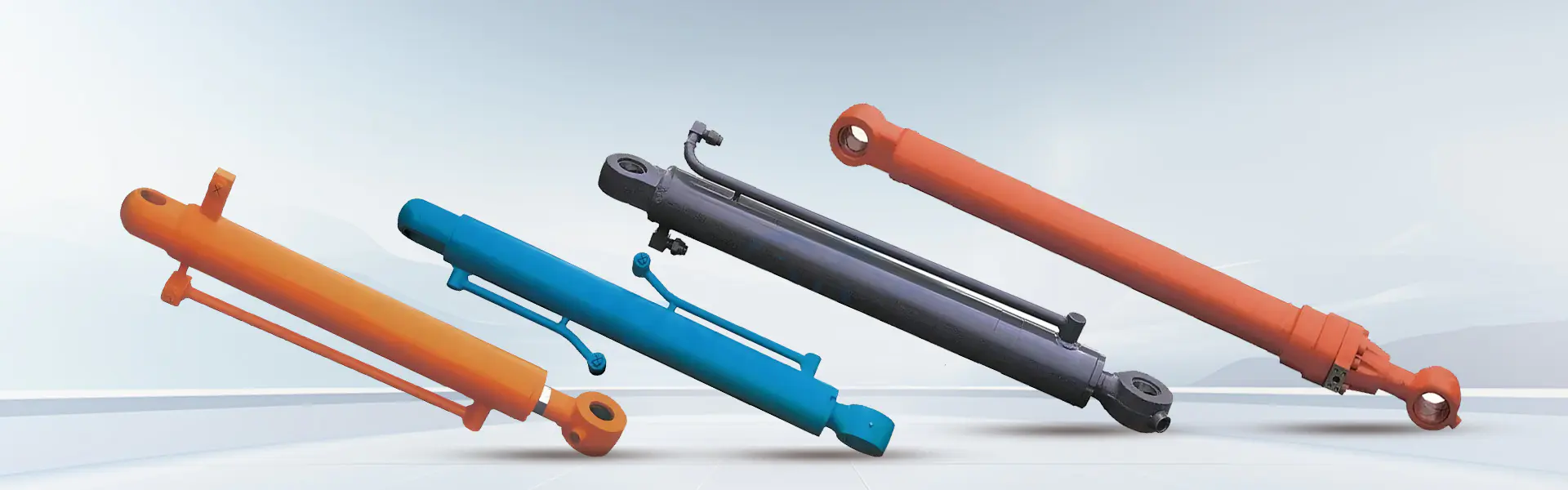
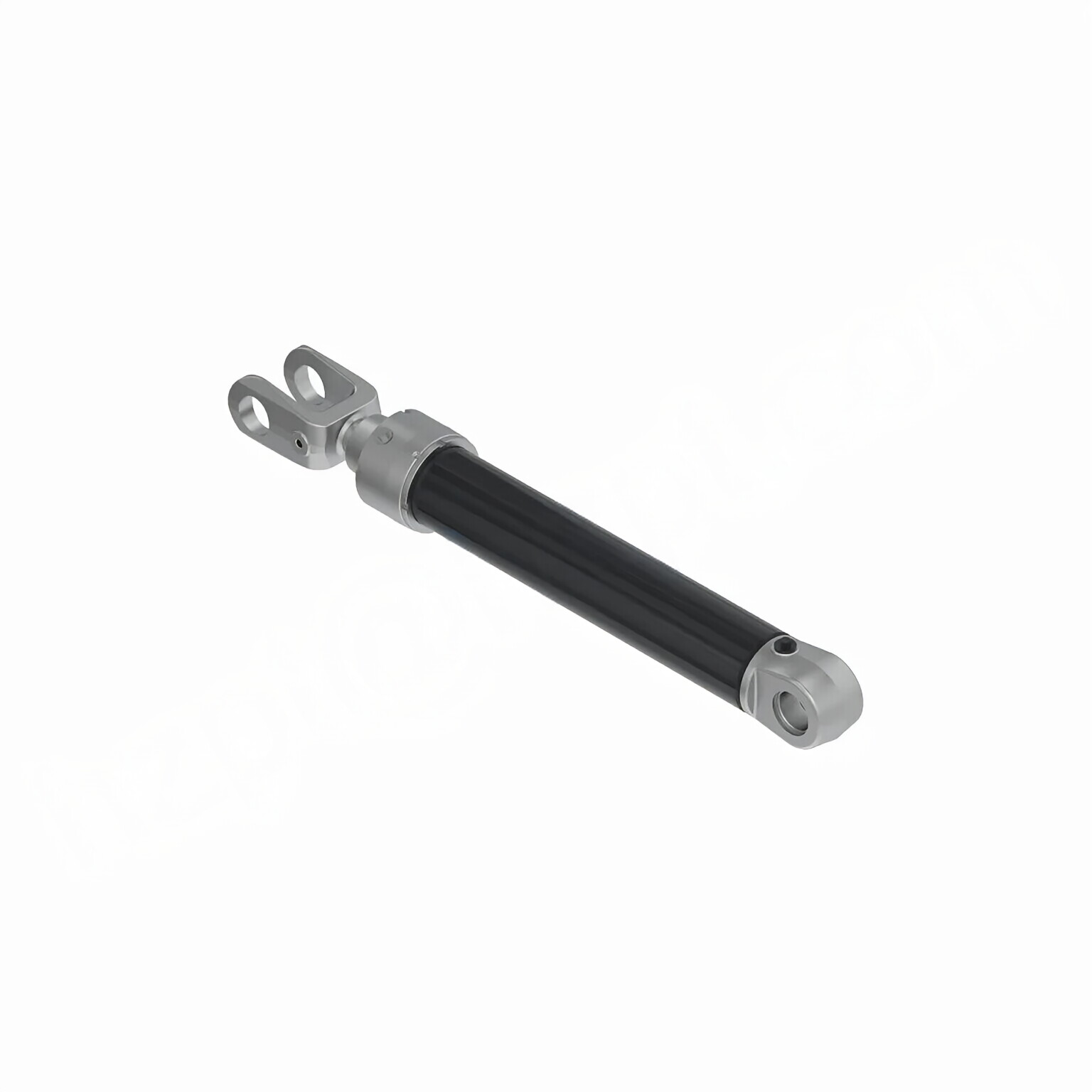
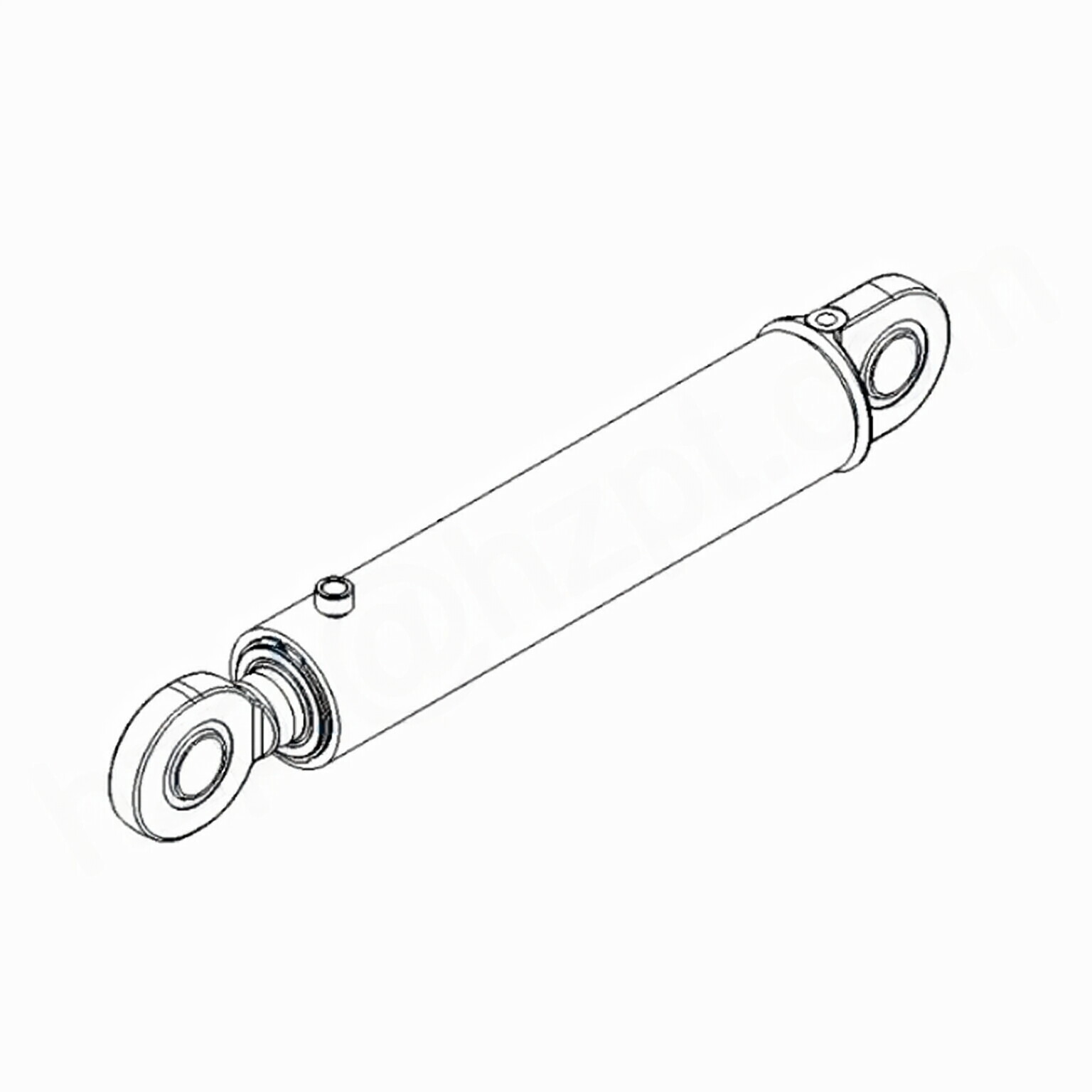
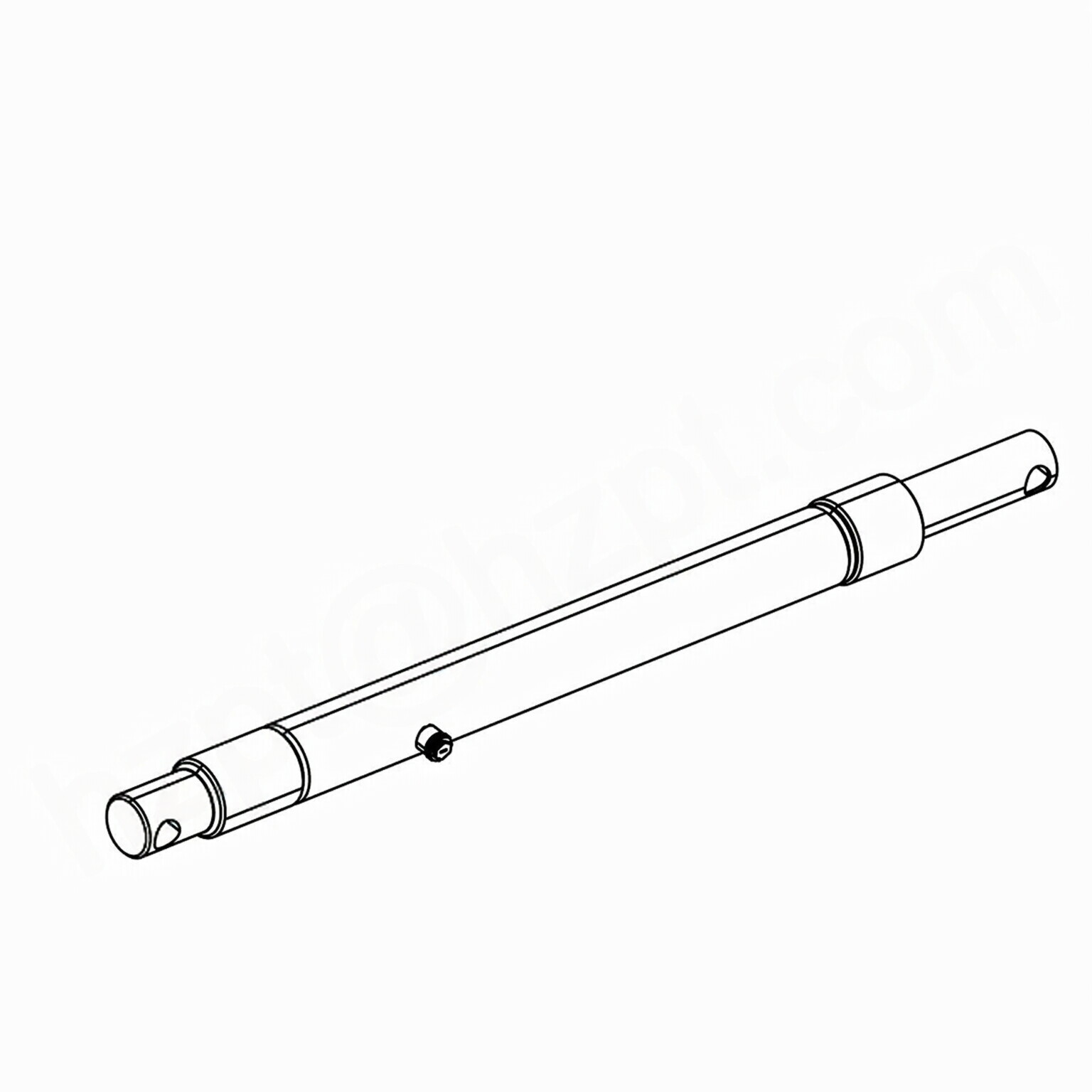
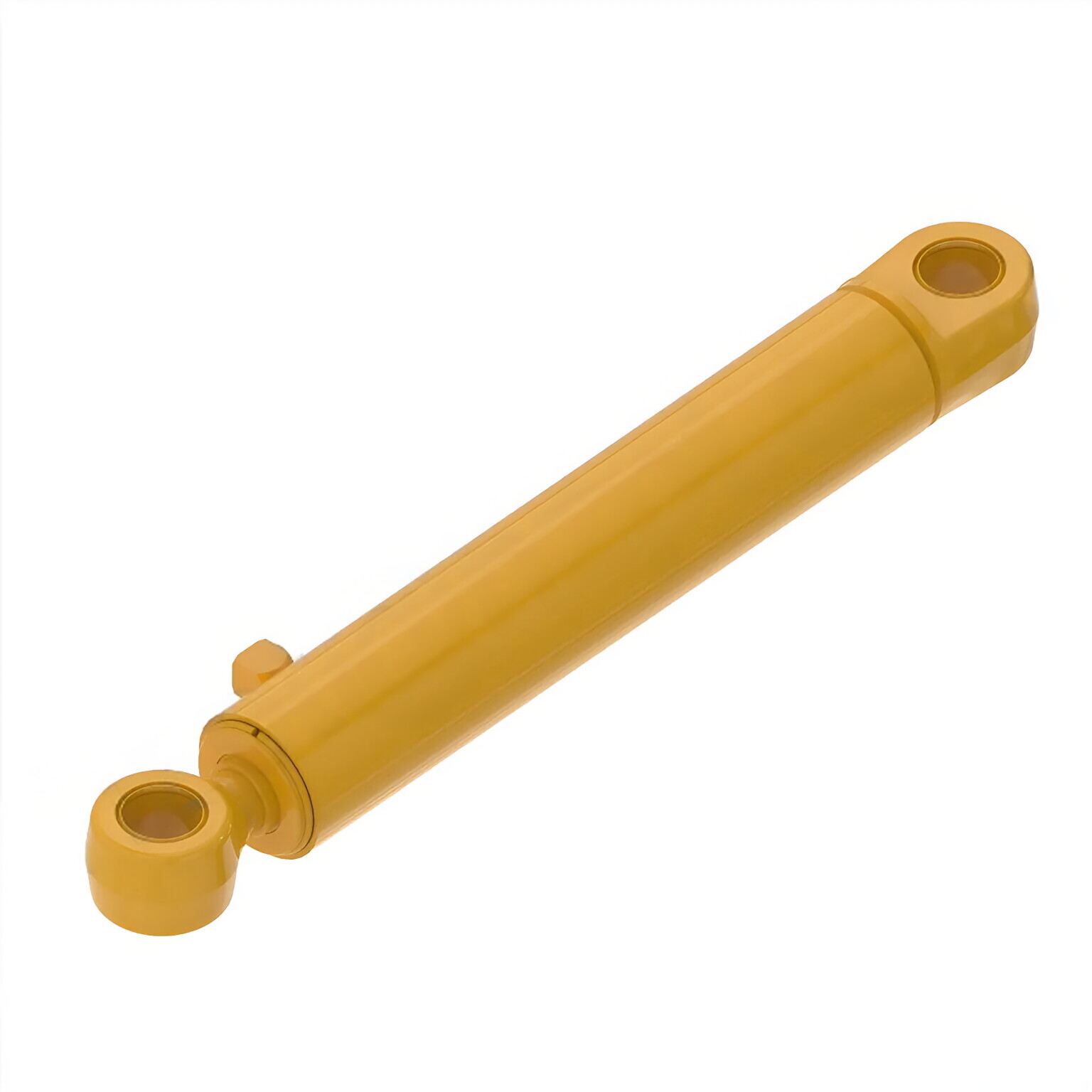
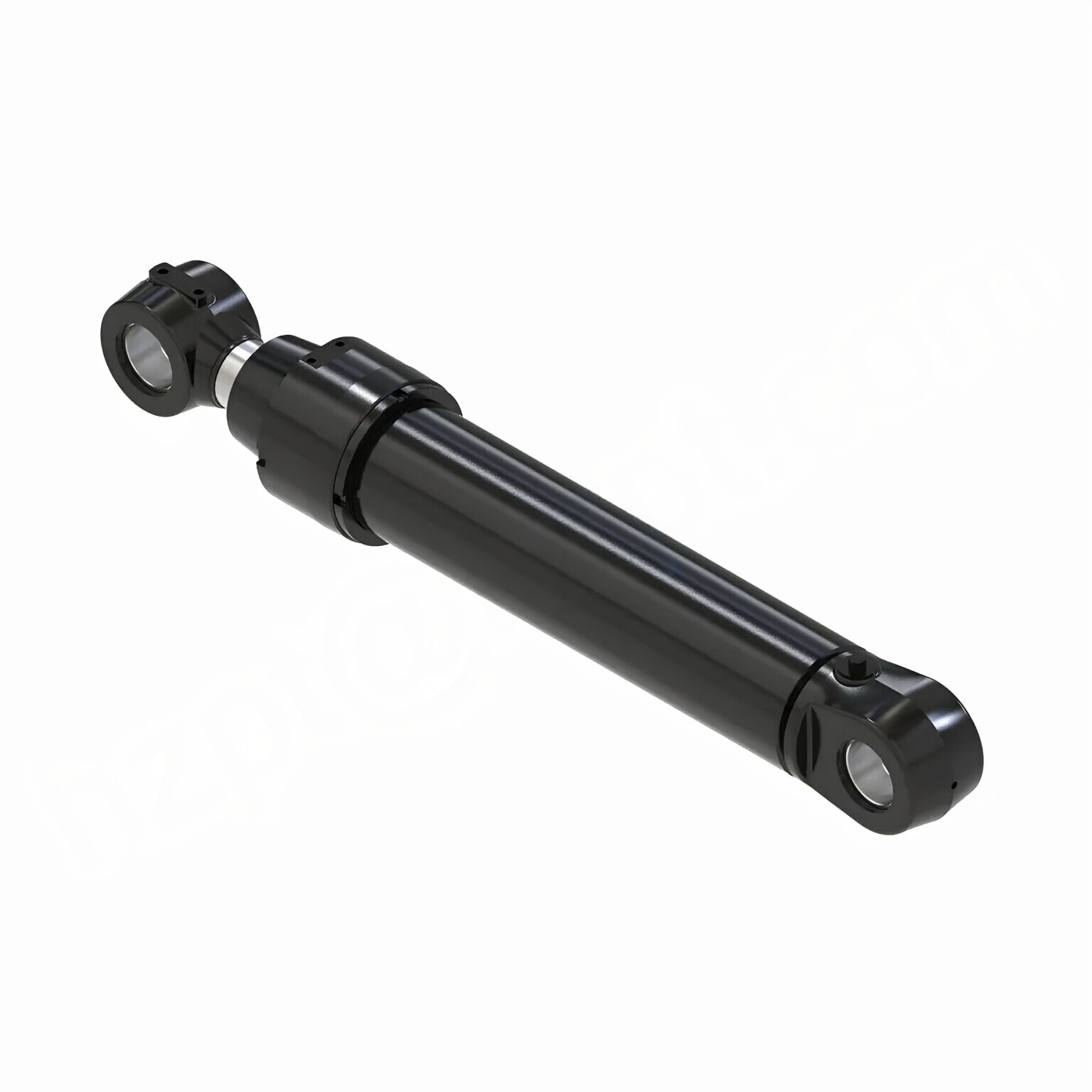
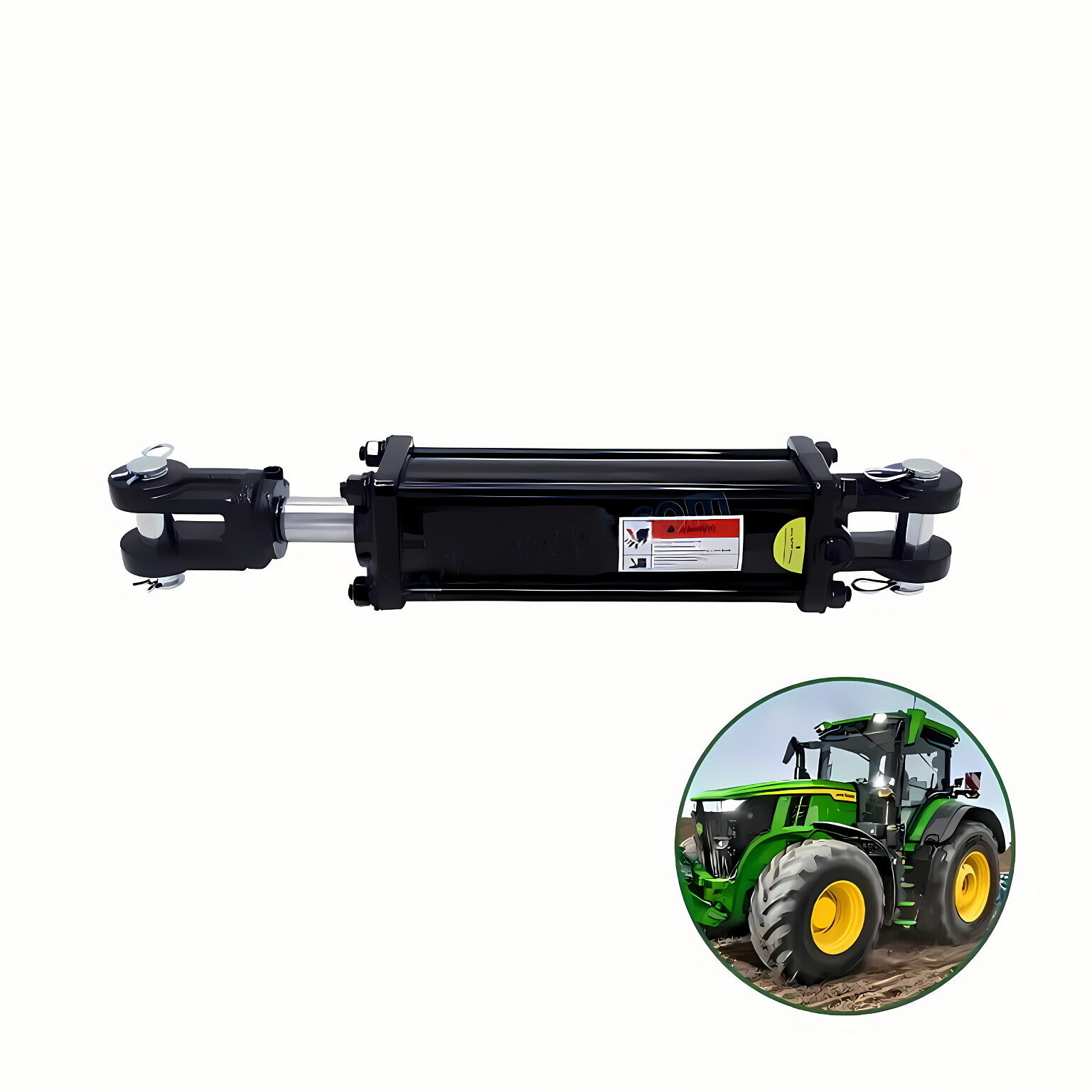
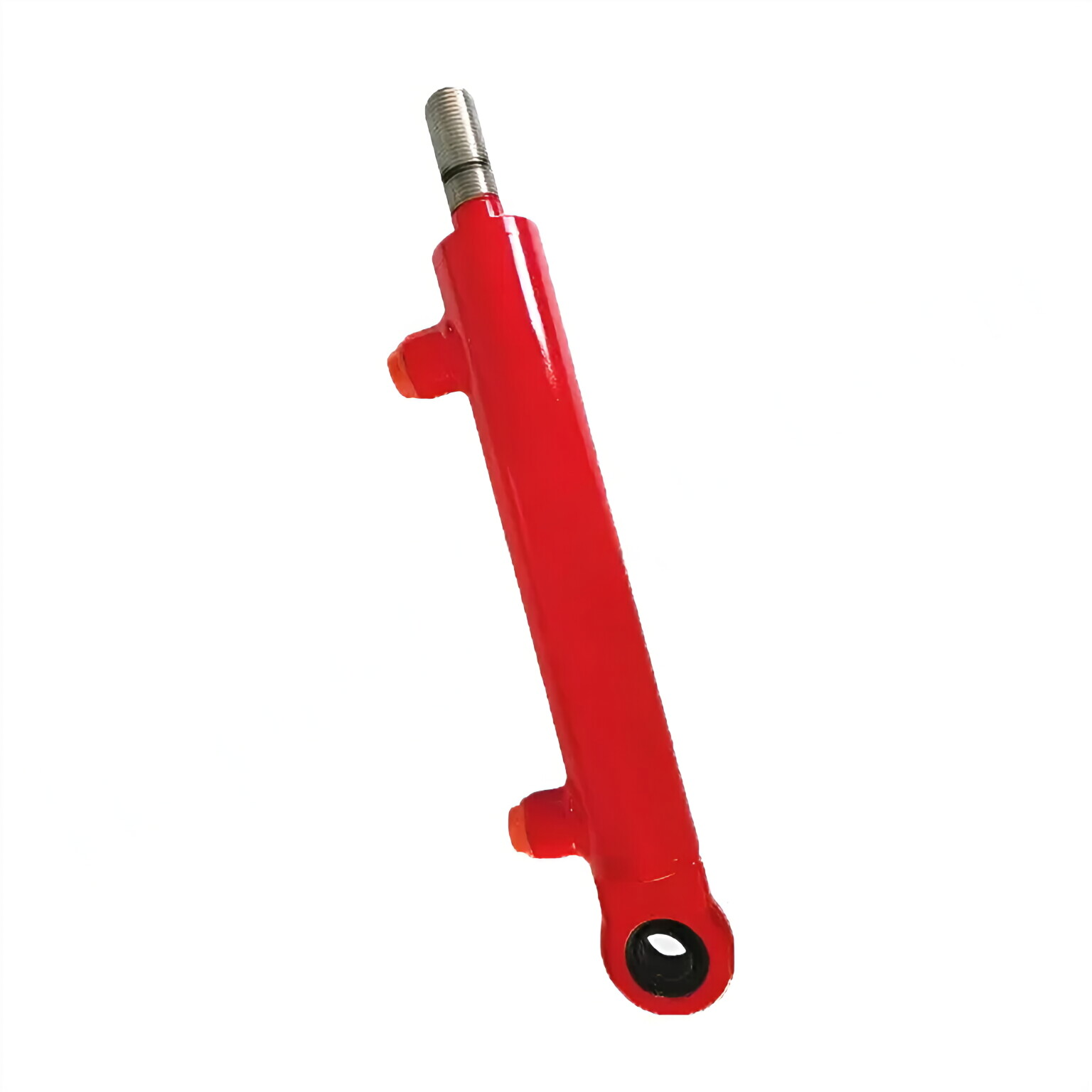
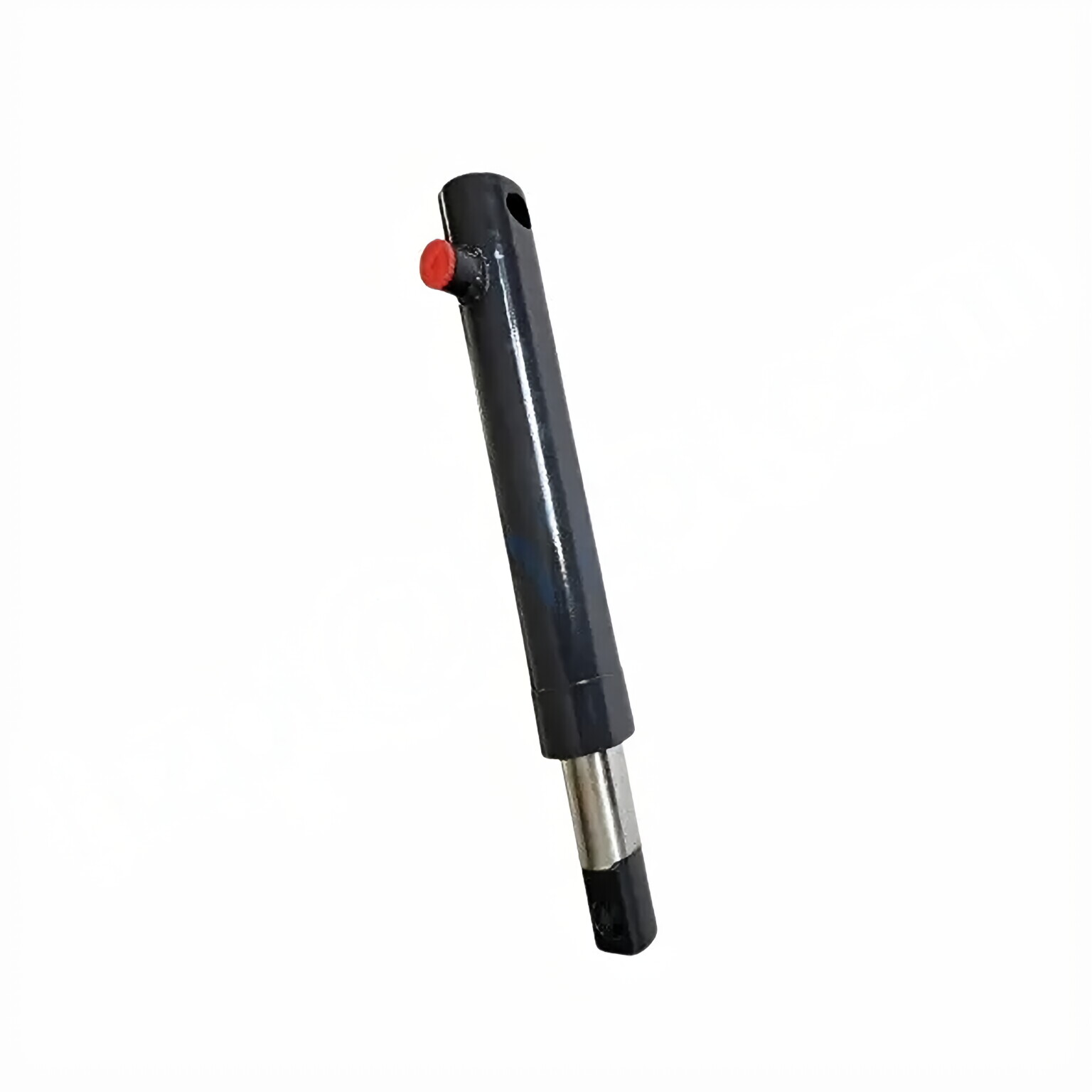
At the heart of every reliable hydraulic system lies a critical component: the hydraulic cylinder rod, also commonly known as the piston rod. This precision-engineered part is the sole interface that translates the immense fluid power generated within the cylinder barrel into usable linear motion and force. Its performance directly dictates the efficiency, durability, and safety of the entire hydraulic assembly. As a fundamental force-transmitting element, it operates under extreme conditions of pressure, side load, and environmental exposure, making its design and manufacture a discipline of exacting standards.
Raydafon Group has spent decades mastering this discipline. We understand that a cylinder rod is far more than just a polished piece of metal; it is a meticulously crafted component where metallurgy, machining precision, surface engineering, and rigorous quality control converge. Whether for heavy-duty construction machinery, precise industrial automation, robust agricultural equipment, or demanding marine applications, the rod's integrity is non-negotiable. A failure here doesn't just mean downtime; it can lead to catastrophic system failure and significant safety hazards. This guide delves into the technical specifications, advanced manufacturing processes, and critical considerations that define a superior hydraulic cylinder rod, highlighting why Raydafon Group's components are the definitive choice for engineers and operators worldwide.
The selection of material and the precise execution of its properties form the foundation of a high-performance rod. At Raydafon Group, we begin with premium materials and enhance them through advanced processes.
We utilize several high-strength alloy steels, chosen based on application-specific requirements for yield strength, toughness, and fatigue resistance.
Raydafon Group manufactures hydraulic cylinder rods to exacting dimensional tolerances, ensuring perfect fit and function within the cylinder assembly. Our standard offerings cover a vast range, with complete customization available.
| Parameter | Standard Range | Key Tolerances (Typical) | Notes |
|---|---|---|---|
| Rod Diameter | 10 mm to 500 mm (0.4" to 20") | h9 or h8 (ISO) | Precision grinding ensures consistent diameter and roundness. |
| Stroke Length | Up to 12,000 mm (40 ft) custom | ±1.0 mm per meter (±0.012" per foot) | Straightness is critically controlled during machining and treatment. |
| Thread Specifications | Metric (M), UN, ACME, API | Class 6g / 6H or better | Threads are machined to precise standards for secure piston and clevis attachment. |
| Surface Hardness | 50 - 65 HRC (Hard Chrome Plated) | ± 2 HRC | Achieved through a combination of heat treatment and plating. |
The raw material is just the starting point. Raydafon Group’s proprietary manufacturing workflow subjects each hydraulic cylinder rod to a series of transformative processes that build in durability and longevity.
To develop the required core strength and toughness, alloy steel rods undergo controlled heat treatment.
The surface is the rod's first line of defense. Raydafon Group employs state-of-the-art finishing and coating solutions.
| Coating Type | Thickness | Surface Roughness (Ra) | Primary Benefits & Applications |
|---|---|---|---|
| Hard Chrome Plating (Industrial Grade) | 20 - 150 µm | 0.1 - 0.4 µm | Superior wear resistance, excellent corrosion protection, low friction coefficient. The industry standard for most general and heavy-duty applications. |
| Nickel-Chromium Composite Plating | 30 - 200 µm | 0.2 - 0.5 µm | Enhanced corrosion resistance, particularly against pitting. Used in highly corrosive environments where standard chrome may be insufficient. |
| High-Velocity Oxygen Fuel (HVOF) Coatings (e.g., WC-CoCr) | 100 - 300 µm | 0.3 - 0.6 µm (post-polish) | Extreme abrasion and erosion resistance. Ideal for applications with heavy contamination, grit, or severe abrasive wear. |
| Laser Cladding | 0.5 - 3.0 mm | Custom | Used for repair of worn rods or applying thick, wear/corrosion-resistant alloys to specific rod sections. Provides a metallurgical bond. |
Following coating, each rod undergoes precision grinding and super-finishing (such as roller burnishing or polishing) to achieve a mirror-like surface. This ultra-smooth finish (low Ra value) is critical for optimal seal performance, minimizing friction and wear on rod seals, and preventing leak paths.
Every Raydafon Group hydraulic cylinder rod is subjected to a battery of non-destructive and destructive tests to verify its integrity against our strict protocols.
What is the most common cause of hydraulic cylinder rod failure?
The most common failure modes are bending/fracture due to excessive side loading or shock loads, and damage to the chrome-plated surface. Surface damage often starts with scoring from contaminated fluid or abrasive particles, which then breaches the chrome layer, leading to rapid corrosion of the underlying steel and subsequent seal damage. Insufficient hardness or an improper coating thickness can accelerate this wear. Raydafon Group rods are engineered with optimized hardness profiles and robust coatings to resist these initiation points.
How do I choose between hard chrome plating and an alternative like HVOF?
Hard chrome plating is the versatile, cost-effective standard for excellent wear and good corrosion resistance in most environments. Choose HVOF (Tungsten Carbide) coatings when the primary threat is severe abrasive wear—for example, in mining machinery, demolition equipment, or applications constantly exposed to sand, grit, or fine metallic particles. HVOF coatings offer significantly higher abrasion resistance but at a higher cost. Our engineering team can advise based on your specific operating conditions.
Can a bent or scored hydraulic cylinder rod be repaired, or must it always be replaced?
It depends on the severity. Superficial scoring that has not penetrated deeply into the base material can often be repaired by polishing out the defects and re-plating the rod to its original specifications—a specialty service offered by Raydafon Group. However, a bent rod is a critical failure. Attempting to straighten it is generally not recommended, as it compromises the material's grain structure and fatigue life, creating a major safety risk. Replacement with a new, high-integrity rod is the only safe course of action.
What does the hardness specification (e.g., 60-65 HRC) refer to? Is that the rod core or the surface?
This specification almost always refers to the surface hardness of the chrome-plated layer or the hardened case. The core of a properly heat-treated alloy steel rod (like AISI 4140) will typically have a lower, tougher hardness in the range of 28-35 HRC. This combination is intentional: a hard surface resists wear and indentation, while a tough, ductile core absorbs energy and resists catastrophic fracture. Raydafon Group's processes precisely control both surface and core properties.
Why is surface finish (Ra value) so important for a hydraulic cylinder rod?
The surface roughness (Ra) is critical for seal life and system leakage prevention. A rough surface will abrade the rod seal lip, leading to premature seal failure and external leakage. An overly polished, mirror-smooth surface (too low an Ra) can hinder the formation of a stable lubricating film, potentially causing stick-slip motion and increased seal wear. Raydafon Group targets an optimal Ra range (typically 0.1-0.4 µm) that promotes seal lubrication, minimizes friction, and ensures consistent, leak-free operation over extended periods.
How does Raydafon Group ensure consistency in large-volume rod production?
Consistency is guaranteed through automation and statistical process control (SPC). Key stages—from turning and heat treatment to plating, grinding, and finishing—are managed by automated systems with in-process monitoring. Every batch of material is certified, and critical parameters (temperatures, plating bath chemistry, grind dimensions) are logged and controlled in real-time. This data-driven approach, backed by final inspection on every single rod, ensures that the 1st and the 1000th rod in an order perform identically.

 Raydafon